
The Prodigal Son — History & Facts
A restless energy runs through this rural scene, where the eye is drawn first to the drama unfolding in the foreground: a young man, richly dressed but now slumped and desperate, is comforted by a woman whose gesture is both tender and practical. The world around them is busy with the daily churn of farm life—animals graze, a man climbs a tree, and workers tend to their tasks—but the central figures are caught in a moment of personal crisis. The architecture leans and sprawls, its angles echoing the chaos of the prodigal’s fall from fortune, while the sky above churns with clouds that seem to press down on the scene.
Light pools around the young man’s red cloak, marking him as the story’s heart, while the muted palette elsewhere suggests the hard reality of his new life. Painted in 1615 by Abraham Bloemaert, this work belongs to a world where biblical parables were brought to life for a broad audience, often commissioned by prosperous burghers eager to display both faith and taste. Dutch and Flemish artists of the early seventeenth century delighted in embedding moral tales within the textures of everyday life, and Bloemaert was a master of this genre, blending narrative clarity with a keen eye for rustic detail. While history has kept few traces of this particular painting’s early journey, it now resides in a public collection, its story still unfolding for each new viewer.
Notice how the landscape itself seems to lean in, as if listening to the prodigal’s confession—inviting us to linger, and to look again.
More Artworks by Abraham Bloemaert

Adam and Eve
Abraham Bloemaert
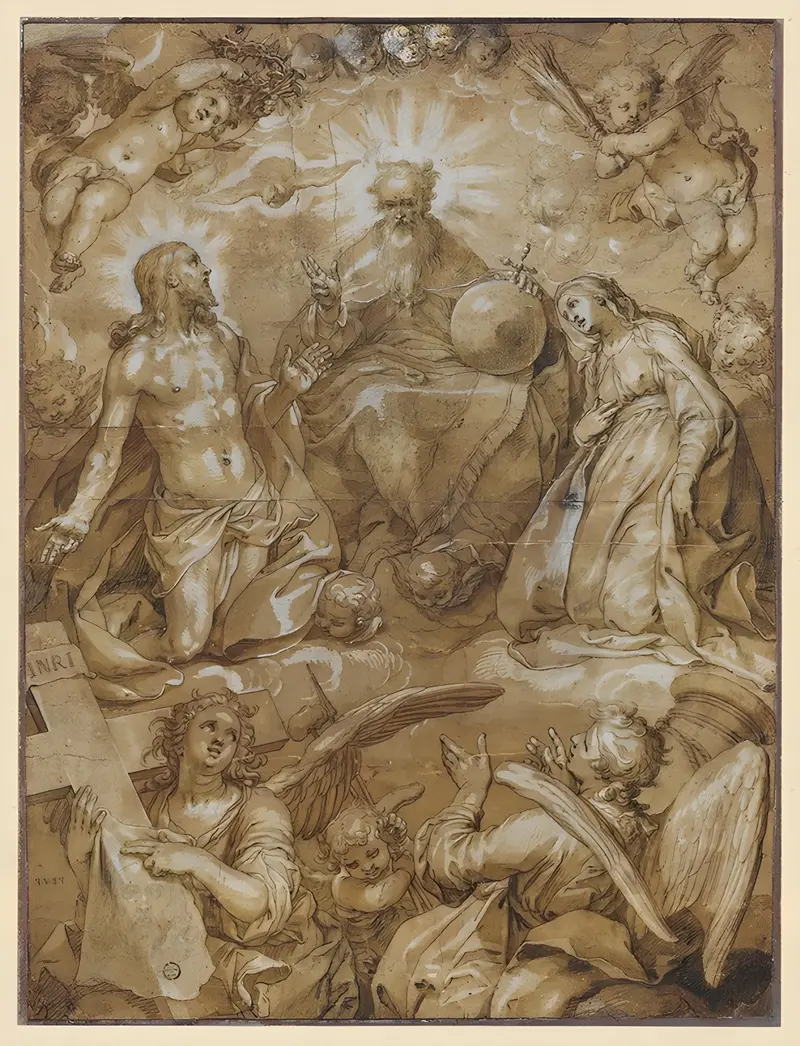
Intercession of Christ and Mary before God the Father
Abraham Bloemaert
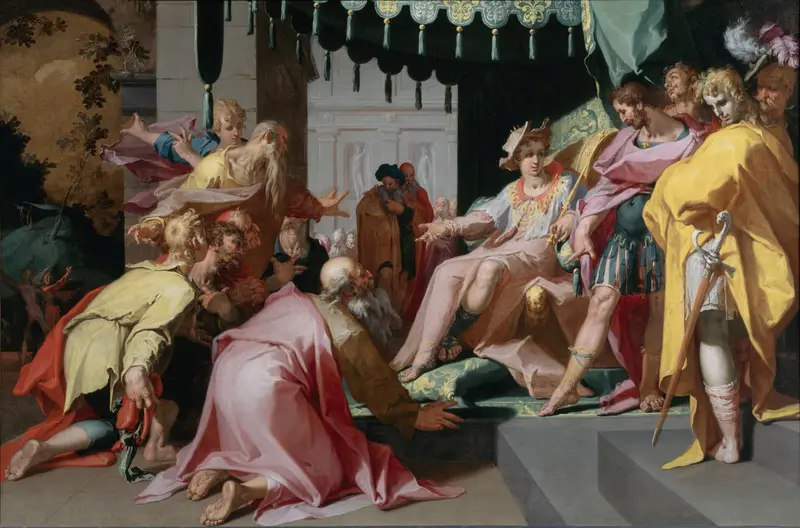
Joseph and his Brothers
Abraham Bloemaert
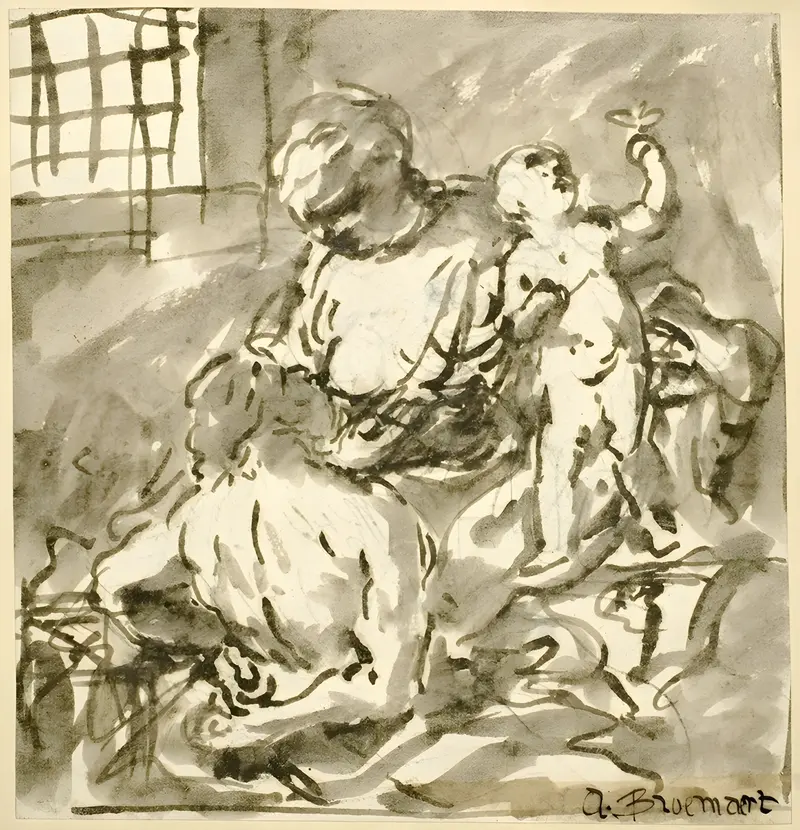
Caritas Romana
Abraham Bloemaert
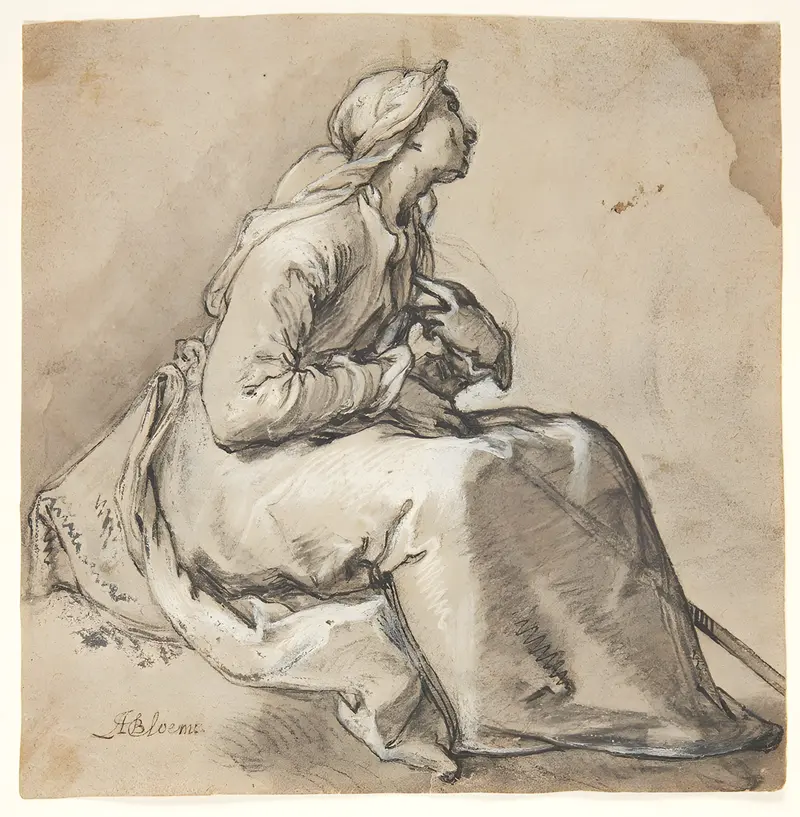
A seated woman facing right
Abraham Bloemaert
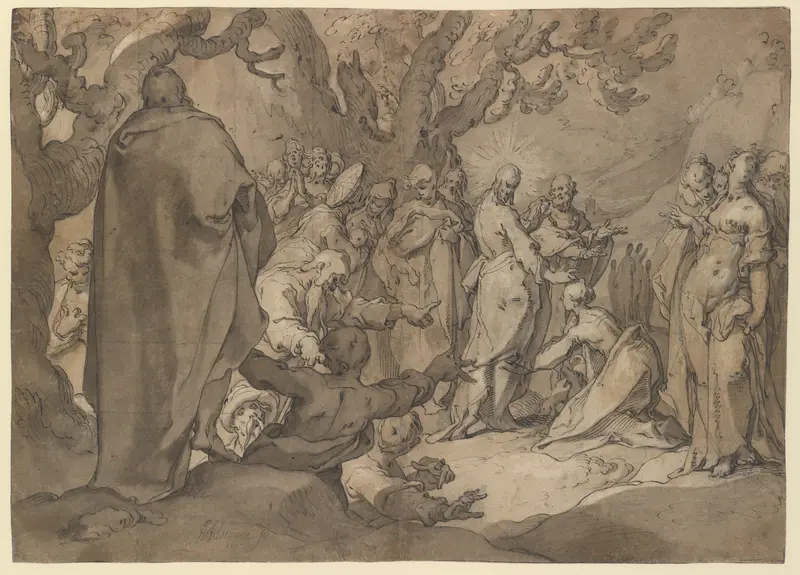
Christ and the Canaanite Women
Abraham Bloemaert
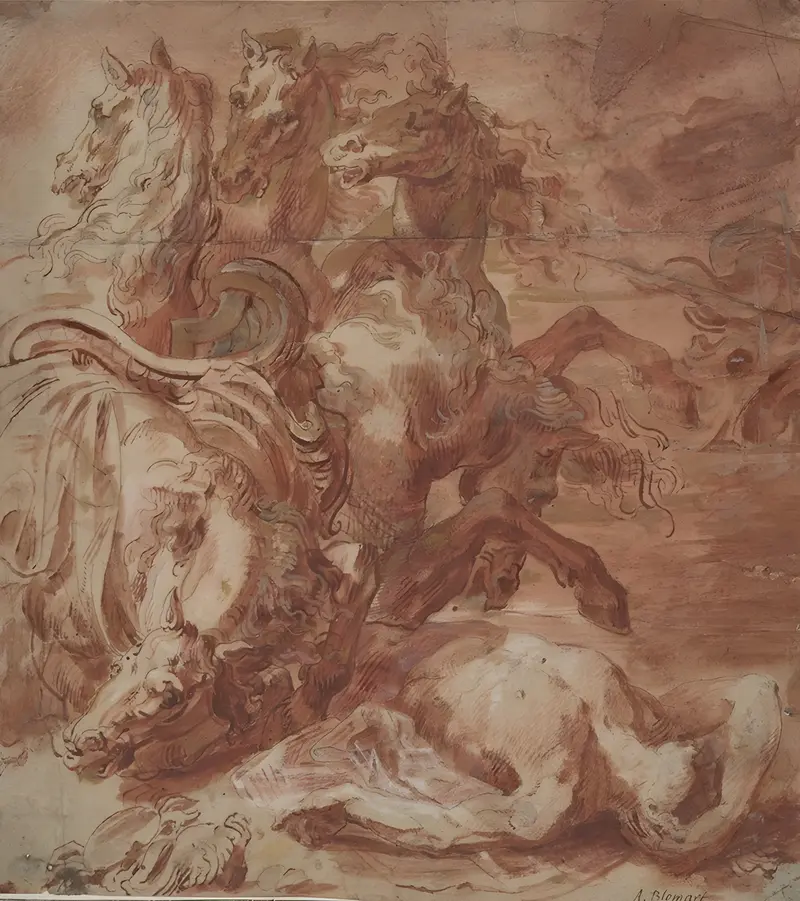
Hippolytus
Abraham Bloemaert
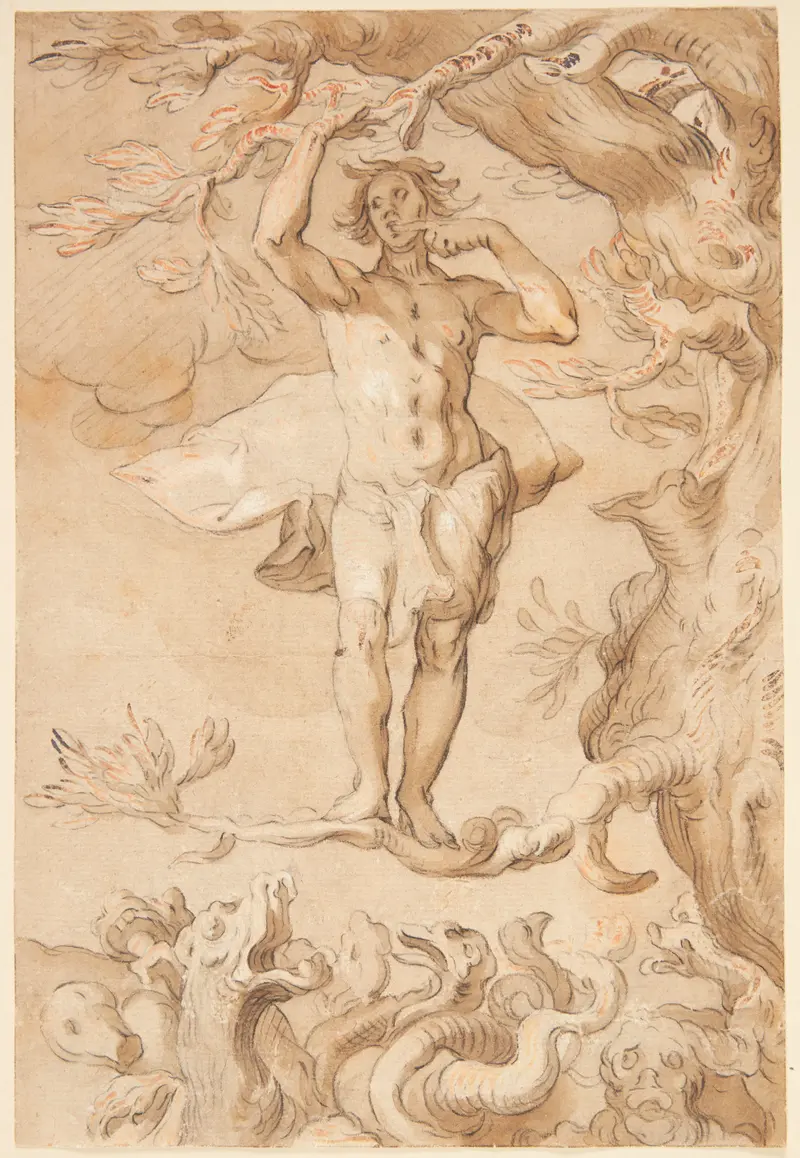
Den menneskelige glædes skrøbelighed En mand, der jages af en drage, klynger sig til en gren, mens han slikker honning af sin finger
Abraham Bloemaert

Moses Striking the Rock
Abraham Bloemaert
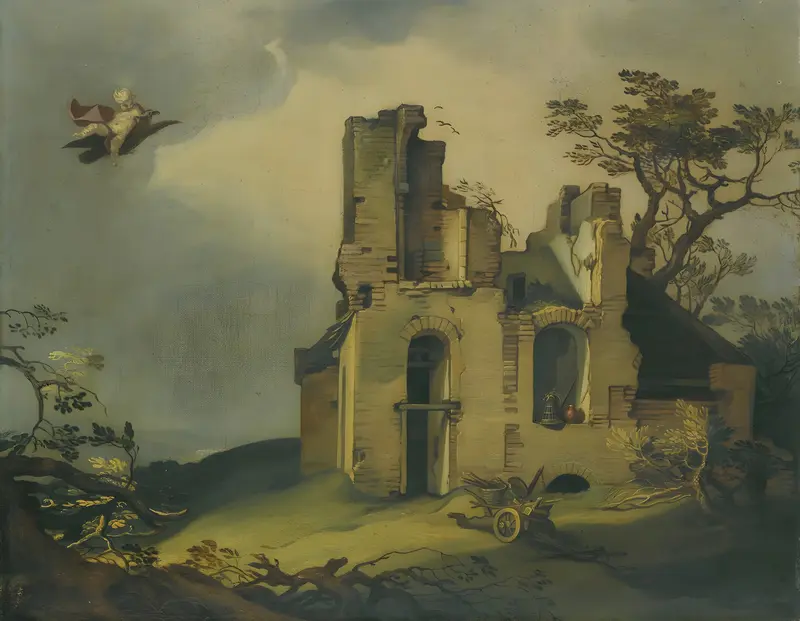
A Landscape With Ruins, With The Rape Of Ganymede
Abraham Bloemaert
More Genre Scene Art

Banquet of the Officers of the St George Civic Guard
Frans Hals

Rembrandt and Saskia in the Scene of the Prodigal Son
Rembrandt van Rijn

Bal du moulin de la Galette
Pierre-Auguste Renoir

Quadrille at the Moulin Rouge
Henri de Toulouse-Lautrec

A Burial at Ornans
Gustave Courbet

When Will You Marry?
Paul Gauguin