
The Prodigal Son as a Swineherd — History & Facts
What first catches the eye in The Prodigal Son as a Swineherd is not the biblical figure himself, but the vast, open sky and the battered farmhouse that dwarfs him. Abraham Bloemaert sets the drama low in the frame, making the prodigal son almost disappear among the pigs and shadows. The viewer is drawn from the sunlit ruin, past the humble animals, to the kneeling figure whose desperation is palpable—his outstretched hands echoing the pleading gesture of the woman in the foreground, who seems to point him out as a warning or lesson. Painted in 1637, this image belongs to a world where Dutch and Flemish artists often used biblical parables as a mirror for everyday life.
Scenes like this were not only religious reminders but also moral tales for a society in flux, where wealth and ruin could change places overnight. Little is recorded about the specific journey of this painting, now in the Art UK collection, but its subject and style speak to a time when such works were prized for both their narrative power and their ability to place sacred stories in the recognizable landscape of rural Europe. The battered walls and humble animals invite the viewer to linger, searching for meaning in every detail.
More Artworks by Abraham Bloemaert

Adam and Eve
Abraham Bloemaert
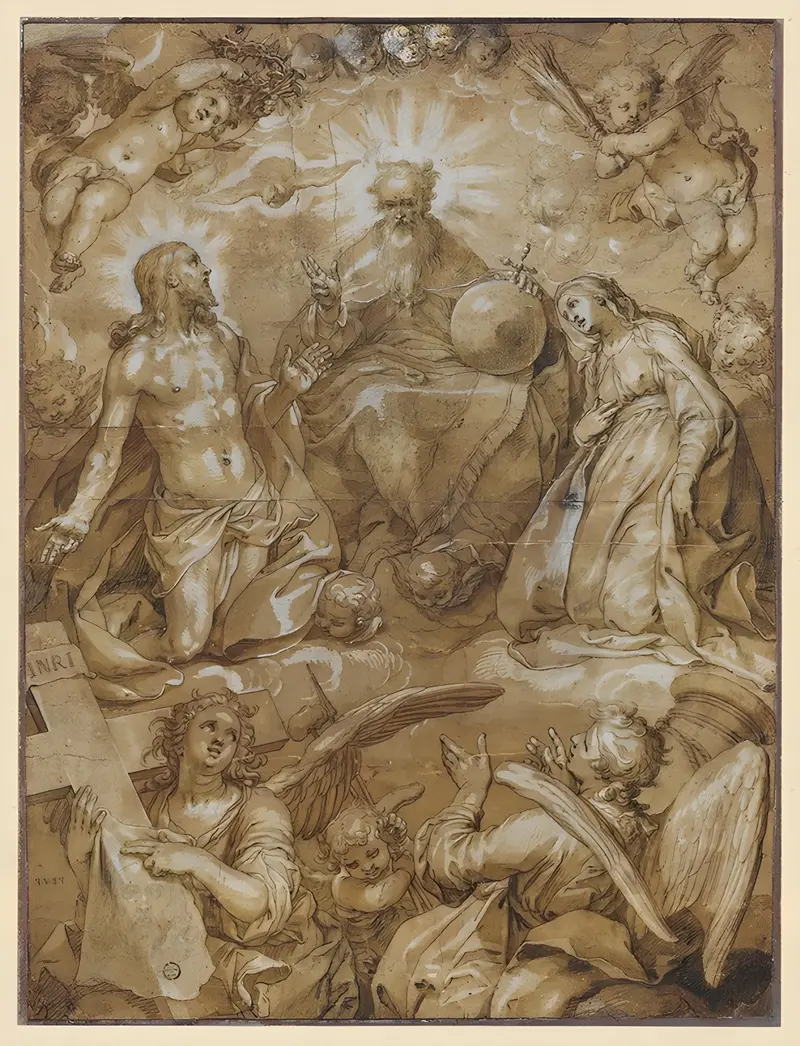
Intercession of Christ and Mary before God the Father
Abraham Bloemaert
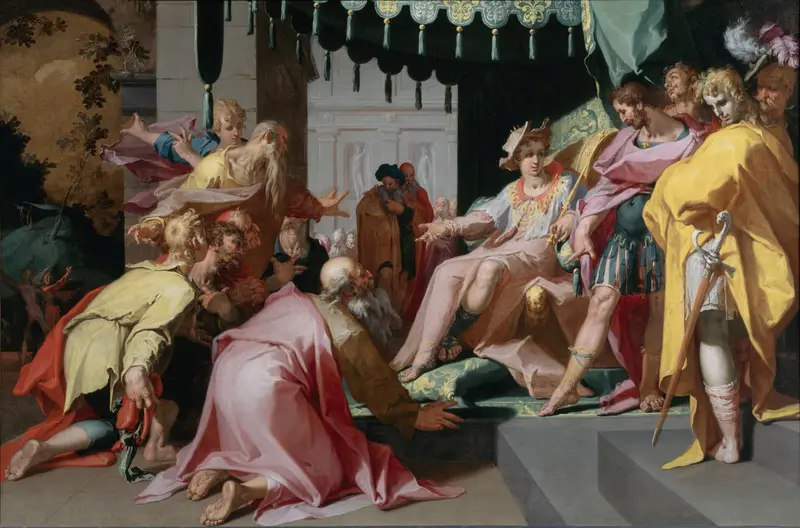
Joseph and his Brothers
Abraham Bloemaert
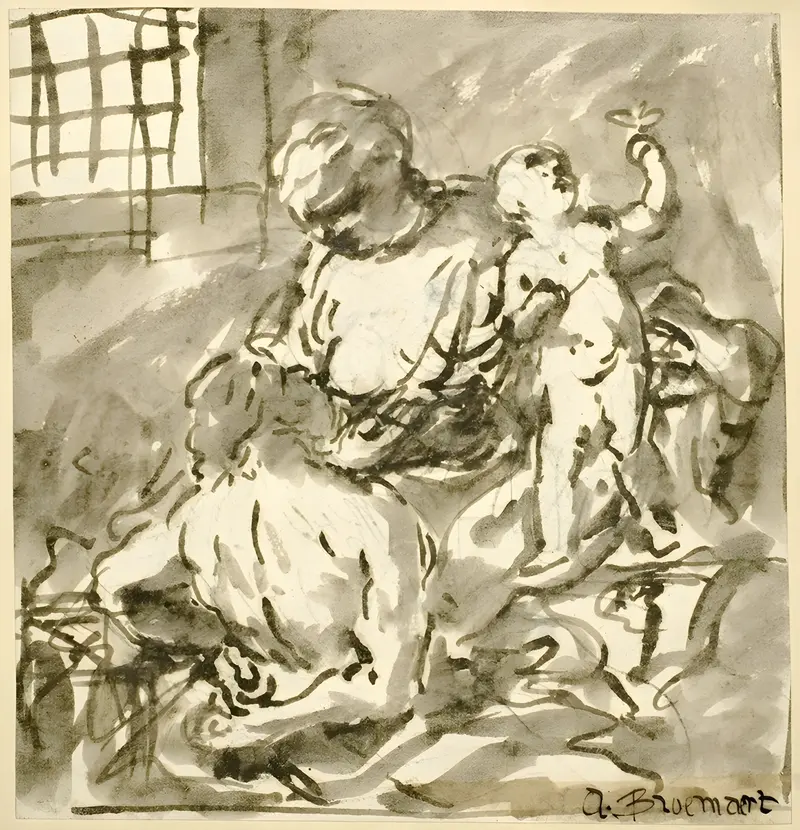
Caritas Romana
Abraham Bloemaert
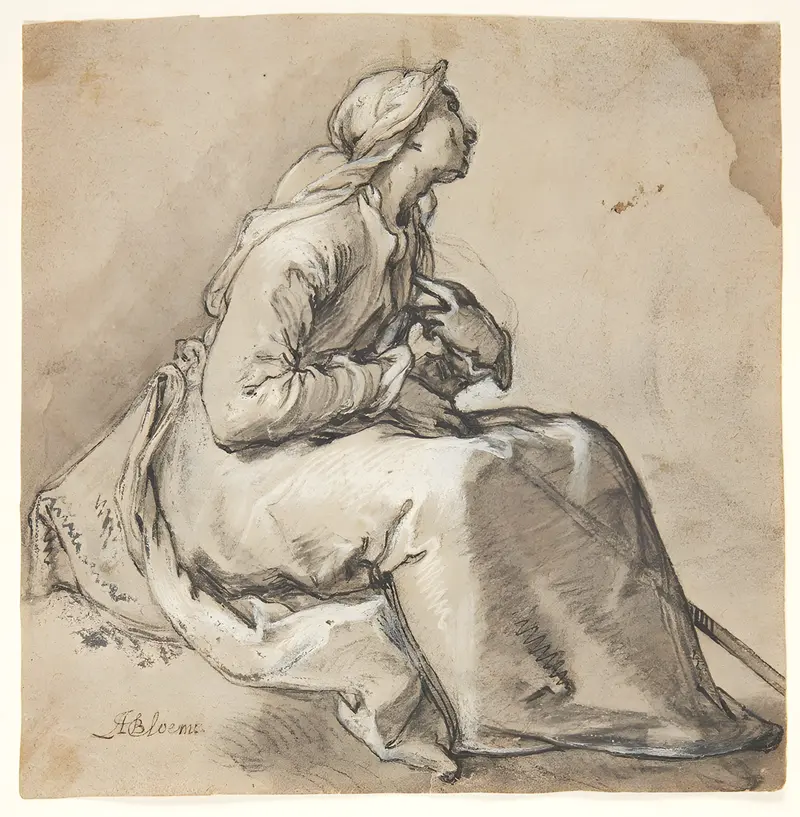
A seated woman facing right
Abraham Bloemaert
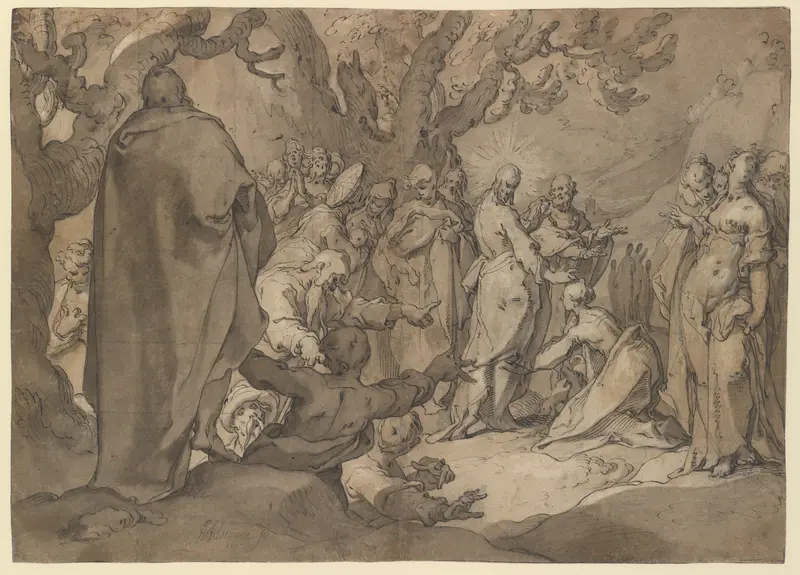
Christ and the Canaanite Women
Abraham Bloemaert
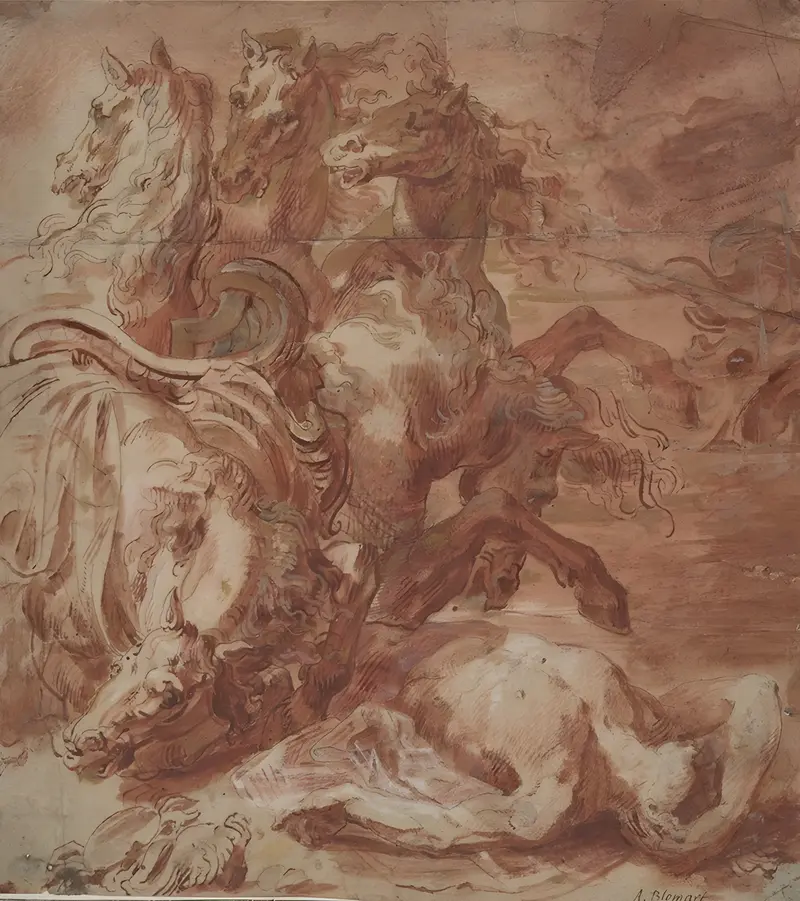
Hippolytus
Abraham Bloemaert
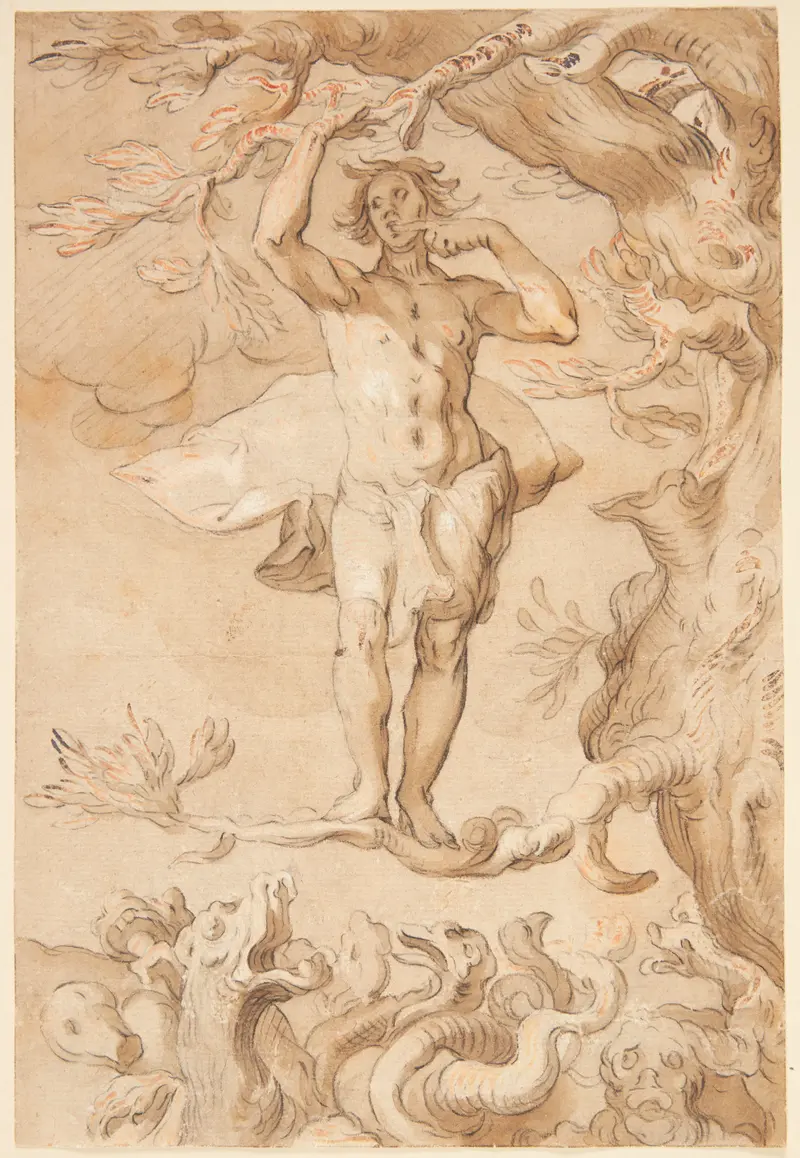
Den menneskelige glædes skrøbelighed En mand, der jages af en drage, klynger sig til en gren, mens han slikker honning af sin finger
Abraham Bloemaert

Moses Striking the Rock
Abraham Bloemaert
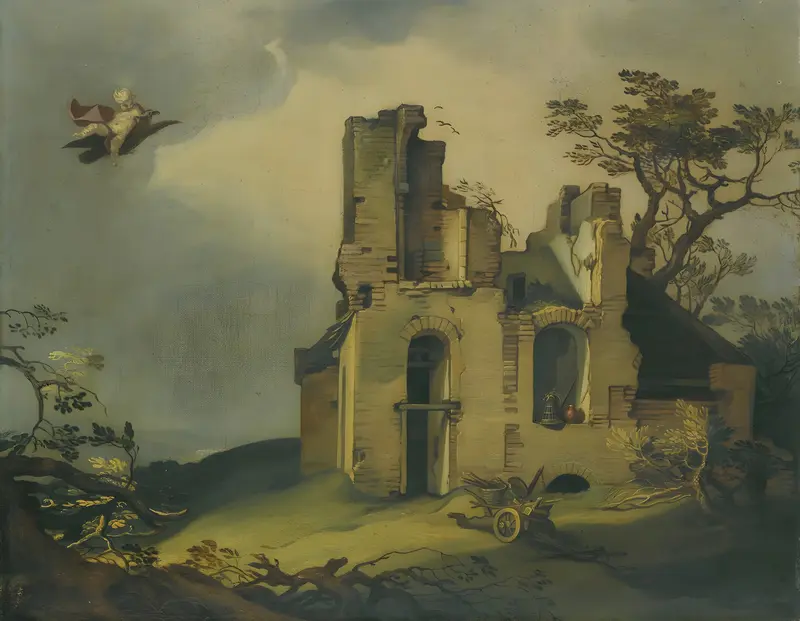
A Landscape With Ruins, With The Rape Of Ganymede
Abraham Bloemaert
More Genre Scene Art

Banquet of the Officers of the St George Civic Guard
Frans Hals

Rembrandt and Saskia in the Scene of the Prodigal Son
Rembrandt van Rijn

Bal du moulin de la Galette
Pierre-Auguste Renoir

Quadrille at the Moulin Rouge
Henri de Toulouse-Lautrec

A Burial at Ornans
Gustave Courbet

When Will You Marry?
Paul Gauguin