
The Sewer — History & Facts
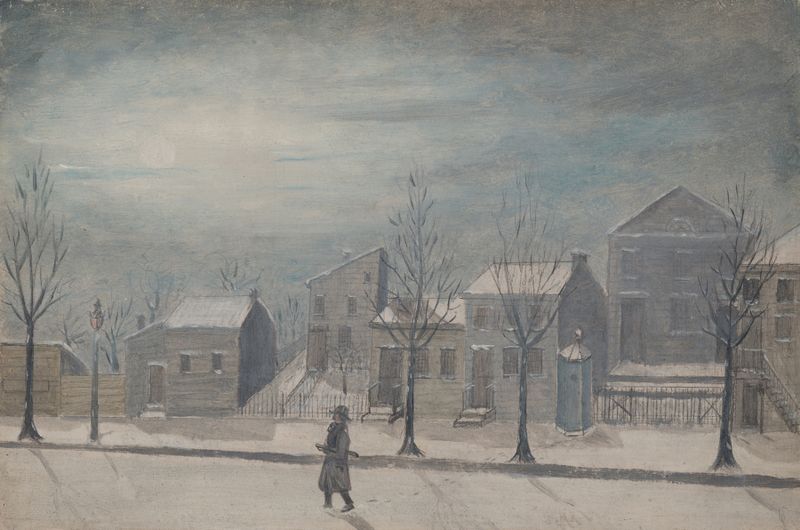
Did the painter know this moment would outlive them? In a world driven by fleeting desires, The Sewer stands as a testament to both aspiration and the weight of the mundane. Look to the bottom left where the dark, murky water ripples under the faint light, creating a stark contrast against the vibrant hues of the figures above. Notice how the artist meticulously captures the textures of the cobblestones, each stone a silent witness to the life above the sewer. The figures are rendered with a sense of urgency, their gestures almost speaking volumes about their aspirations, as they navigate the sludgy depths of existence with a mix of hope and resignation. In the interplay of light and shadow, there lies a profound emotional tension; the vibrant colors above hint at dreams, while the dark tones below symbolize the struggles that confine them.
Small details, like a discarded shoe or a half-closed door, evoke a sense of longing for something greater, a desire to escape the confines of one’s current reality. This duality resonates deeply, illustrating not only the physical barriers of society but also the psychological ones that keep aspirations at bay. Created in the 1870s, during a time of industrial change, the artist was immersed in a rapidly evolving society. As urban landscapes transformed, so too did the themes of art, moving towards a more realistic portrayal of social struggles.
Chappel, engaged in his own artistic journey, reflected the complexities of desire and despair in this work, capturing a moment that resonates through the ages, challenging us to confront our own yearnings.
More Artworks by William P. Chappel
Browse all →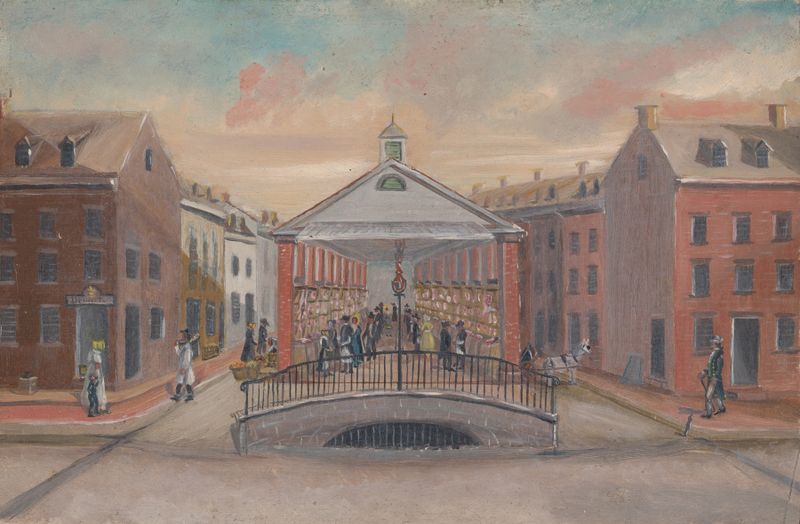
Fly Market
William P. Chappel
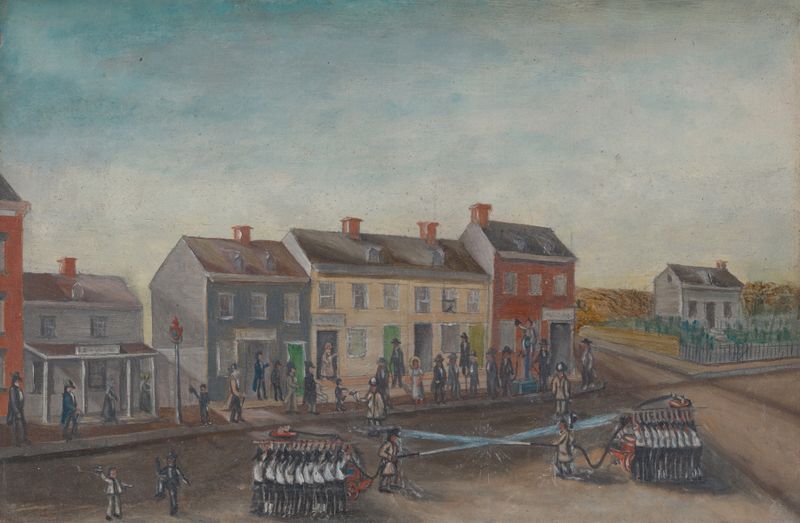
Firemen’s Washing Day
William P. Chappel
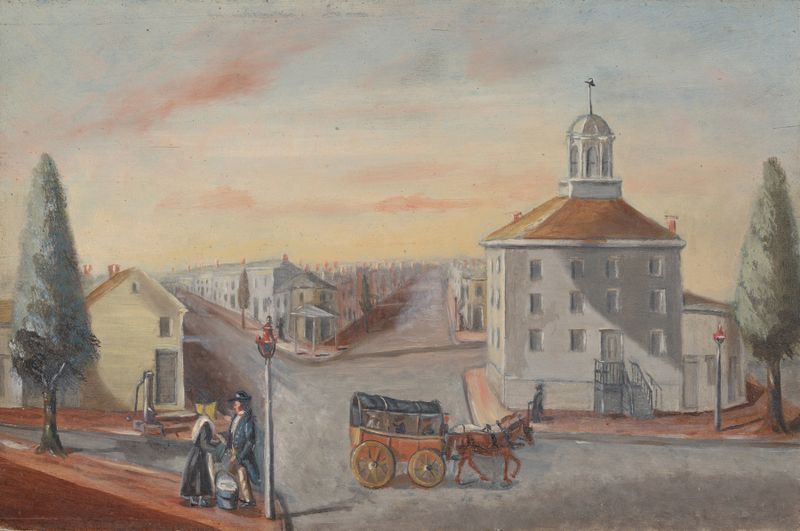
Hot Corn Seller
William P. Chappel
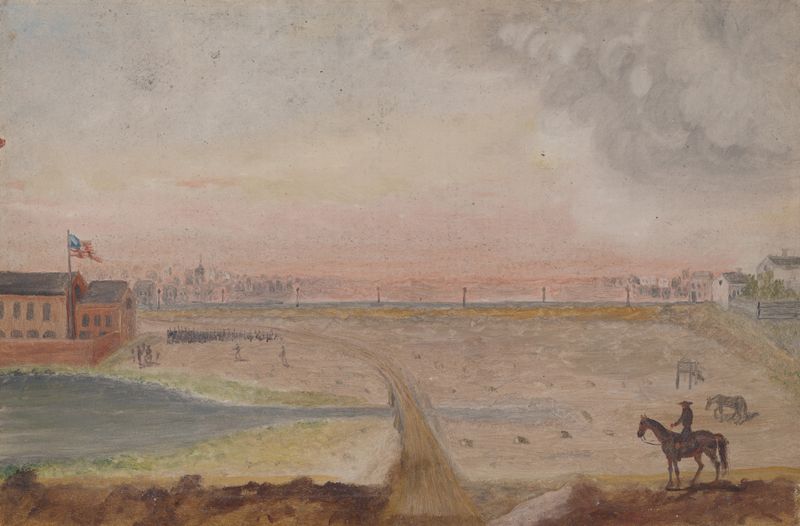
Militia Drilling
William P. Chappel
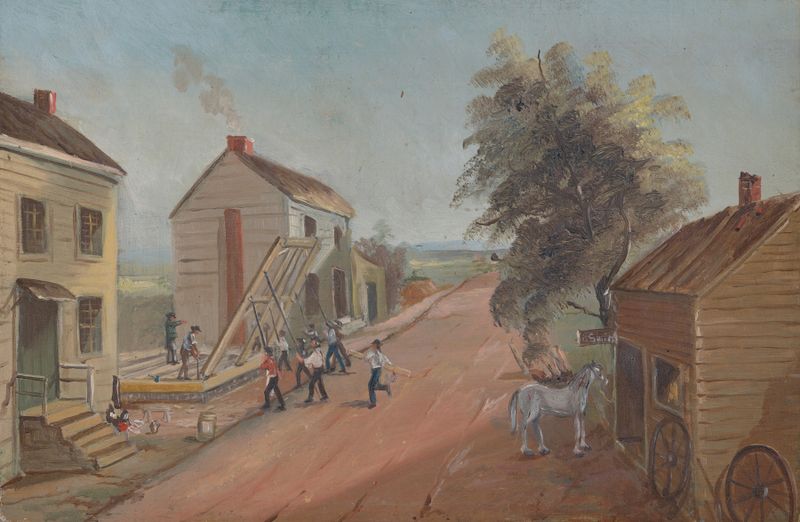
House Raising
William P. Chappel
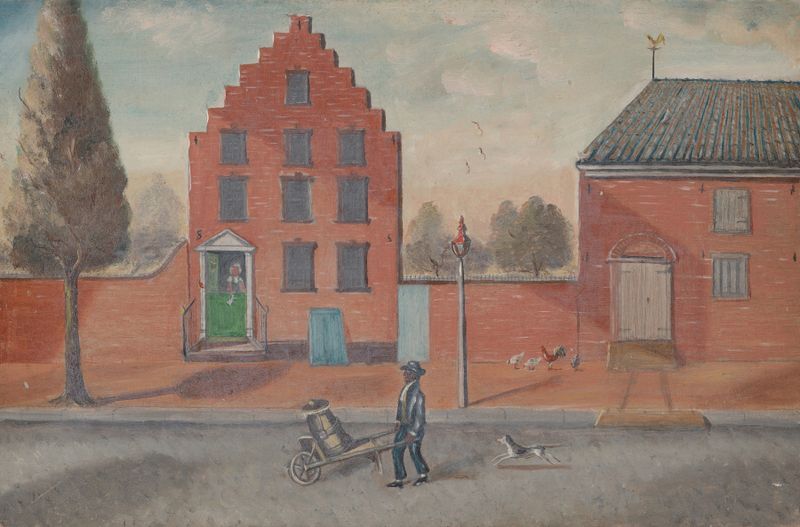
Buttermilk Pedlar
William P. Chappel
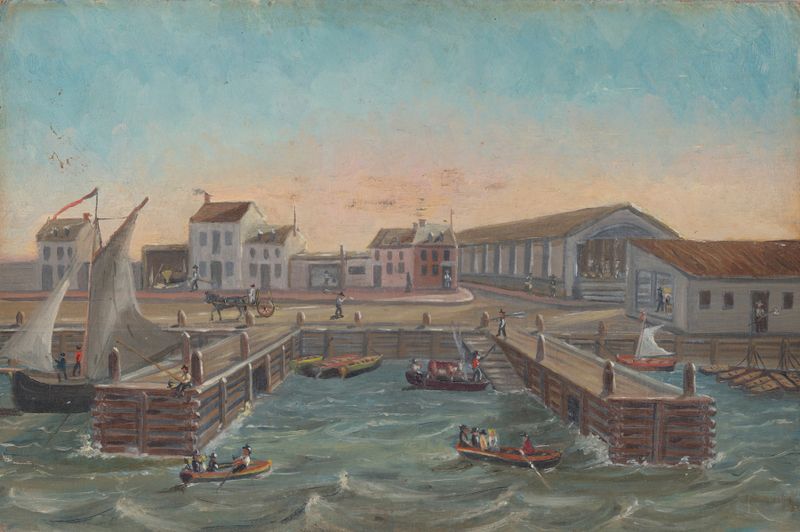
Old Ferry Stairs
William P. Chappel
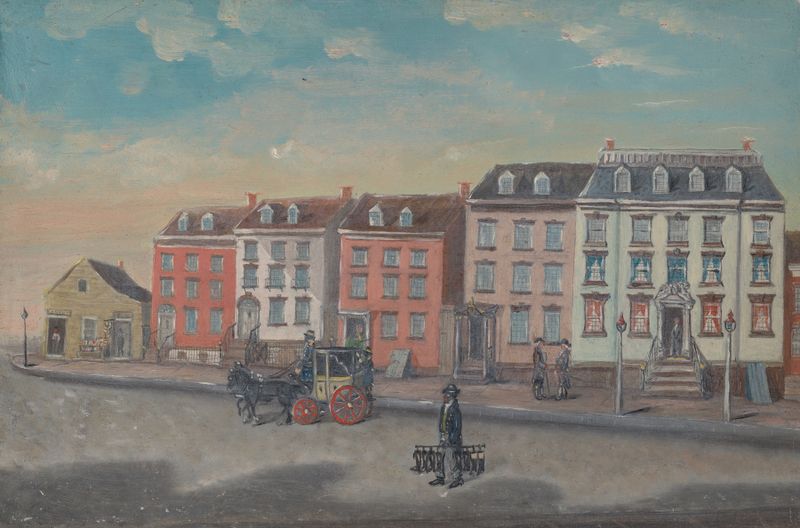
The Boot Black
William P. Chappel
City Watchman
William P. Chappel
Bull’s Head Tavern
William P. Chappel





