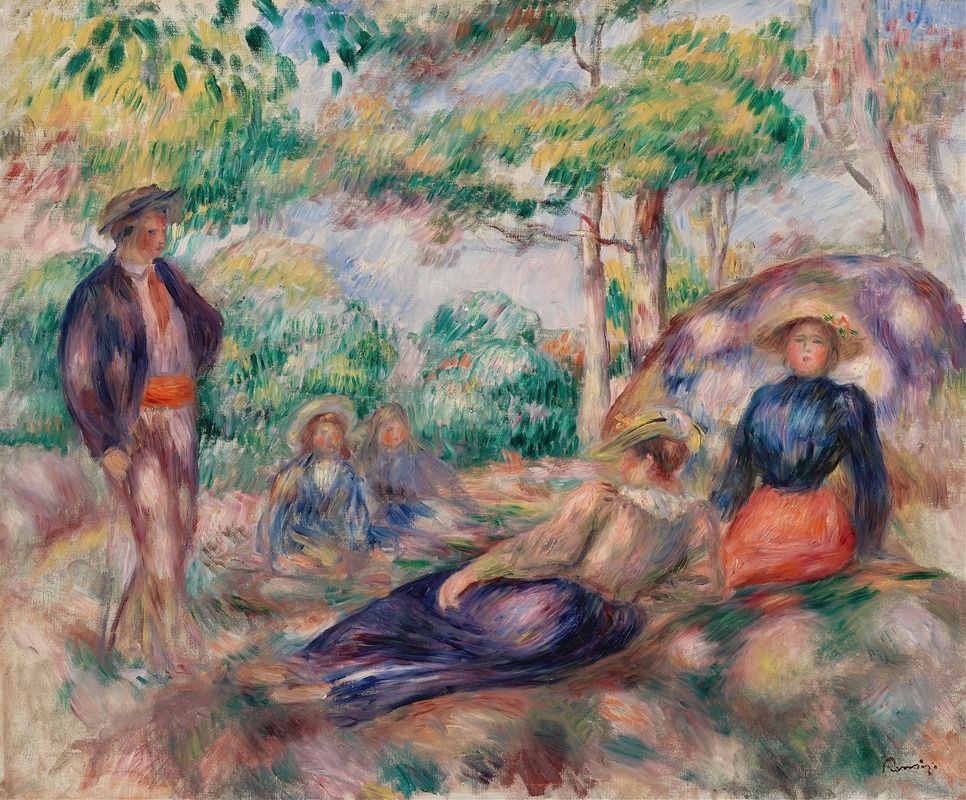
Discover insights about this artwork
The Siesta (After Millet) — History & Facts
In The Siesta (After Millet), Vincent van Gogh captures a tranquil scene of a woman resting in a sunlit field. The colors are warm and inviting, with golden yellows and soft greens dominating the landscape. The figure is relaxed, lying on the ground, surrounded by the lushness of nature.
This serene setting evokes a sense of peace and simplicity in rural life. The painting is executed in oil on canvas, showcasing Van Gogh's characteristic brushwork and vibrant color palette. The texture is rich, with visible strokes that add depth and movement to the scene. The composition is balanced, drawing the viewer's eye to the resting figure while also highlighting the surrounding environment.
This work reflects Van Gogh's admiration for Jean-François Millet, whose themes of peasant life inspired him. Vincent van Gogh created The Siesta in 1889, during a period when he was deeply influenced by the works of Millet. This painting is notable for its exploration of rural themes and the everyday lives of peasants. An interesting fact about this work is that it reflects Van Gogh's desire to convey the beauty of simple moments, a theme that resonates throughout his oeuvre.
The painting is currently housed in the Van Gogh Museum in Amsterdam, where it continues to attract visitors.
More Artworks by Vincent van Gogh
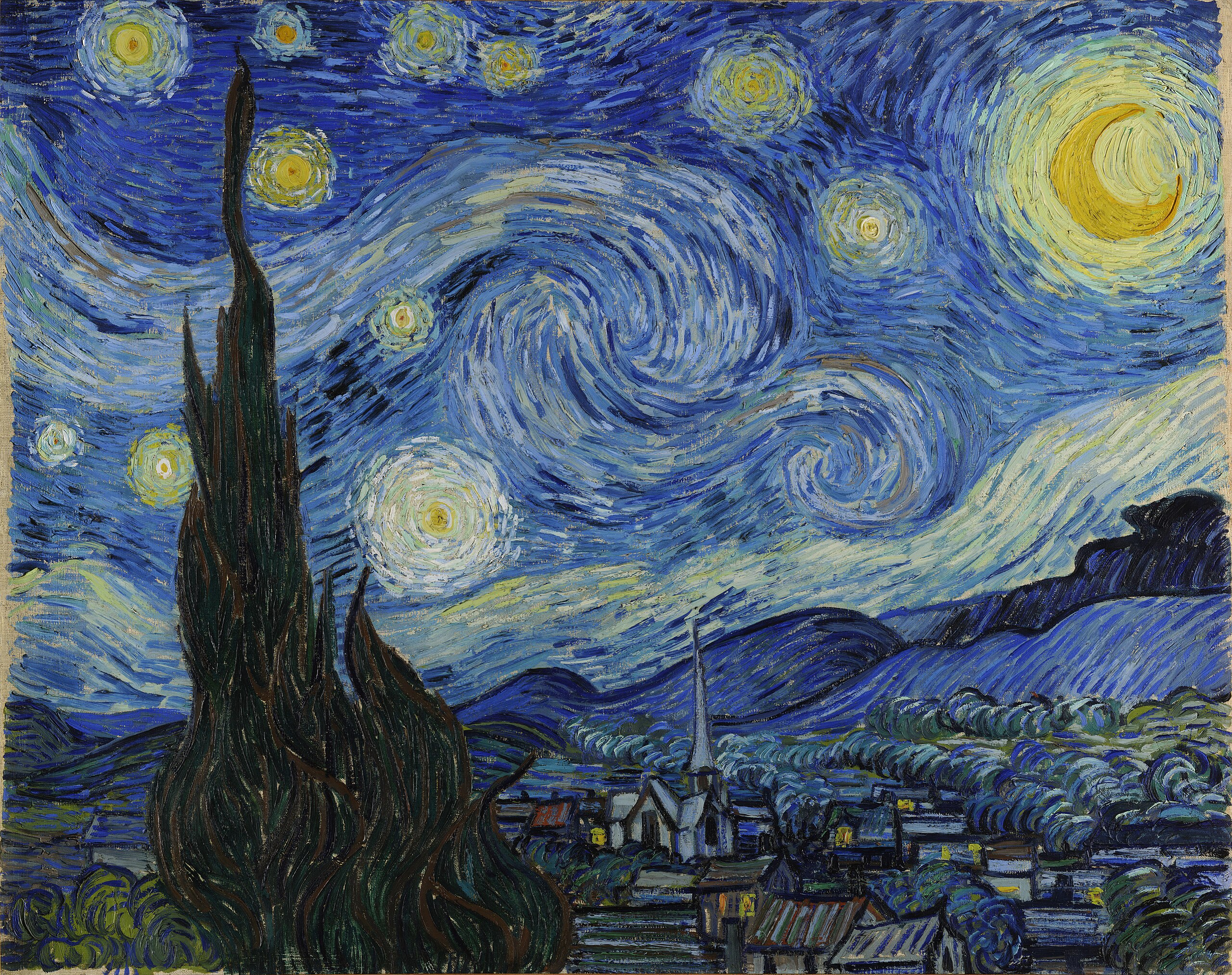
Starry Night
Vincent van Gogh
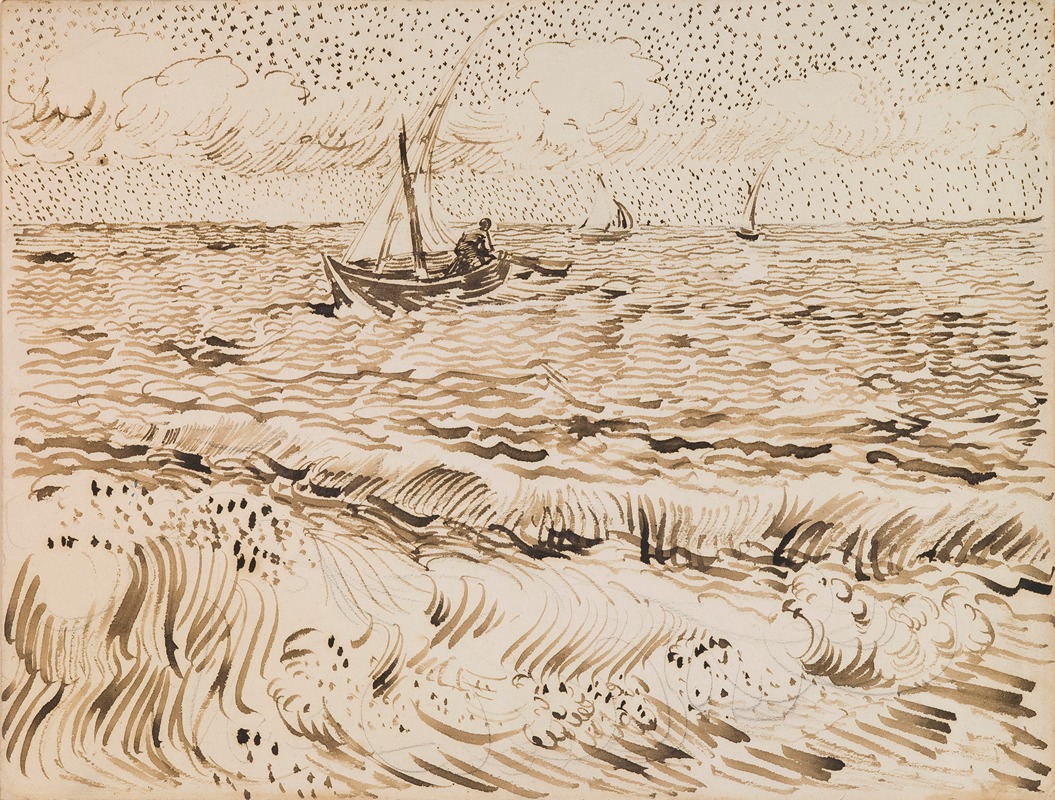
Fishing Boats at Saintes-Maries-de-la-Mer
Vincent van Gogh
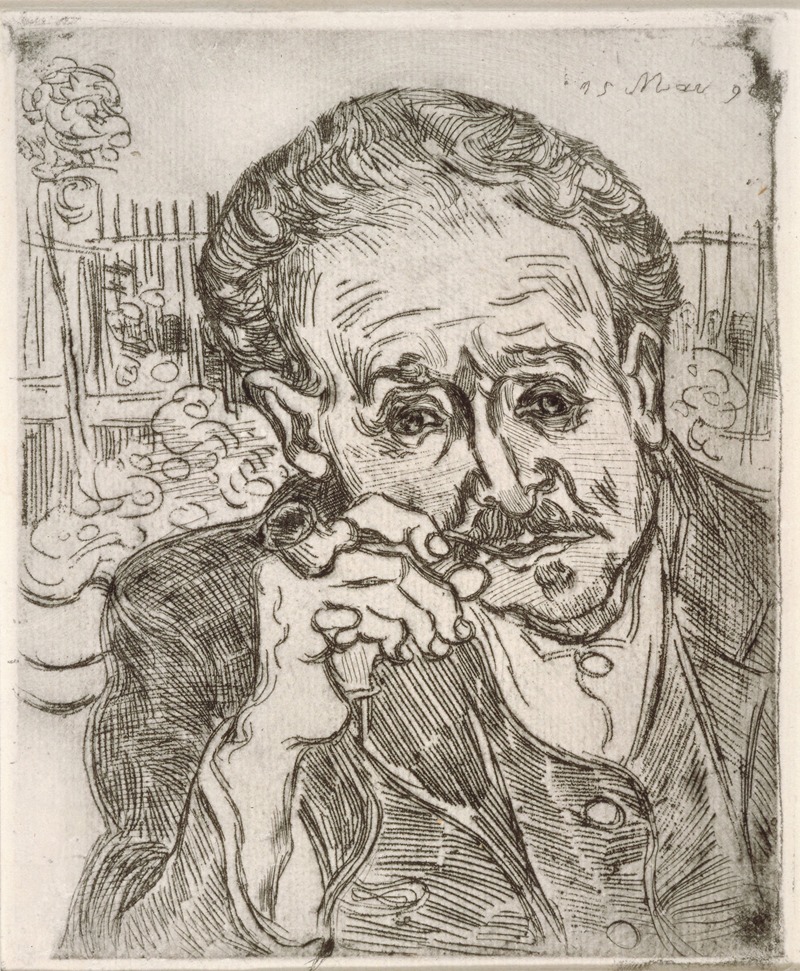
Portrait of Dr. Gachet (Auvers-sur-Oise)
Vincent van Gogh
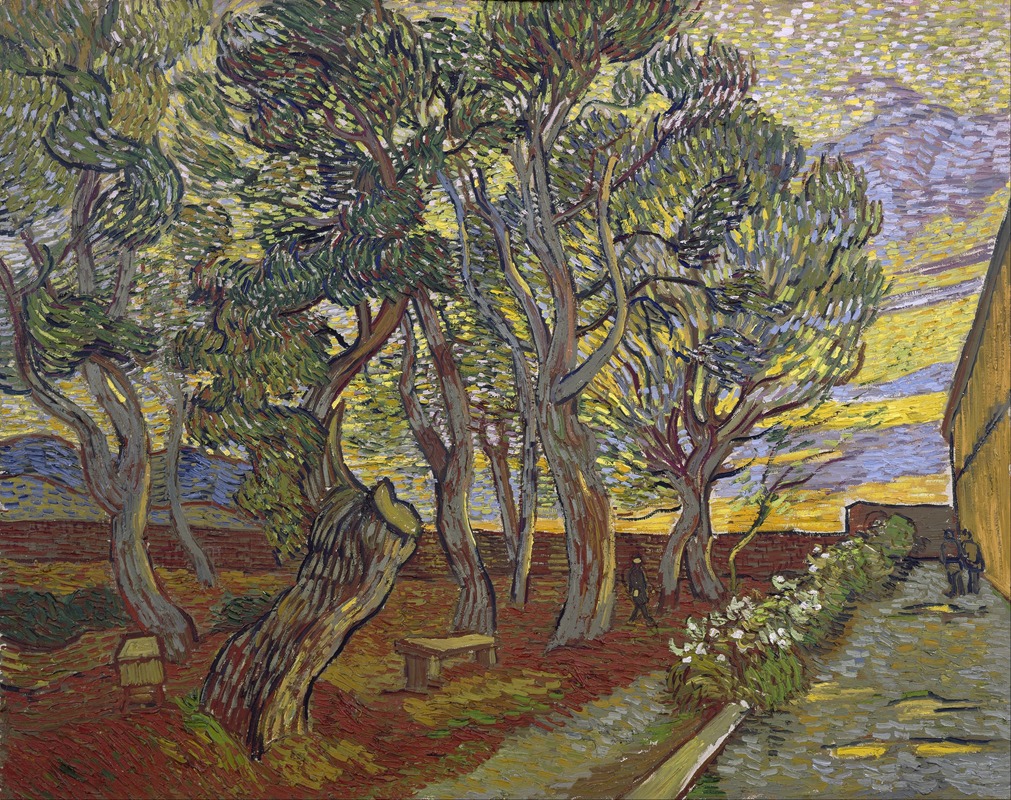
The garden of Saint Paul’s Hospital
Vincent van Gogh
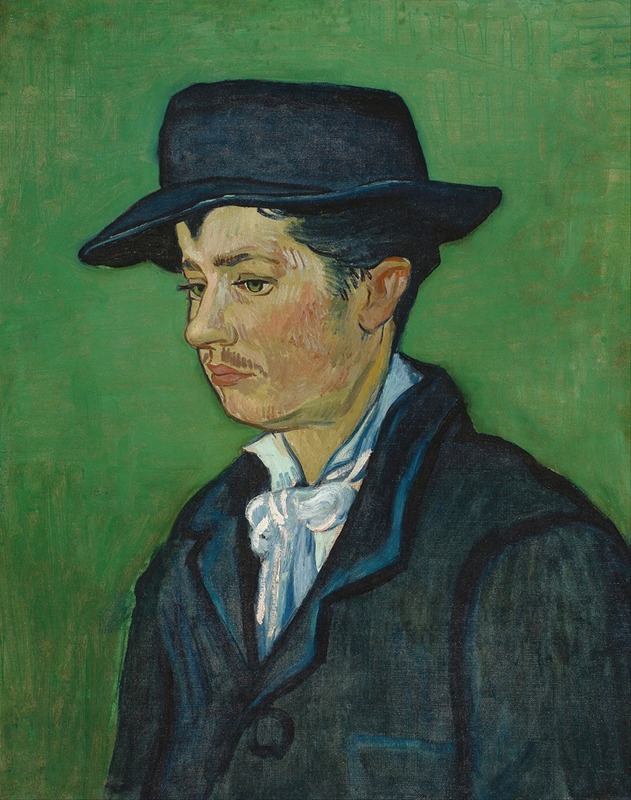
Portrait Of Armand Roulin
Vincent van Gogh
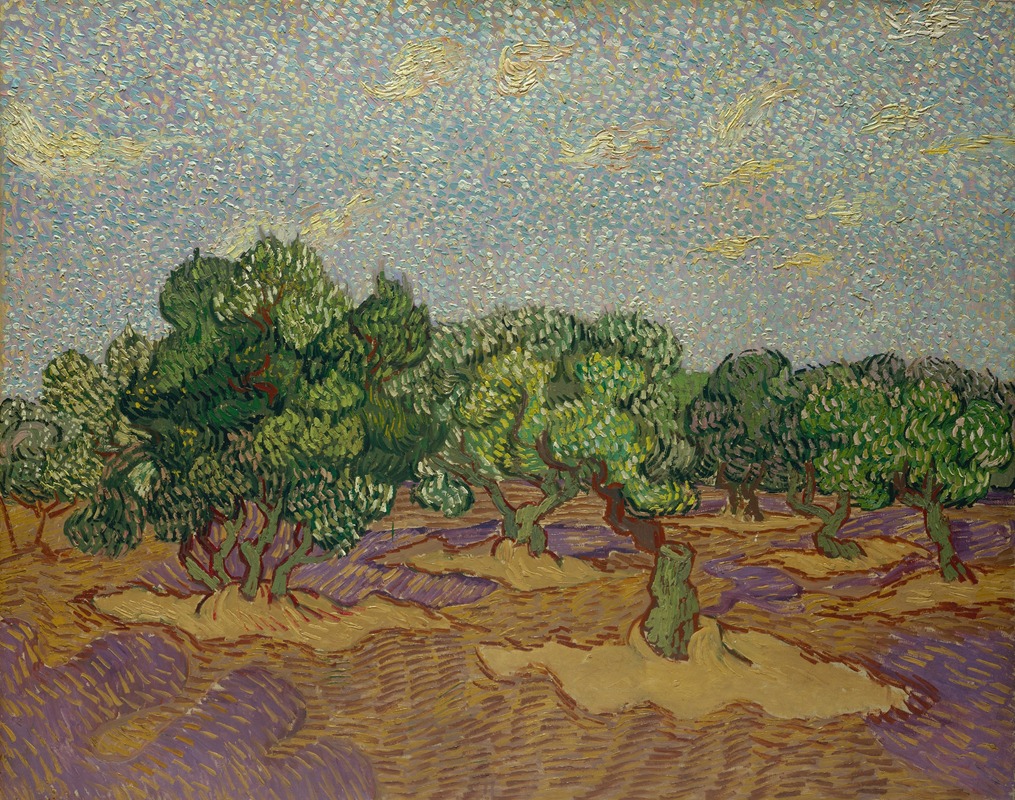
Olive Trees
Vincent van Gogh
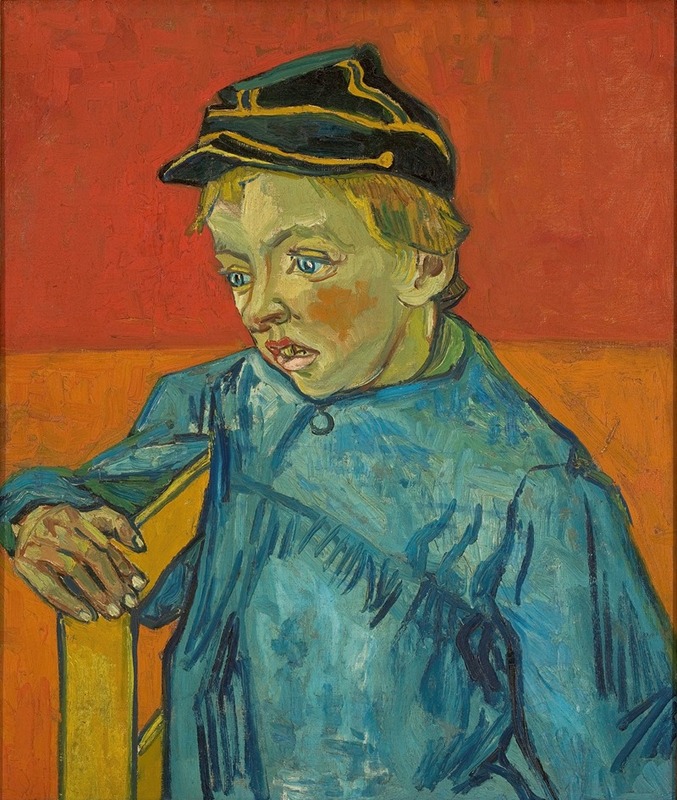
The Schoolboy (Camille Roulin)
Vincent van Gogh
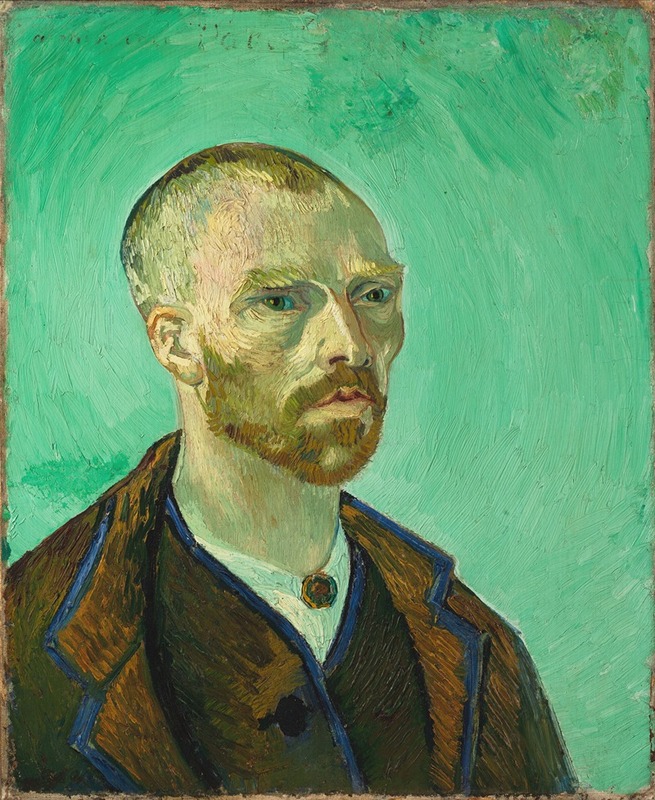
Self Portrait (dedicated to Paul Gauguin)
Vincent van Gogh
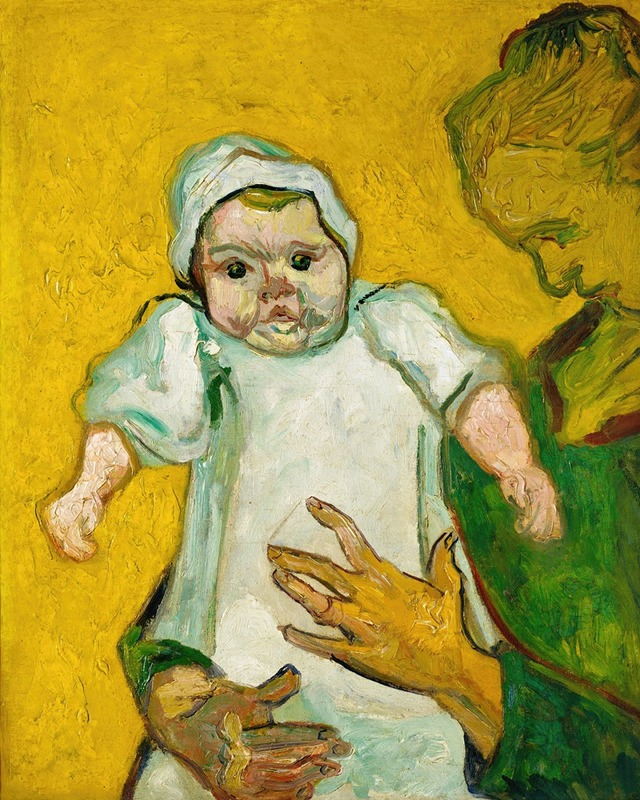
Madame Roulin and Her Baby
Vincent van Gogh
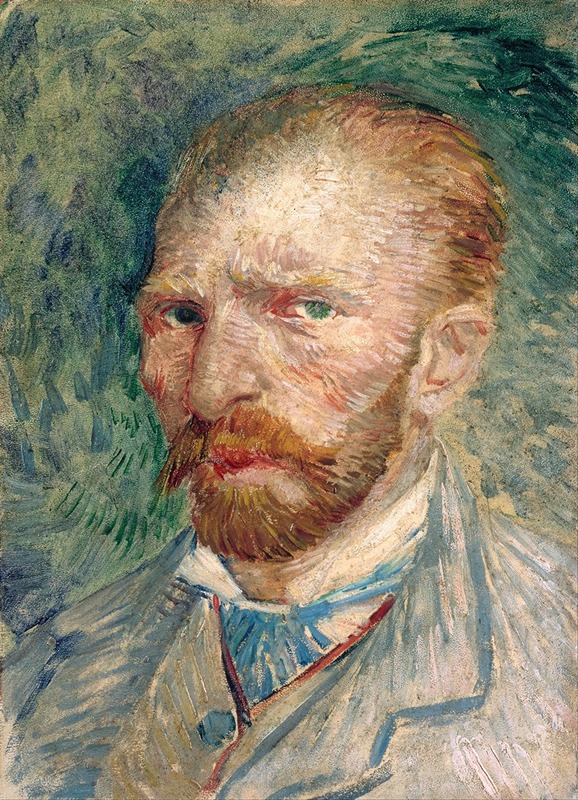
Self-Portrait
Vincent van Gogh