
The Small Bather — History & Facts
When The Small Bather was first exhibited at the Salon of 1826, critics were startled by its cool detachment and almost porcelain-like finish, which seemed to defy the warm sensuality expected of a nude. Jean Auguste Dominique Ingres had already caused a stir with his earlier Grande Odalisque, but here, he offered a new vision: a nude stripped of exotic trappings, presented with an almost clinical clarity. The painting’s precise contours and glassy surface led some to accuse Ingres of sacrificing nature for idealized form—a charge that would follow him throughout his career. The scene is intimate and serene: a young woman, her back to the viewer, sits at the edge of a bath, her skin rendered with a pearly smoothness that has become a hallmark of Ingres’s style.
Unlike the mythological or historical nudes of the past, this bather is anonymous, her identity concealed, inviting the viewer to contemplate form rather than story. The curve of her spine, the delicate twist of her neck, and the soft light that caresses her body all serve to emphasize the artist’s obsession with line and contour. In contrast to the more fleshy, naturalistic nudes of Titian or Rubens, Ingres offers a figure that is both abstracted and idealized, closer in spirit to the antique sculpture he so admired. The exact patron or original commissioner of The Small Bather is not clearly documented, but the work soon found admirers among collectors of the emerging Neoclassical movement.
Over the years, it has traveled through private hands and public collections, its reputation growing as appreciation for Ingres’s unique vision deepened. Today, the painting is recognized as a pivotal work in the artist’s development, marking his transition from student of the past to innovator whose influence would be felt by generations of modern artists. It now hangs in the Louvre, a testament to the enduring fascination of Ingres’s cool, enigmatic nude.
More Artworks by Jean Auguste Dominique Ingres
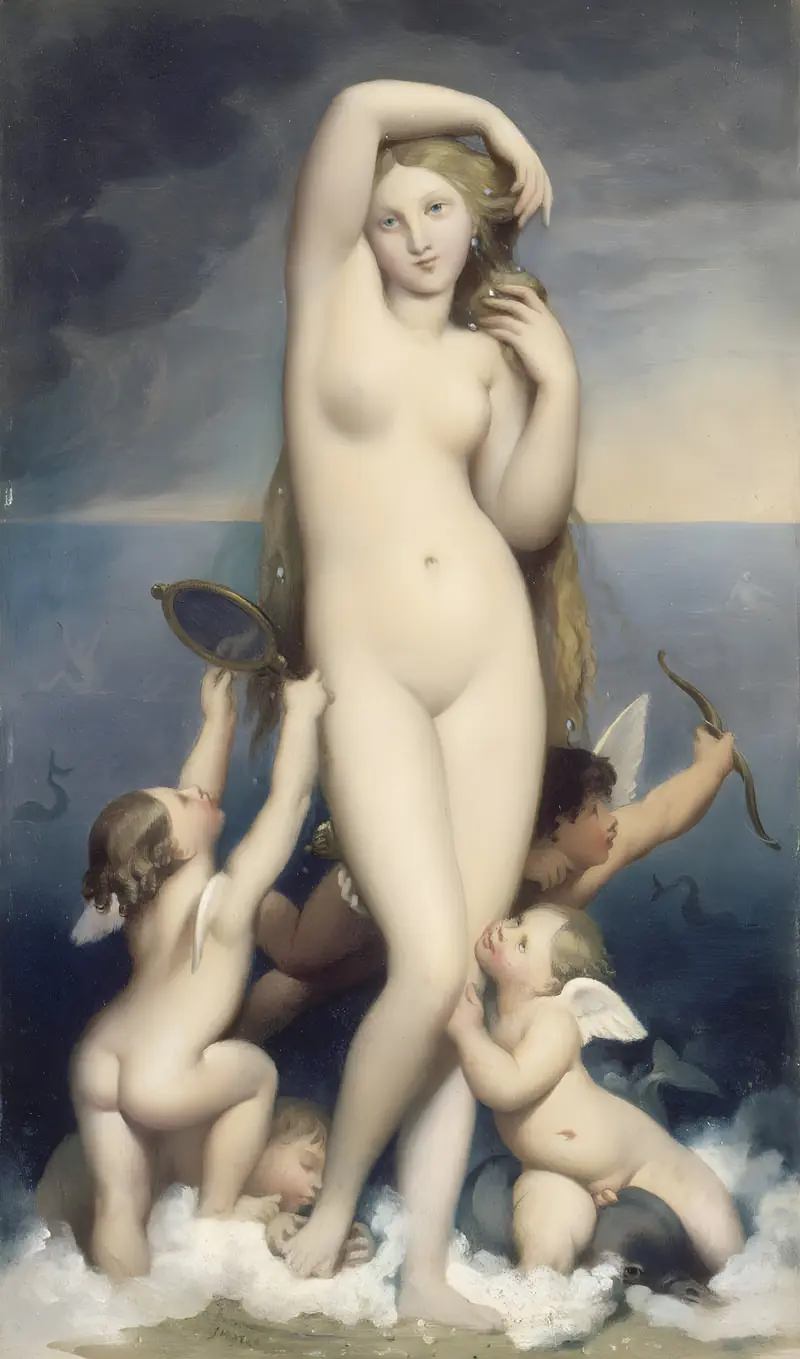
Vénus anadyomène
Jean Auguste Dominique Ingres
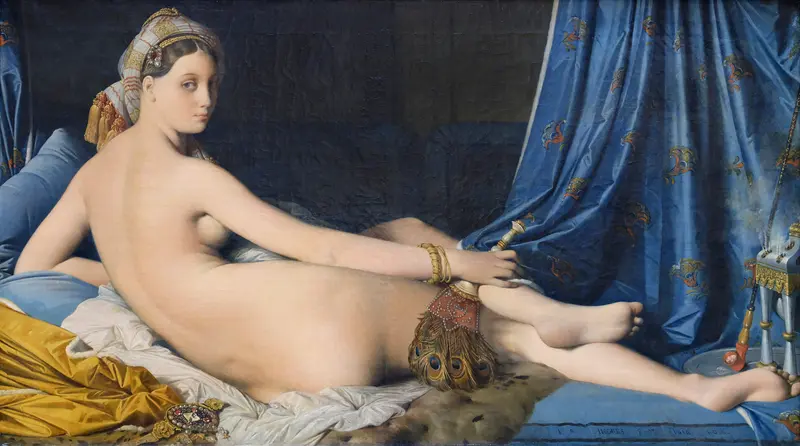
Grande Odalisque
Jean Auguste Dominique Ingres
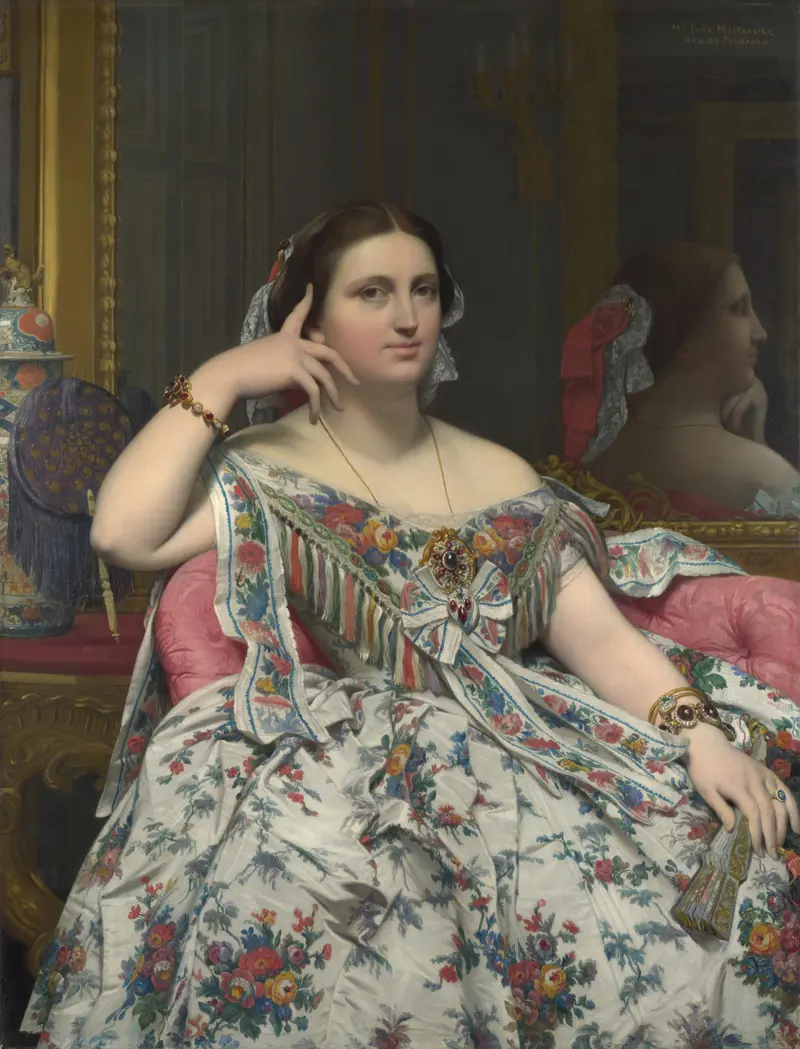
Madame Moitessier (seated)
Jean Auguste Dominique Ingres
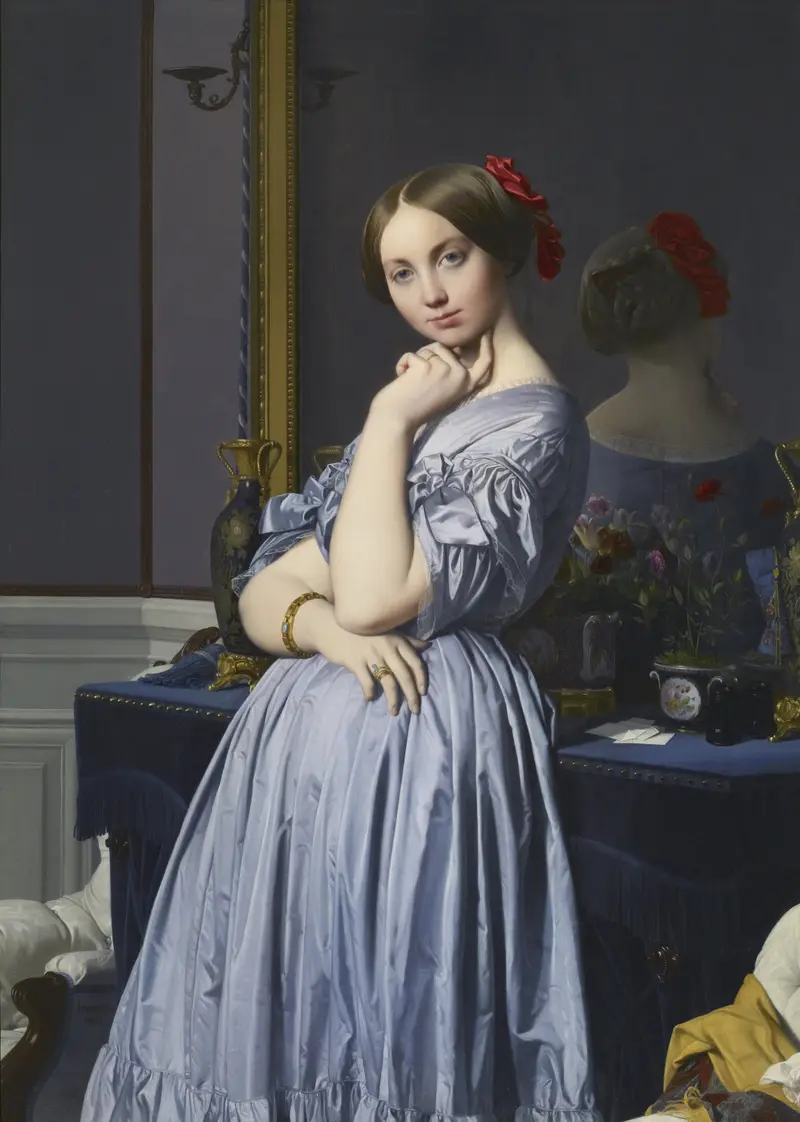
Portrait of Comtesse d’Haussonville
Jean Auguste Dominique Ingres
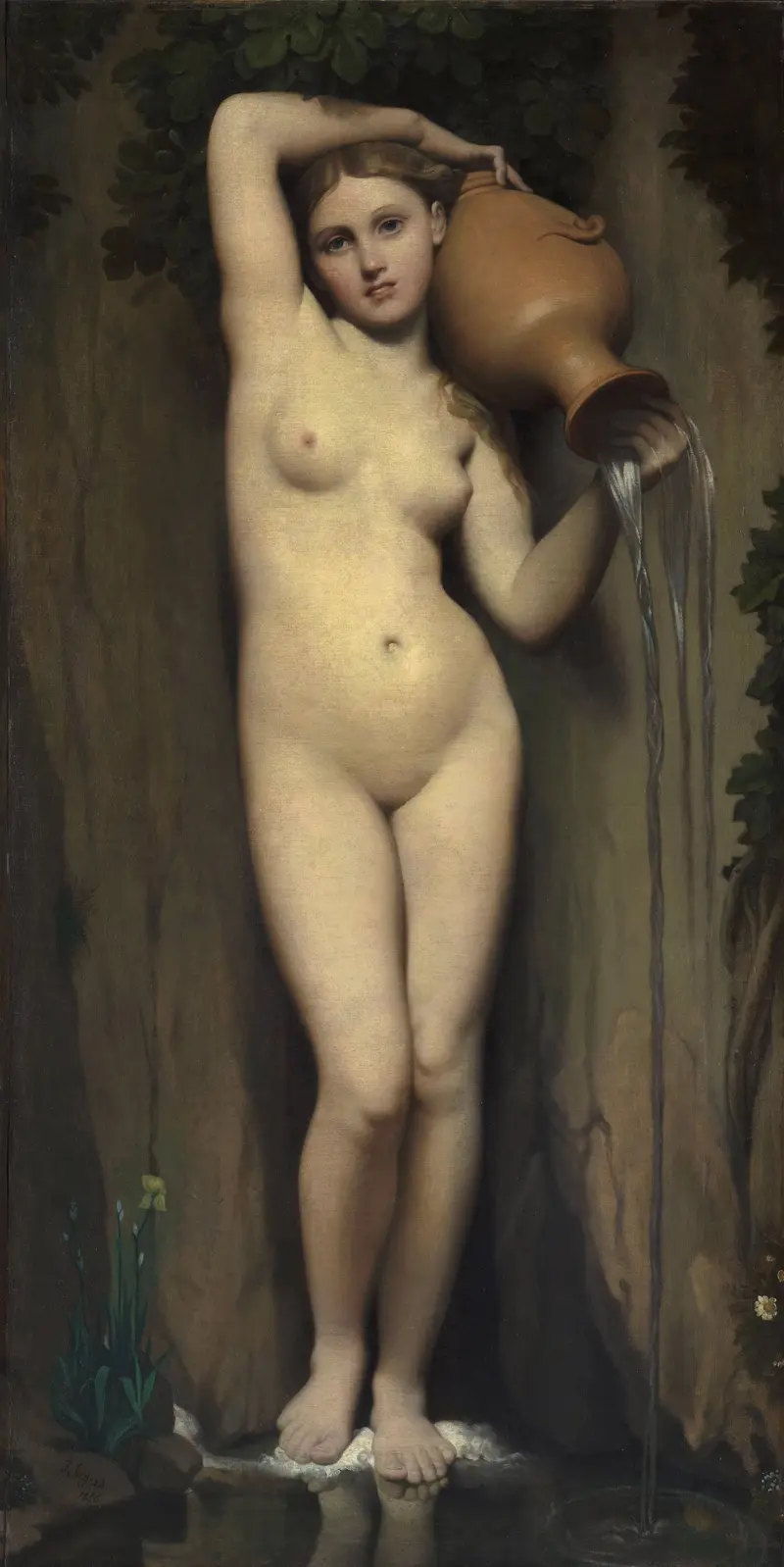
The Source
Jean Auguste Dominique Ingres
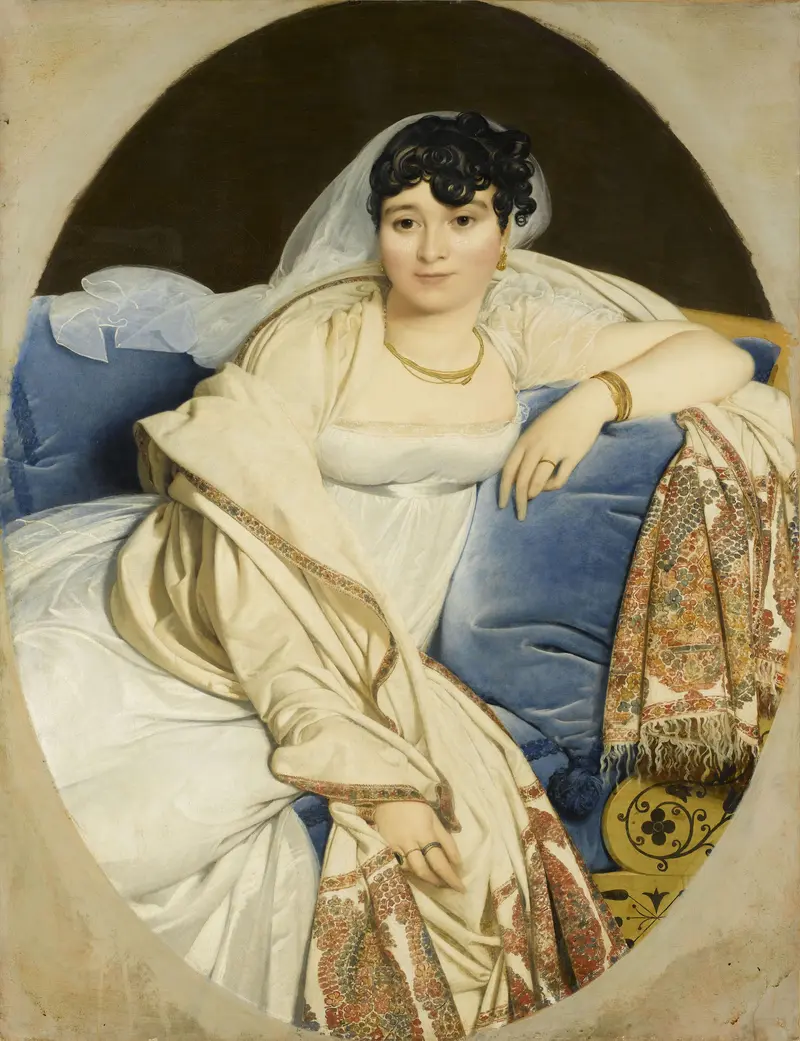
Madame Rivière
Jean Auguste Dominique Ingres

Madame Jean-Auguste-Dominique Ingres, née Madeleine Chapelle
Jean Auguste Dominique Ingres

Portrait of a Lady
Jean Auguste Dominique Ingres
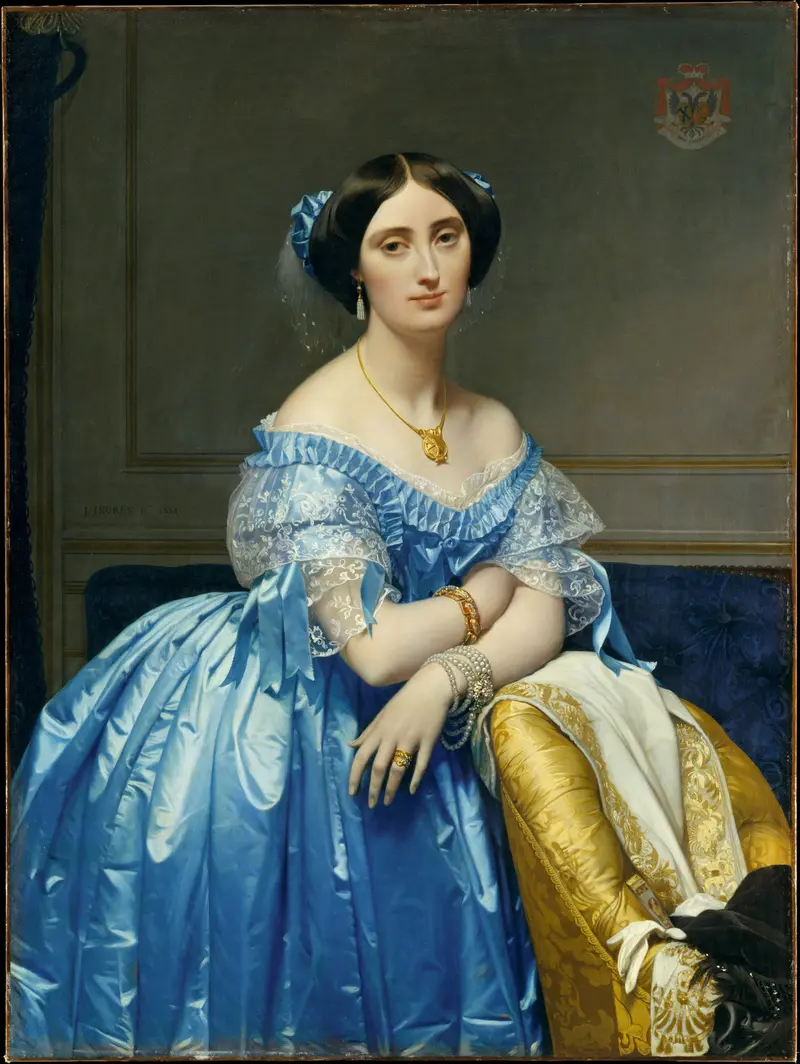
Joséphine-Éléonore-Marie-Pauline de Galard de Brassac de Béarn (1825–1860), Princesse de Broglie
Jean Auguste Dominique Ingres
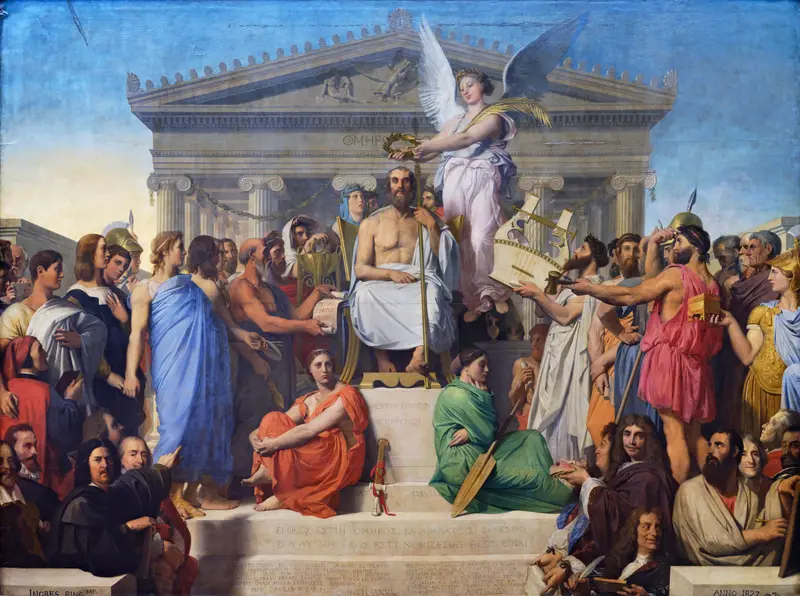
The Apotheosis of Homer
Jean Auguste Dominique Ingres



