
The Smithy — History & Facts
The Smithy by James Abbott McNeill Whistler presents a scene filled with earthy tones and dynamic movement. The central figure, a blacksmith, is depicted in action, hammering metal with focused intensity. Surrounding him are tools of the trade and the glowing forge, creating a warm atmosphere.
The play of light and shadow adds depth to the composition, emphasizing the physicality of the work being done. This painting is executed in oil on canvas, a medium that allows for rich color and texture. Whistler's technique showcases his ability to capture the details of the blacksmith's environment, from the tools to the forge's glow. The dimensions are approximately 60 x 80 cm, making it a medium-sized work that invites viewers to engage closely.
The realism in the portrayal reflects Whistler's commitment to depicting everyday life. James Abbott McNeill Whistler was known for his innovative approach to art, often blending genres and styles. The Smithy is an example of his early work that captures the essence of labor and craftsmanship. Interestingly, this painting reflects the influence of the Realist movement, which aimed to portray ordinary scenes without idealization.
Whistler's focus on the blacksmith's labor highlights the dignity of work and the skill involved in such trades.
More Artworks by James Abbott McNeill Whistler
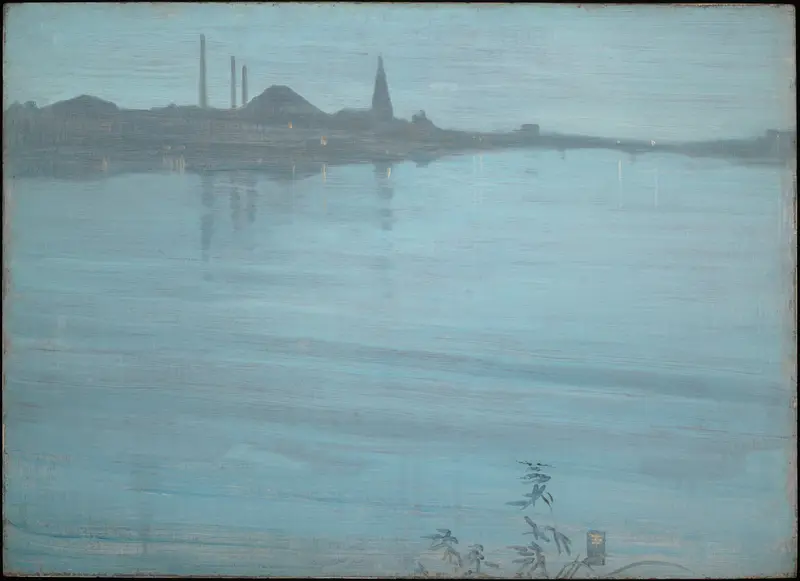
Nocturne in Blue and Silver
James Abbott McNeill Whistler

Nocturne
James Abbott McNeill Whistler
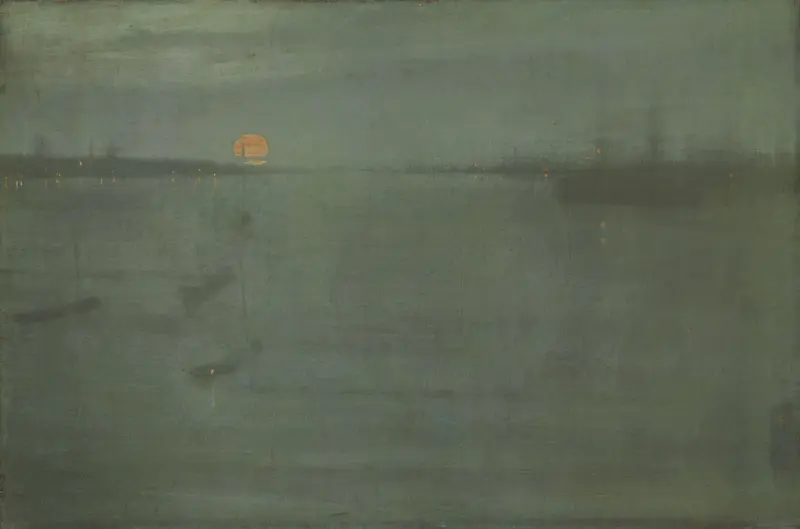
Nocturne: Blue and Gold–Southampton Water
James Abbott McNeill Whistler
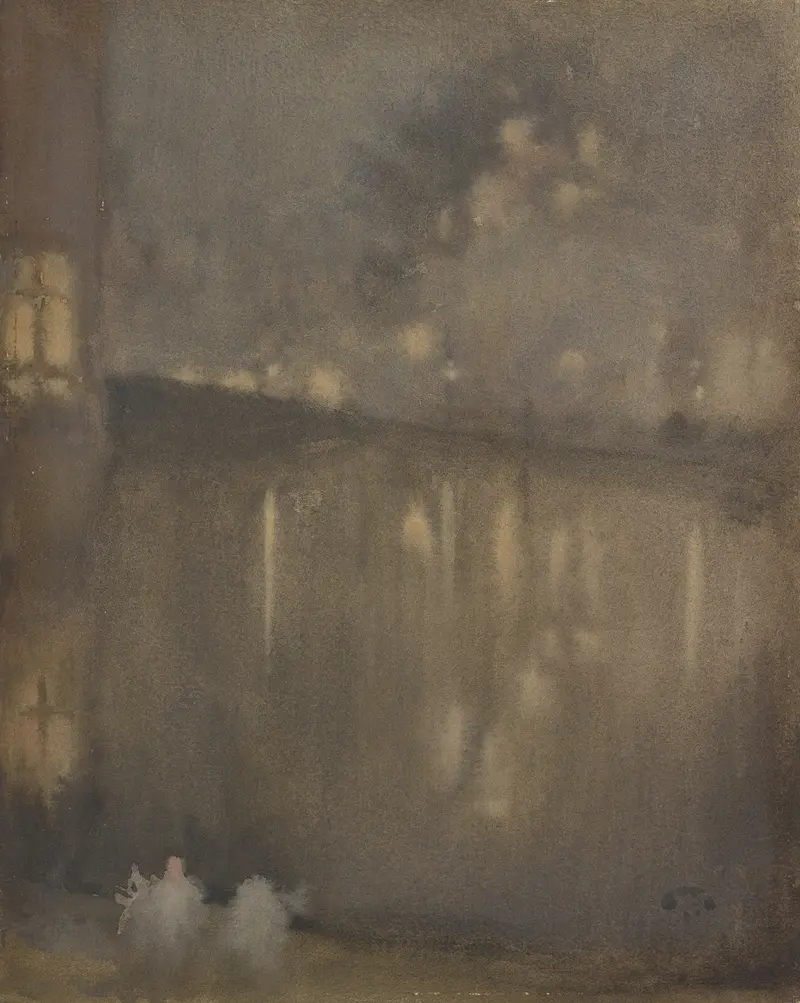
Nocturne: Grey and Gold–Canal, Holland
James Abbott McNeill Whistler
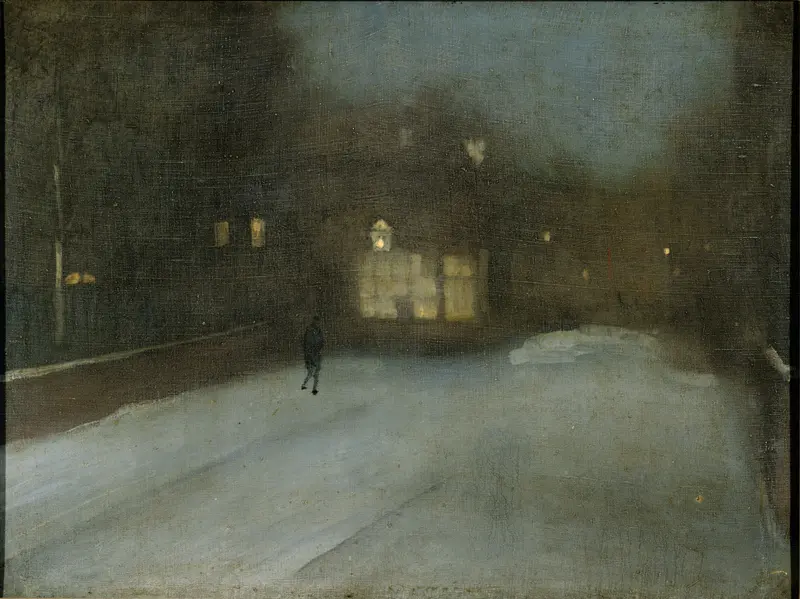
Nocturne in Grey and Gold: Chelsea Snow
James Abbott McNeill Whistler
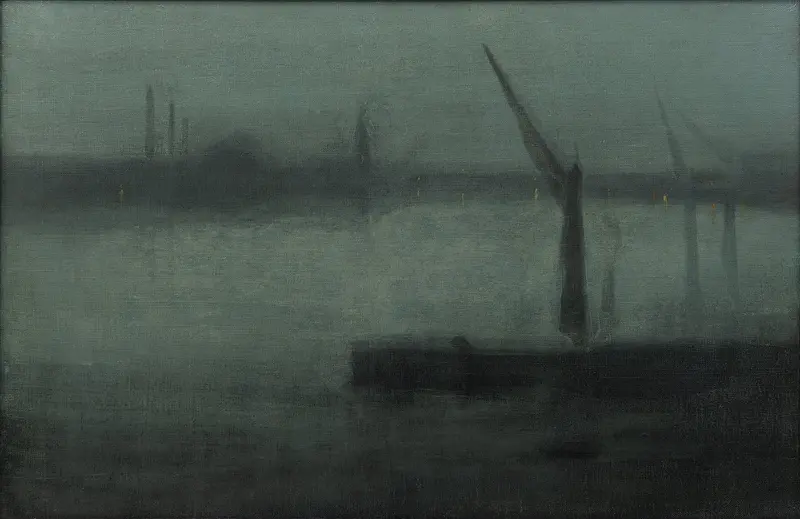
Nocturne: Blue and Silver–Battersea Reach
James Abbott McNeill Whistler
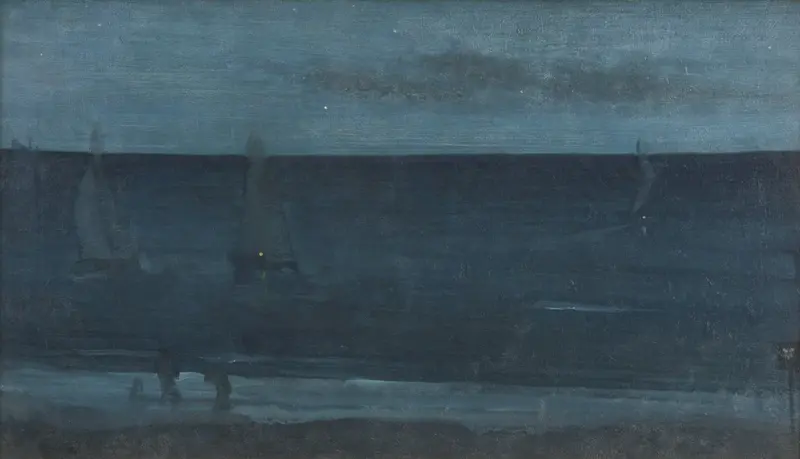
Nocturne: Blue and Silver–Bognor
James Abbott McNeill Whistler

Old Battersea Bridge
James Abbott McNeill Whistler
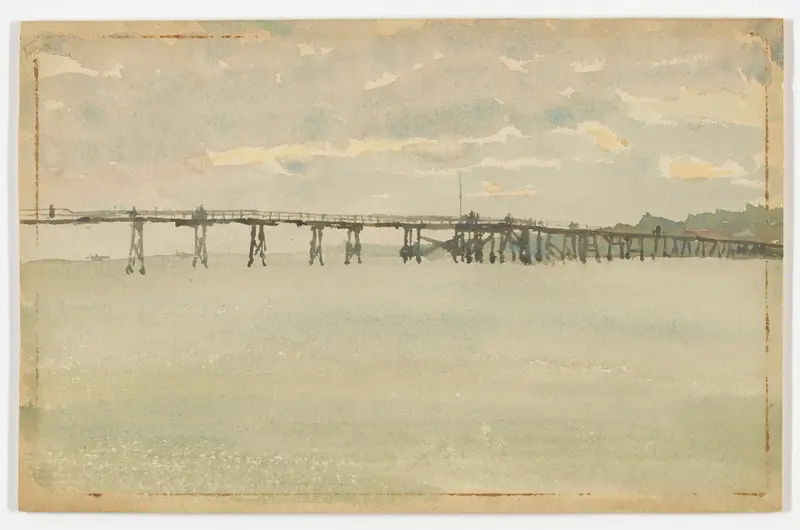
Grey and Silver–Pier, Southend
James Abbott McNeill Whistler
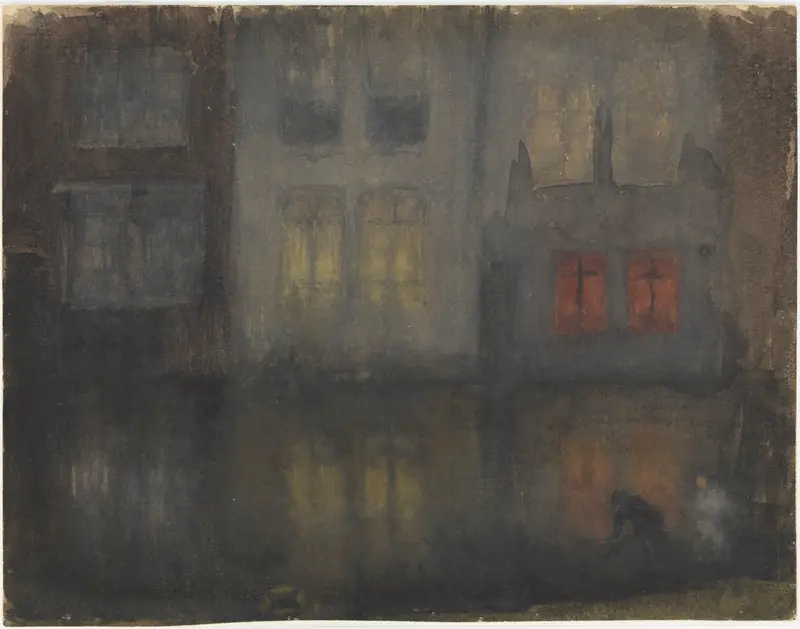
Nocturne: Black and Red—Back Canal, Holland
James Abbott McNeill Whistler
More Genre Scene Art

Banquet of the Officers of the St George Civic Guard
Frans Hals

Rembrandt and Saskia in the Scene of the Prodigal Son
Rembrandt van Rijn

Bal du moulin de la Galette
Pierre-Auguste Renoir

Quadrille at the Moulin Rouge
Henri de Toulouse-Lautrec

A Burial at Ornans
Gustave Courbet

When Will You Marry?
Paul Gauguin