
The Spring (La Source) — History & Facts
What first catches the eye in The Spring (La Source) is the sense of ease and freshness that radiates from the young woman, her gaze direct and untroubled, her skin glowing against the muted greens and browns of a watery landscape. The artist, Jean-Marc Nattier, has set her half-submerged, one shoulder bare, with a string of pearls slipping down her arm—each detail inviting the viewer to linger. The overturned urn, water spilling gently from its mouth, is no mere prop: it signals the classical allegory of a spring or source, a motif that turns the sitter into something more than a portrait.
Light glances across the folds of her chemise, pooling on her cheek and collarbone, guiding the eye from her serene face to the cool, flowing water below. Painted in 1738, this work belongs to a moment in French art when allegory and portraiture often mingled, serving both the ambitions of patrons and the tastes of a market hungry for beauty and wit. While history once tried to pin a grand name to this sitter, the truth is more elusive: the painting was likely created for the open market, its identity and destination unrecorded. Such images—half goddess, half contemporary—were prized in the Rococo era, when artists like Nattier transformed living models into nymphs, muses, or seasons.
The sitter’s identity may be lost, but the painting’s allure remains, inviting us to wonder whose likeness once played at being the spirit of spring.
More Artworks by Jean-Marc Nattier

Madame Crozat de Thiers and Her Daughter
Jean-Marc Nattier
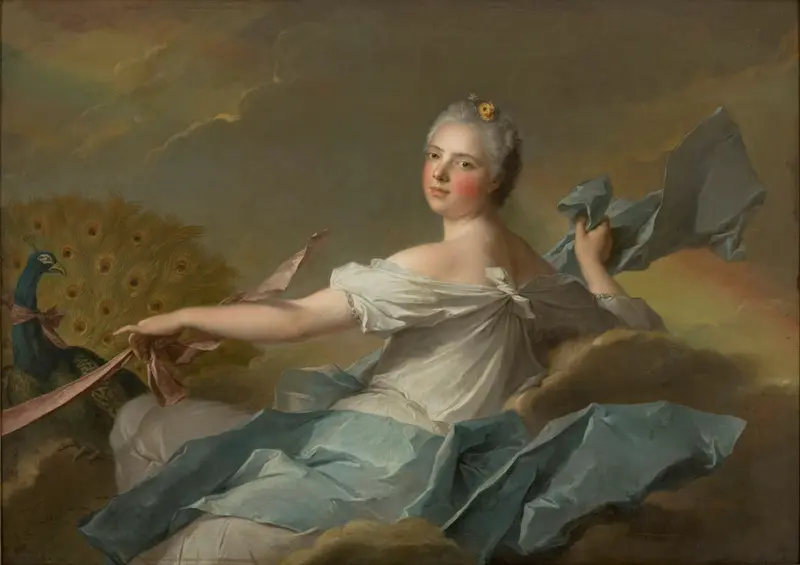
Princess Marie Adélaïde of France - The Air
Jean-Marc Nattier
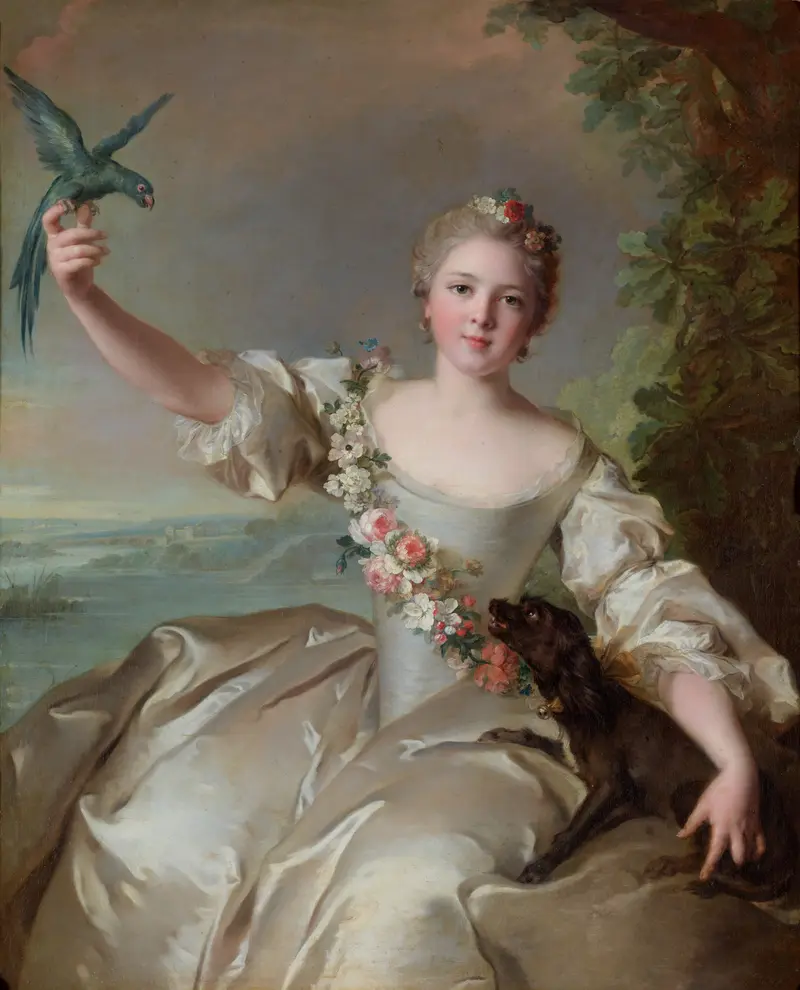
Portrait de Mathilde de Canisy, marquise d'Antin
Jean-Marc Nattier
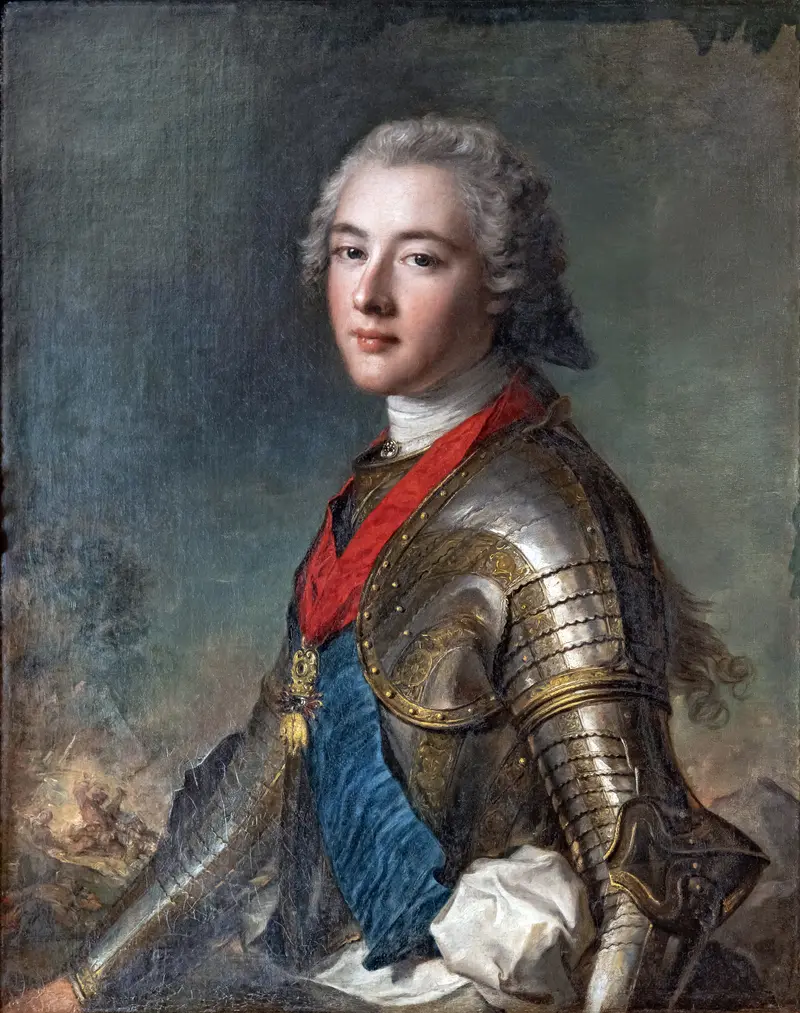
Bemberg Fondation Toulouse - Portrait de Louis Jean Marie de Bourbon, Duc de Penthièvre - Jean Marc Nattier inv.1158 82x65.4
Jean-Marc Nattier
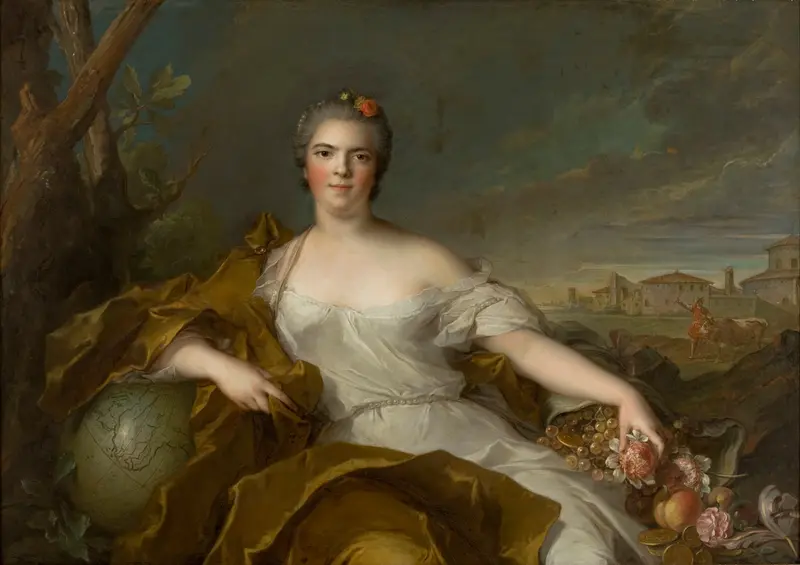
Princess Louise-Élisabeth of France - The Earth
Jean-Marc Nattier
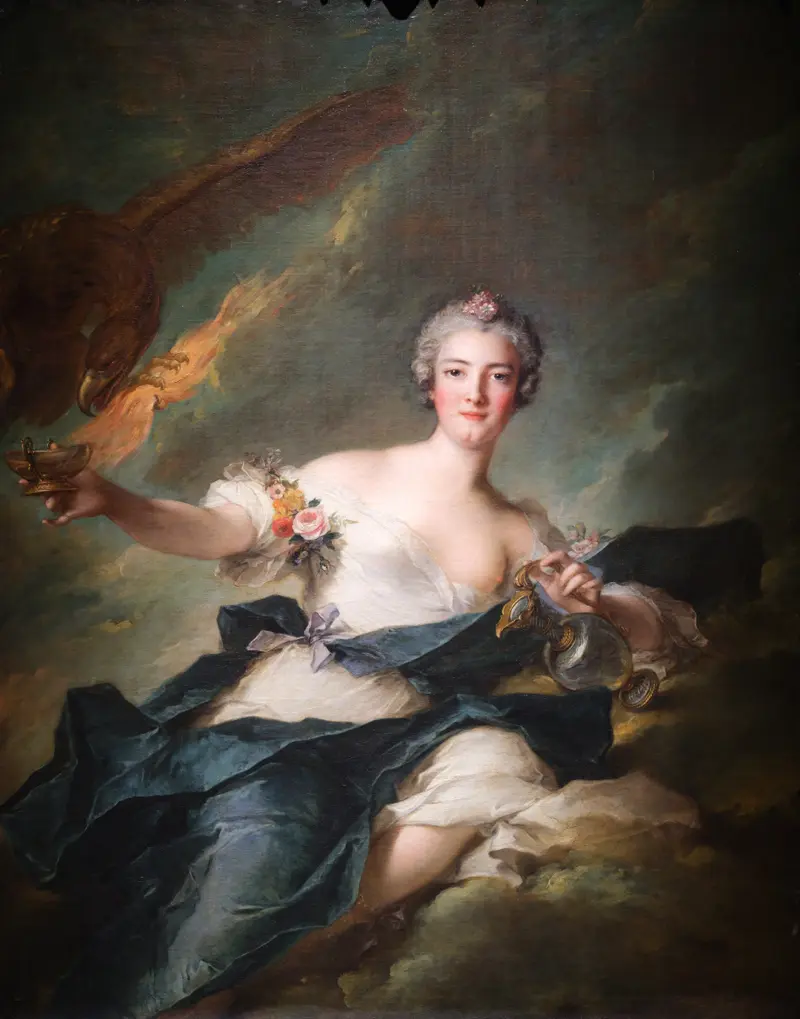
The Duchess of Chaulnes Represented as Hebe
Jean-Marc Nattier
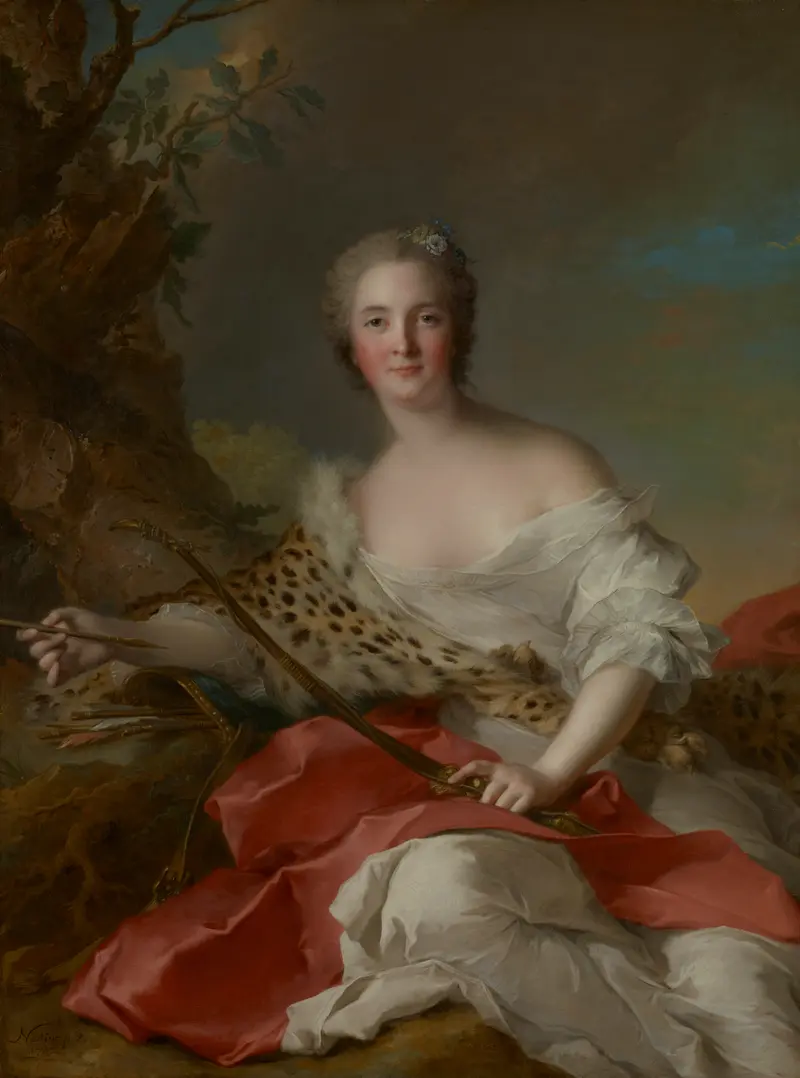
Portrait of Madame Bonnier de la Mosson as Diana (Constance-Gabrielle-Magdeleine du Monciel de Lauraille
Jean-Marc Nattier
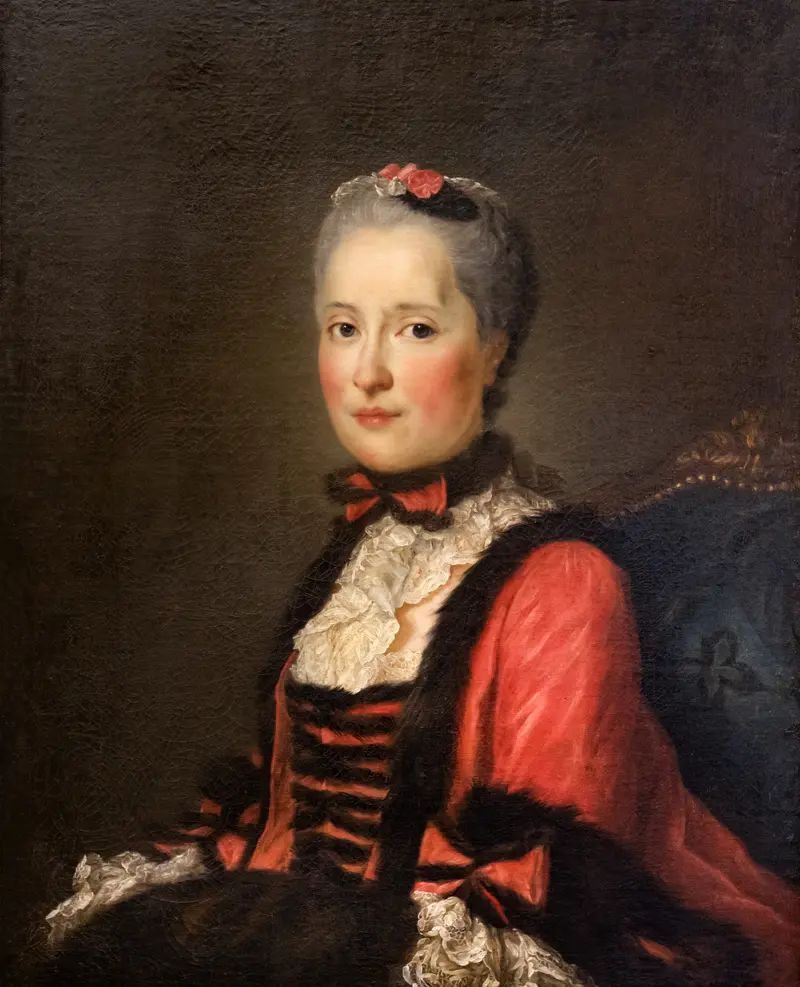
Portrait of Marie-Josephe of Saxony, Dauphine of France
Jean-Marc Nattier
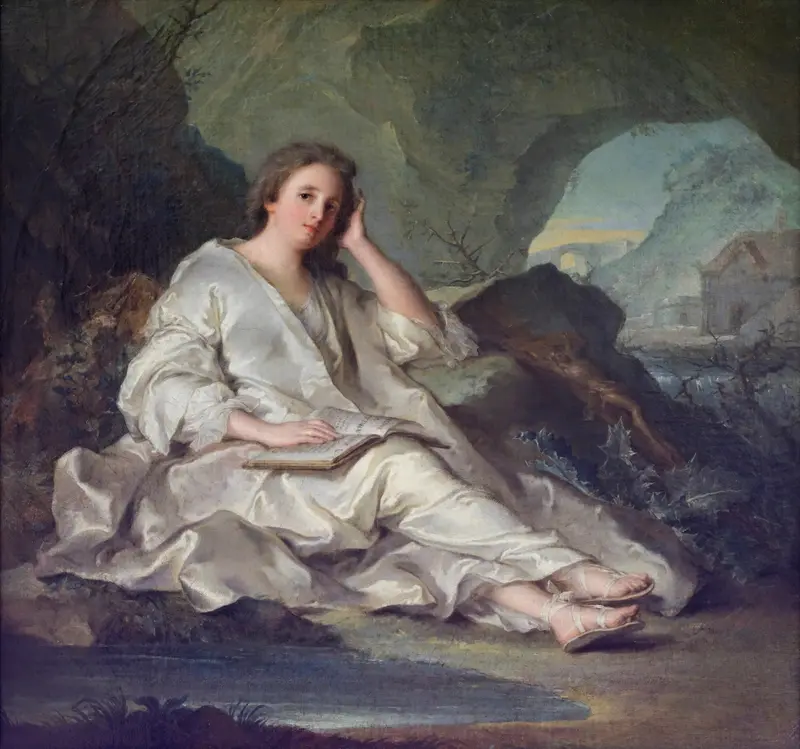
La Madeleine, ou Une Pénitente dans le désert Musée du Louvre Peintures INV 6880 ; MR
Jean-Marc Nattier
Princess Anne-Henriette of France - The Fire
Jean-Marc Nattier





