
The temptation of St Anthony — History & Facts
A feverish jumble of faces, masks, and grotesque creatures presses in from every side, trapping the viewer in the same claustrophobic nightmare as the lone, huddled figure at the center. The light, flickering and uncertain, catches on a skull, a jug, and the wild eyes of demons that seem half-human, half-animal—each detail calculated to unsettle. A child recoils in terror while a green-clawed imp capers nearby, and a piper, his expression sly, pipes a tune that is surely no comfort.
The cave-like darkness closes in, making the few patches of light all the more precious and precarious, as if hope itself is under siege. Every gesture here is exaggerated, every face a mask of mockery or horror, drawing the eye in a restless circuit from one fiendish detail to the next. Painted in 1633, The temptation of St Anthony belongs to a long tradition of Northern European fascination with the theme of spiritual trial and demonic assault—subjects that allowed artists to unleash their wildest inventions. In the world of Adriaen Brouwer, the grotesque and the comic often collide, reflecting both the anxieties and the earthy humor of the age.
Such paintings were prized by collectors who delighted in the bizarre and the moralizing, a taste sharpened by the uncertainties of the early seventeenth century. Today, this work resides in the Staatliche Museen zu Berlin, a testament to the enduring power of the fantastic to both disturb and amuse. Let your gaze linger, and see what new monsters emerge from the shadows.
More Artworks by Adriaen Brouwer

The Smokers
Adriaen Brouwer
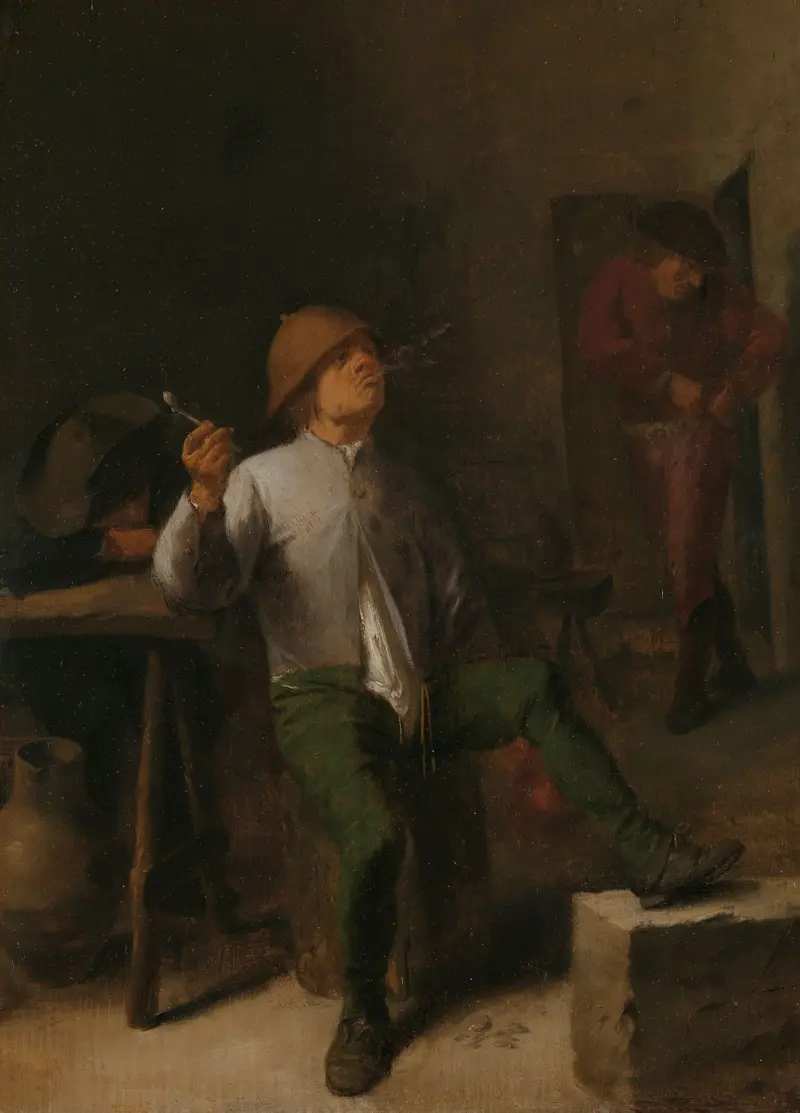
The Smoker
Adriaen Brouwer
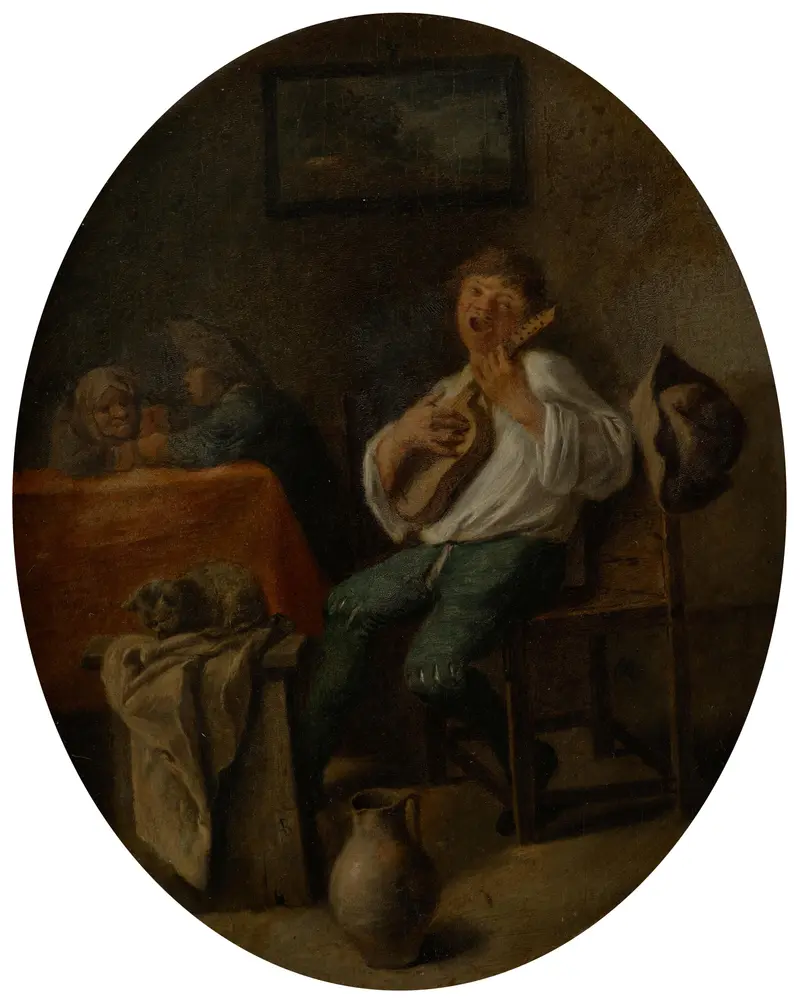
The Guitar Player
Adriaen Brouwer
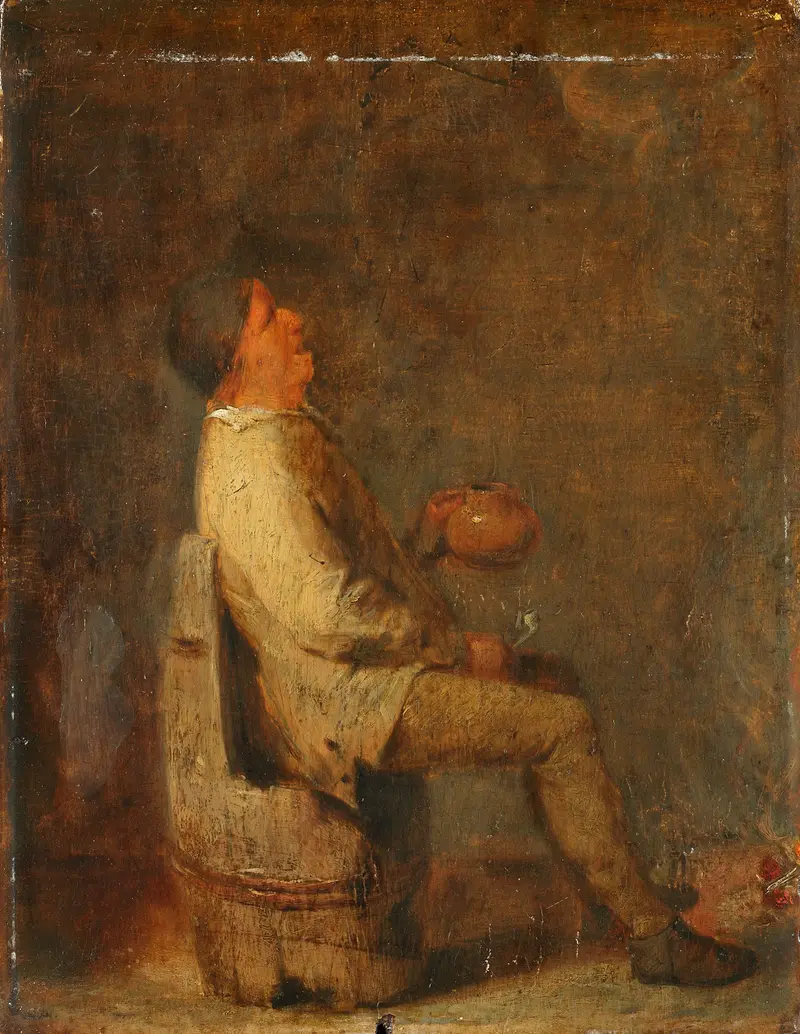
A Peasant Singing
Adriaen Brouwer
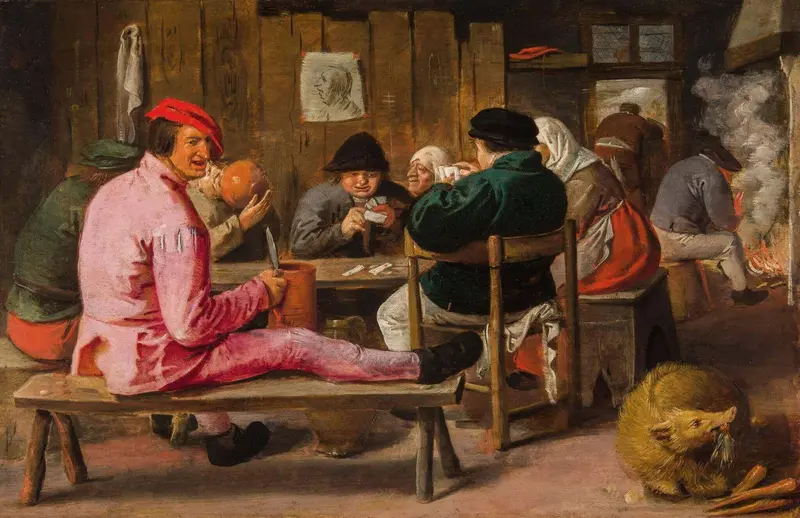
Merry Peasants in an Inn
Adriaen Brouwer
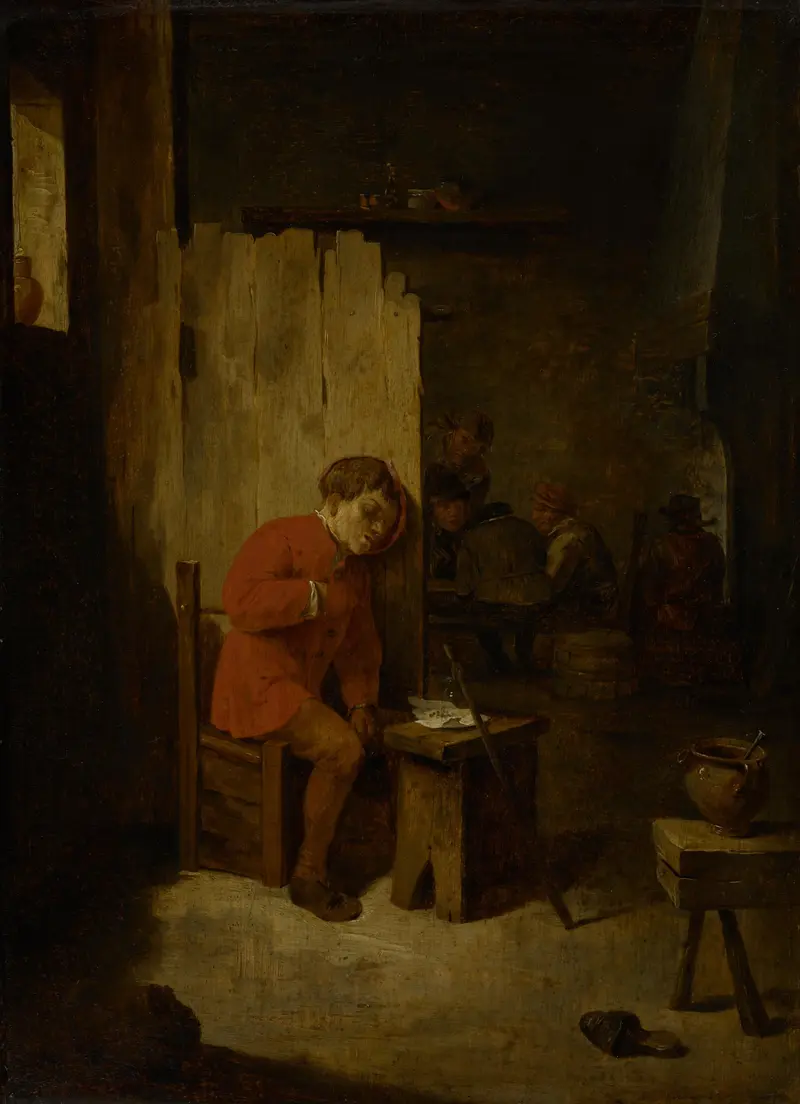
Nachahmer, Schlafender Bauer 853G Gemäldegalerie
Adriaen Brouwer
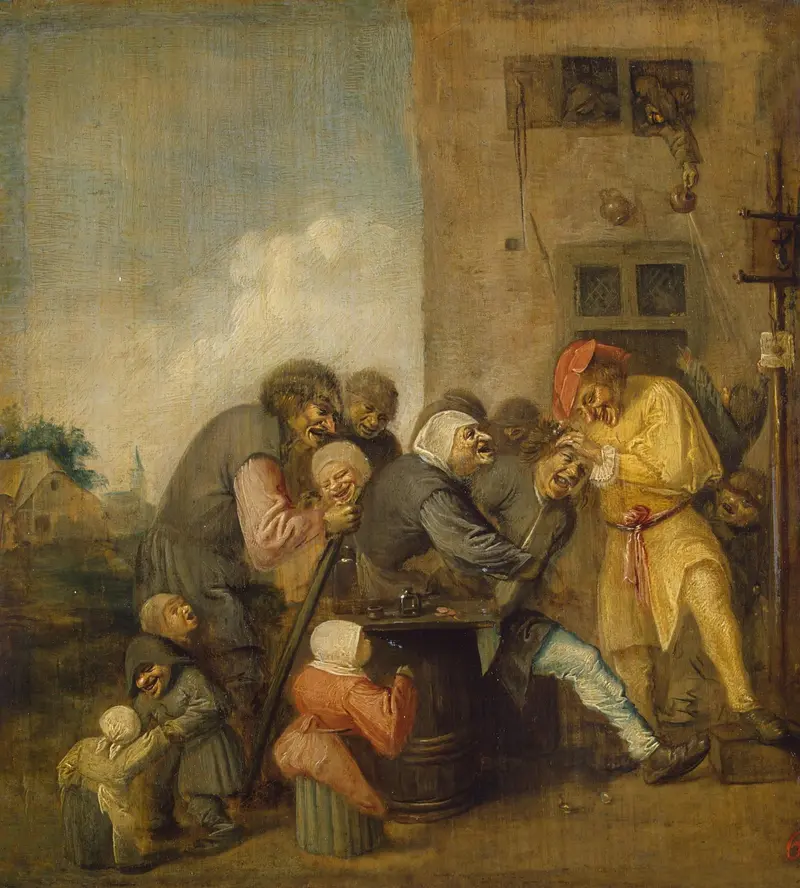
Village Charlatan (The Operation for Stone in the Head)
Adriaen Brouwer
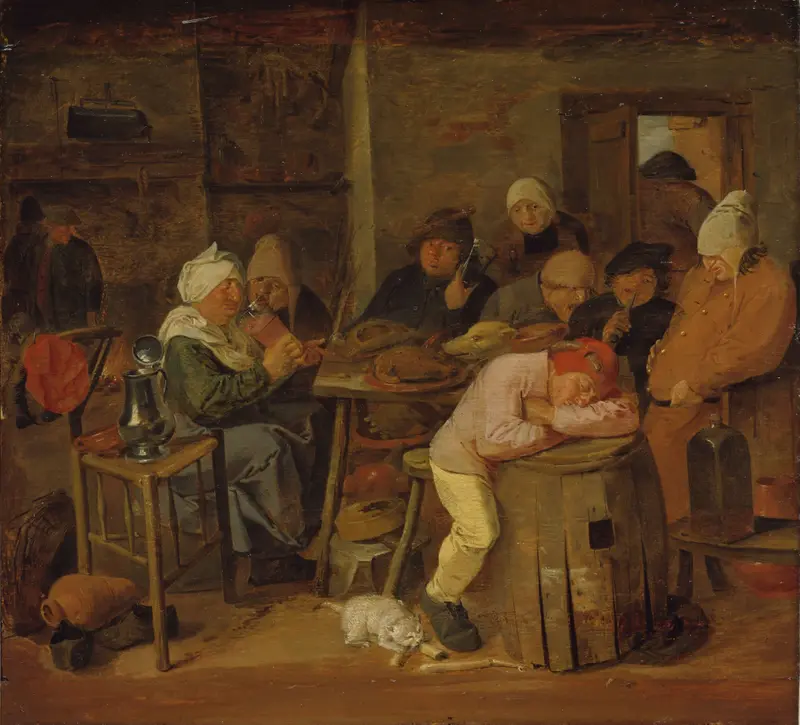
Peasants in an interior (The slaughter feast)
Adriaen Brouwer
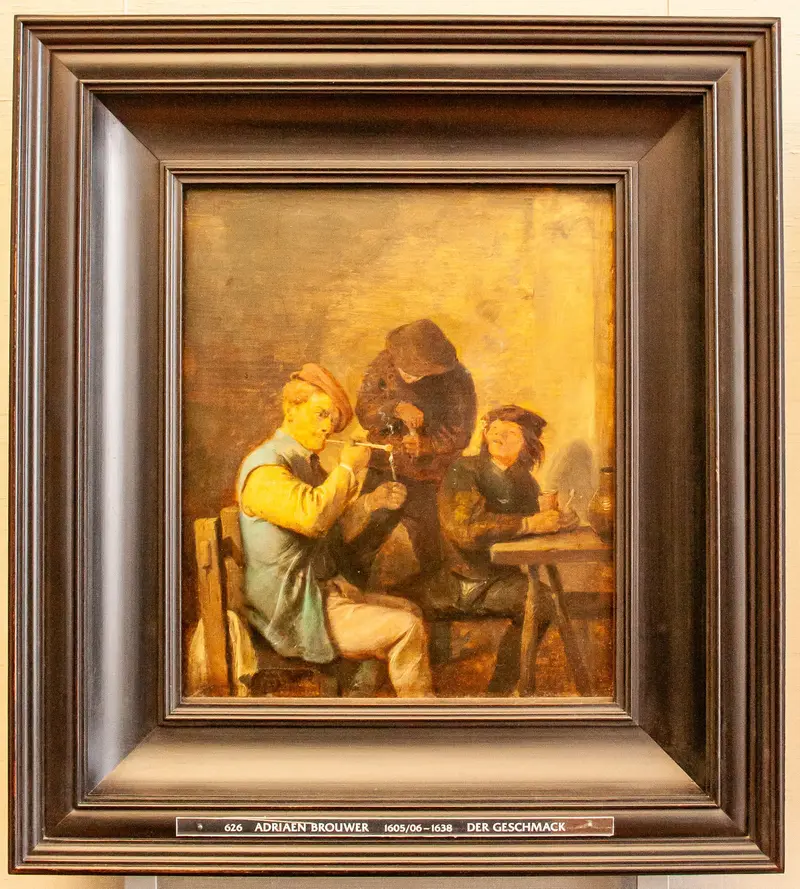
The Taste
Adriaen Brouwer
A Fair
Adriaen Brouwer





