
The Tobacco Inn — History & Facts
What draws the eye first in The Tobacco Inn is the sense of rowdy camaraderie, as if the viewer has stumbled into a moment of laughter and smoke thickening the air. Five figures crowd around a battered table, their faces flushed and animated, each absorbed in the pleasures of pipe and drink. The central figure, caught mid-gesture as he leans forward, seems to invite us into their circle, his gaze direct and knowing.
Light falls unevenly, picking out the gleam of pewter, the crumple of linen, the shine of a glass jug on the floor—details that speak to the tactile pleasures of the scene. The palette is earthy and subdued, drawing out the warmth of rough wood and worn clothing, while the clutter of pipes, crumbs, and debris underfoot hints at an evening well underway. This painting belongs to the world of 1630s Dutch and Flemish genre scenes, when artists like Adriaen Brouwer found their subjects not in palaces or churches, but in the smoky interiors of taverns and inns. Such works were rarely grand commissions; instead, they were snapped up by a new class of urban collectors who delighted in scenes of everyday vice and humor.
The Frans Hals Museum, which now houses this work, preserves the spirit of that era—one where painters relished the chance to capture life unvarnished, with all its noise and mess. Little is recorded about the journey of this particular painting, but its rough charm and sharp observation are signature marks of Brouwer’s hand. Look again at the faces: each one a study in character, each gesture a fragment of a larger, unseen story.
More Artworks by Adriaen Brouwer

The Smokers
Adriaen Brouwer
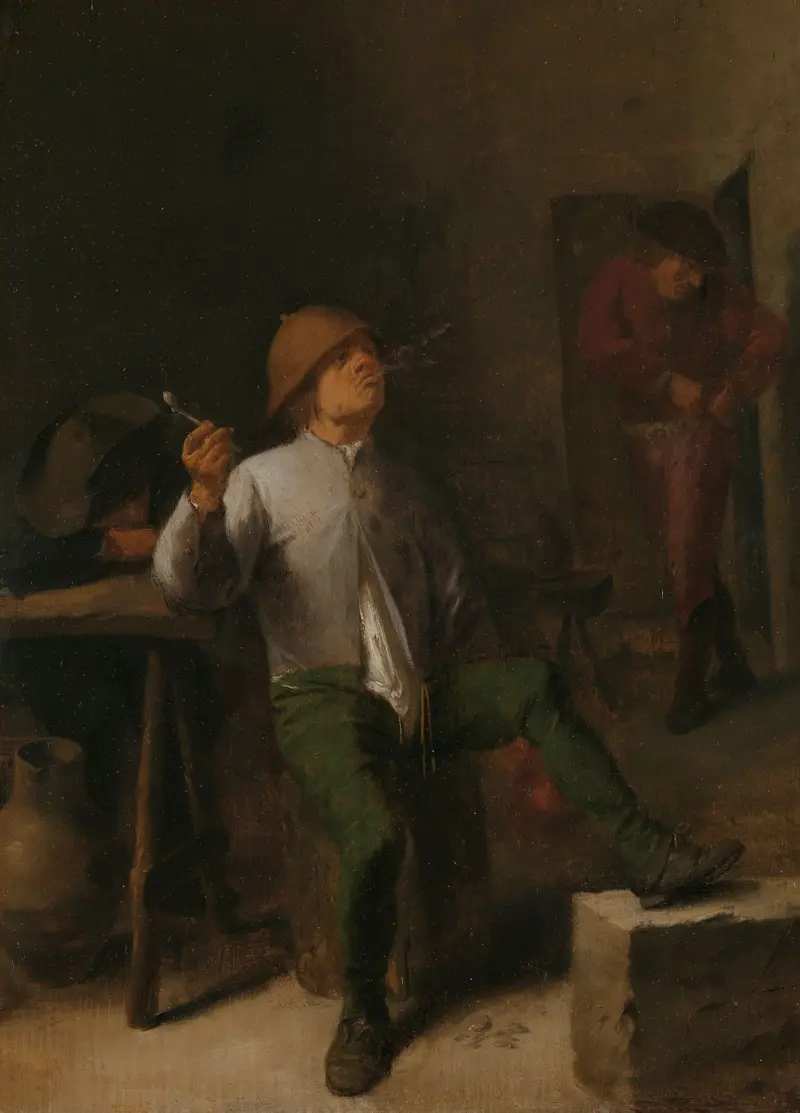
The Smoker
Adriaen Brouwer
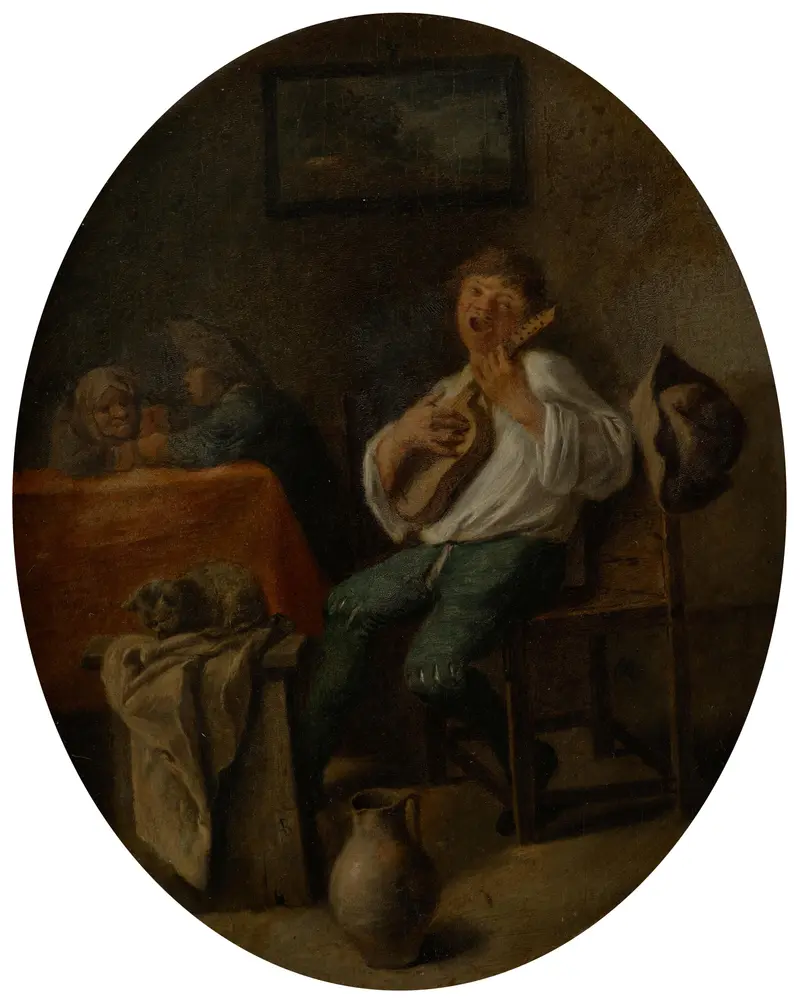
The Guitar Player
Adriaen Brouwer
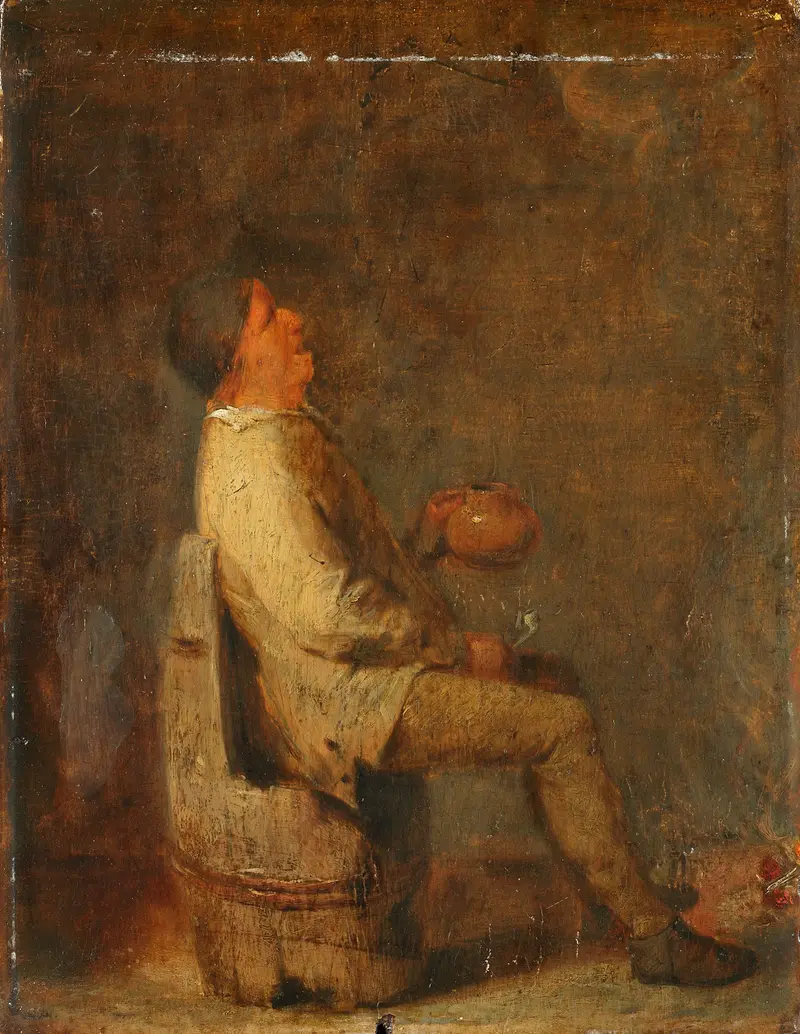
A Peasant Singing
Adriaen Brouwer
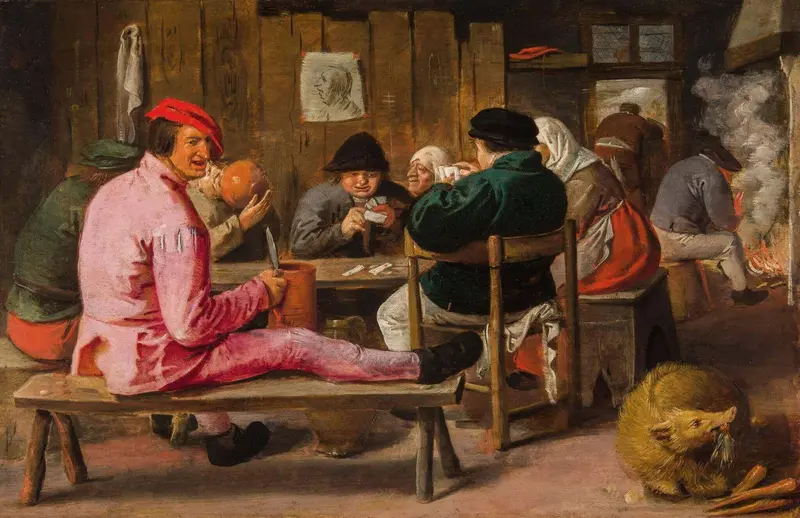
Merry Peasants in an Inn
Adriaen Brouwer
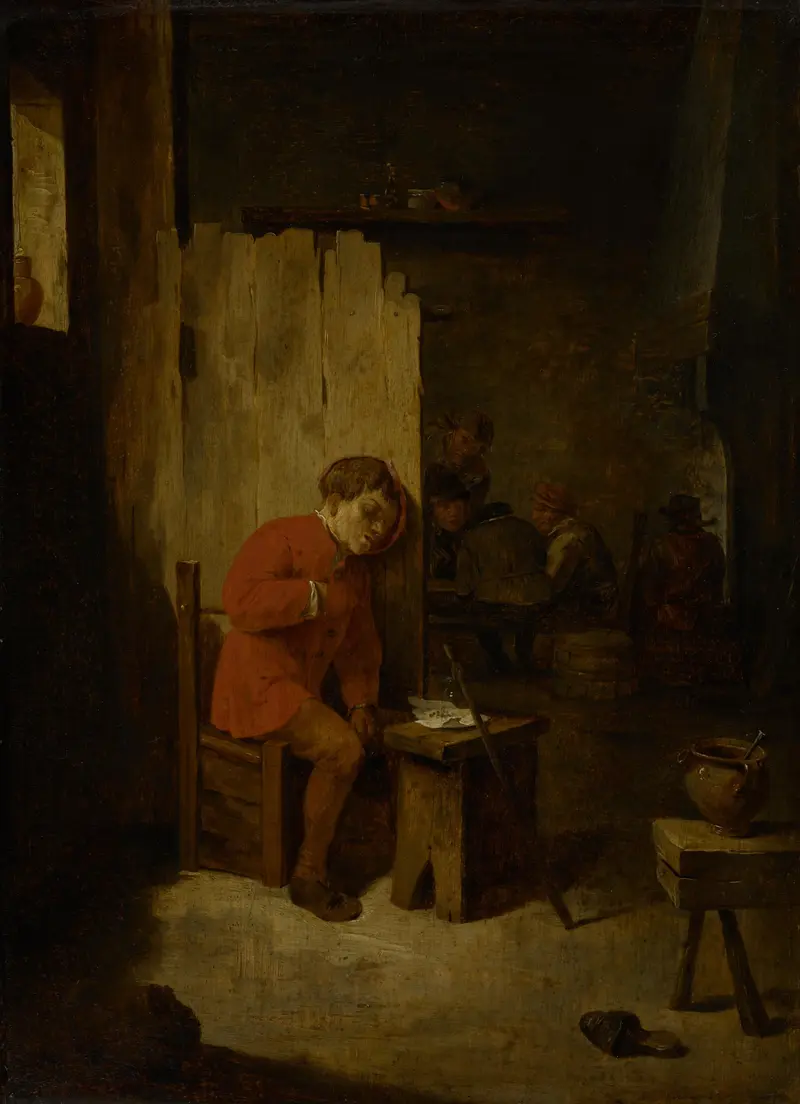
Nachahmer, Schlafender Bauer 853G Gemäldegalerie
Adriaen Brouwer
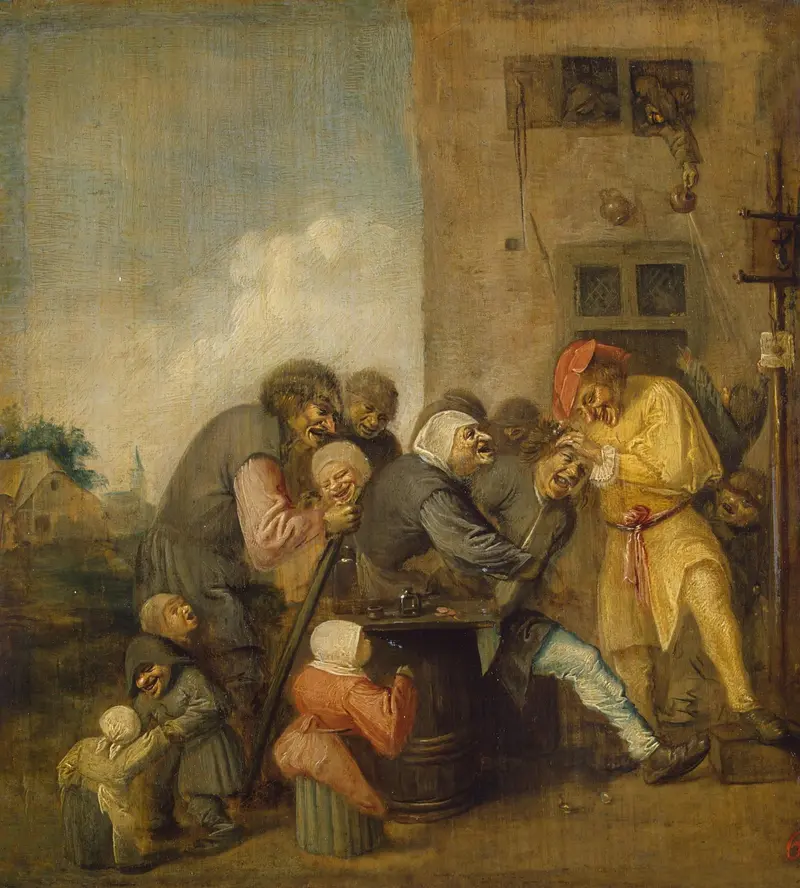
Village Charlatan (The Operation for Stone in the Head)
Adriaen Brouwer
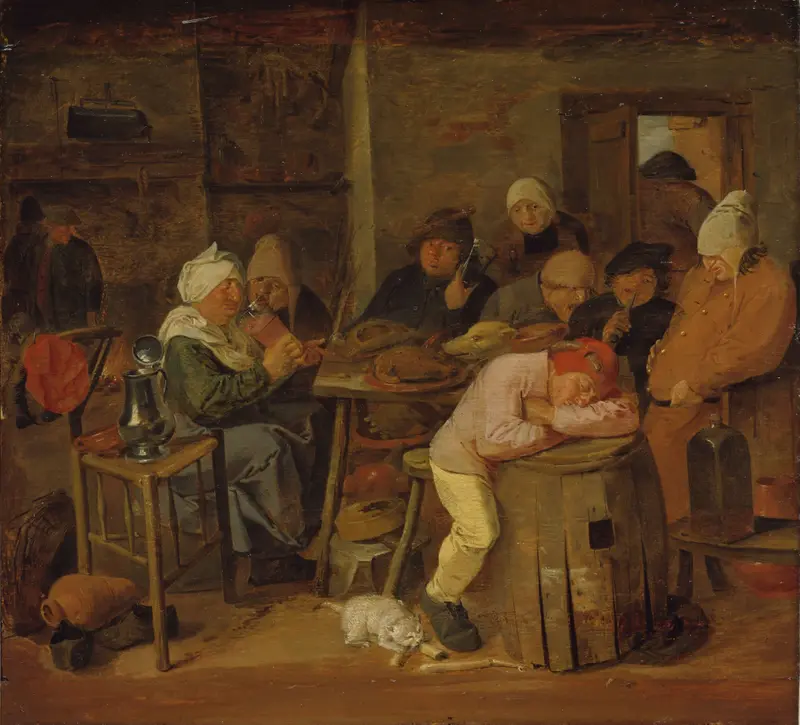
Peasants in an interior (The slaughter feast)
Adriaen Brouwer
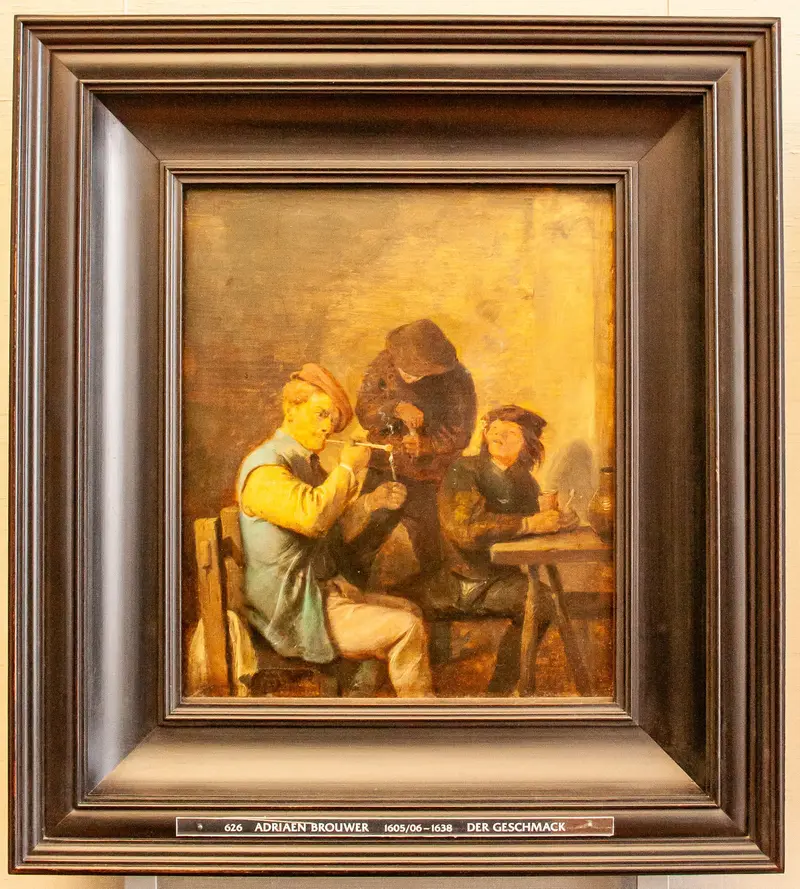
The Taste
Adriaen Brouwer
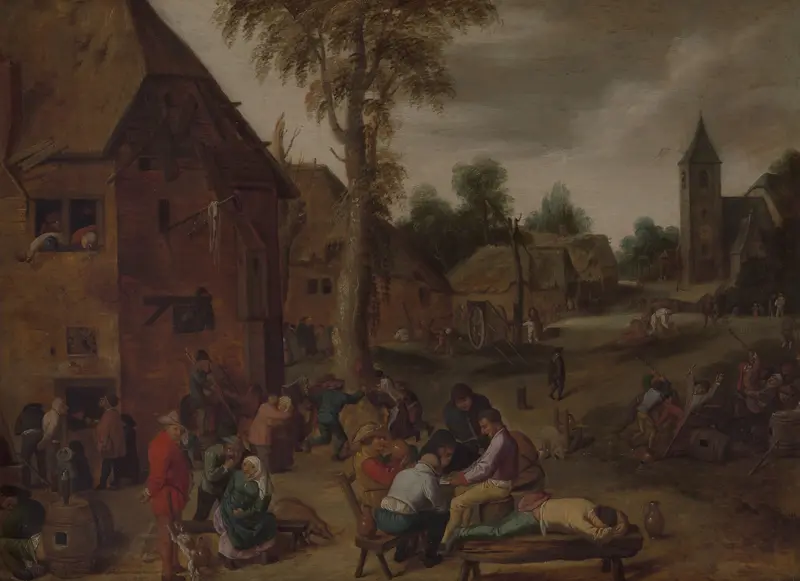
A Fair
Adriaen Brouwer
More Genre Scene Art

Banquet of the Officers of the St George Civic Guard
Frans Hals

Rembrandt and Saskia in the Scene of the Prodigal Son
Rembrandt van Rijn

Bal du moulin de la Galette
Pierre-Auguste Renoir

Quadrille at the Moulin Rouge
Henri de Toulouse-Lautrec

A Burial at Ornans
Gustave Courbet

When Will You Marry?
Paul Gauguin