
The Triumph of Galatea — History & Facts
When Artemisia Gentileschi painted The Triumph of Galatea in 1648, she entered a centuries-old conversation about female power and myth, but with a voice uniquely her own. Unlike her male contemporaries, Artemisia’s Galatea is no passive nymph: here, the sea goddess rides the waves with unmistakable agency, a fact that has led many scholars to see the painting as a coded self-portrait. The subject was a favorite among Renaissance and Baroque artists, but Artemisia’s version stands out for its bold reinterpretation and the way it foregrounds Galatea’s autonomy.
The painting’s original patron remains unknown, adding an air of mystery to its commission and early history. The myth of Galatea, drawn from Ovid’s Metamorphoses, tells of the sea nymph loved by the Cyclops Polyphemus and her tragic romance with the shepherd Acis. Artemisia chooses the moment after Acis’s death, when Galatea, transformed by grief and divine power, rises above the sea. Swirling drapery and muscular putti surround her, their gestures guiding the viewer’s eye to Galatea’s upward gaze and outstretched arm—symbols of both mourning and transcendence.
The light falls dramatically on her pale skin, separating her from the darker, churning waters below. Compared to Raphael’s earlier The Triumph of Galatea, where the nymph is serenely at play, Artemisia’s Galatea is a figure of emotion and command, the drama heightened by her direct engagement with the viewer. The painting’s later history is difficult to trace, as records from Artemisia’s late career are fragmentary and the work’s medium remains uncertain. It is generally agreed that The Triumph of Galatea was created during Artemisia’s years in Naples, a period marked by ambitious mythological commissions and her growing reputation among Italian and foreign patrons.
While the painting’s early provenance is unclear, it has come to be recognized as a significant example of Artemisia’s mature style, blending classical themes with her distinctive focus on female strength. Today, the work is celebrated as part of the broader reevaluation of Artemisia’s legacy, standing as a testament to her enduring ability to reimagine myth through a woman’s eyes.
More Artworks by Artemisia Gentileschi

Judith Beheading Holofernes
Artemisia Gentileschi
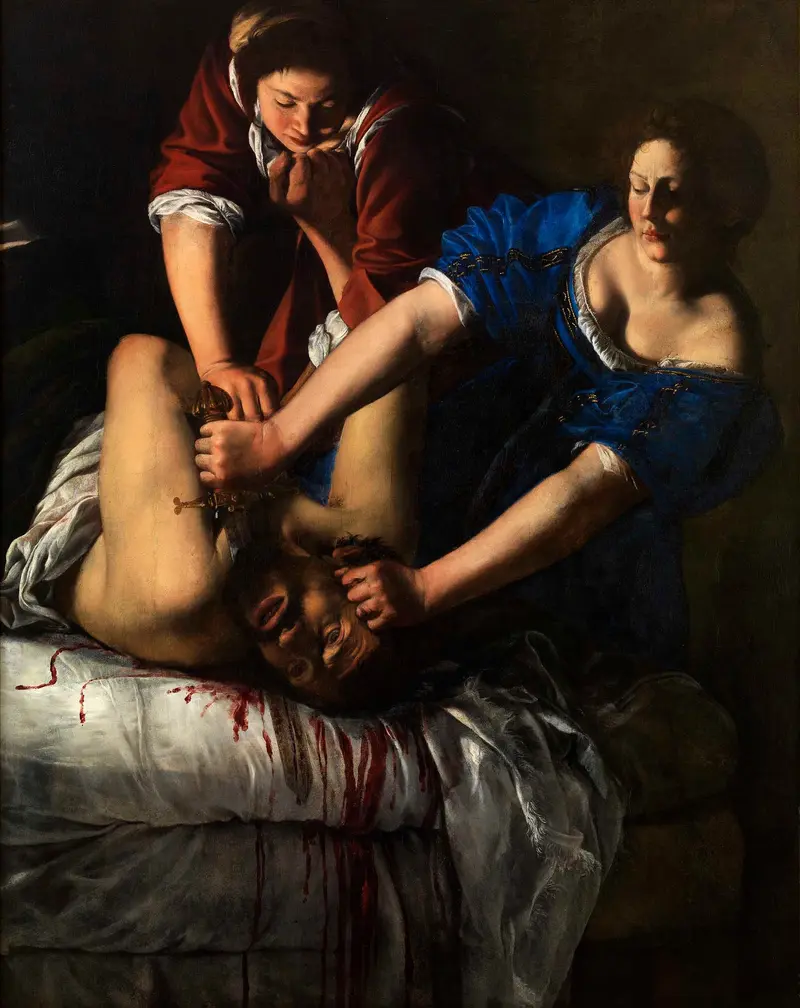
Judith Slaying Holofernes
Artemisia Gentileschi
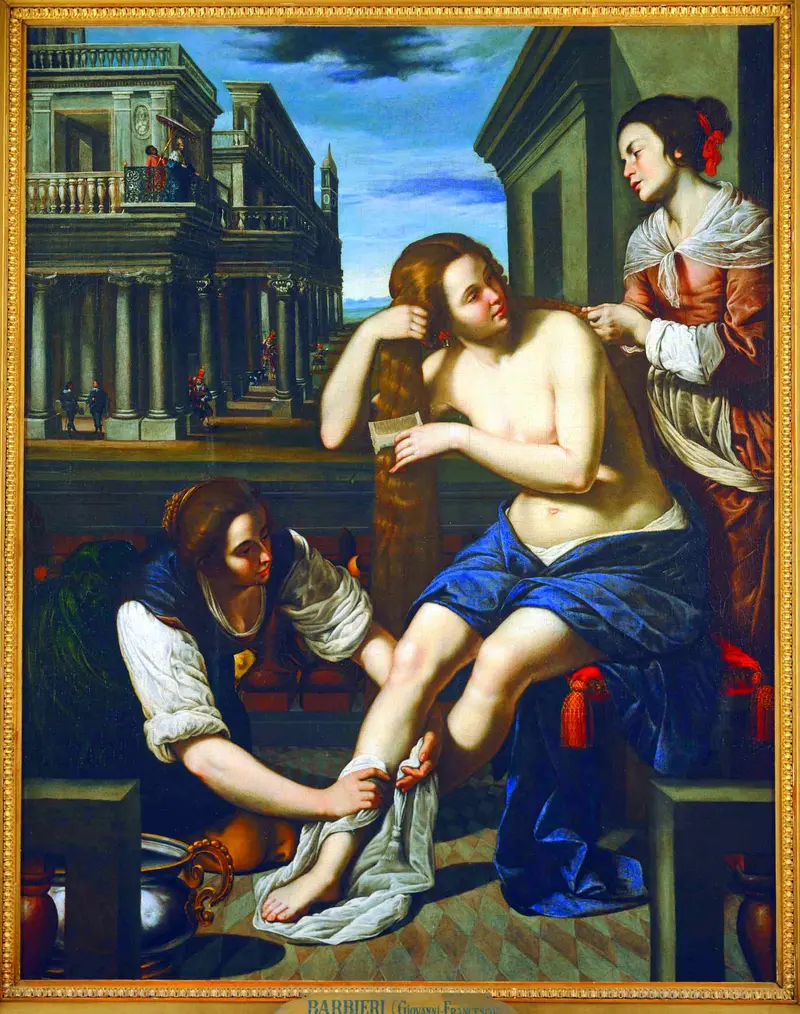
Bathsheba at Her Bath
Artemisia Gentileschi
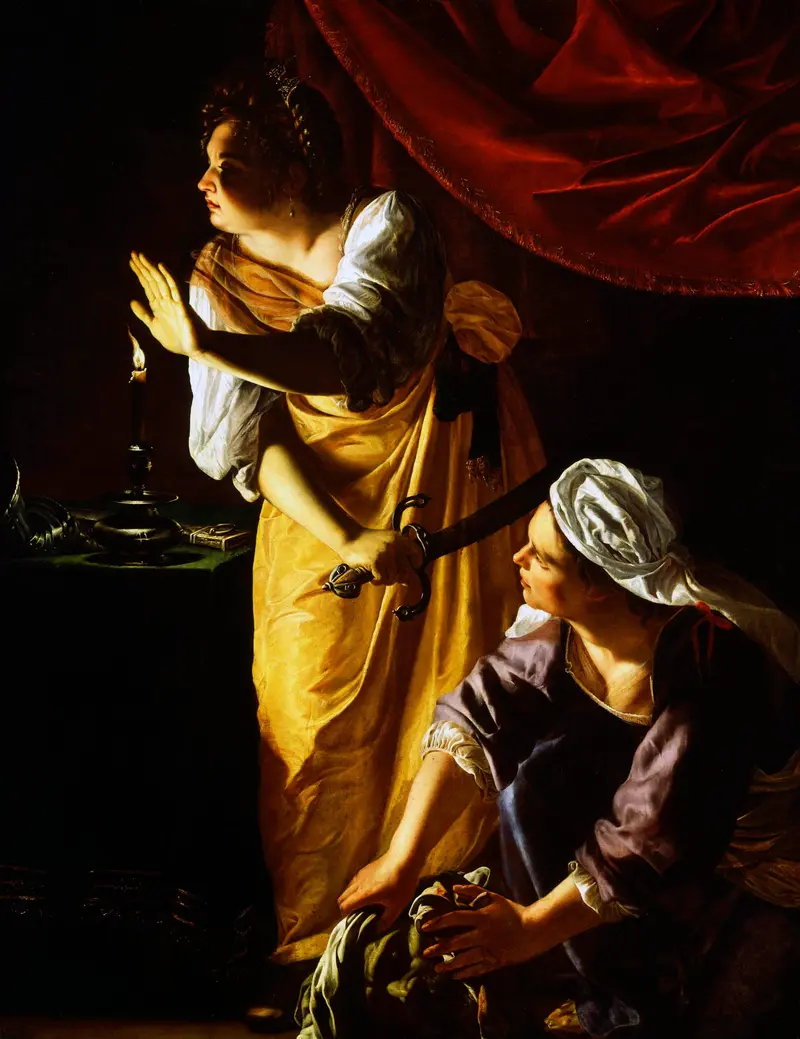
Judith and Maidservant with Head of Holofernes
Artemisia Gentileschi
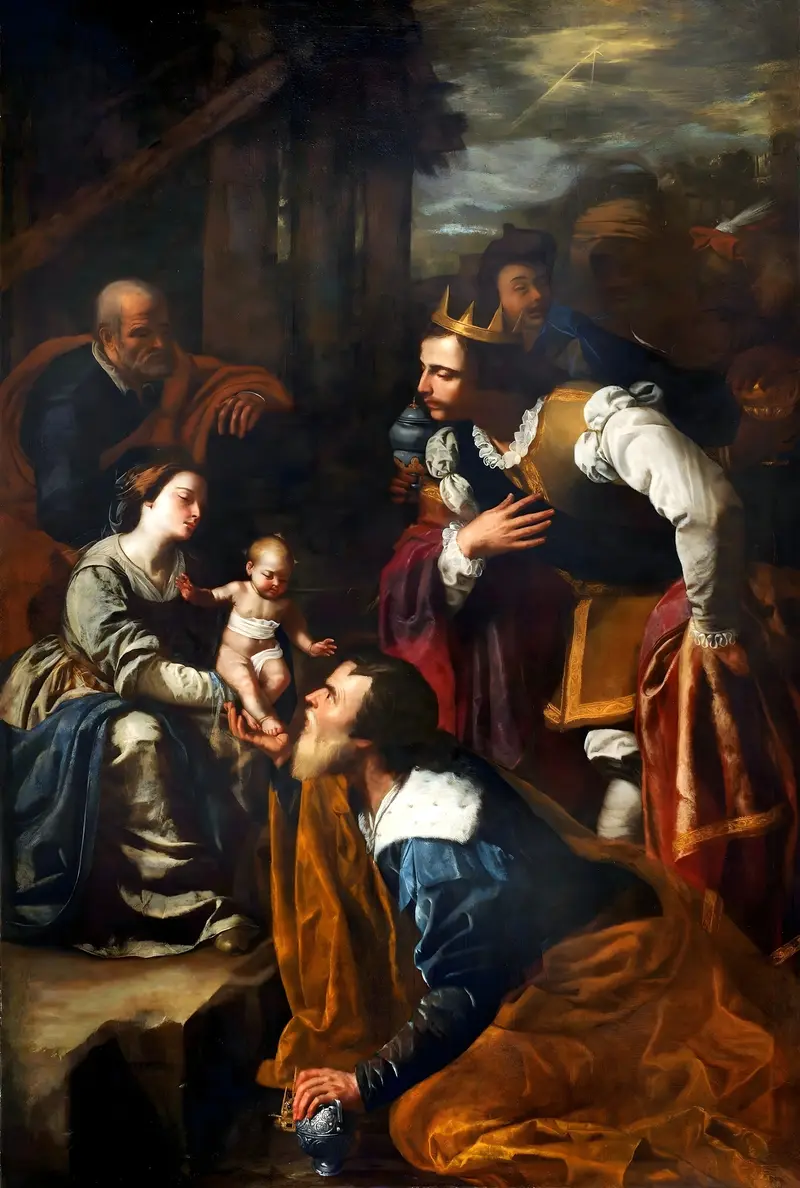
Adoration of the Magi
Artemisia Gentileschi
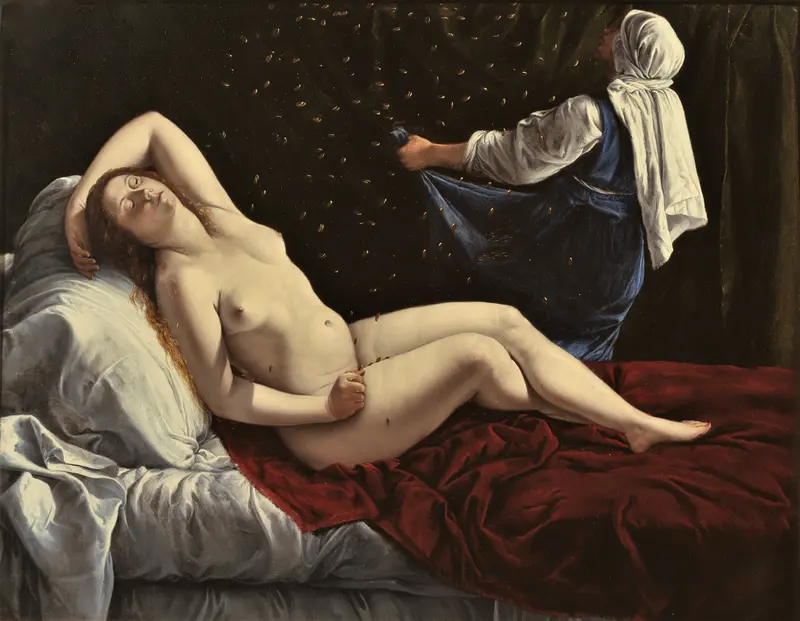
Danaë
Artemisia Gentileschi
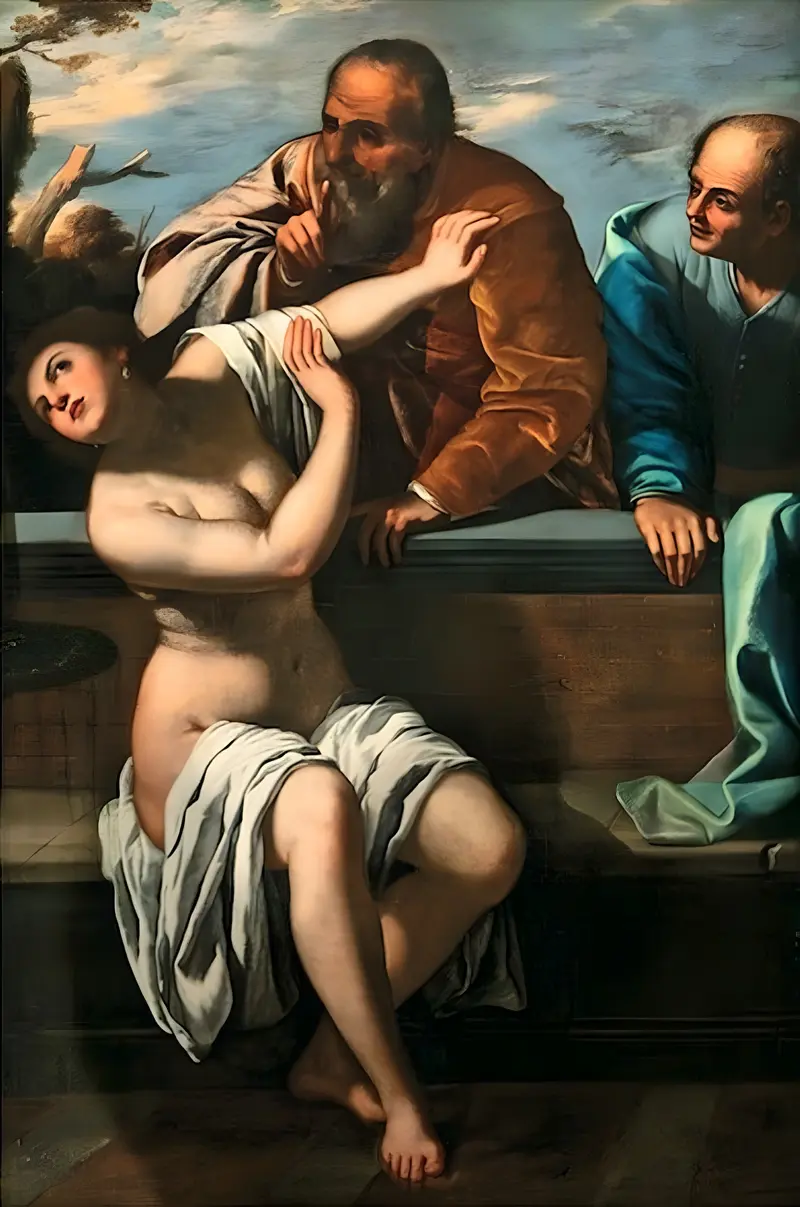
Susannah and the Elders
Artemisia Gentileschi

Judith and her Servant with the Head of Holofernes
Artemisia Gentileschi
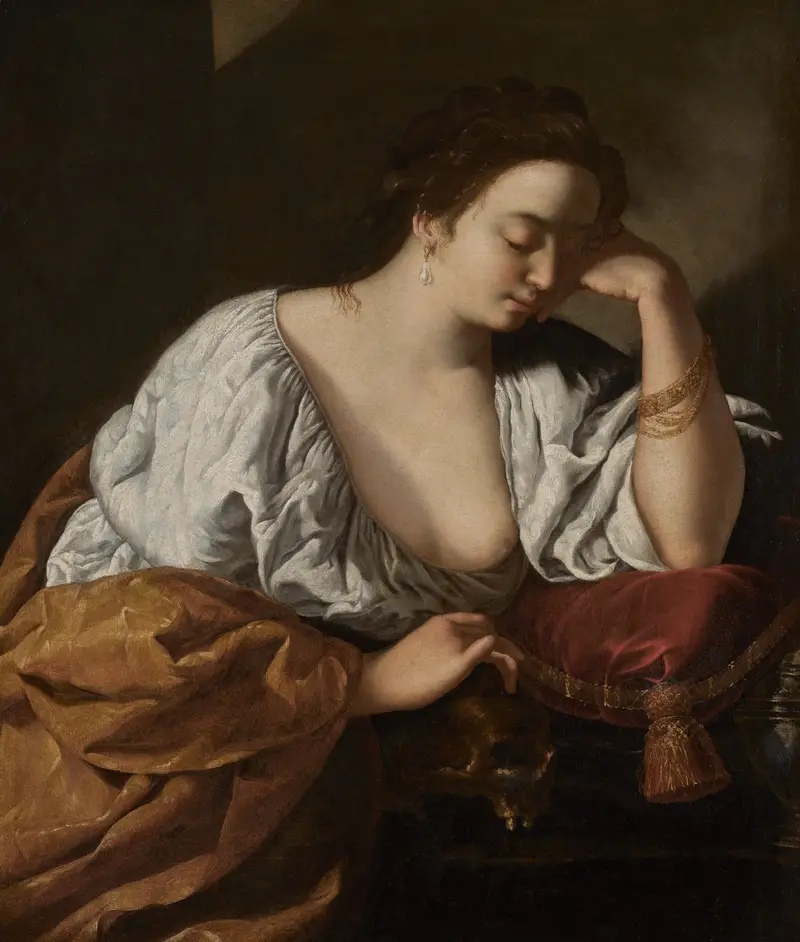
Madeleine pénitente, par
Artemisia Gentileschi
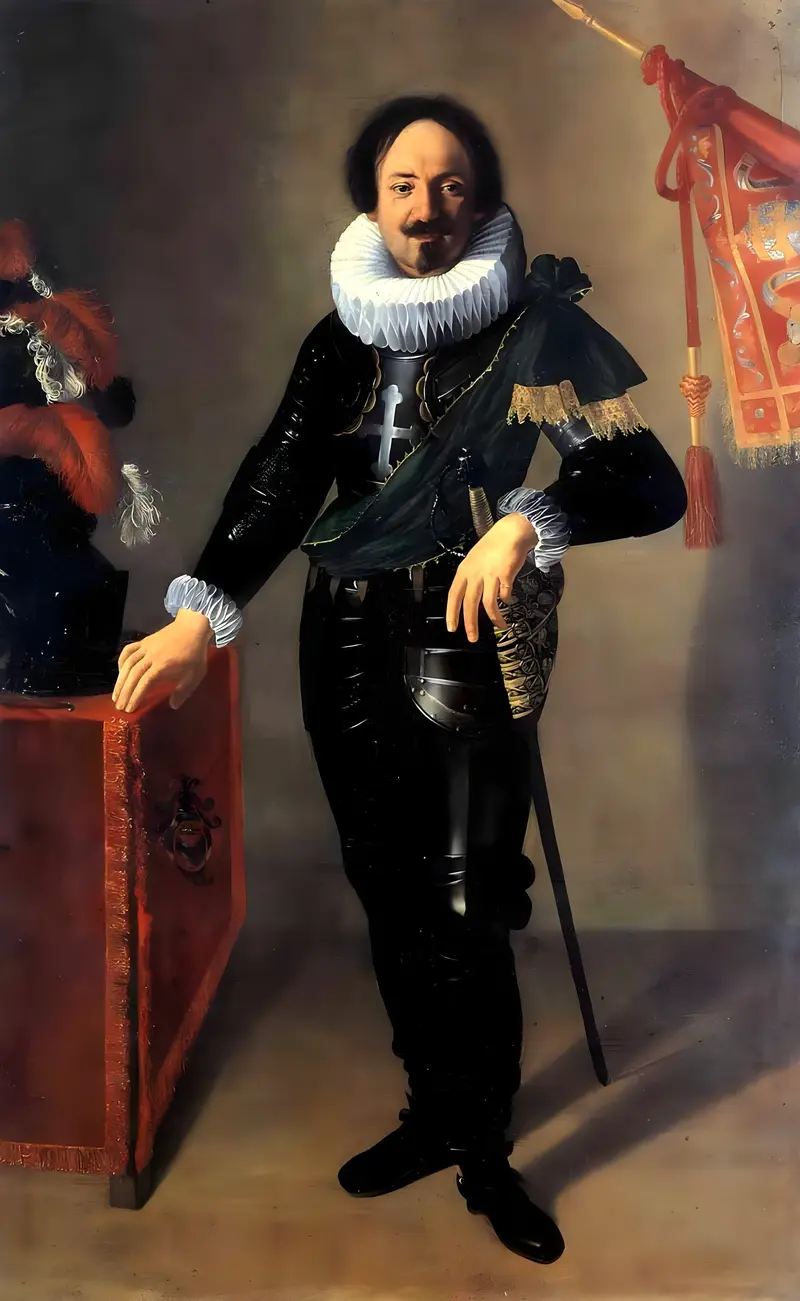
Portrait of a Gonfaloniere
Artemisia Gentileschi





