
The triumph of Neptune — History & Facts
The first thing that seizes the eye in The triumph of Neptune is the sheer abundance of bodies, tumbling and twisting through a sea that seems to surge with mythic energy. At the center, the god Neptune rises above the waves, trident aloft, his presence commanding the swirling host of nymphs, tritons, and sea creatures that crowd the canvas. Bloemaert draws the viewer’s gaze with a shaft of light that breaks through the clouds, illuminating the god and his retinue, while the foreground figures, rendered in creamy flesh tones, pull us into the scene’s sensual tumult.
Every gesture is charged with meaning: the outstretched arms, the upward glances, and the playful putti overhead all signal a moment of divine celebration, where the boundaries between water, sky, and flesh dissolve in a riot of movement. Painted in 1625, this work belongs to a period when Dutch and Flemish artists reveled in the grand narratives of classical mythology, often for patrons eager to display both their learning and their taste for spectacle. Abraham Bloemaert was a master of such theatrical compositions, blending Italianate grace with Northern attention to surface and detail. History has kept few traces of this particular painting’s early journey, but it now resides in a Dutch national collection, a testament to the enduring appetite for mythological fantasy in the early seventeenth century.
The world that produced this painting was one of shifting religious and political tides, yet here, the old gods still hold court, inviting us to lose ourselves in a vision of the sea as a stage for beauty, power, and delight.
More Artworks by Abraham Bloemaert

Adam and Eve
Abraham Bloemaert
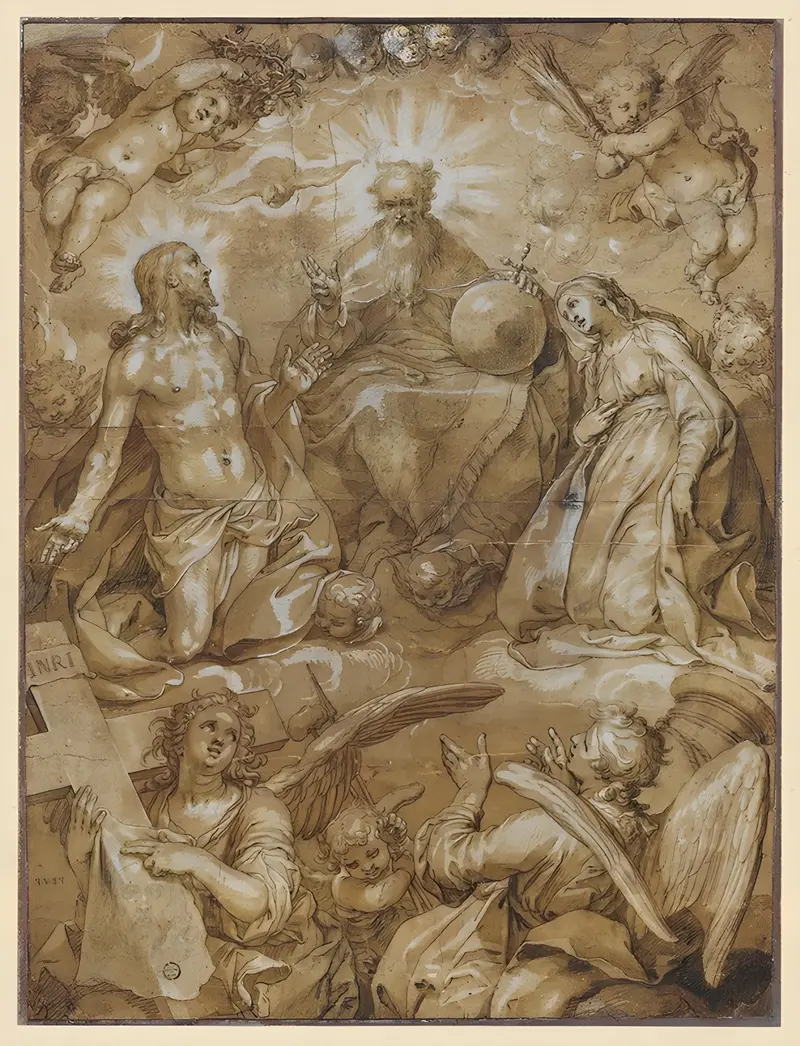
Intercession of Christ and Mary before God the Father
Abraham Bloemaert
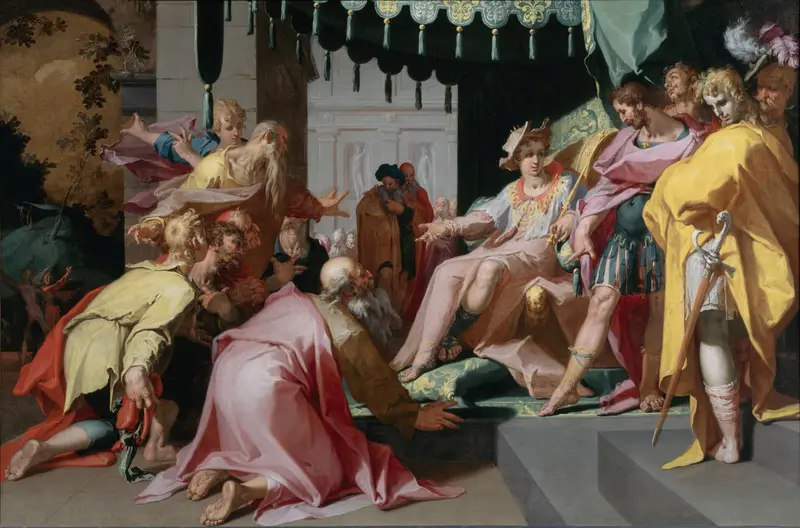
Joseph and his Brothers
Abraham Bloemaert
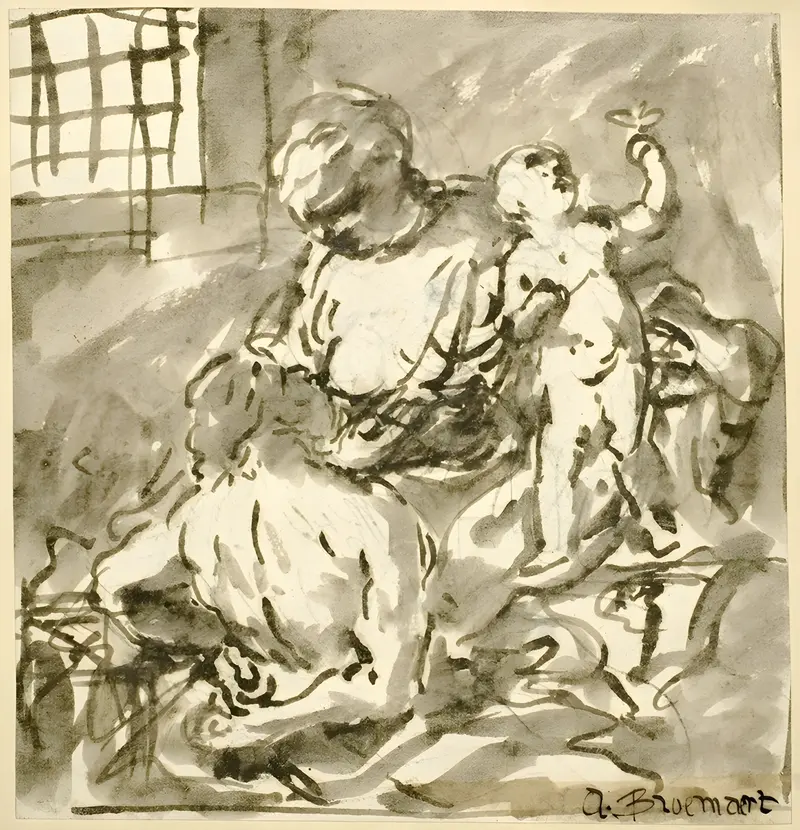
Caritas Romana
Abraham Bloemaert
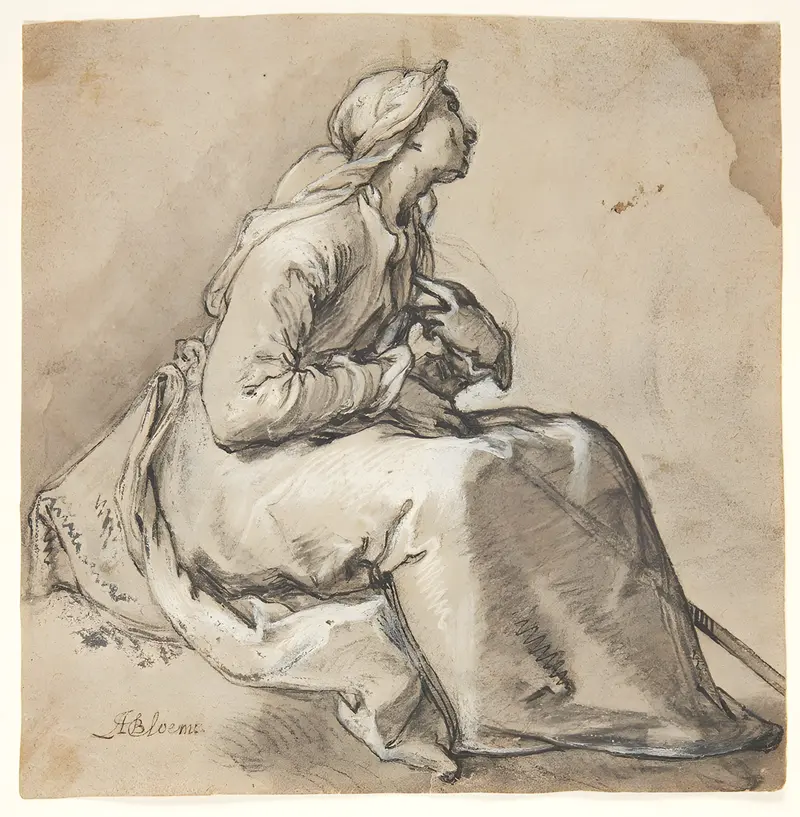
A seated woman facing right
Abraham Bloemaert
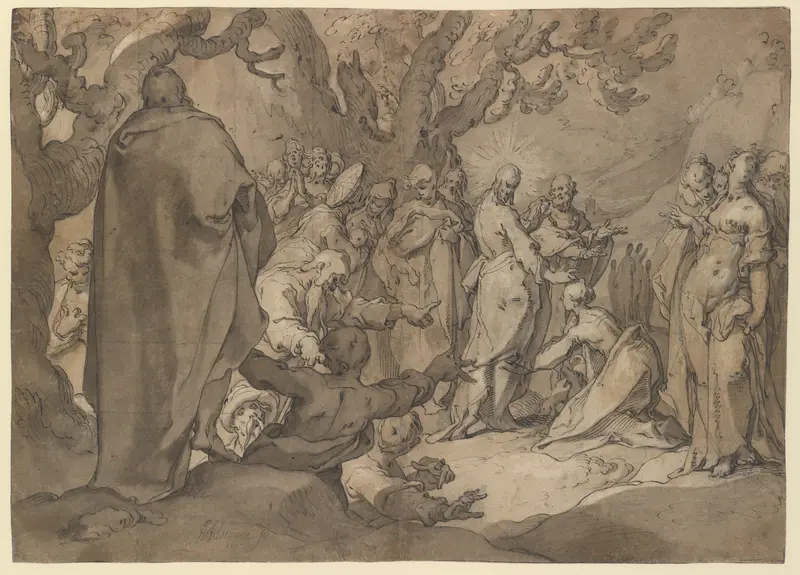
Christ and the Canaanite Women
Abraham Bloemaert
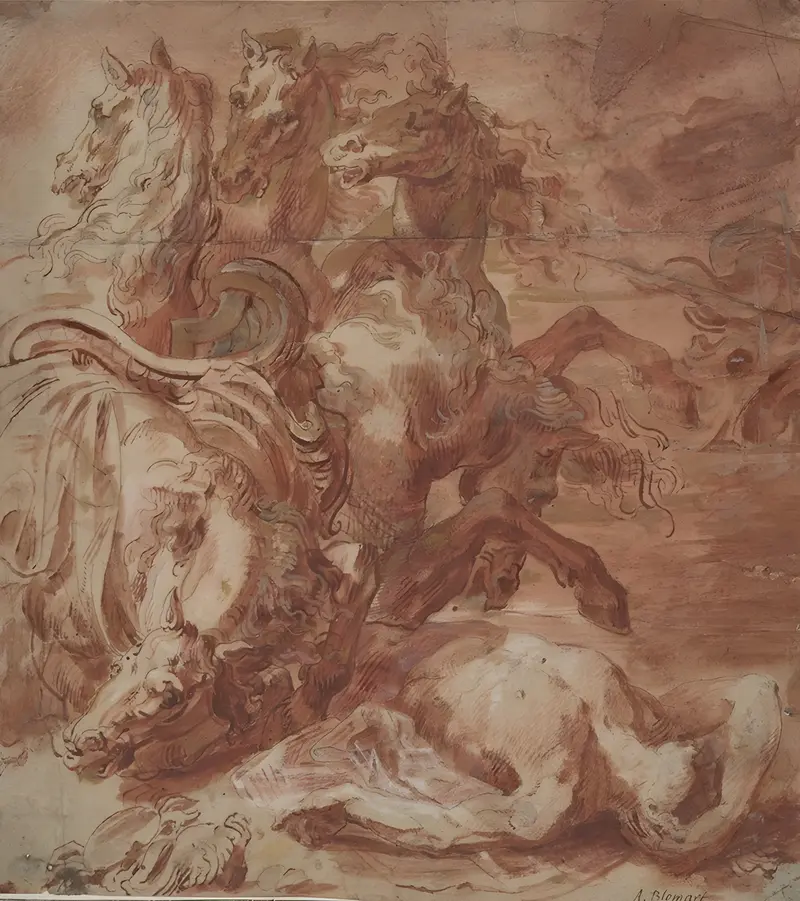
Hippolytus
Abraham Bloemaert
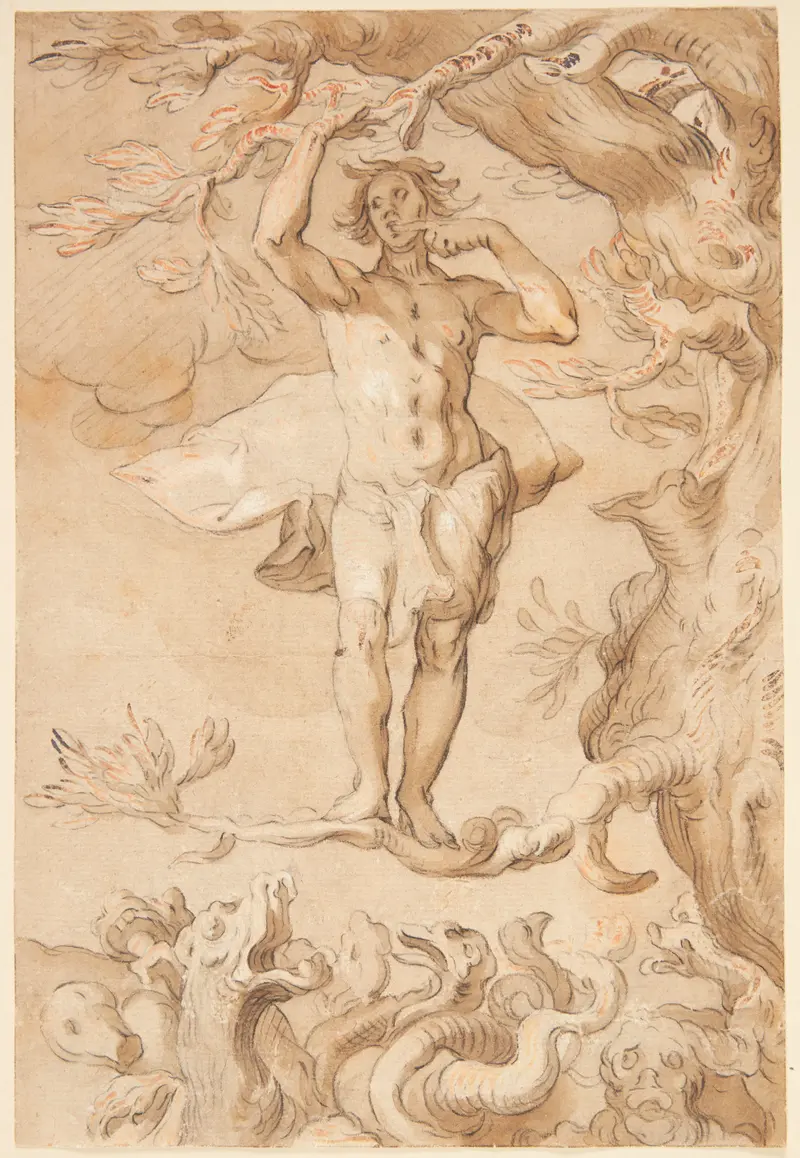
Den menneskelige glædes skrøbelighed En mand, der jages af en drage, klynger sig til en gren, mens han slikker honning af sin finger
Abraham Bloemaert

Moses Striking the Rock
Abraham Bloemaert
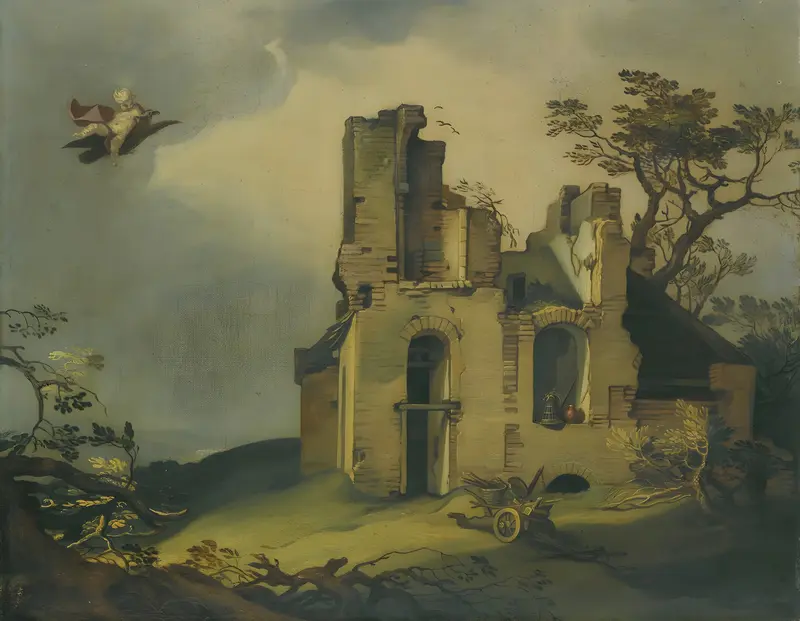
A Landscape With Ruins, With The Rape Of Ganymede
Abraham Bloemaert





