
The Virgin and Child with Angels and a Dominican Saint (centre); St Peter (left); St Paul (right) — History & Facts
No one knows for certain for whom The Virgin and Child with Angels and a Dominican Saint (centre); St Peter (left); St Paul (right) was painted, but its central Dominican figure has long fueled speculation that it was created for a friar or convent closely tied to the Order. The identity of the Dominican saint remains debated—some see the features of Saint Dominic himself, others suggest a lesser-known blessed of the order. This ambiguity has made the painting a magnet for scholarly debate, as the answer could illuminate the painting’s original home and purpose. Fra Angelico chooses a moment of serene intimacy: the Virgin Mary, enthroned and holding the Christ Child, is flanked by angels and a kneeling Dominican, lost in adoration.
The angels’ golden haloes and delicate wings frame the central pair, while the Dominican’s white habit and black cloak mark his allegiance. To the left, Saint Peter holds his keys, symbolizing authority, and to the right, Saint Paul’s sword and book evoke his martyrdom and teachings. The composition draws the viewer’s eye to the gentle interaction between the Virgin and her devotee, a motif Fra Angelico returned to often, as in The Annunciation in San Marco, where the sacred and human worlds quietly meet. The painting’s early history is unclear, as is often the case with works from the first half of the fifteenth century.
Its style and iconography place it firmly within Fra Angelico’s mature period, when he was active in Florence and later at San Marco. While the original patron remains unknown, the painting’s Dominican focus suggests a commission from within the order, perhaps for a private chapel or friary. Over the centuries, the work has passed through various collections, its attribution to Fra Angelico now widely accepted by scholars.
Today, it stands as a testament to the artist’s ability to blend spiritual devotion with delicate, luminous color, a hallmark of the early Renaissance.
More Artworks by Fra Angelico

Condemnation of St Lawrence by the Emperor Valerian
Fra Angelico
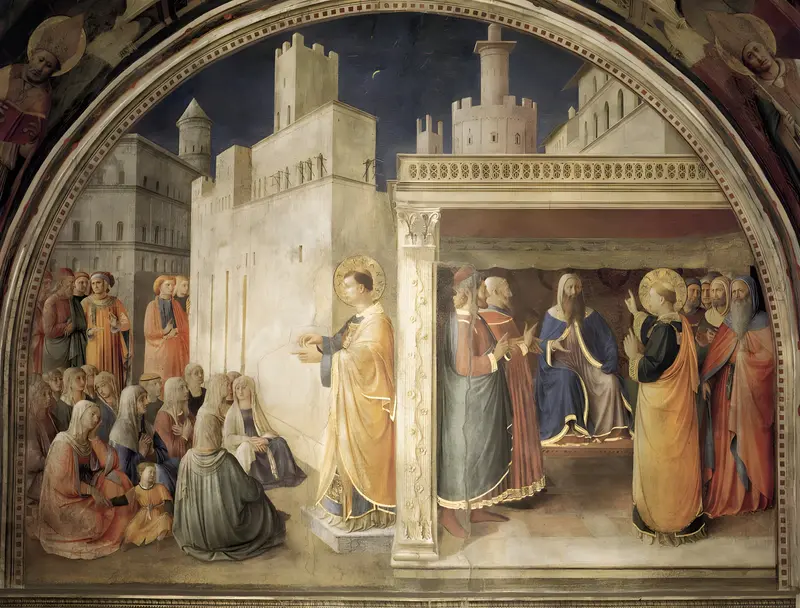
Lunette of the north wall
Fra Angelico
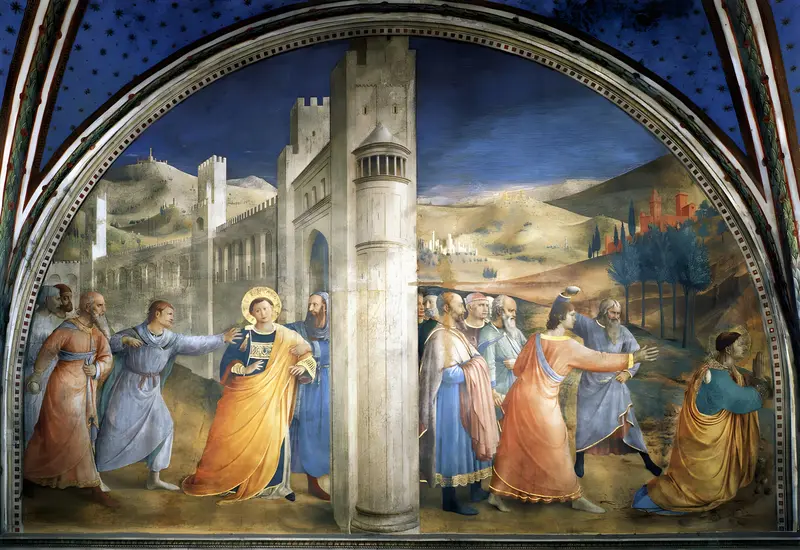
Lunette of the east wall in Niccoline Chapel
Fra Angelico
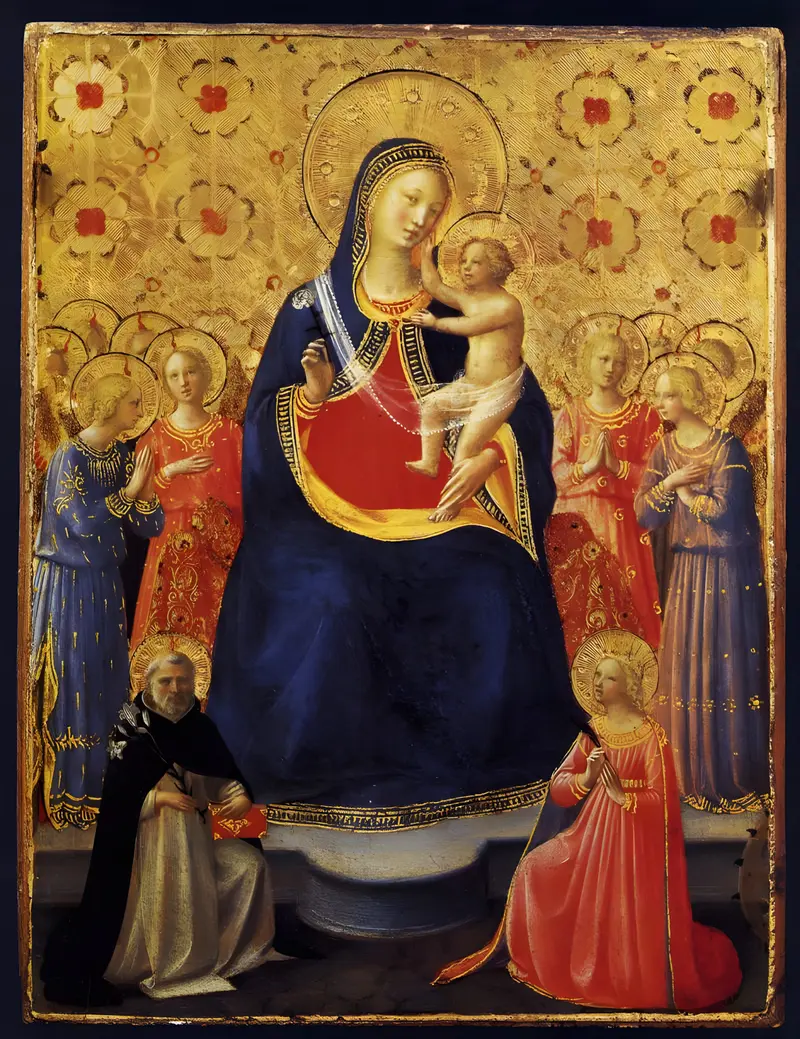
Madonna and Child Enthroned with Nine Angels and Saints Dominic and Catherine of Alexandria
Fra Angelico
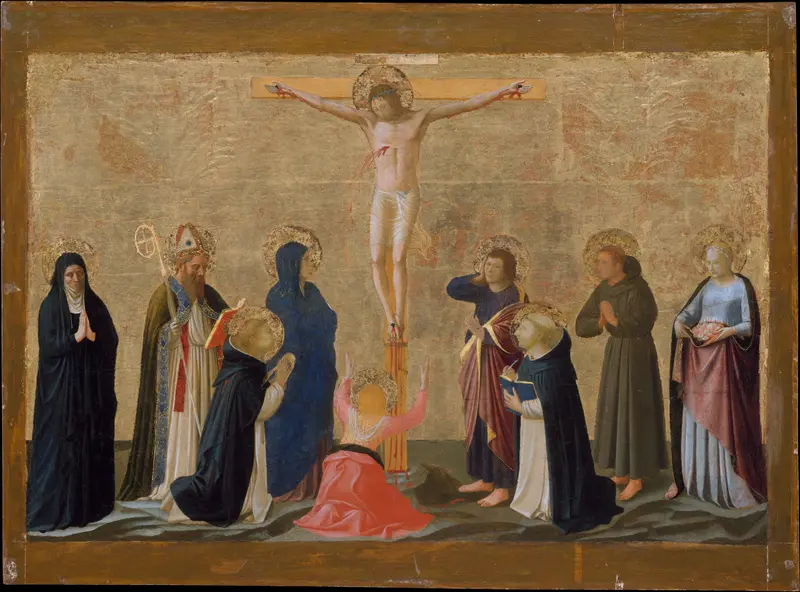
The Crucifixion
Fra Angelico
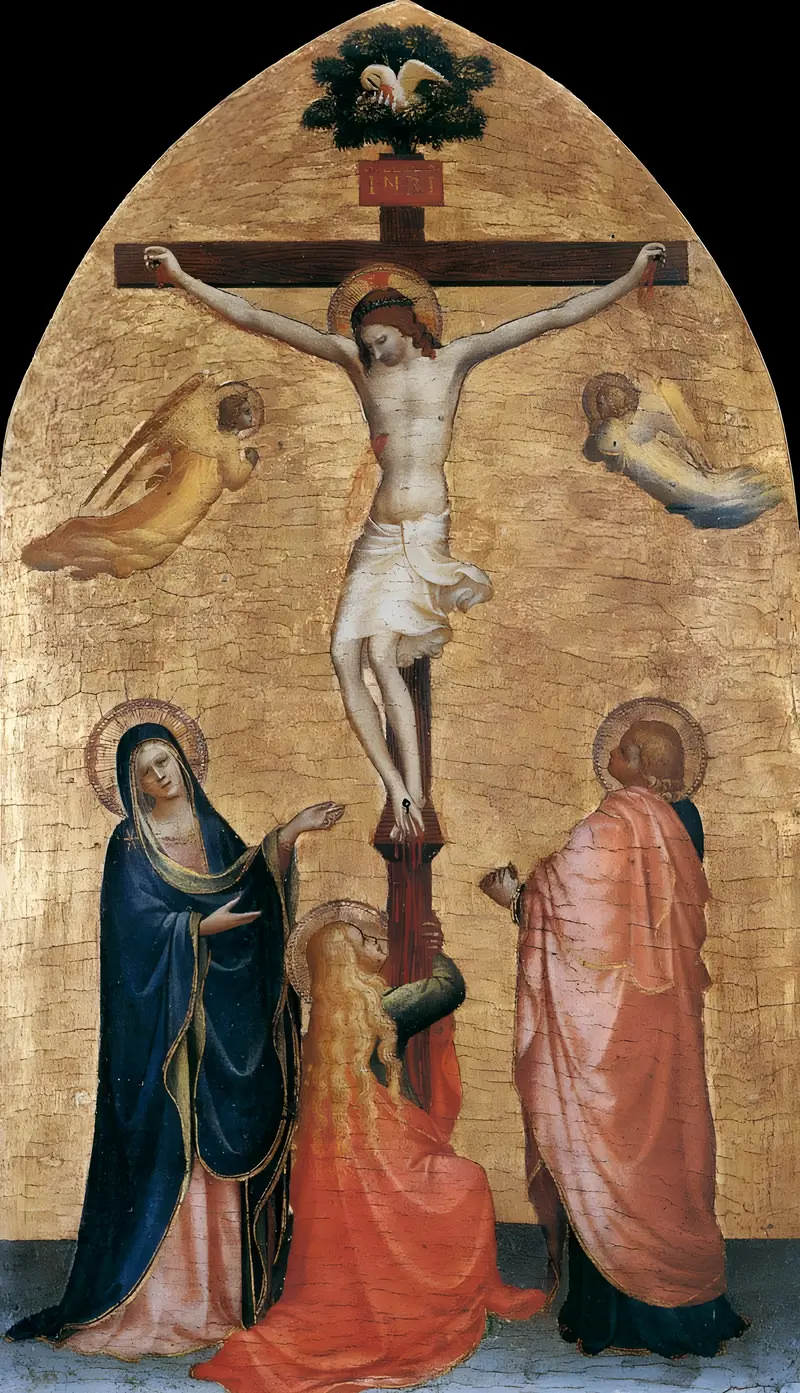
Crucifixion with the Virgin, John the Evangelist, and Mary Magdelene
Fra Angelico
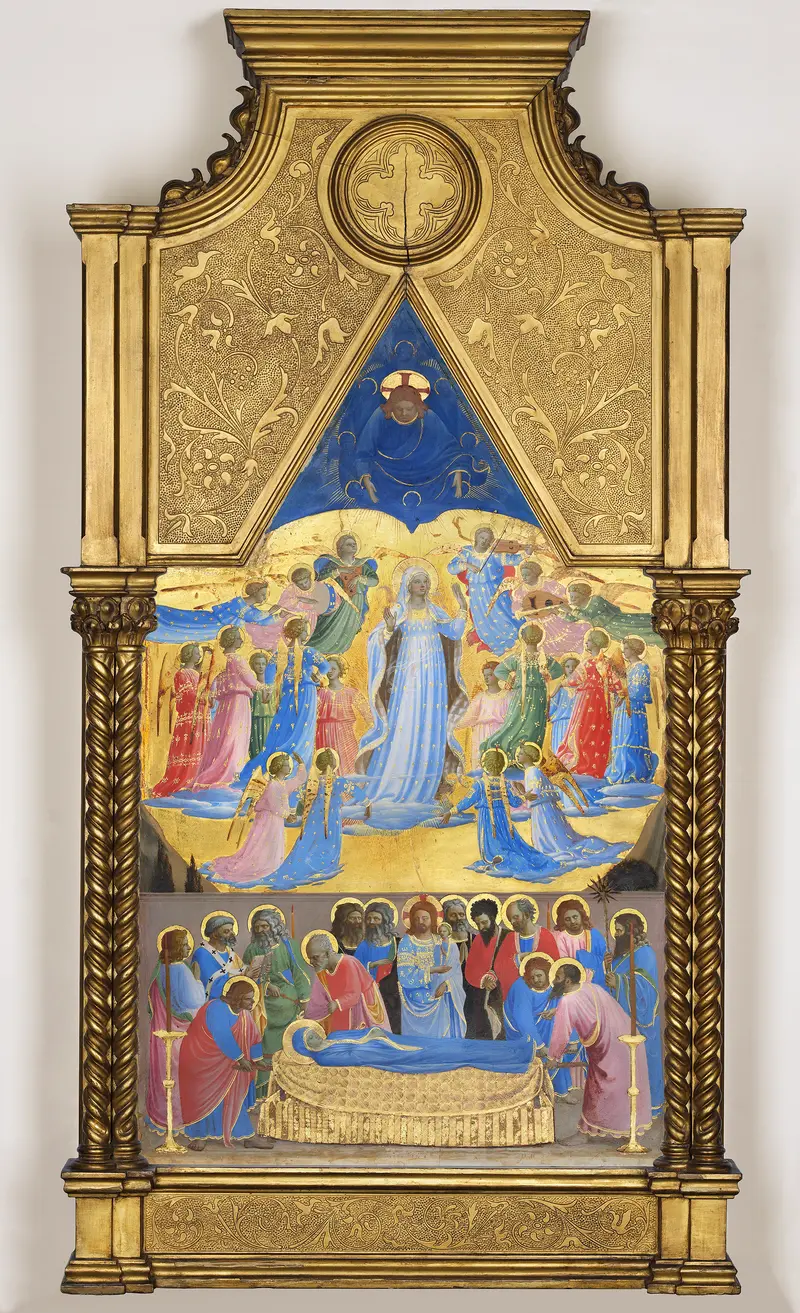
Dormition and Assumption of the Virgin
Fra Angelico
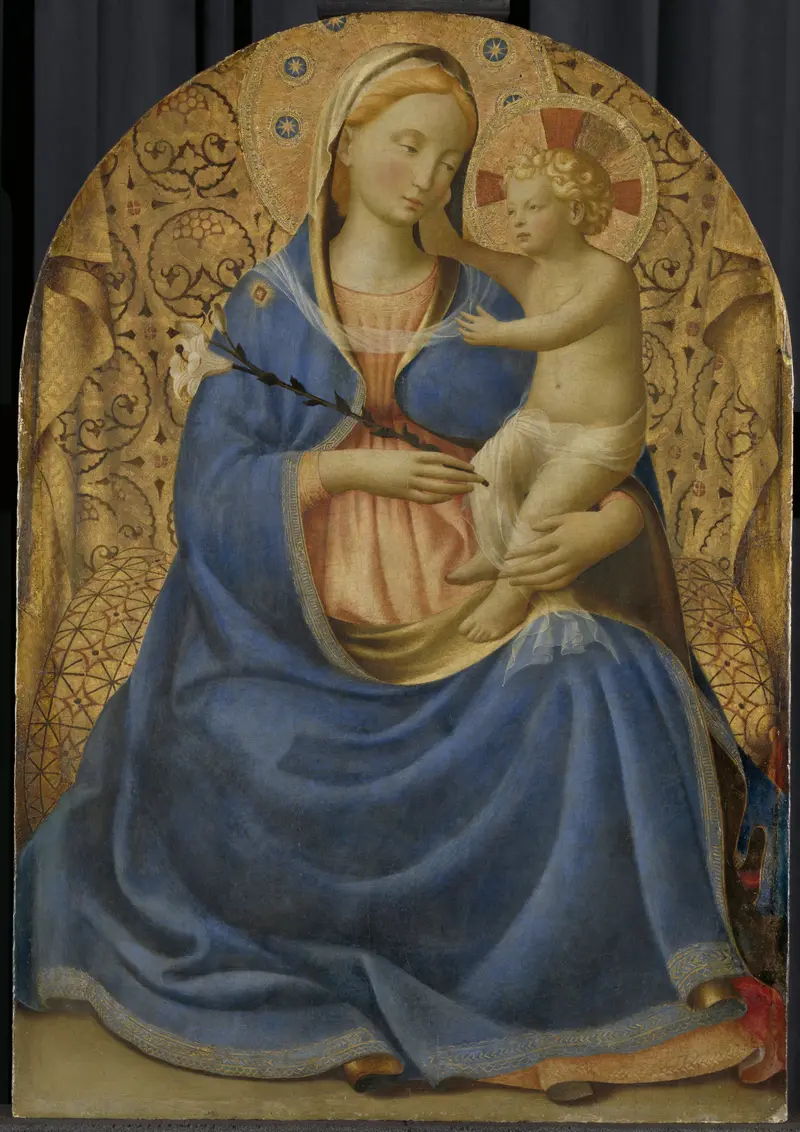
Madonna of Humility
Fra Angelico
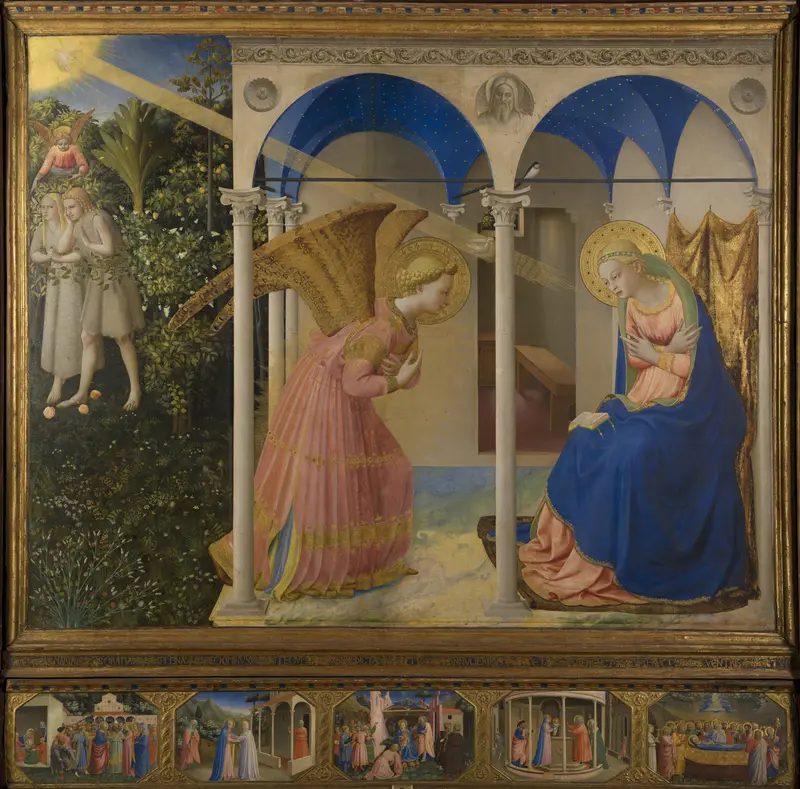
The Annunciation
Fra Angelico

Saint Anthony Abbot
Fra Angelico





