
The Wedding of Peleus and Thetis — History & Facts
A riot of bodies tumbles across the canvas, each figure caught in a moment of celebration or intrigue, drawing the viewer into a world where myth spills into revelry. The eye is first caught by the swirling movement of gods and mortals, their gestures and glances weaving a tapestry of anticipation and festivity. Light breaks through the center, illuminating a banquet scene that seems to stretch endlessly, while the darker corners are thick with secrets—nymphs whisper beneath trees, and reclining figures watch the drama unfold.
The artist uses diagonals and arcs to pull us through the crowd, while the rich, warm palette heightens the sense of abundance and sensuality. Every detail, from the fluttering drapery above to the intertwined limbs below, serves to amplify the sense of a world on the brink of transformation. Painted between circa 1590 and 1595, this Wedding of Peleus and Thetis by Abraham Bloemaert belongs to a moment when Dutch and Flemish artists reveled in mythological storytelling, often at the behest of learned patrons eager to display both taste and erudition. Such works were more than decoration; they were conversation pieces, invitations to decode allegory and marvel at painterly skill.
Bloemaert’s swirling composition and crowded stage reflect the late Renaissance fascination with complexity and theatricality, a style that thrived in the courts and merchant houses of the Low Countries. Today, the painting resides in the collection of the Bayerische Staatsgemäldesammlungen, a rare survivor from a period when history painting was both a showcase of artistic ambition and a mirror for the aspirations of its age. Let your gaze wander among the figures—each one a thread in the larger myth, each gesture a clue to the story’s unfolding.
More Artworks by Abraham Bloemaert

Adam and Eve
Abraham Bloemaert
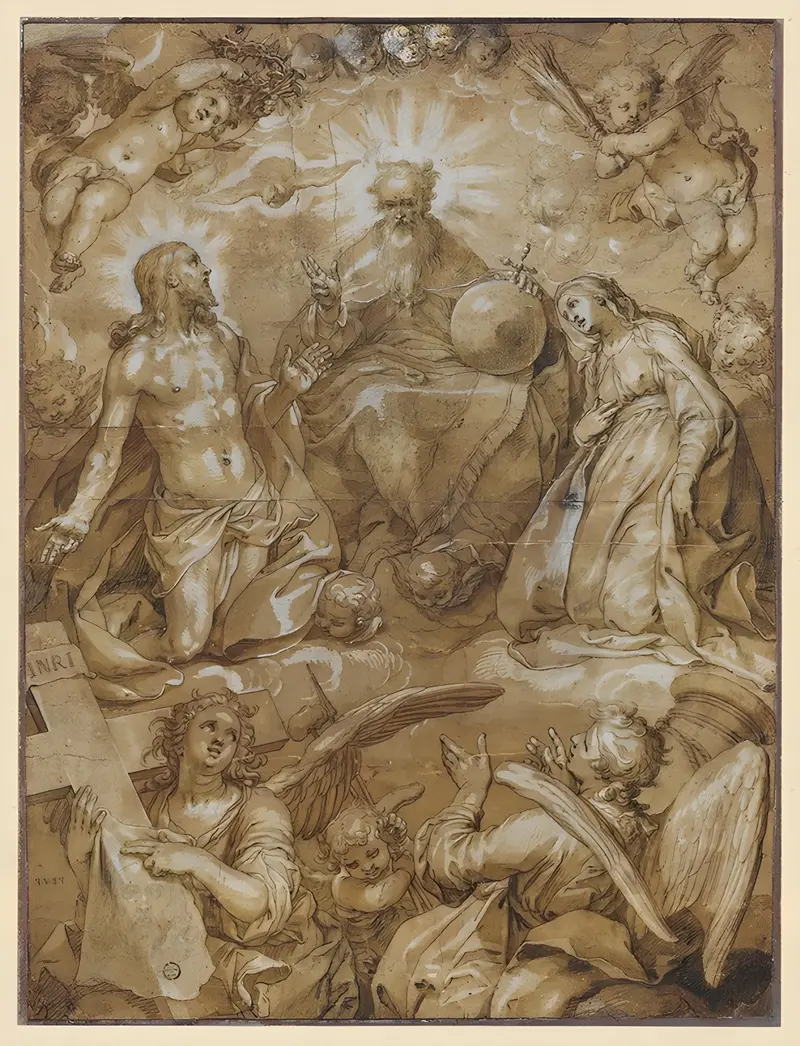
Intercession of Christ and Mary before God the Father
Abraham Bloemaert
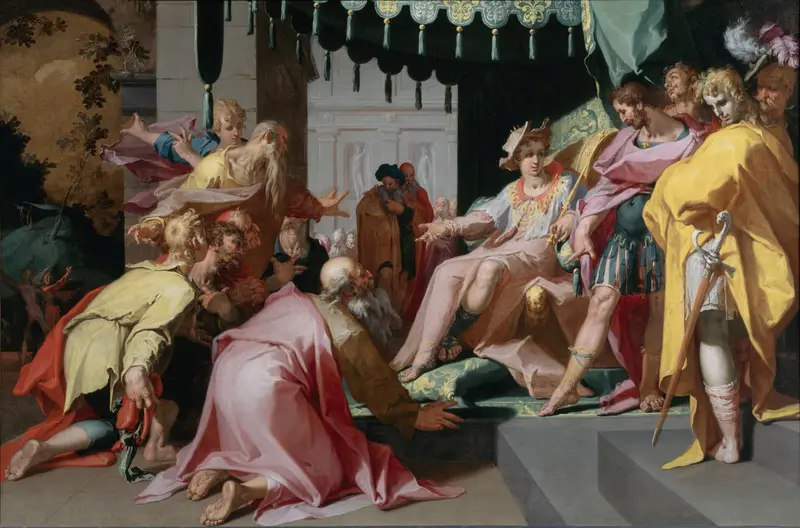
Joseph and his Brothers
Abraham Bloemaert
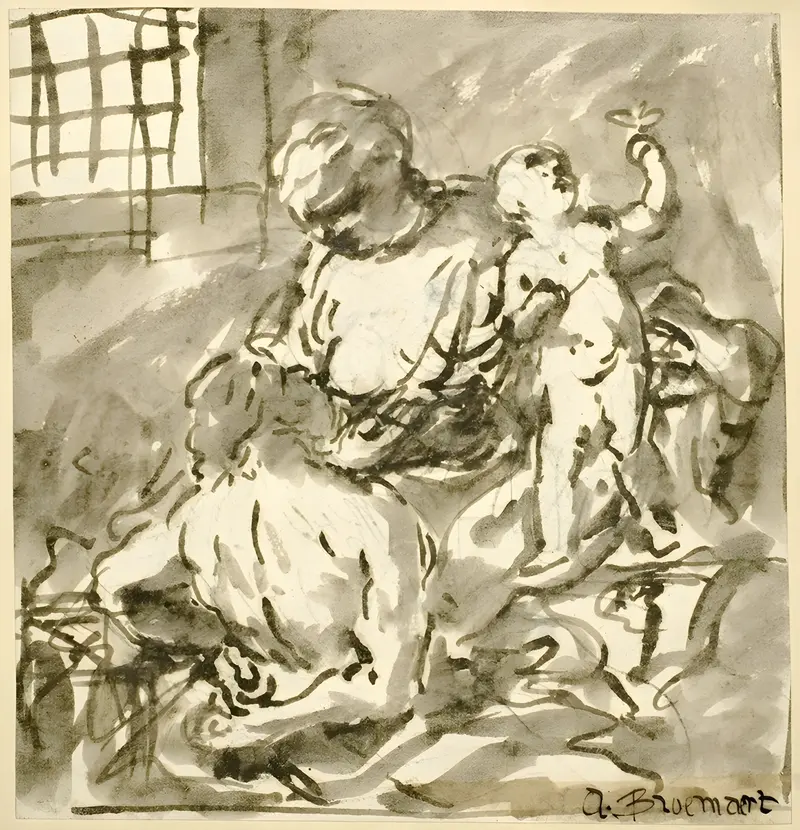
Caritas Romana
Abraham Bloemaert
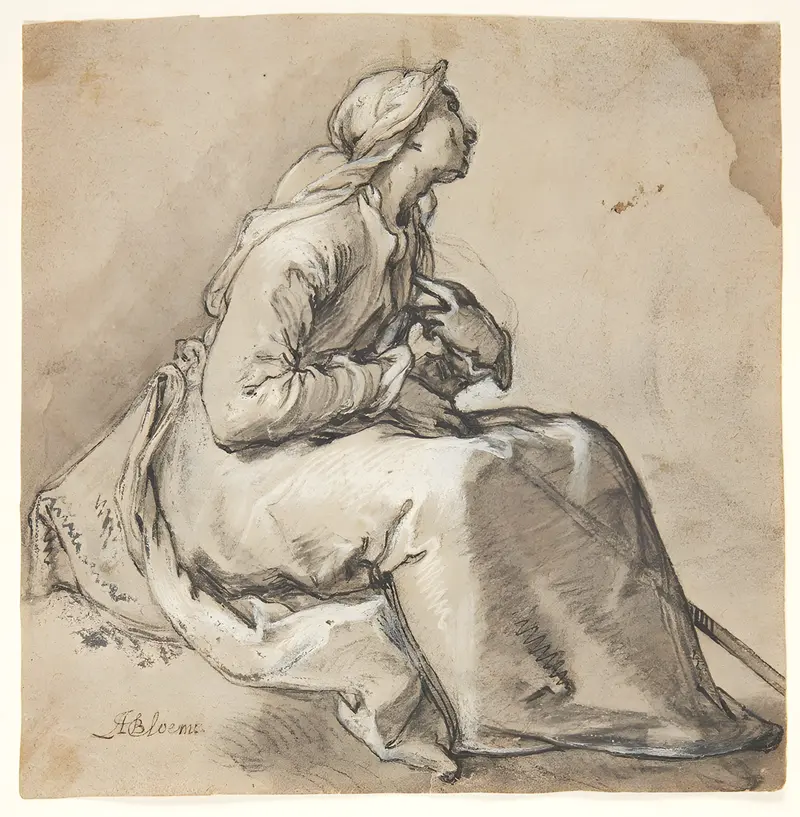
A seated woman facing right
Abraham Bloemaert
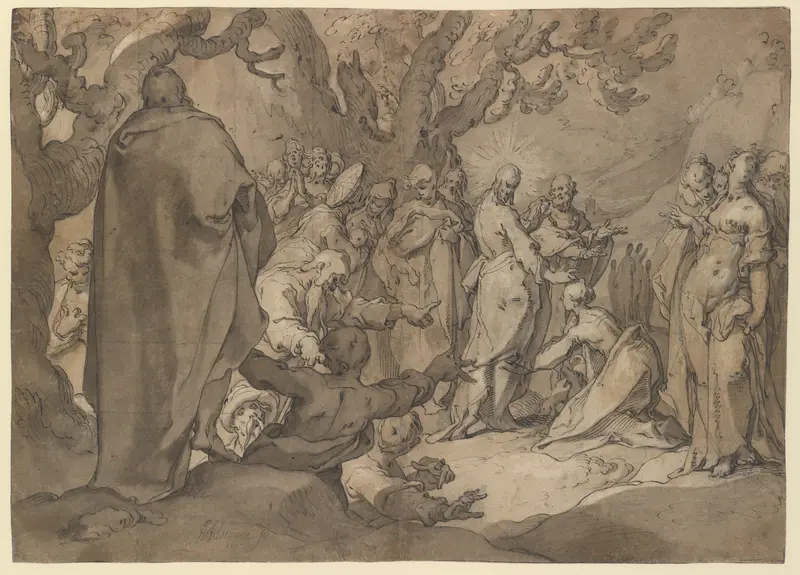
Christ and the Canaanite Women
Abraham Bloemaert
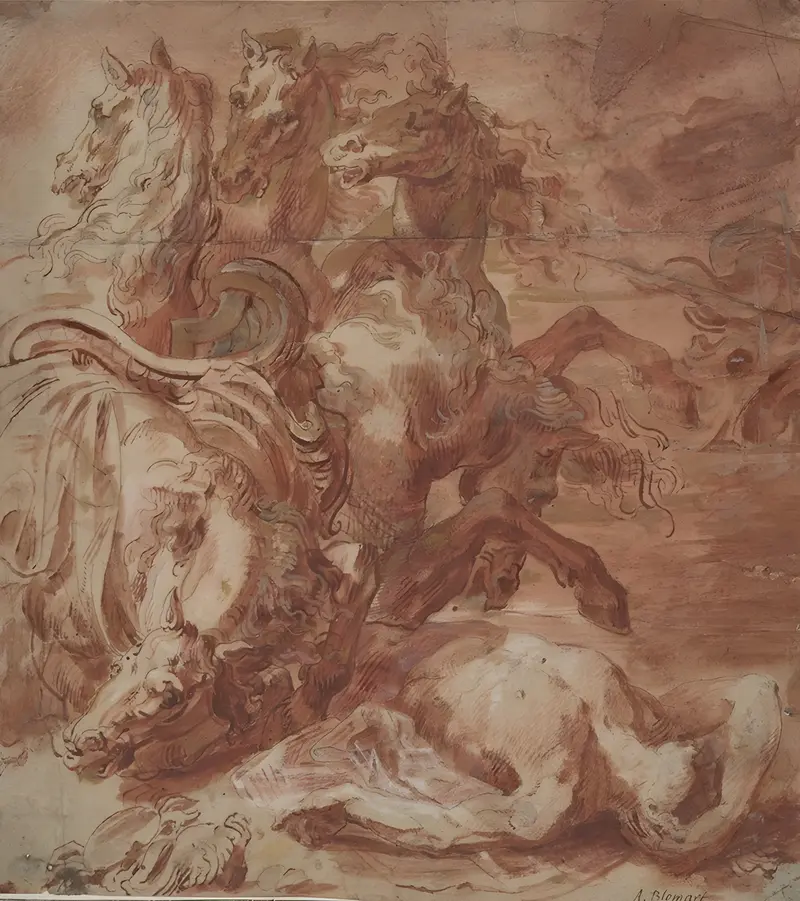
Hippolytus
Abraham Bloemaert
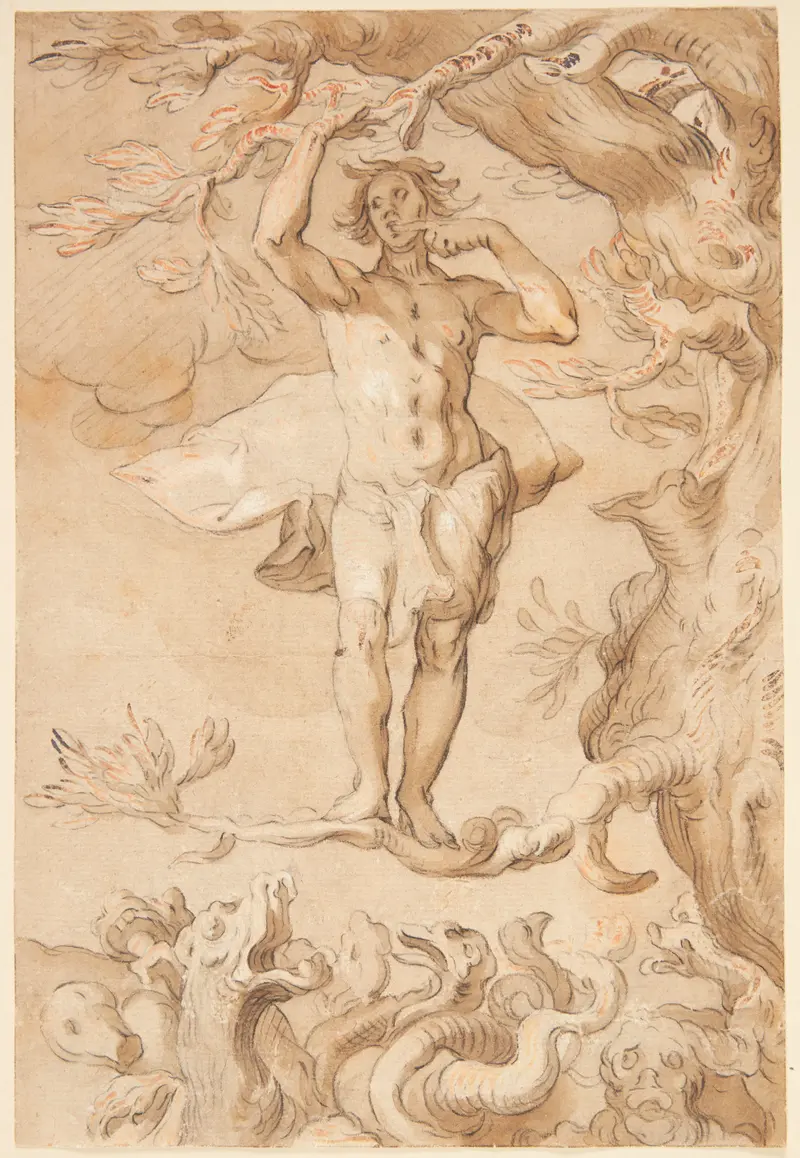
Den menneskelige glædes skrøbelighed En mand, der jages af en drage, klynger sig til en gren, mens han slikker honning af sin finger
Abraham Bloemaert

Moses Striking the Rock
Abraham Bloemaert
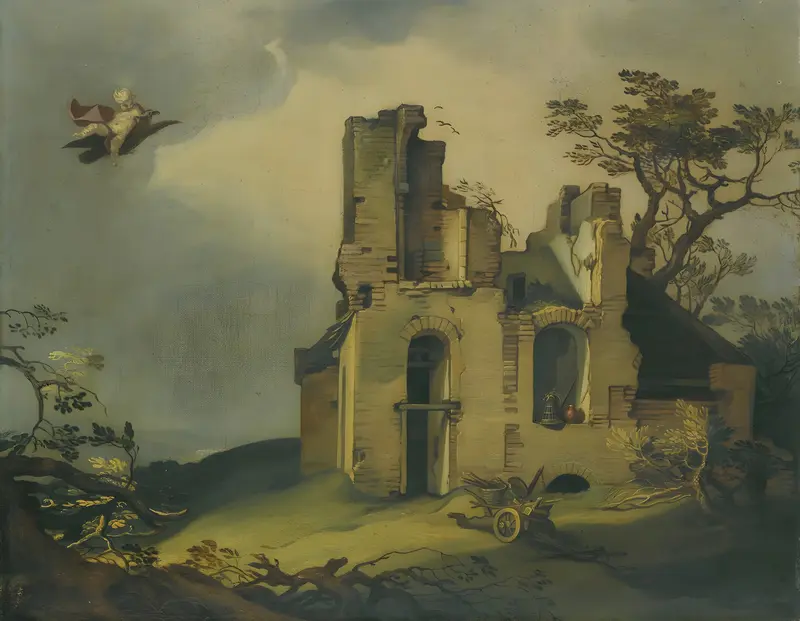
A Landscape With Ruins, With The Rape Of Ganymede
Abraham Bloemaert





