The woman at the toilet — History & Facts
The first thing that seizes the eye in The woman at the toilet is the way the figure dissolves into architecture and object, as if the act of getting ready is itself a construction. A single, sculptural arm curves overhead, its volume rendered in cool, metallic greys that set it apart from the flat, burning orange of the torso. The body is both present and absent—fragmented by sharp lines, boxed in by frames, and echoed in the geometric chess piece and striped forms below.
Léger’s palette is deliberate: the warm ochres and reds pulse against the clinical whites and blacks, while the purple in the upper corner hints at a private interiority. Every object—down to the striped box and the king—reads as both symbol and shape, inviting the viewer to decode the ritual of the toilette as a modern, almost industrial process. Painted in 1925, this work belongs to a world where the boundaries between the mechanical and the human were being redrawn. In the wake of the First World War, artists like Fernand Léger turned to the language of machinery and the rhythms of the city, finding beauty in the constructed and the everyday.
The female figure at her toilette, a subject with deep roots in European art, is here reimagined for the age of jazz and assembly lines. Léger’s approach—flattening space, emphasizing pattern, and reducing anatomy to cylinders and blocks—signals the era’s fascination with progress and the machine aesthetic. The painting’s origins are documented: signed and dated by Léger himself in 1925, it now survives as a vivid record of a moment when art, industry, and daily life collided.
The longer you look, the more its puzzle pieces refuse to settle, holding you in that charged, modern pause.
More Artworks by Fernand Léger

The Tugboat Bridge
Fernand Léger
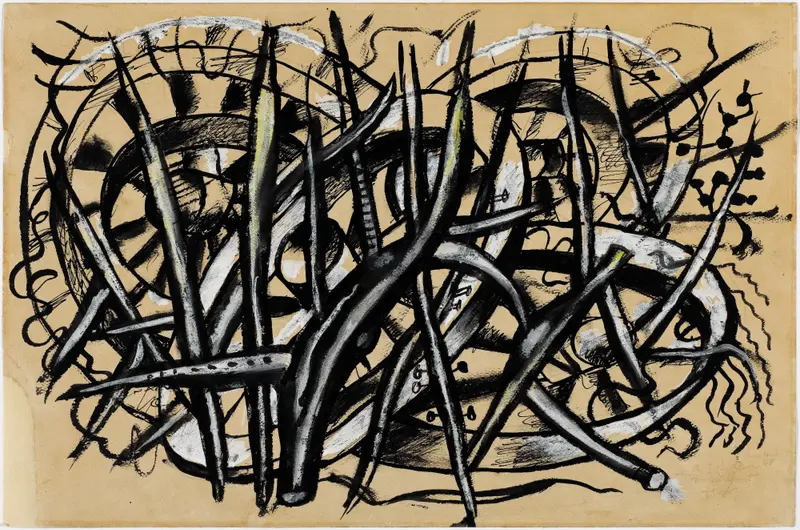
The Wheels
Fernand Léger

Le Cirque Médrano
Fernand Léger
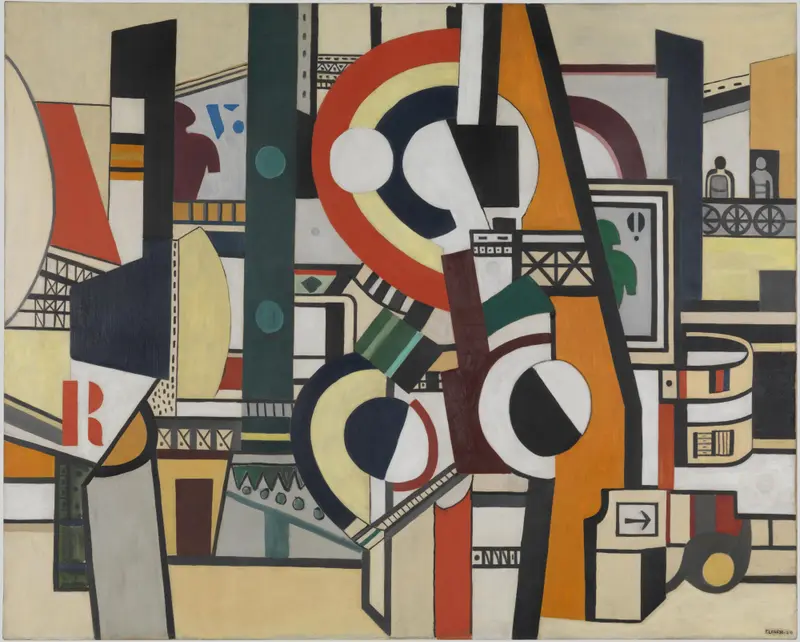
The Disks in the City
Fernand Léger
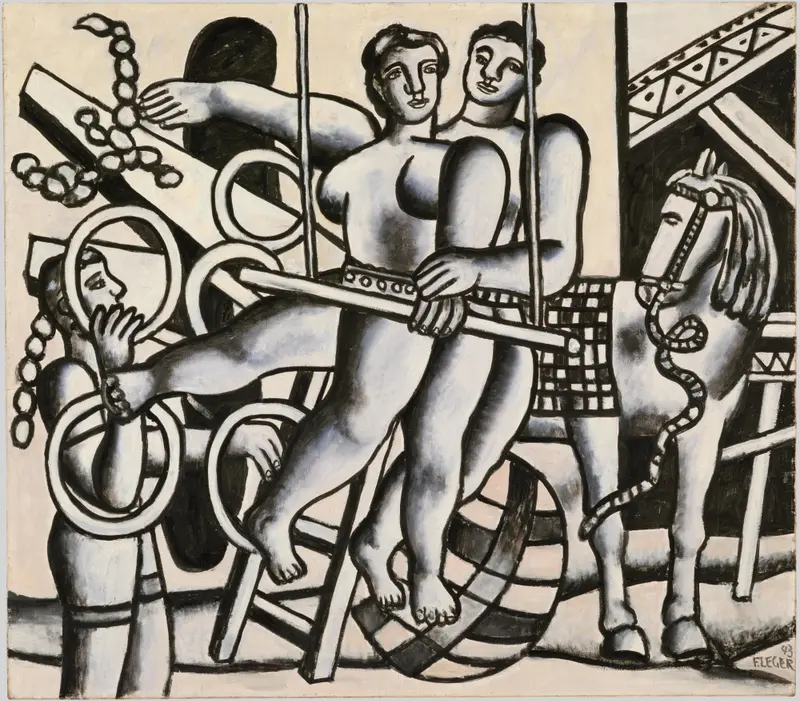
Le Jongleur et les acrobates
Fernand Léger
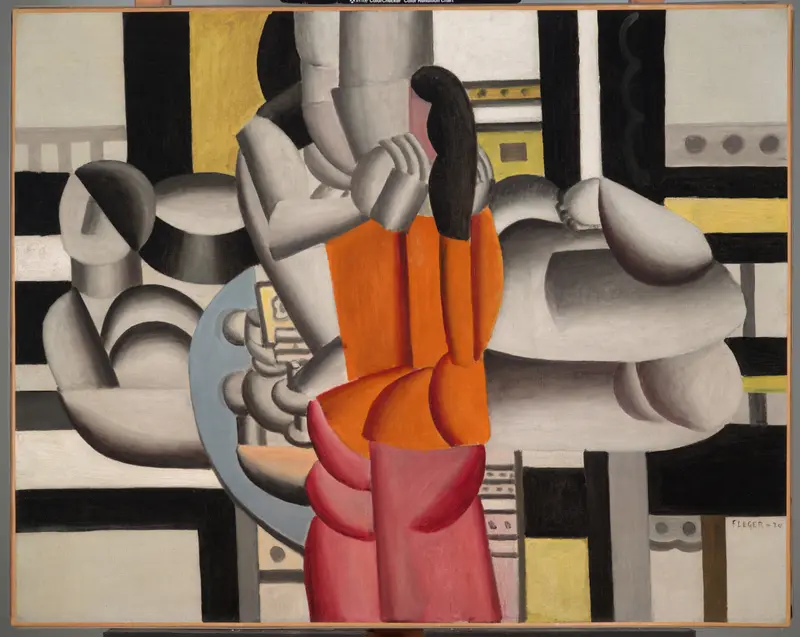
Three Women and Still Life (Déjeuner)
Fernand Léger
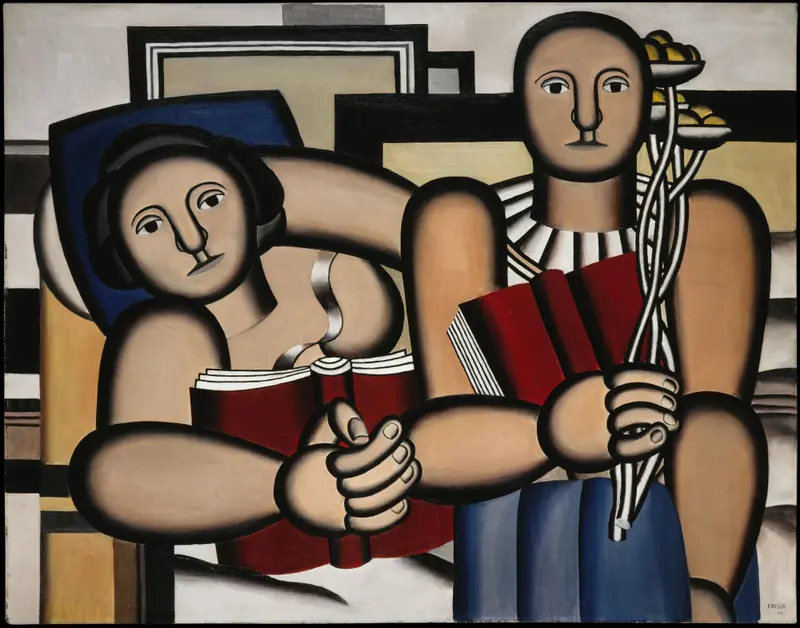
Reading
Fernand Léger
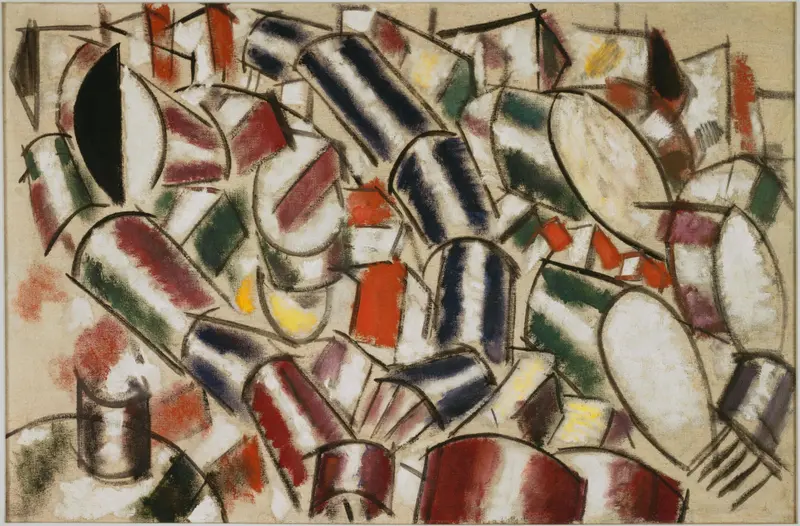
Femme couchée
Fernand Léger
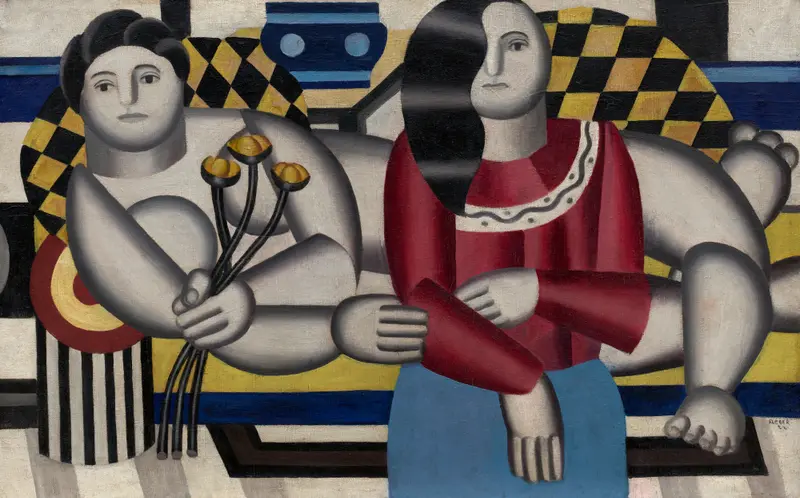
Woman holding flowers
Fernand Léger
The Tug
Fernand Léger