
The Yellow Room — History & Facts
In The Yellow Room, James Abbott McNeill Whistler presents a vibrant interior scene dominated by shades of yellow. The room is filled with light, creating a warm and inviting atmosphere. Various objects, including furniture and decorative items, are arranged thoughtfully throughout the space.
The overall composition draws the viewer's eye across the canvas, inviting exploration of the details. This painting is created using oil on canvas, a medium that allows for rich color and texture. Whistler's brushwork is loose yet deliberate, contributing to the impressionistic quality of the work. The use of light and shadow enhances the three-dimensionality of the objects in the room.
Viewers can appreciate the careful attention to detail in the arrangement of the space. The Yellow Room is a notable example of Whistler's exploration of color and light in interior settings. Created in the 1880s, it reflects the artist's interest in capturing the essence of a moment rather than a detailed representation. An interesting fact about this work is that it was inspired by Whistler's own living space, showcasing his personal connection to the subject.
This painting exemplifies the Impressionist style, emphasizing the effects of light on color.
More Artworks by James Abbott McNeill Whistler
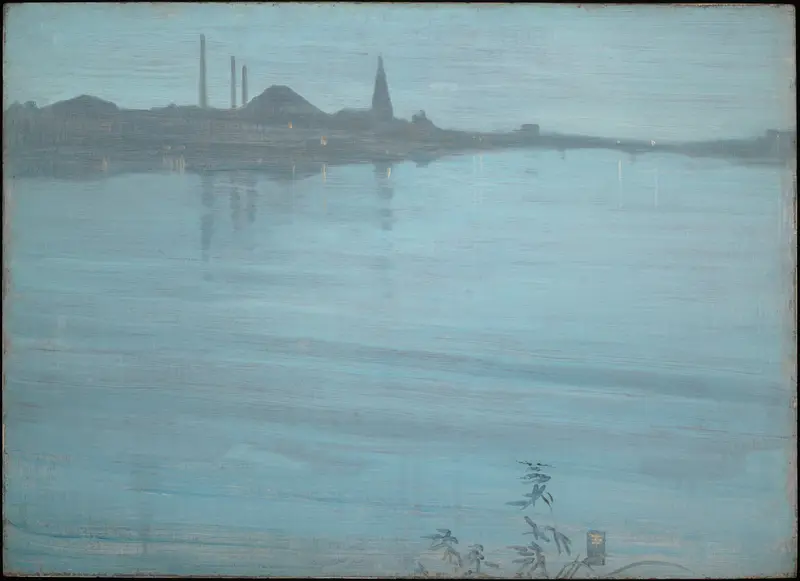
Nocturne in Blue and Silver
James Abbott McNeill Whistler

Nocturne
James Abbott McNeill Whistler
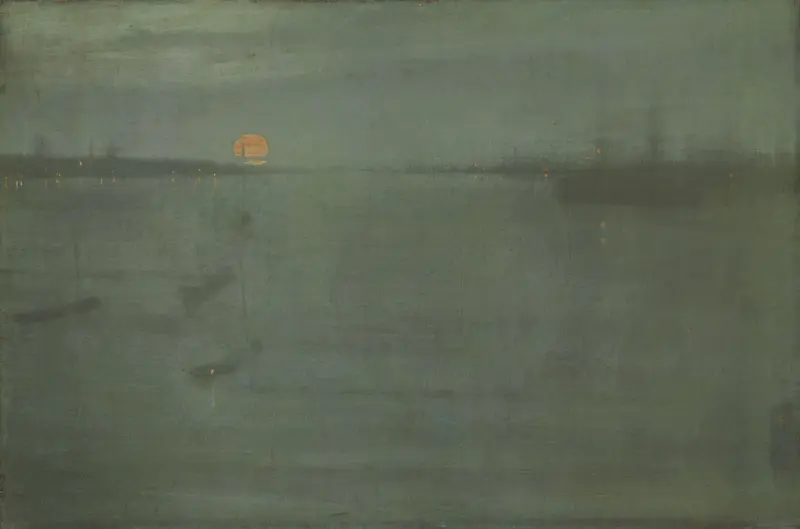
Nocturne: Blue and Gold–Southampton Water
James Abbott McNeill Whistler
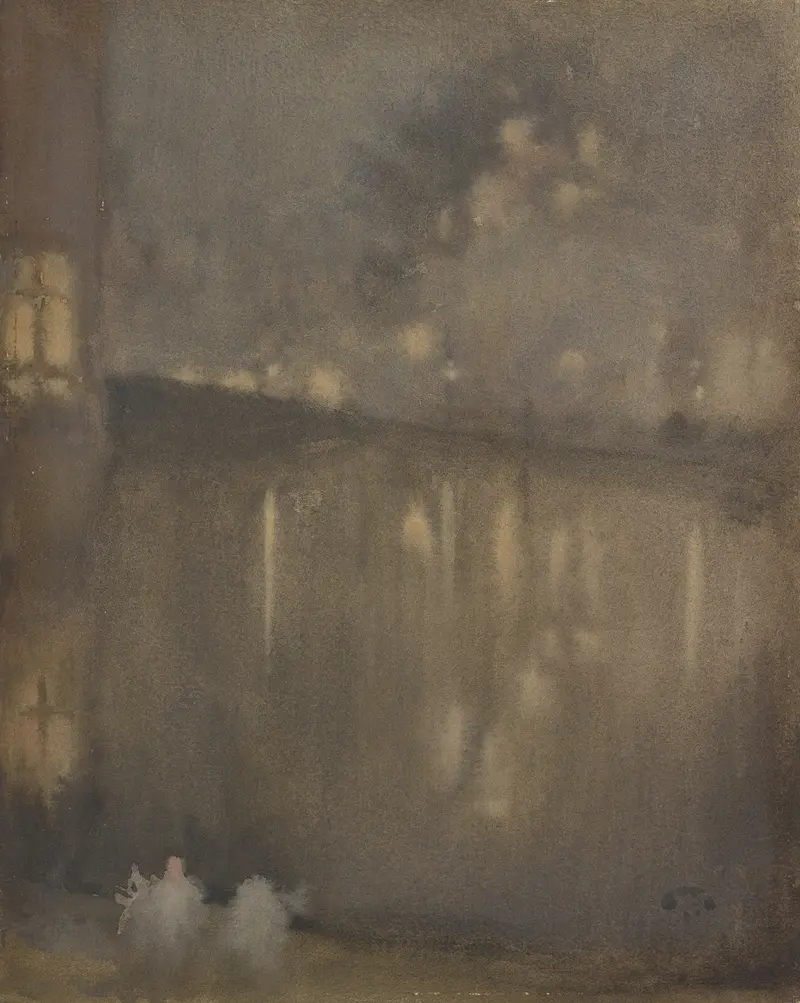
Nocturne: Grey and Gold–Canal, Holland
James Abbott McNeill Whistler
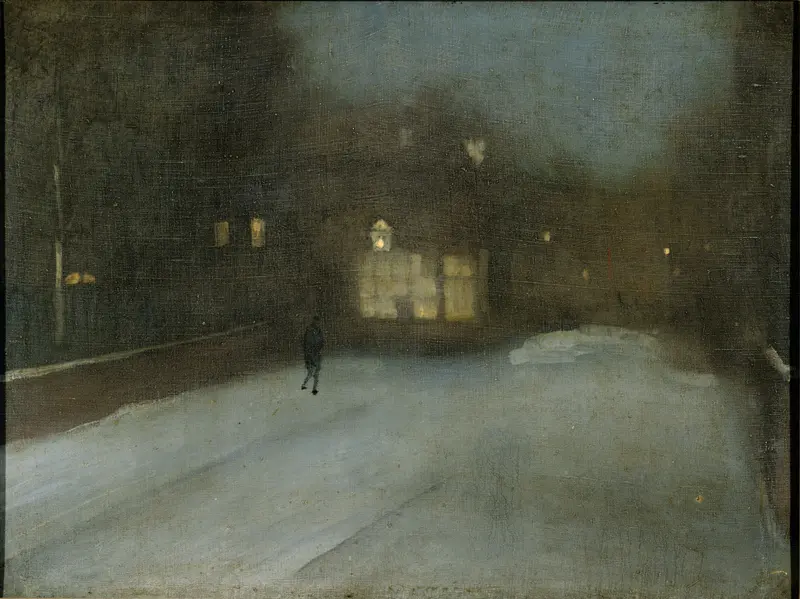
Nocturne in Grey and Gold: Chelsea Snow
James Abbott McNeill Whistler
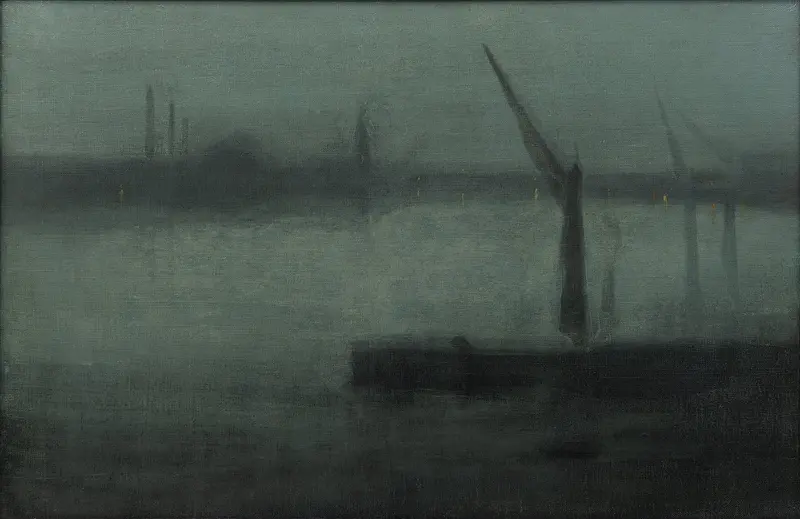
Nocturne: Blue and Silver–Battersea Reach
James Abbott McNeill Whistler
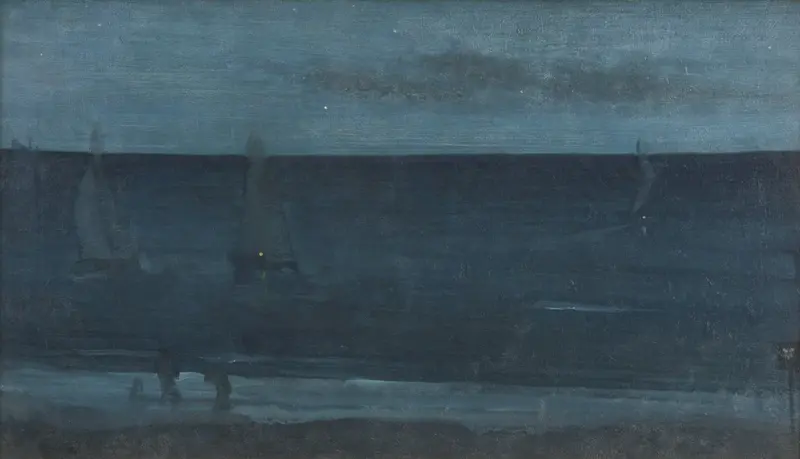
Nocturne: Blue and Silver–Bognor
James Abbott McNeill Whistler

Old Battersea Bridge
James Abbott McNeill Whistler
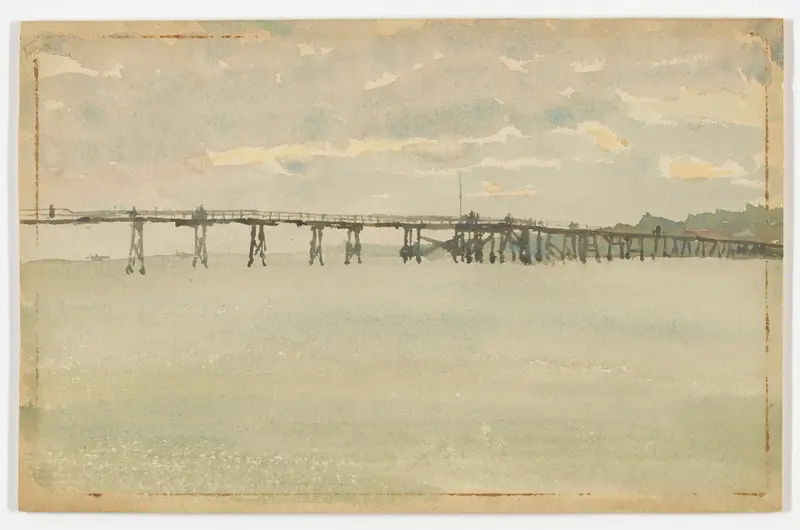
Grey and Silver–Pier, Southend
James Abbott McNeill Whistler
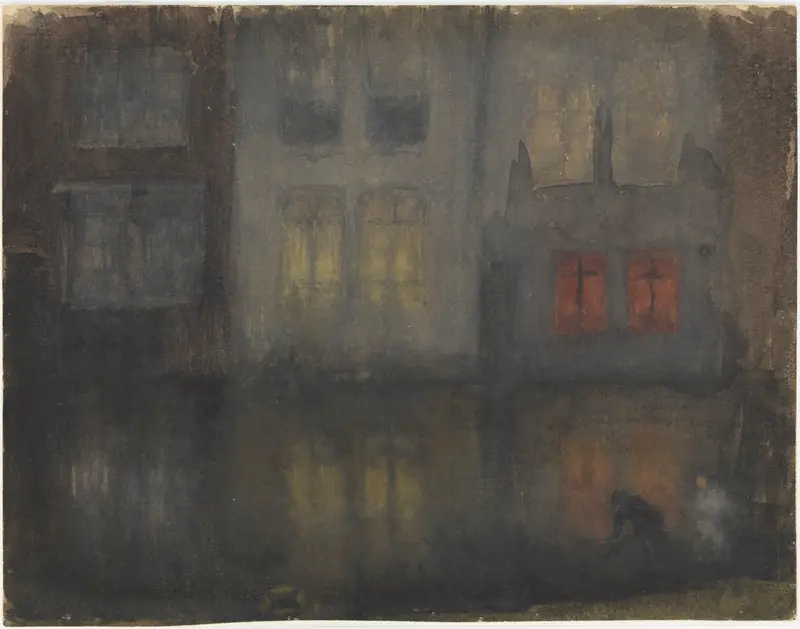
Nocturne: Black and Red—Back Canal, Holland
James Abbott McNeill Whistler





