
The Young Savant Mother — History & Facts
When The Young Savant Mother first appeared in Paris in 1780, its subject was both novel and quietly provocative: a woman, not only nurturing her child but also engaged in scholarly pursuits. In the late eighteenth century, French society was grappling with Enlightenment ideas about education and the role of women, and Jean-Honoré Fragonard’s painting became a talking point among salon visitors. The work’s title itself was a curiosity, hinting at a merging of maternal and intellectual identities that was rare in art of the period.
While there is no record of a specific patron, its appearance coincided with heated debates about Rousseau’s writings on motherhood and the education of girls. In the painting, a young mother sits beside her child, one hand gently guiding a small book while her other arm encircles the toddler. The moment Fragonard captures is one of quiet instruction: the mother’s gaze is attentive, her lips parted as if mid-lesson, while the child’s chubby fingers trace the page. Light falls softly across the scene, illuminating the open book and the mother’s thoughtful expression, suggesting the transmission of knowledge as a tender, almost sacred act.
The inclusion of scholarly objects—a globe, scattered papers—signals the mother’s own education, setting this work apart from the more decorative maternal scenes of Fragonard’s contemporaries, such as the sentimental domesticity found in Jean-Baptiste Greuze’s The Broken Eggs. The subsequent history of The Young Savant Mother is somewhat obscure, as is often the case with Fragonard’s lesser-known works. The painting’s medium remains uncertain, though its loose handling and luminous color are characteristic of Fragonard’s late style. It is believed to have remained in private hands for much of the nineteenth century, surfacing only occasionally in exhibition catalogues.
Today, the painting is recognized as a rare example of Enlightenment-era interest in female intellect and agency—a theme Fragonard explored only briefly before turning to more playful or pastoral subjects. Its current location is not firmly established, but it is often included in scholarly discussions of the artist’s mature period, when his brush grew freer and his themes more reflective of contemporary social change.
More Artworks by Jean-Honoré Fragonard
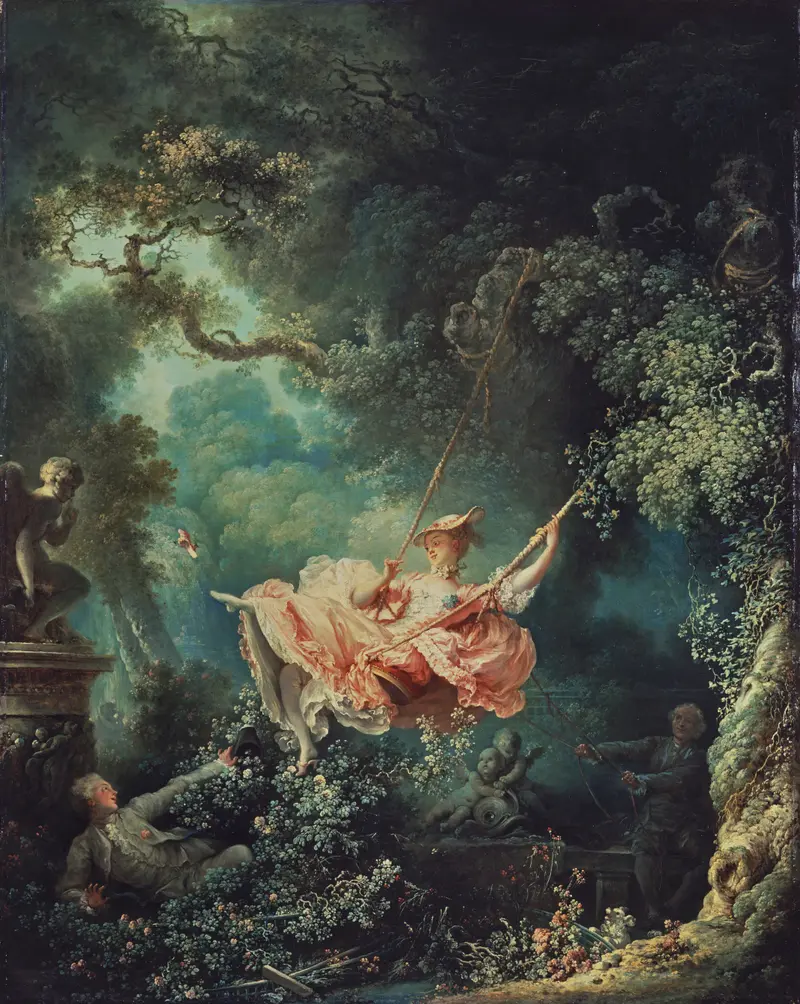
The Swing
Jean-Honoré Fragonard

The Swing
Jean-Honoré Fragonard
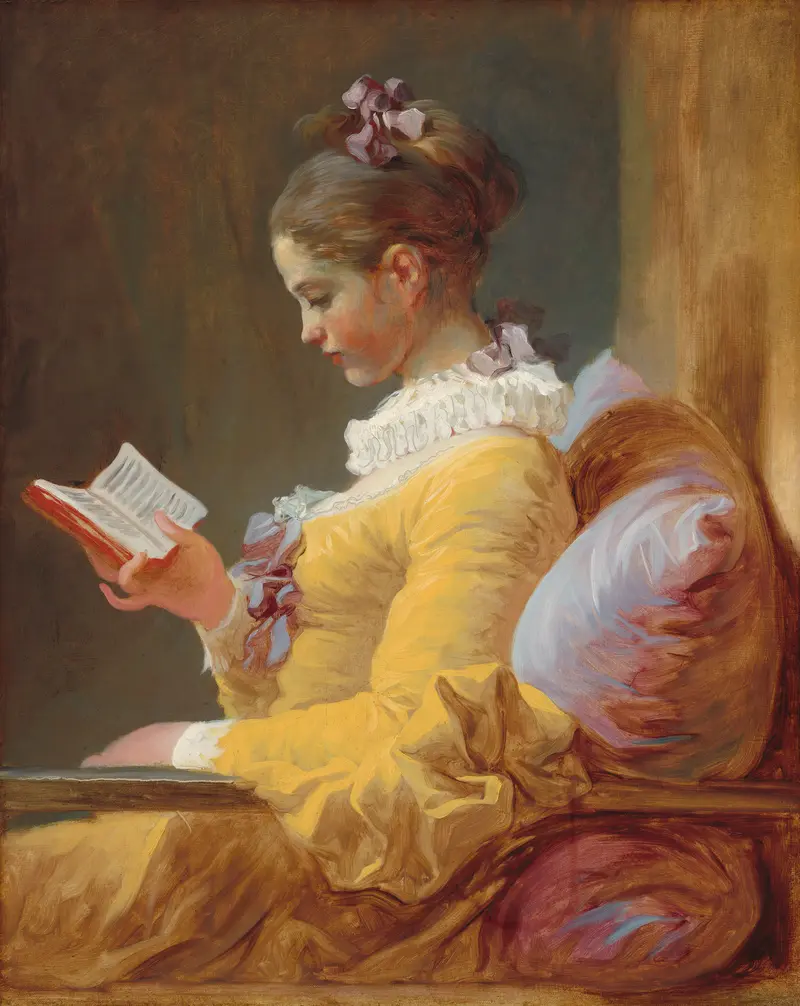
A Young Girl Reading
Jean-Honoré Fragonard
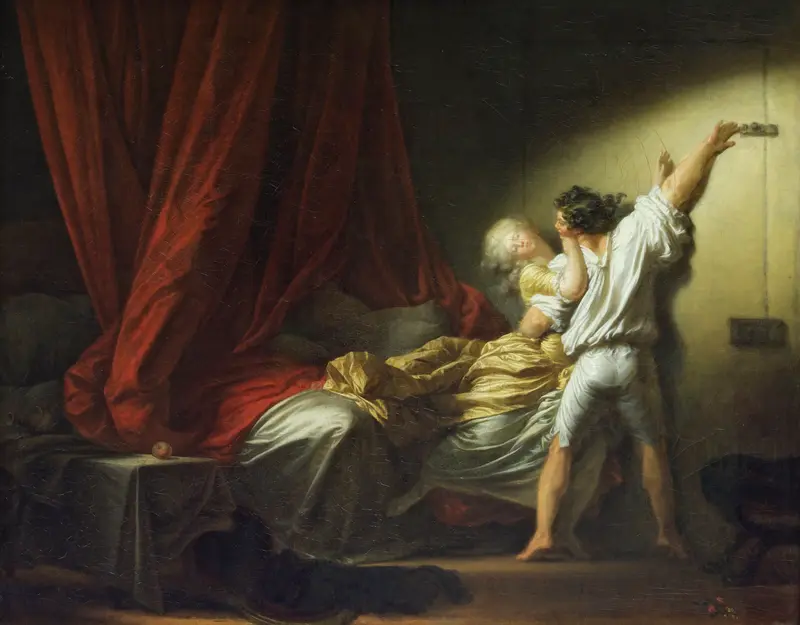
The Lock
Jean-Honoré Fragonard
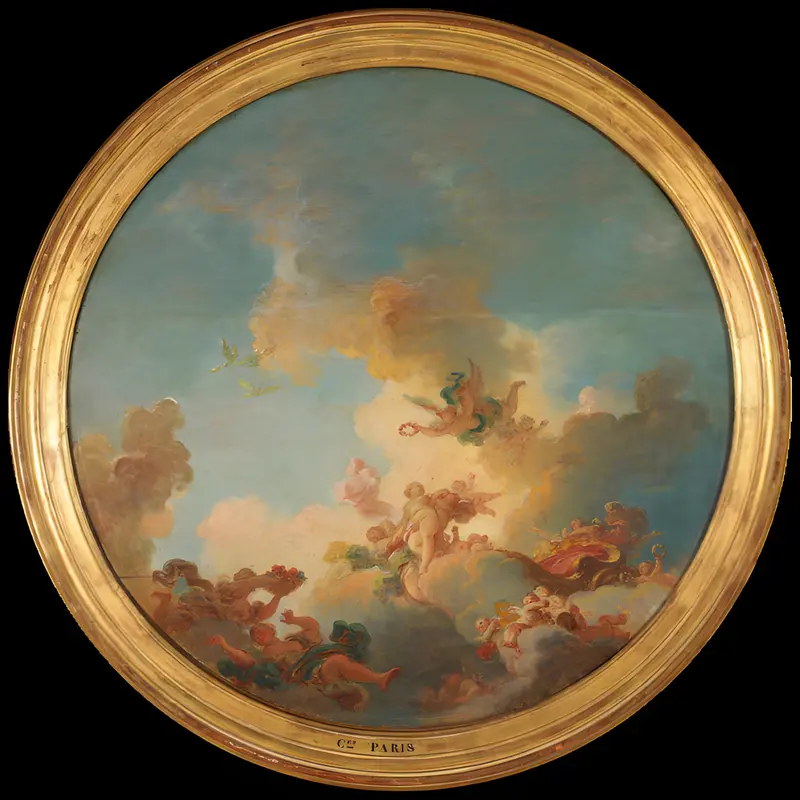
The Triumph of Venus
Jean-Honoré Fragonard
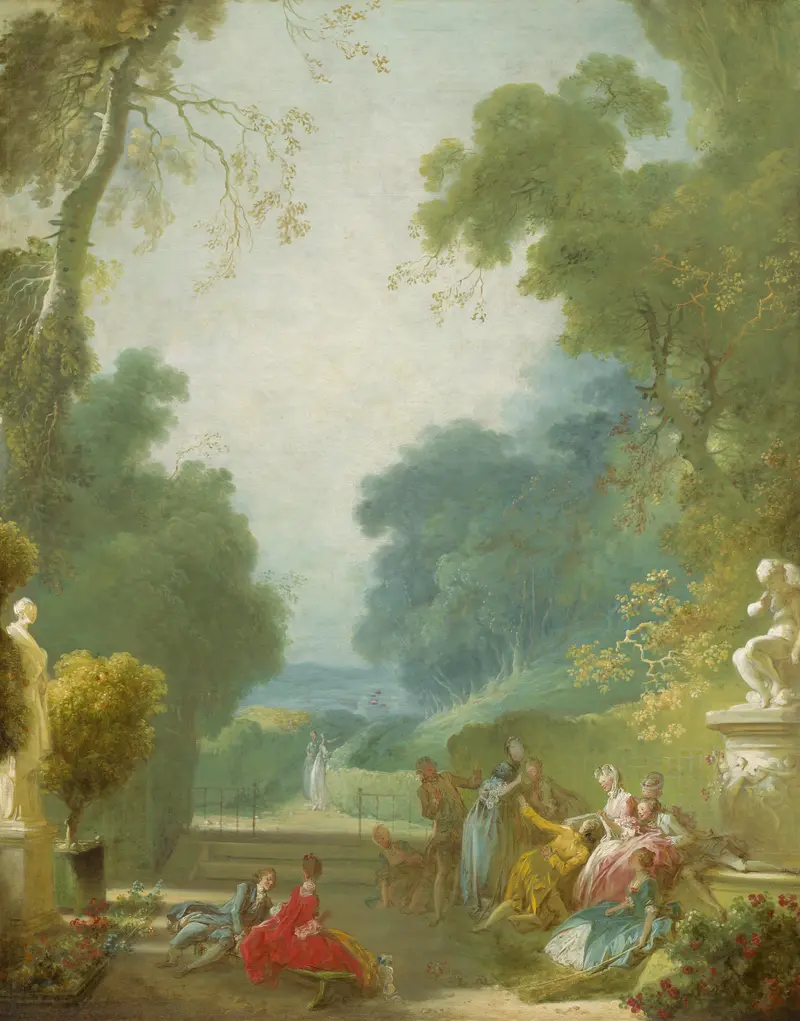
A Game of Hot Cockles
Jean-Honoré Fragonard
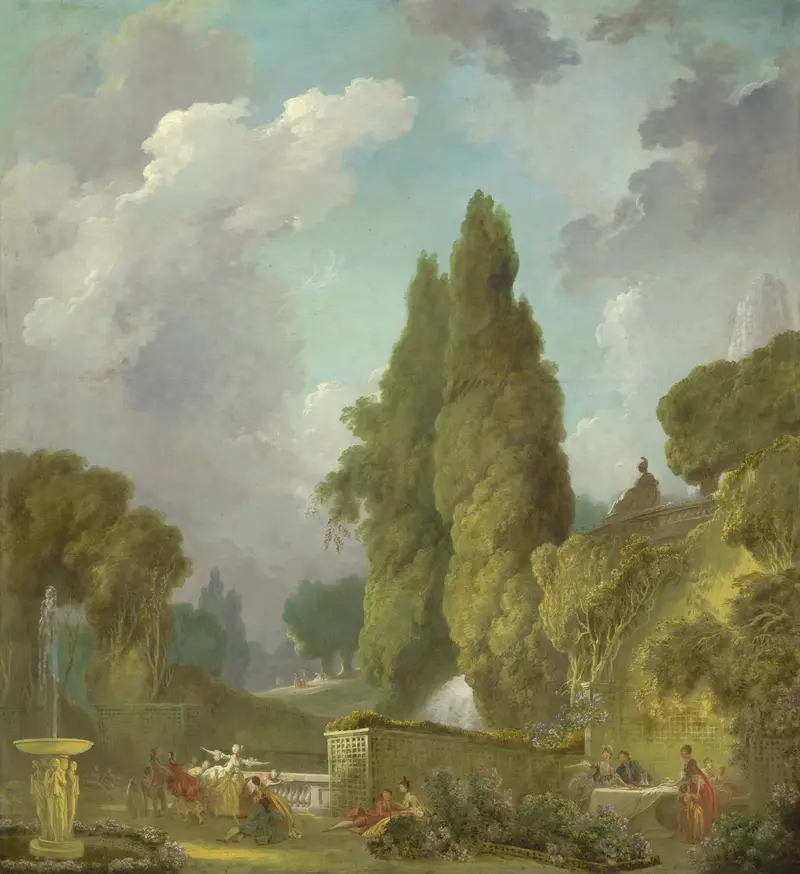
Blindman’s Buff
Jean-Honoré Fragonard
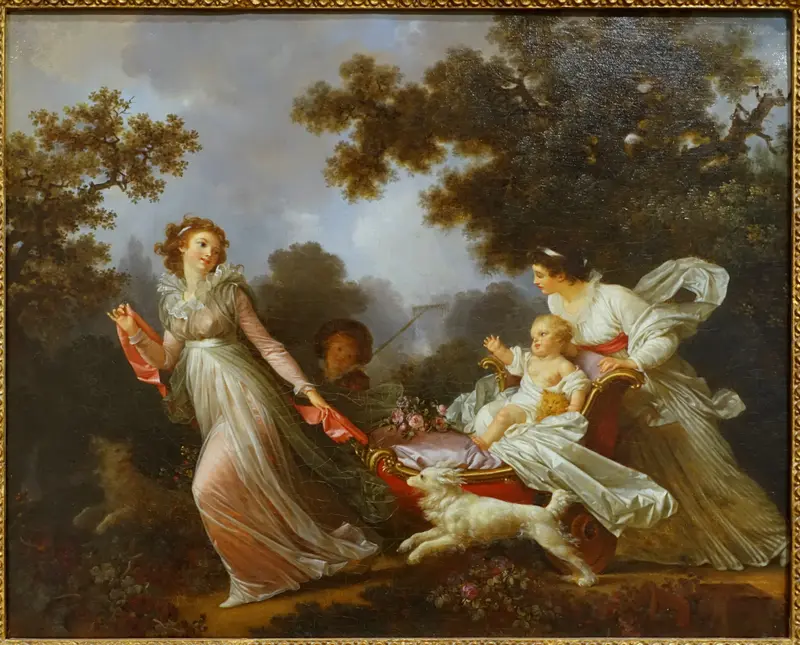
The Beloved Child
Jean-Honoré Fragonard
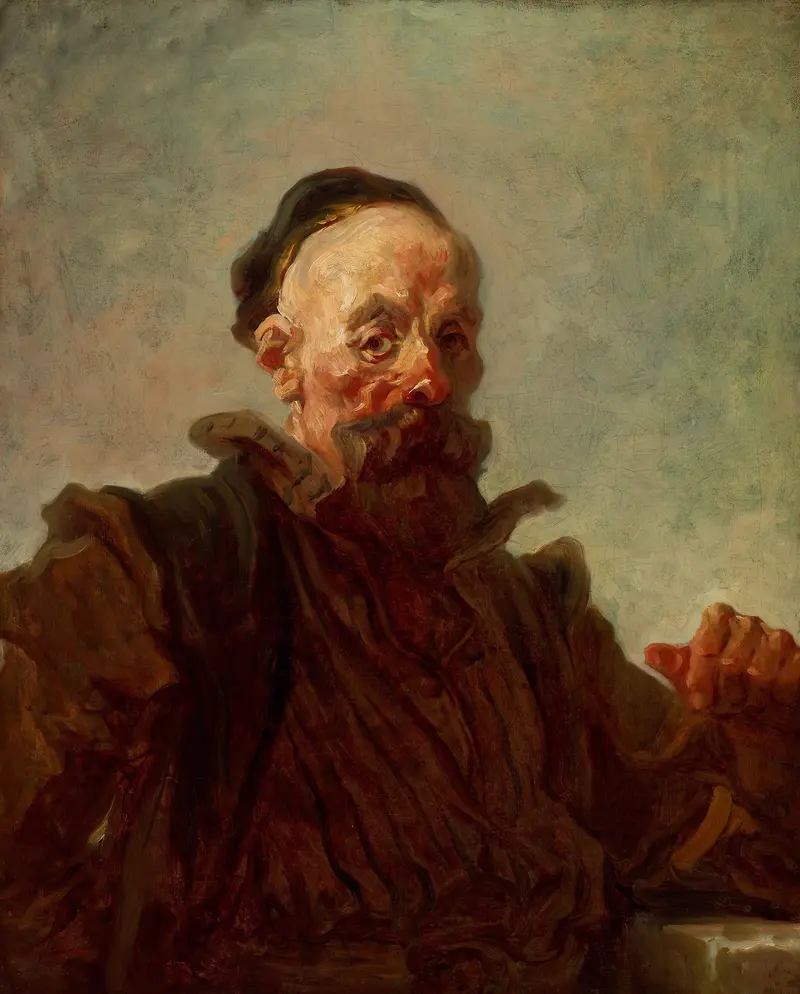
Portrait of a Man in Costume
Jean-Honoré Fragonard
The First Steps
Jean-Honoré Fragonard
More Genre Scene Art

Banquet of the Officers of the St George Civic Guard
Frans Hals

Rembrandt and Saskia in the Scene of the Prodigal Son
Rembrandt van Rijn

Bal du moulin de la Galette
Pierre-Auguste Renoir

Quadrille at the Moulin Rouge
Henri de Toulouse-Lautrec

A Burial at Ornans
Gustave Courbet

When Will You Marry?
Paul Gauguin