
Thomas Carmichael, 5th Earl Of Hyndford — History & Facts
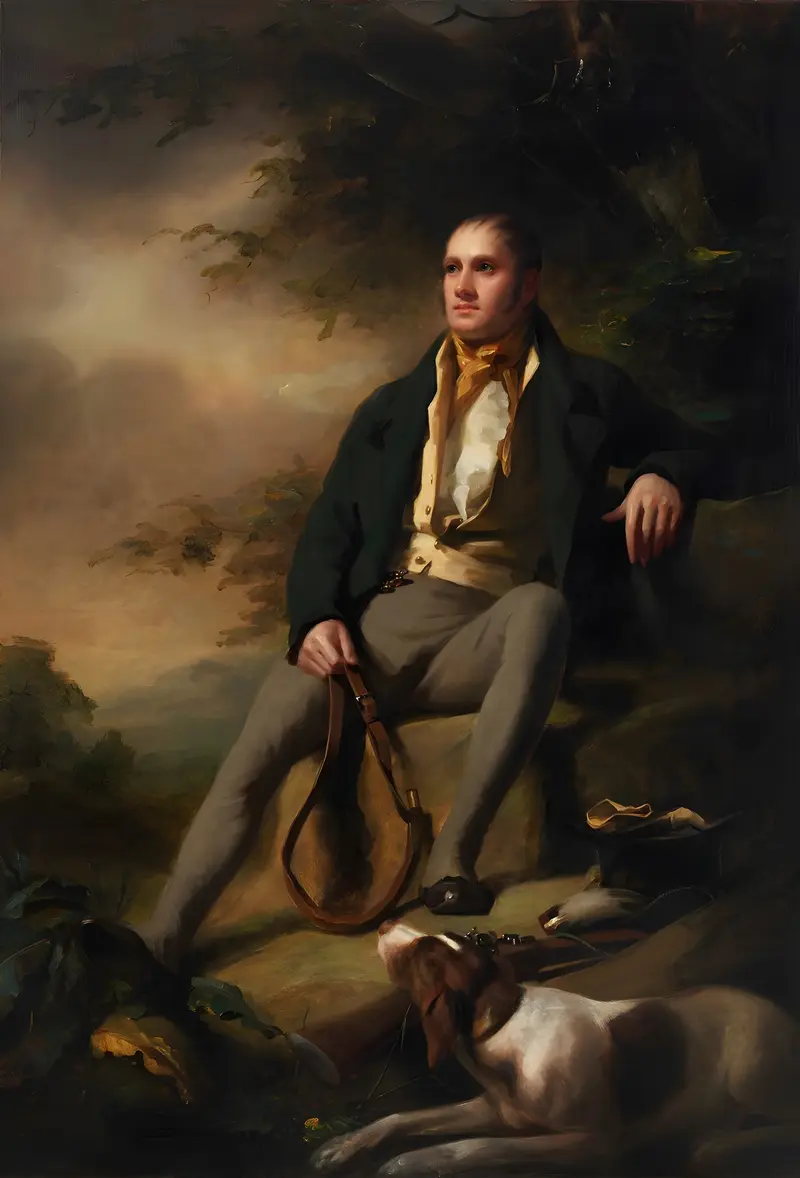
When Sir Henry Raeburn painted Thomas Carmichael, 5th Earl Of Hyndford, he captured not just a likeness but a man whose life intersected with the shifting fortunes of the Scottish aristocracy during the late 18th and early 19th centuries. The Carmichael family, with roots stretching back centuries, saw their influence wane as the old order gave way to new political realities. It is said that Raeburn, the preeminent Scottish portraitist of his day, was sought after by the nobility precisely for his ability to convey both the dignity and the anxieties of his sitters.
In this portrait, the Earl’s direct gaze and composed bearing offer a window into a world on the cusp of change. Raeburn chooses to present Hyndford at rest, yet alert—a man in the fullness of his years, dressed in sober, elegant attire that signals both rank and reserve. The Earl’s hand rests lightly on a table, a subtle assertion of control and stability, while the play of light across his face and the rich, dark background serve to heighten the sense of introspection. The artist’s brushwork, looser and more atmospheric than that of his English contemporaries like Sir Thomas Lawrence, creates a sense of immediacy and psychological presence.
The absence of ostentatious symbols—no grand orders, no extravagant props—focuses attention on the sitter’s character rather than his possessions or titles. The precise circumstances of this portrait’s commission remain uncertain, as do the details of its early provenance. Like many of Raeburn’s works, it likely remained in the family’s possession for generations before entering public or private collections. Today, Thomas Carmichael, 5th Earl Of Hyndford stands as a testament to Raeburn’s reputation as the foremost chronicler of Scotland’s elite during a period of transition, and to his gift for capturing the subtle interplay between public role and private self.
The painting’s current location is not widely documented, but its style and subject place it firmly within the mature phase of Raeburn’s career, when his portraits became touchstones for the depiction of Scottish identity.
More Artworks by Sir Henry Raeburn

Portrait of Hugh Hope
Sir Henry Raeburn
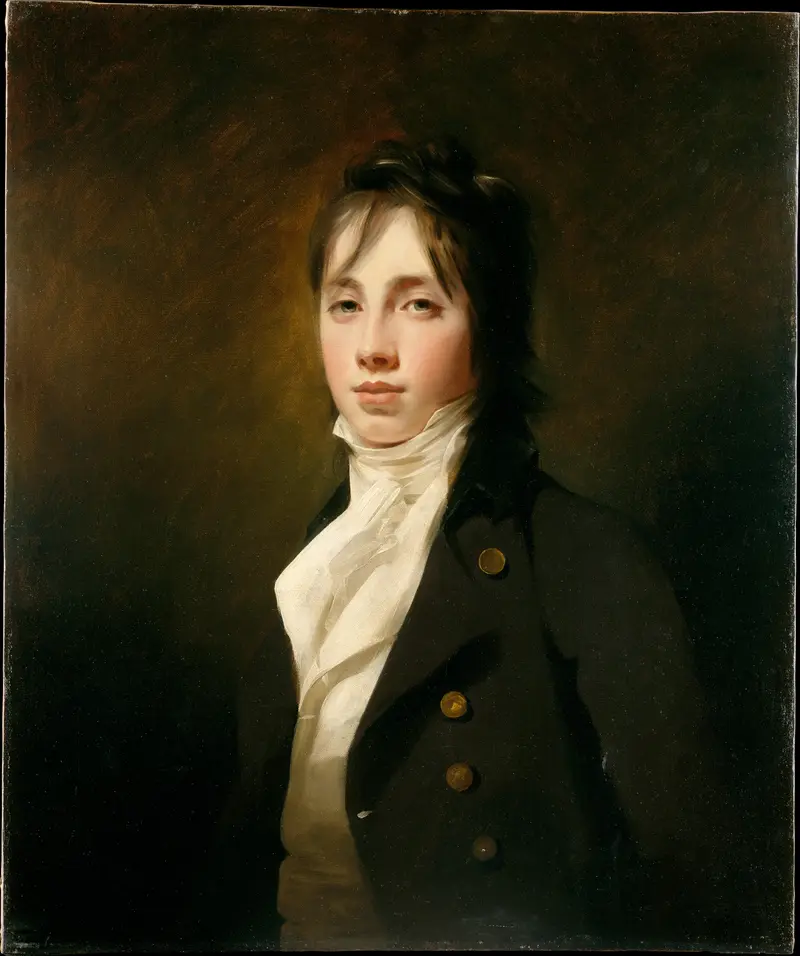
William Fraser of Reelig (1784–1835)
Sir Henry Raeburn
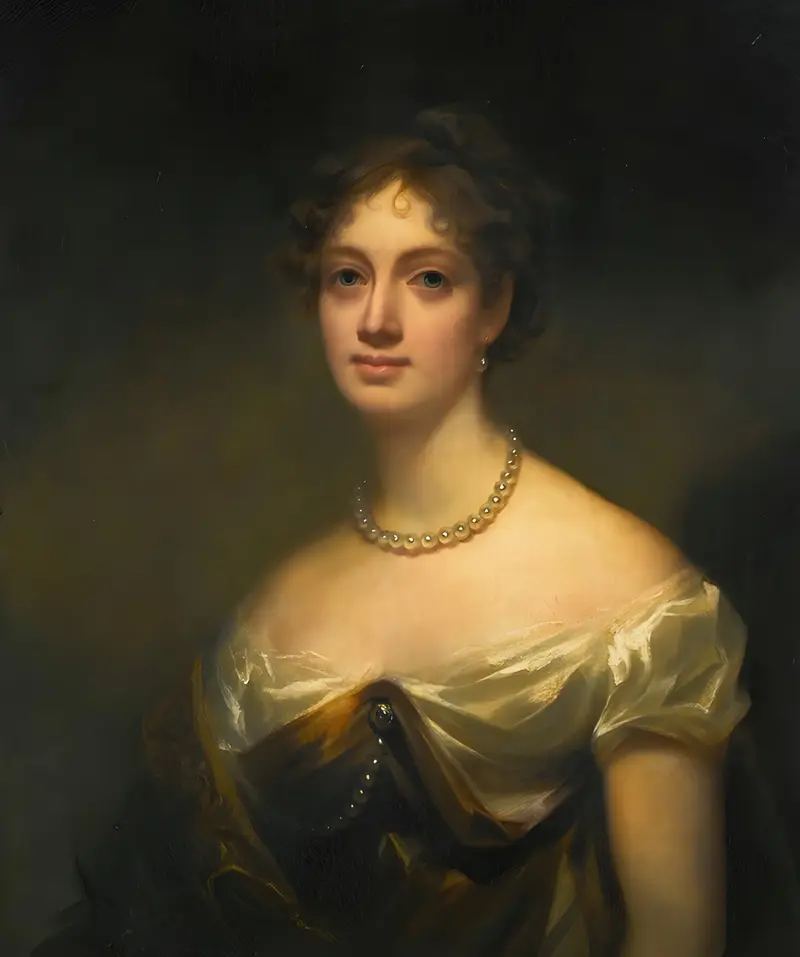
Portrait Of Anne Blair Maconochie Welwood Of Garvock, Lady Meadowbank (1784–1866)
Sir Henry Raeburn
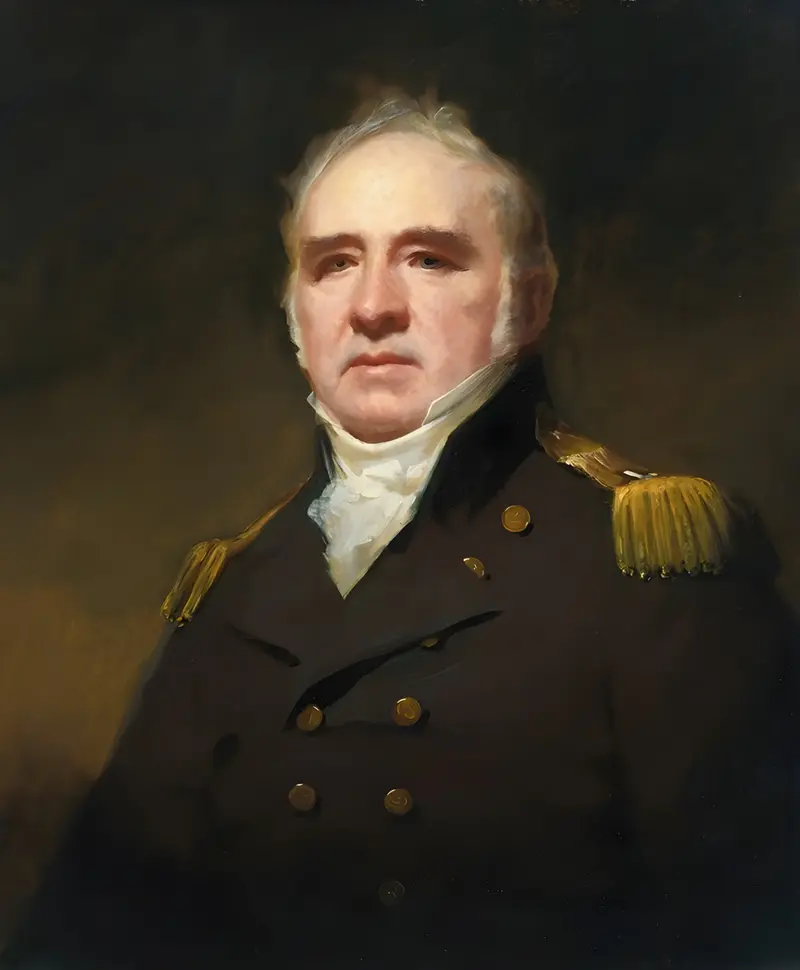
Portrait Of Captain James Forbes-Drummond, R.N., Of Hawthornden
Sir Henry Raeburn
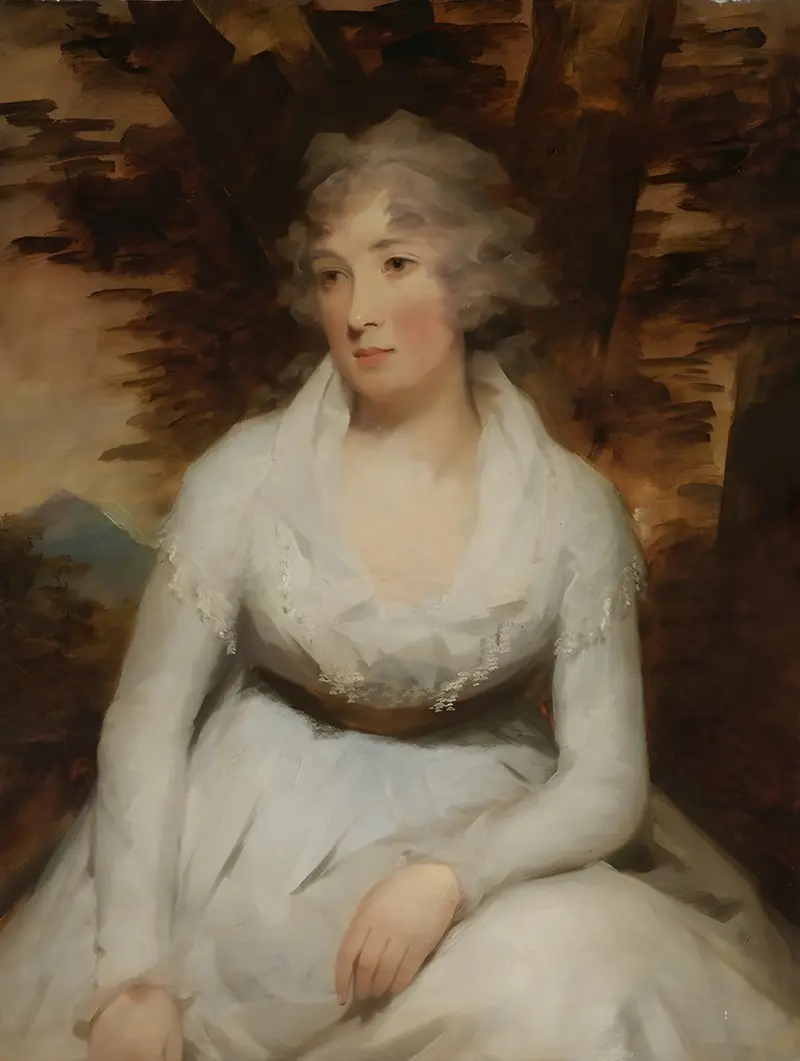
Miss Elizabeth Dalrymple (afterwards Mrs. George Leith)
Sir Henry Raeburn
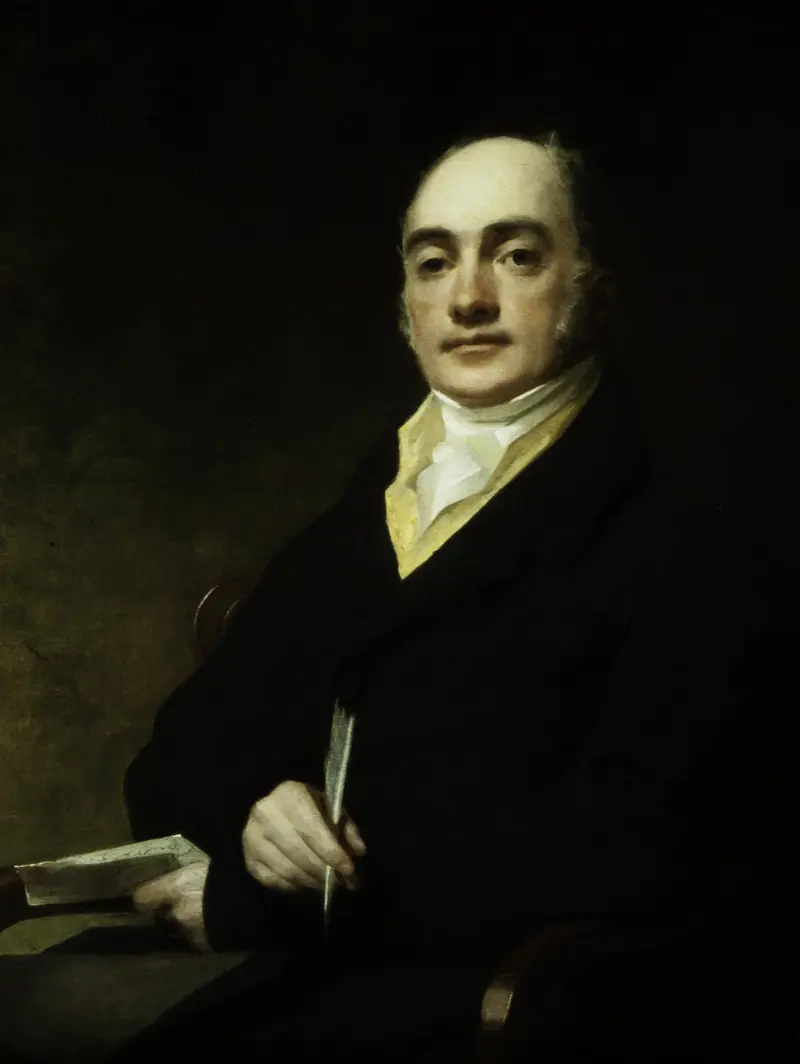
Portrait of John Baillie (1772-1833)
Sir Henry Raeburn
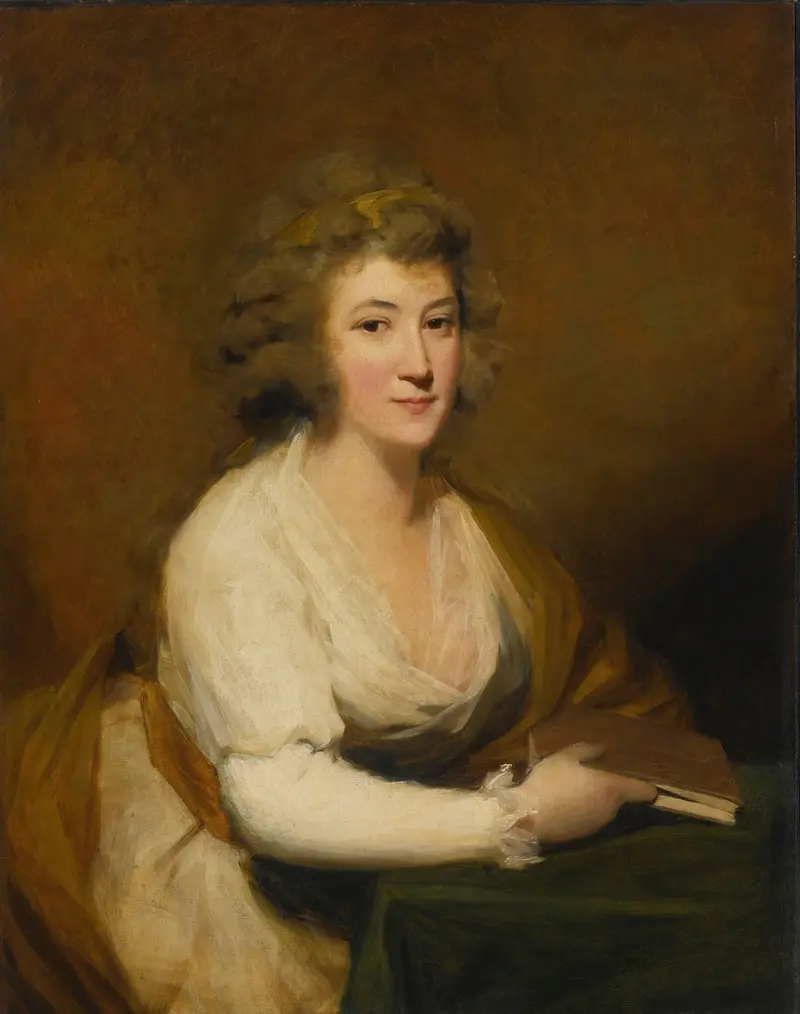
Portrait Of Lady Nasmyth, In A White Dress And Brown Shawl, Seated At A Table, Holding A Book
Sir Henry Raeburn
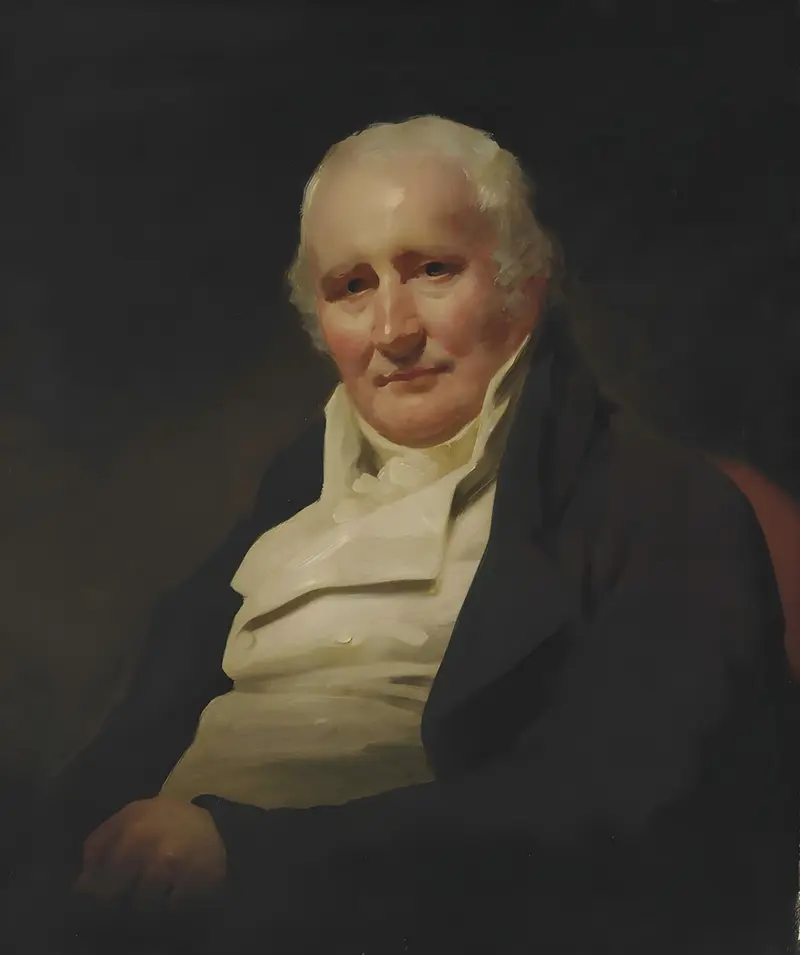
Portrait Of Mr. Spottiswood
Sir Henry Raeburn
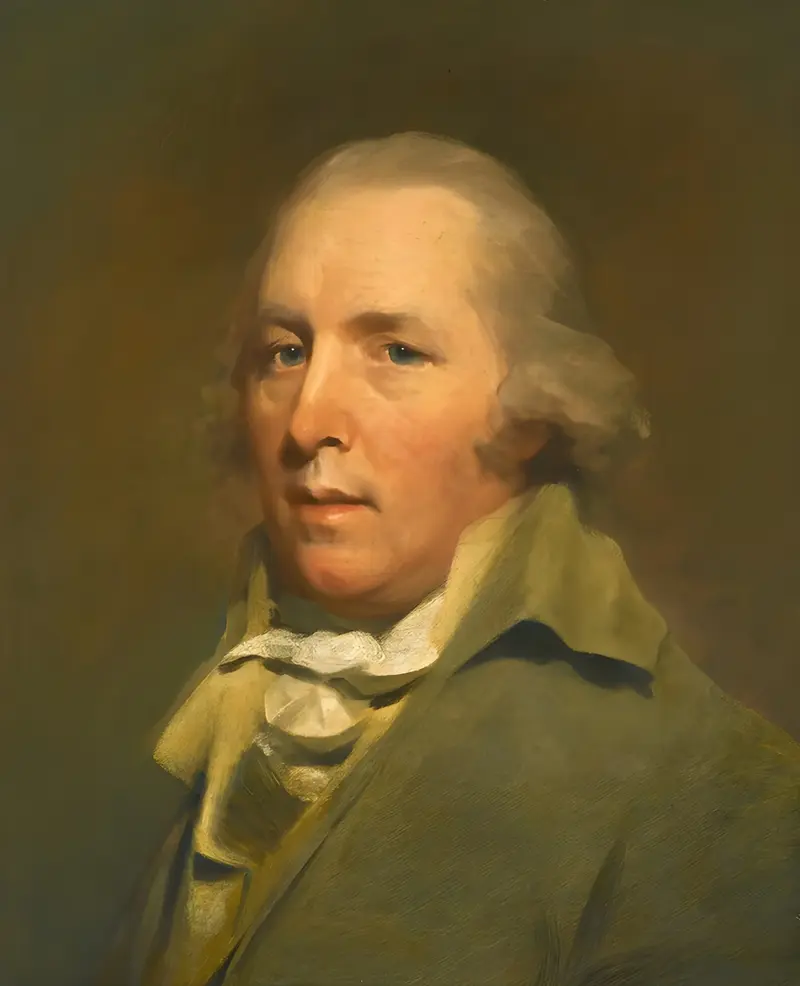
Portrait Of The Reverend John Home (1722-1808)
Sir Henry Raeburn
Portrait of William Hunt (c.1796-1854), Pittencrief House, Dunfermline
Sir Henry Raeburn





