
Three Camaldolese Monks in Ecstatic Prayer — History & Facts
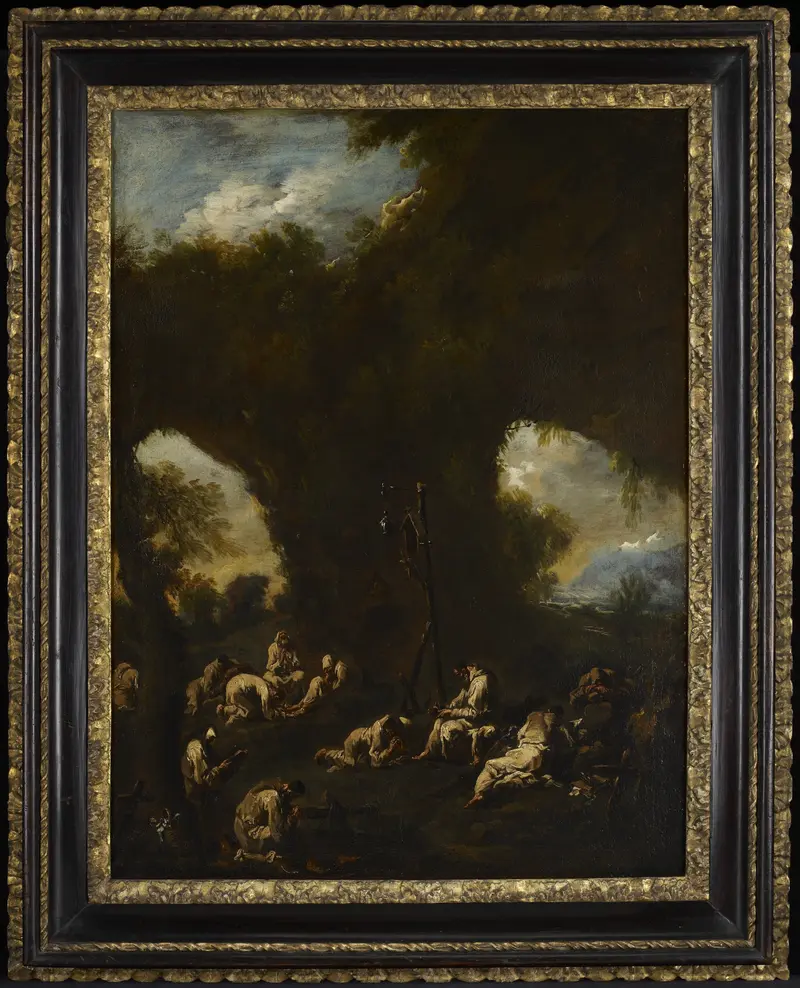
What first catches the eye in Three Camaldolese Monks in Ecstatic Prayer is not serenity, but a wild, almost storm-tossed energy. The monks’ white habits seem to flicker and twist in the half-light, their bodies contorted in postures of rapture and exhaustion. One figure kneels, head bowed and hand outstretched toward a rough altar, while another collapses in a heap of cloth, and a third flings his arms upward as if swept by a force beyond sight.
The rocky cave setting presses in, yet a patch of blue sky cracks open above, drawing the gaze upward and hinting at the spiritual breakthrough these men seek. The skull and open book on the altar are not mere props; they are reminders of mortality and the written word as the path to divine encounter. This painting belongs to the early eighteenth century, a time when religious orders like the Camaldolese—hermits devoted to prayer and solitude—were both venerated and mysterious. Artists such as Alessandro Magnasco became known for capturing the fervor and drama of monastic life, often exaggerating gesture and shadow to heighten the sense of spiritual struggle.
Works like this were likely commissioned for private devotion or as reminders of the intense interior lives led by those who withdrew from the world. The painting now resides in the Rijksmuseum Amsterdam, its date given as between 1710 and 1740, a period when Magnasco’s restless brushwork and theatrical compositions set him apart from his more placid contemporaries. Look again at the tangled limbs and jagged rocks: here, the turmoil of faith is as real as the world that surrounds it.
More Artworks by Alessandro Magnasco

The Synagogue
Alessandro Magnasco
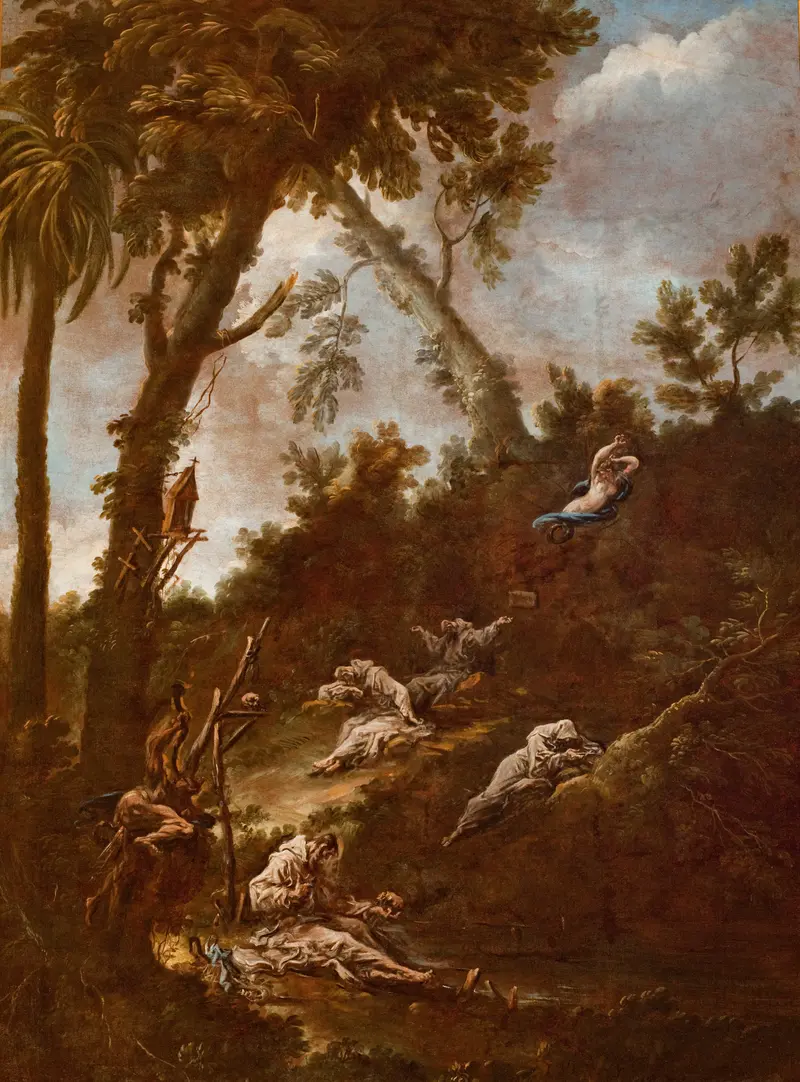
Hermits (Anachorets)
Alessandro Magnasco
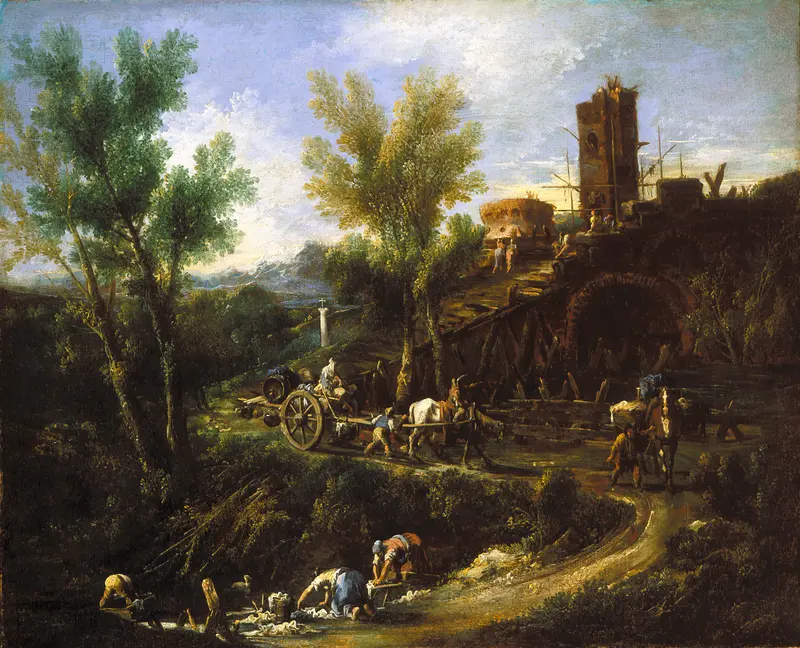
Landscape with Gypsies and Washerwomen
Alessandro Magnasco
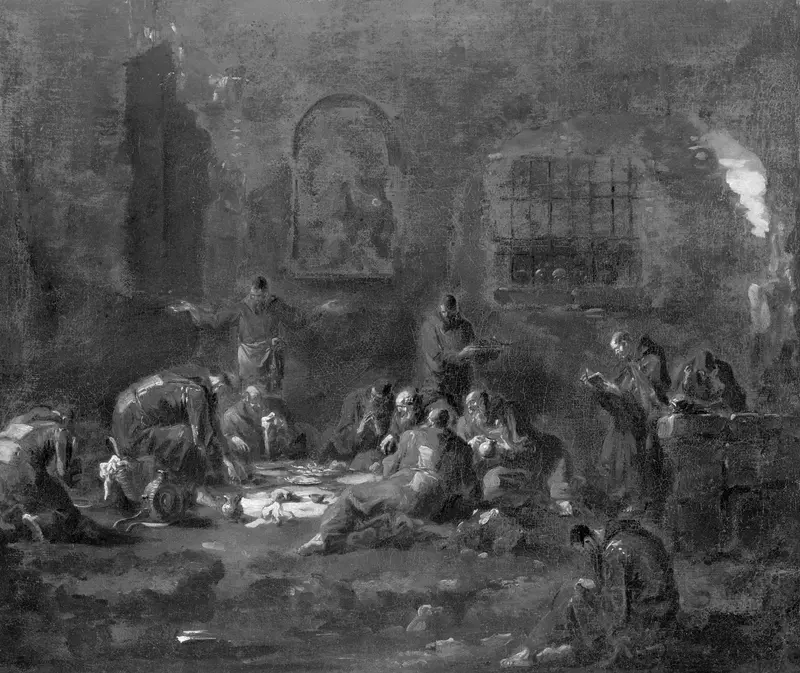
Monks at Supper
Alessandro Magnasco
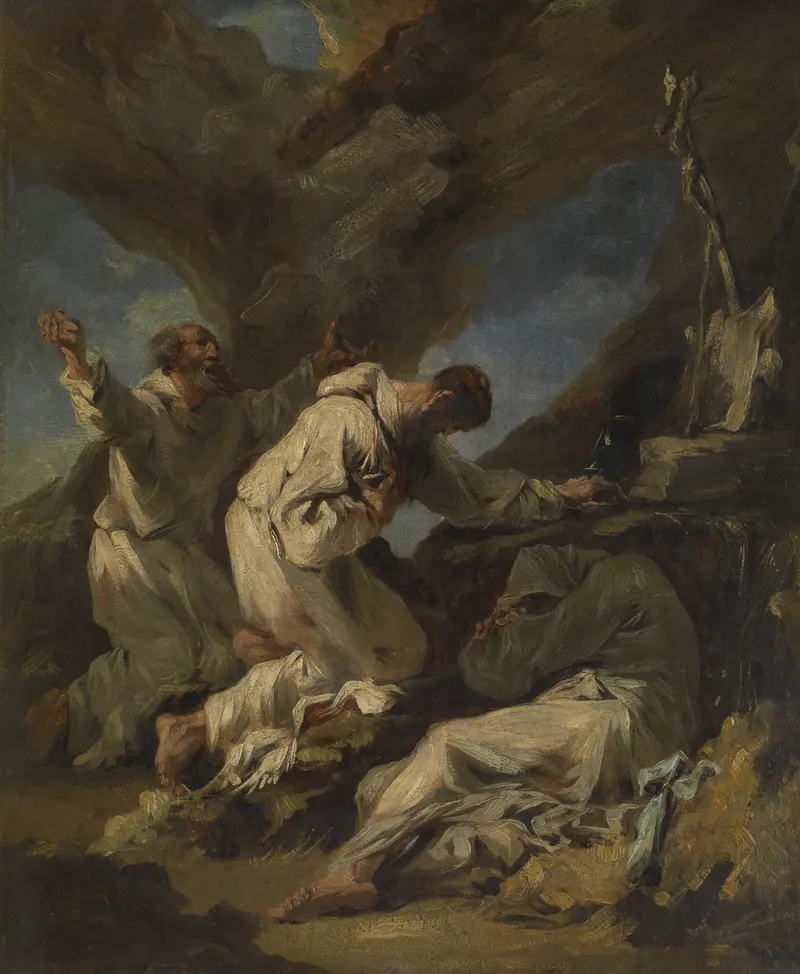
Praying Monks
Alessandro Magnasco
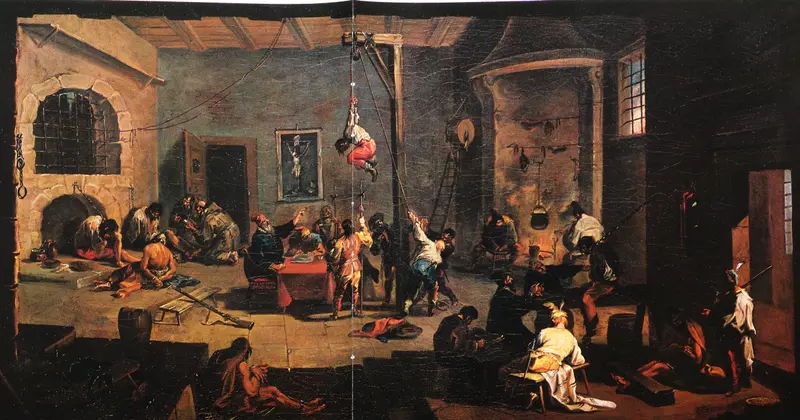
Torture Scene
Alessandro Magnasco
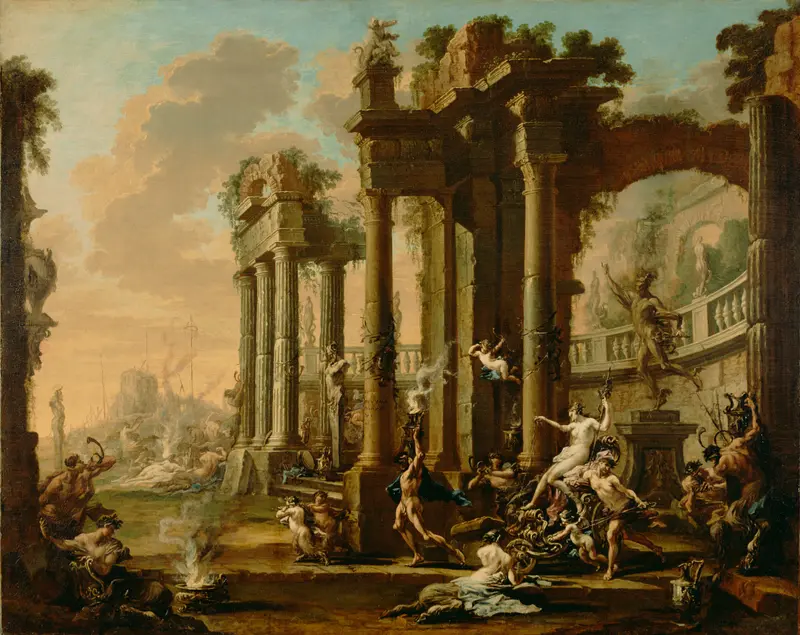
The Triumph of Venus
Alessandro Magnasco
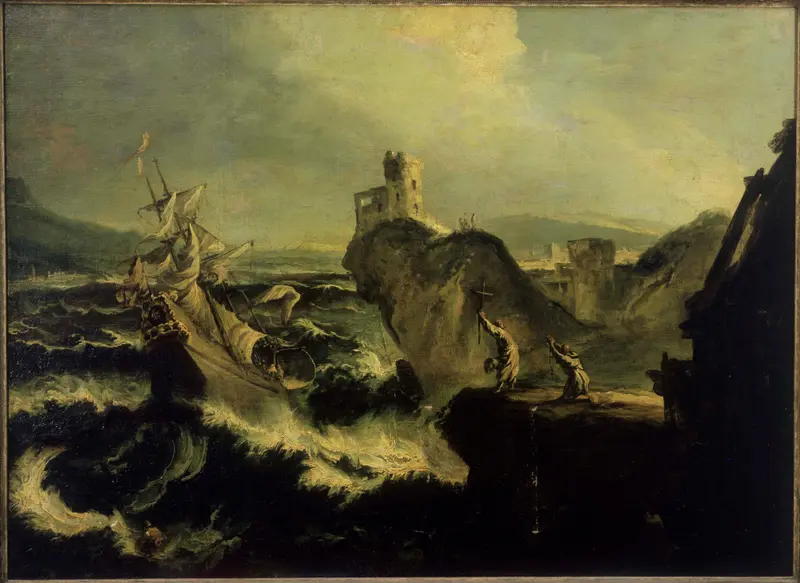
The Shipwreck
Alessandro Magnasco
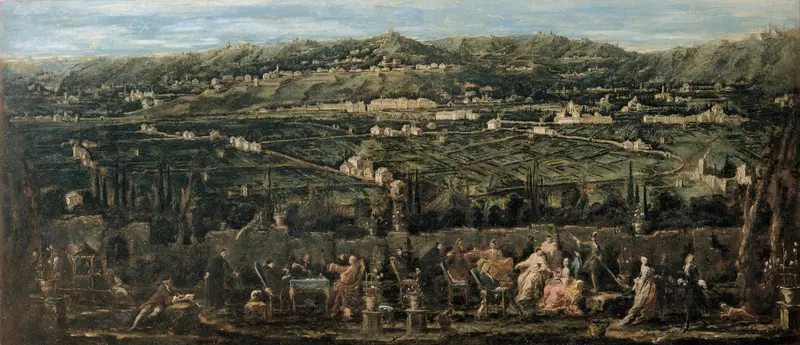
Garden Party in Albaro
Alessandro Magnasco
Monks Praying in a Grotto
Alessandro Magnasco





