Discover insights about this artwork
Trouville, Scène de Plage — History & Facts
In Trouville, Scène de Plage, we see a lively beach scene filled with people enjoying their day by the sea. The colors are bright and cheerful, with blues and whites dominating the sky and water. Figures are scattered across the canvas, some lounging on the sand while others stroll along the shore.
The overall atmosphere is one of leisure and joy, typical of summer days at the beach. The painting is created using oil on canvas, a common medium for the Impressionist movement. Boudin employs loose brushwork, allowing the colors to blend and create a sense of movement in the waves and the figures. The light in the painting is bright, suggesting a sunny day, and the reflections on the water add depth to the scene.
Viewers can appreciate the texture of the paint, which enhances the lively feel of the beach. Eugène Boudin was a pioneer of the Impressionist style, often painting outdoor scenes and capturing the effects of light. Trouville, Scène de Plage reflects his love for coastal landscapes and the vibrant life at the beach. Interestingly, Boudin was one of the first artists to paint en plein air, or outdoors, which greatly influenced later Impressionists like Claude Monet.
This work exemplifies Boudin's ability to convey the essence of a moment in time.
More Artworks by Eugène Boudin
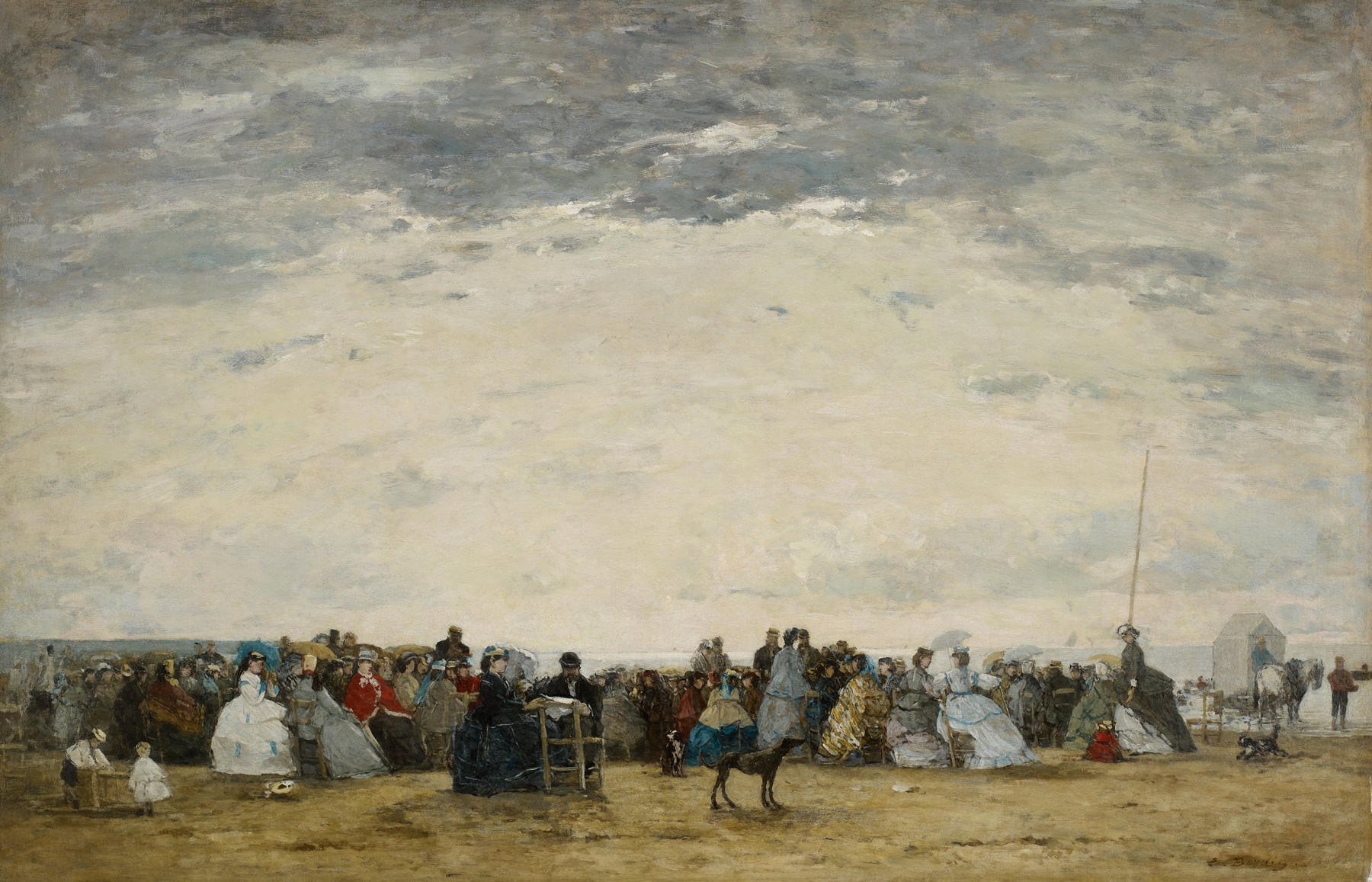
Vacationers on the Beach at Trouville
Eugène Boudin
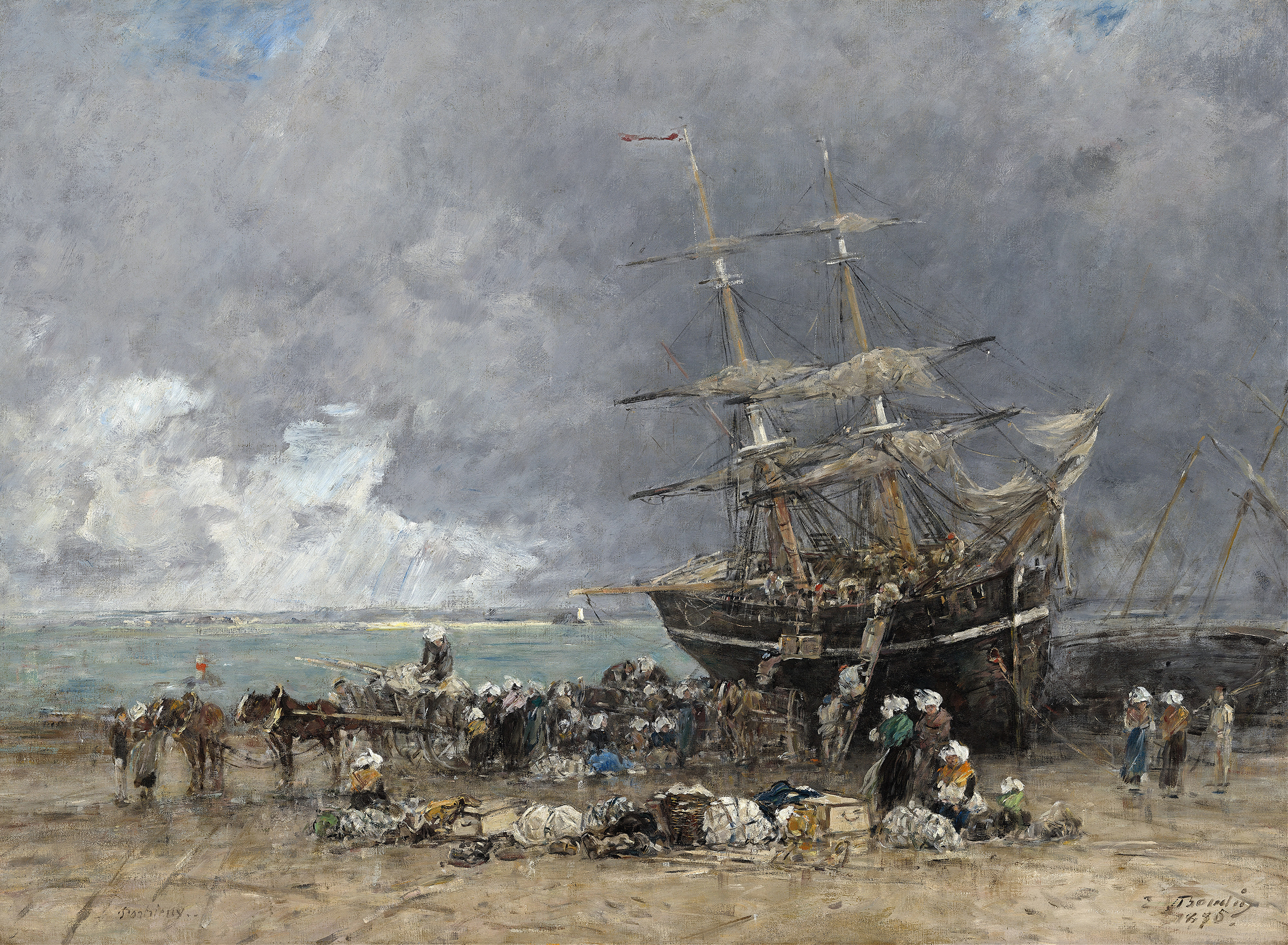
Return of the Terre-Neuvier
Eugène Boudin
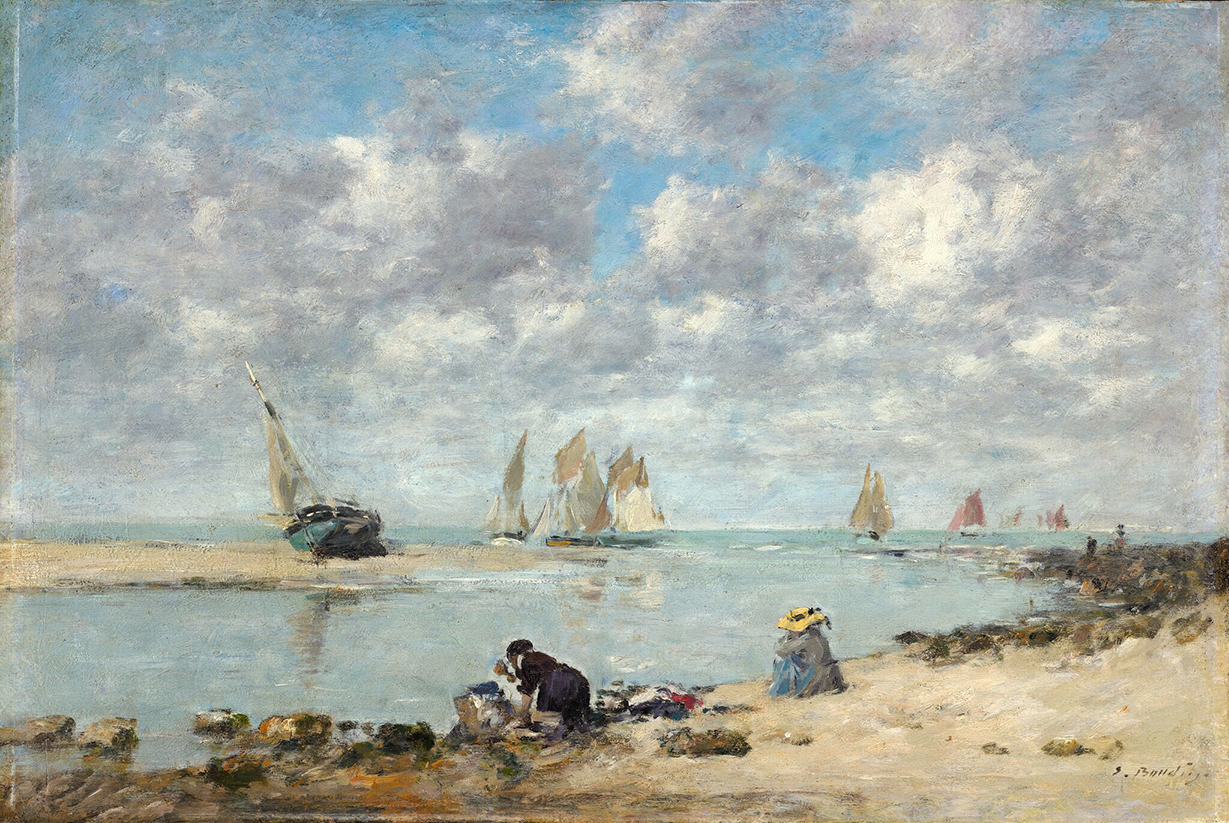
Washerwoman near Trouville
Eugène Boudin
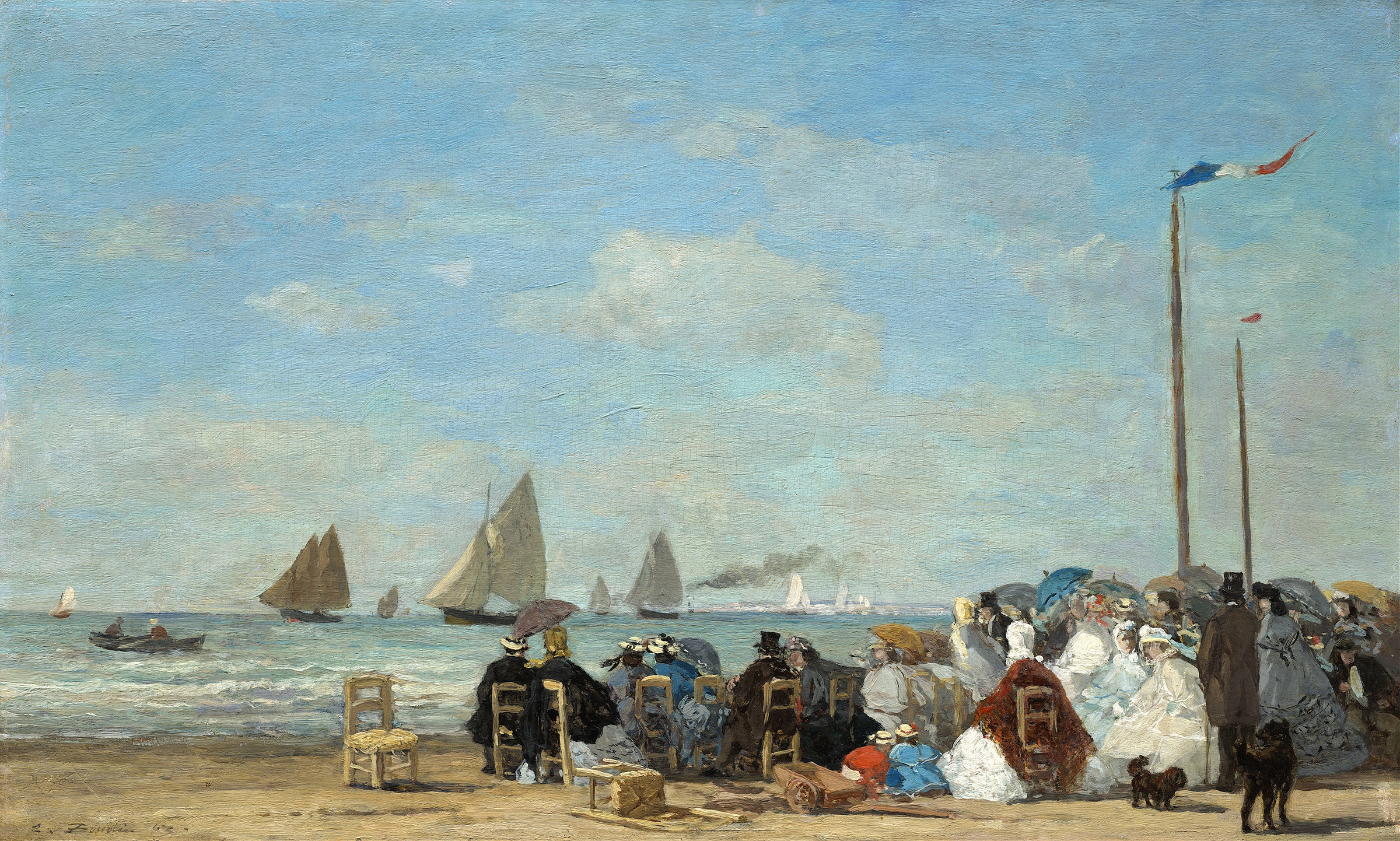
Beach Scene at Trouville
Eugène Boudin
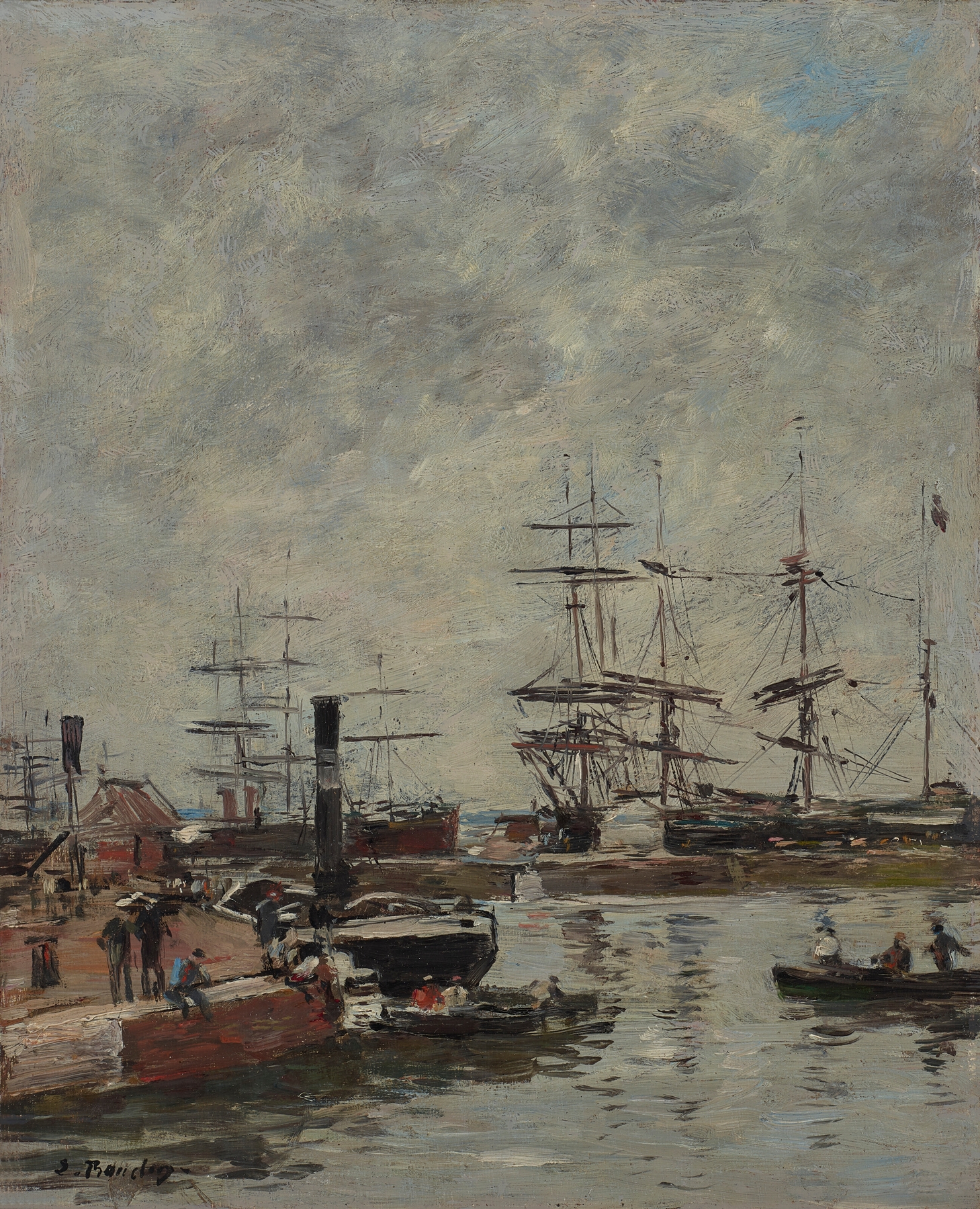
Port, navires à quai
Eugène Boudin
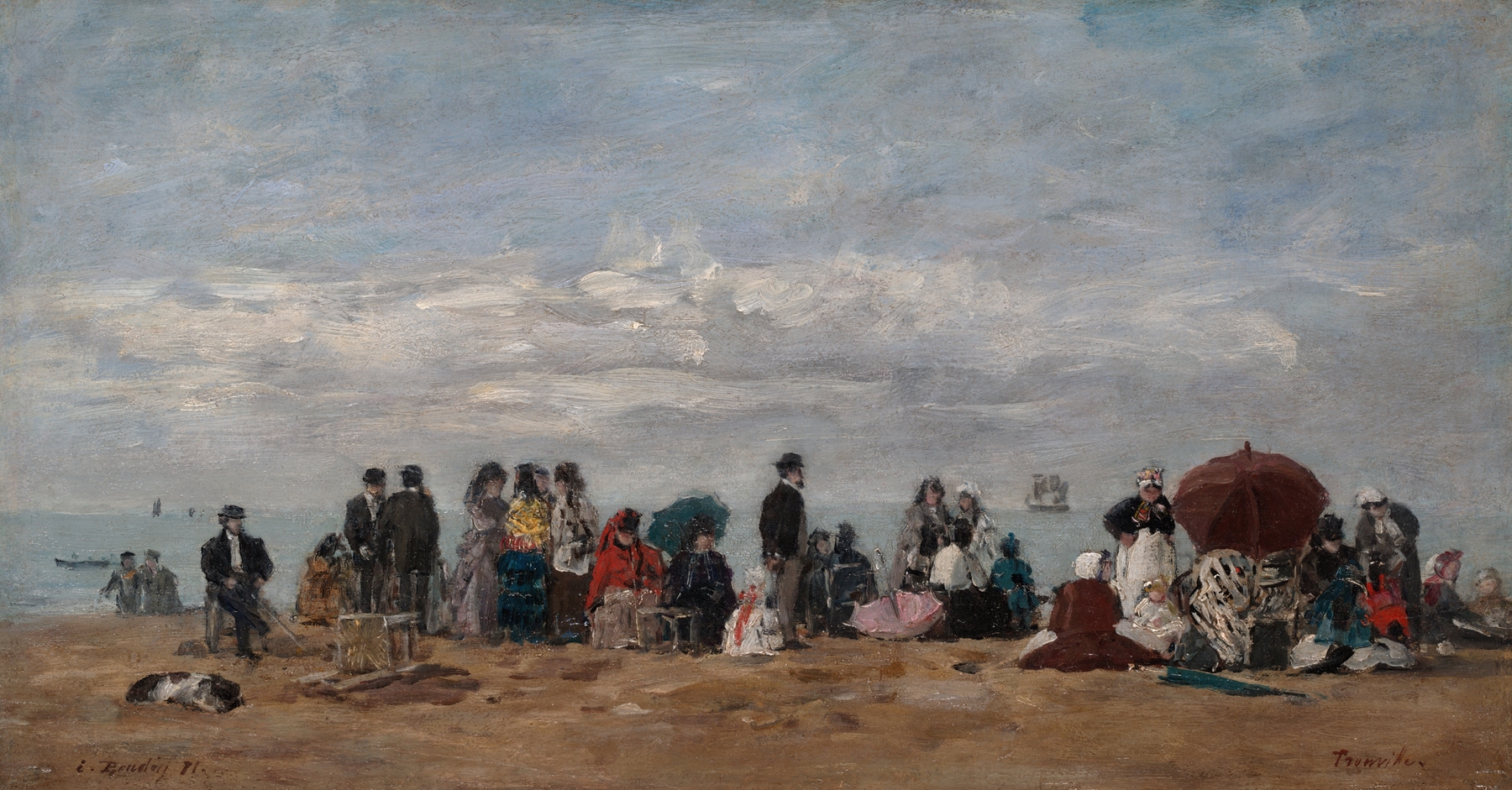
The Beach at Trouville
Eugène Boudin
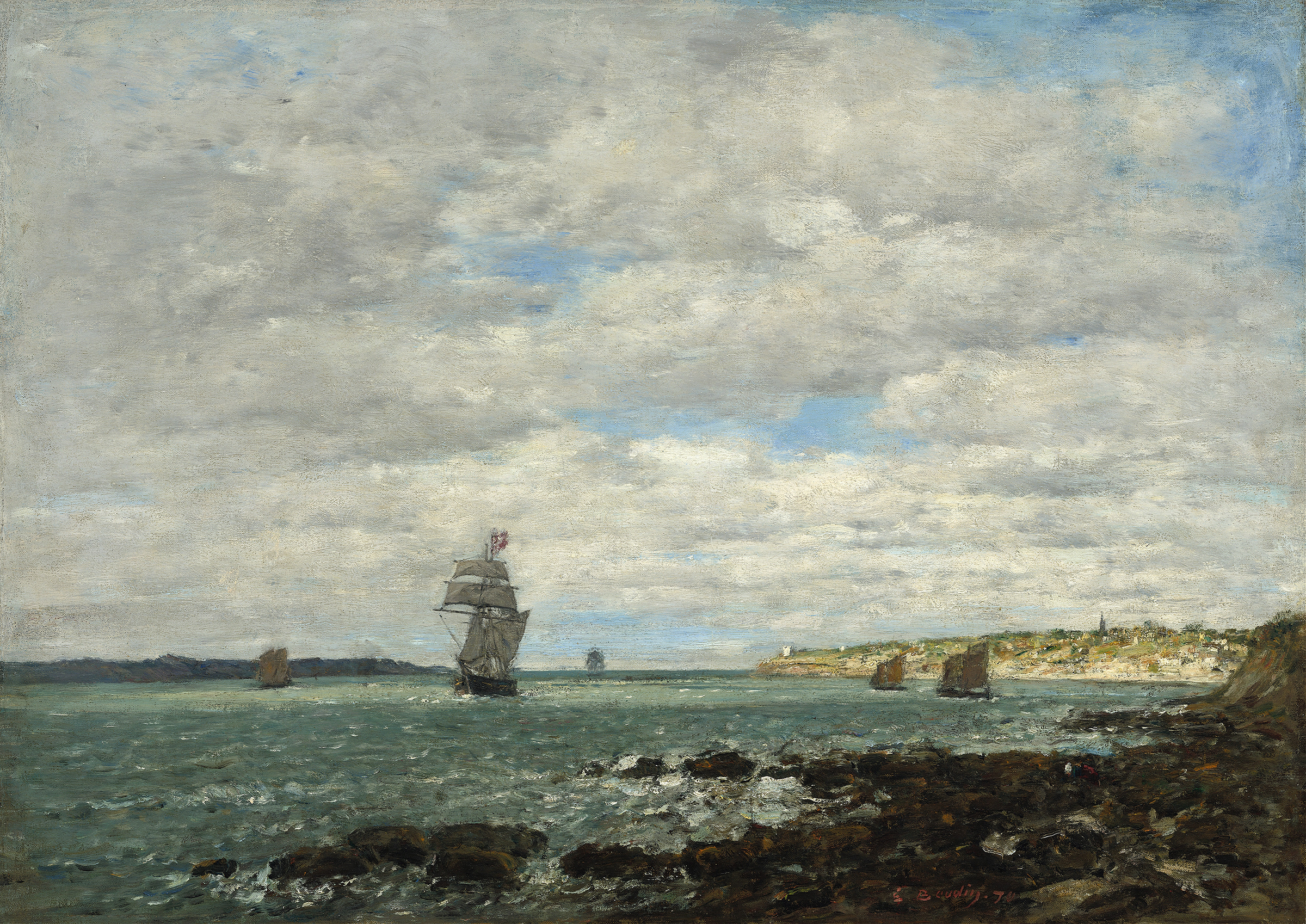
Coast of Brittany
Eugène Boudin
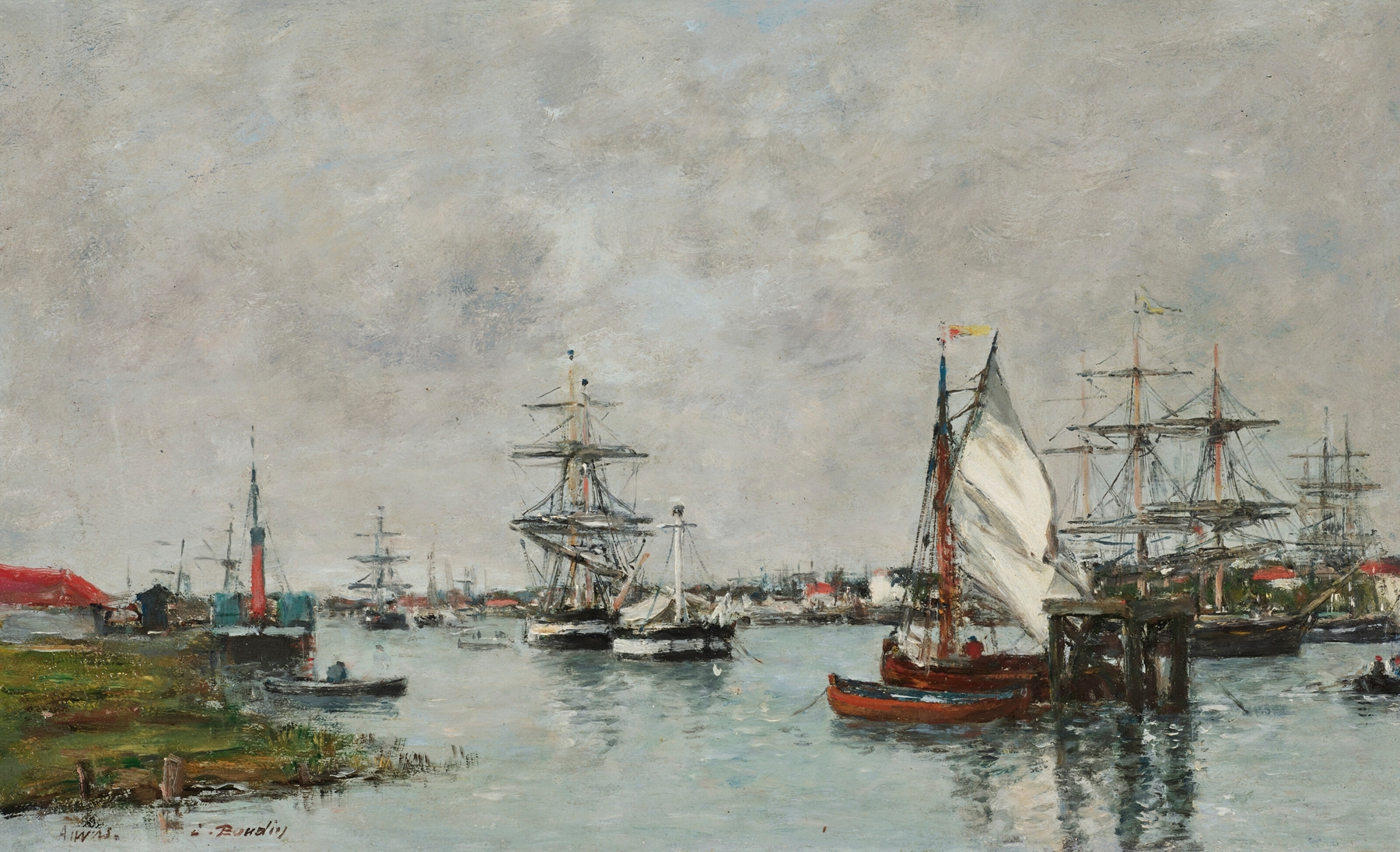
Port d’Anvers
Eugène Boudin
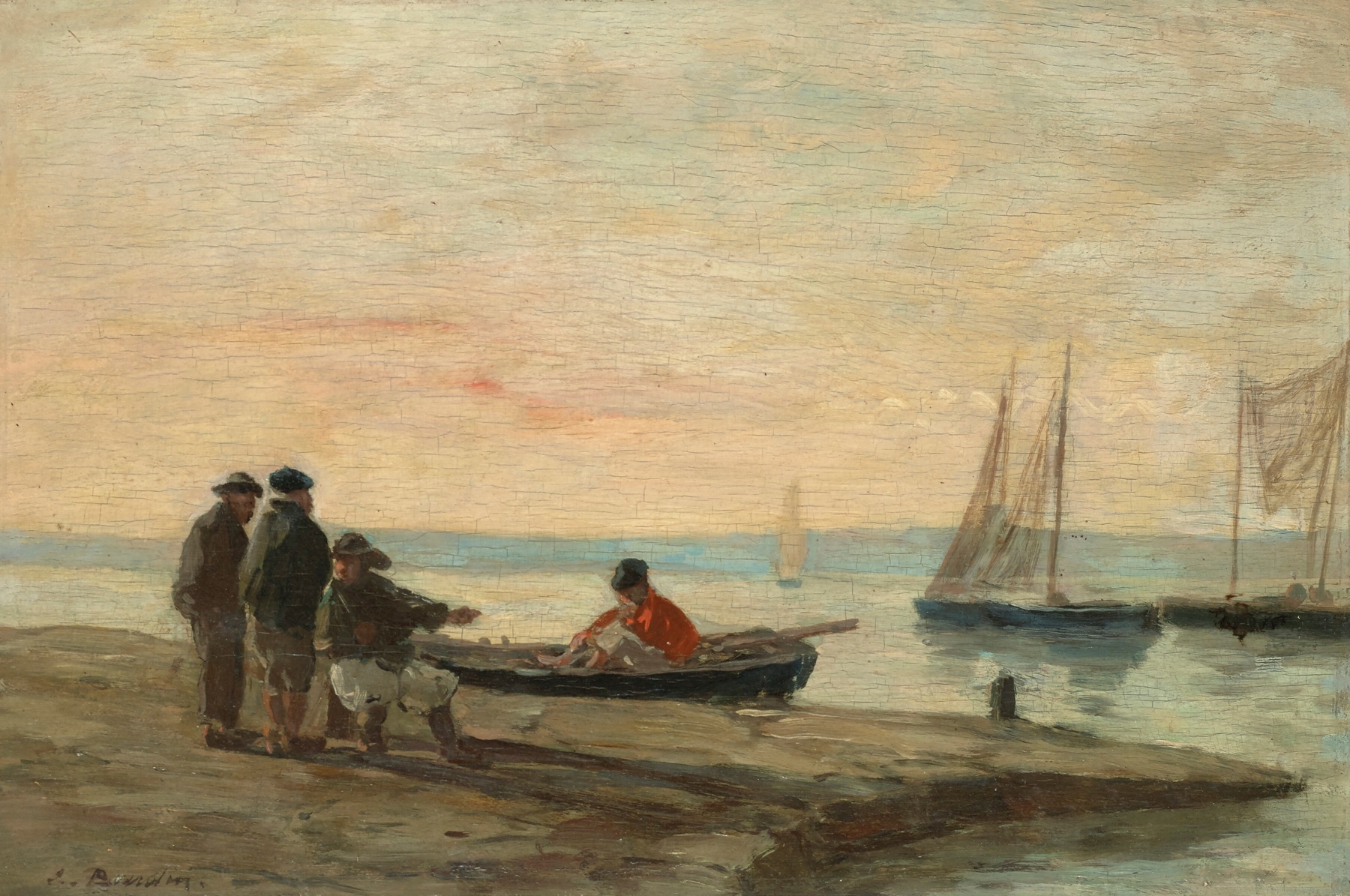
Port aux environs d’Honfleur
Eugène Boudin
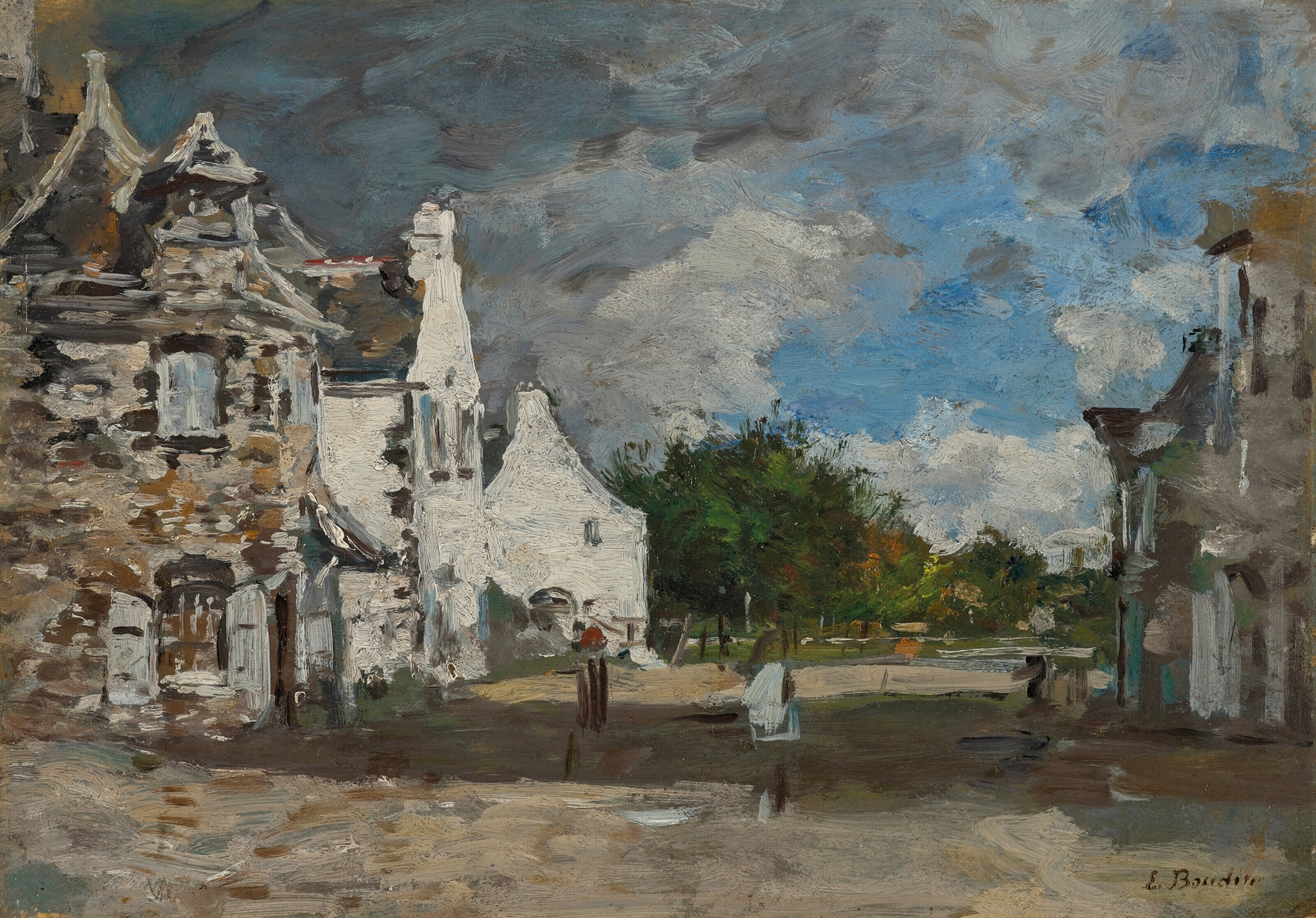
Le Faou, un coin du village
Eugène Boudin