Discover insights about this artwork
Trouville, Scène de plage — History & Facts
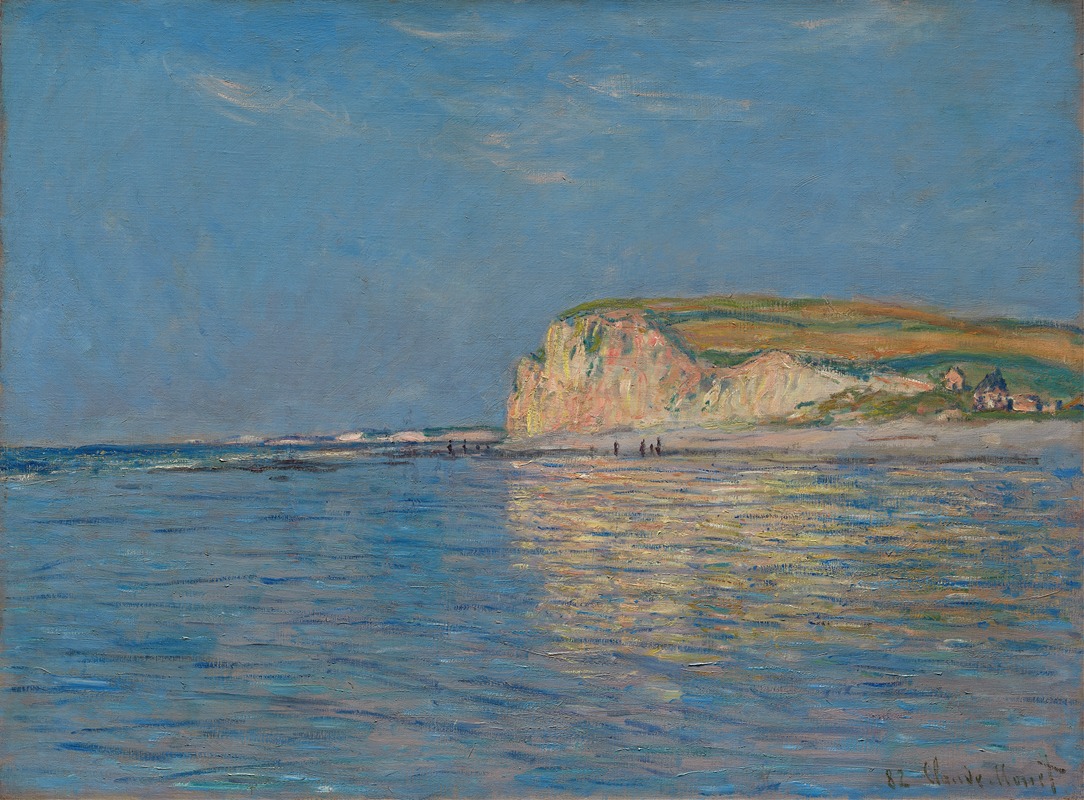
In Trouville, Scène de plage, Eugène Boudin captures a lively beach scene filled with sunbathers and colorful umbrellas. The painting is dominated by warm hues of yellow and blue, reflecting the sunlit sky and shimmering water. Figures are scattered across the sandy shore, some lounging while others engage in various beach activities.
The overall atmosphere is one of leisure and enjoyment, typical of coastal life in the late 19th century. The painting is executed in oil on canvas, a medium that allows for rich texture and vibrant color. Boudin's brushwork is loose and fluid, characteristic of the Impressionist style, which emphasizes the effects of light and movement. The composition is balanced, drawing the viewer's eye across the beach and into the distance.
The use of light and shadow creates depth, making the scene feel dynamic and alive. Eugène Boudin was a pioneer of Impressionism, often painting en plein air to capture the changing effects of light. This particular work, created in the 1880s, reflects his deep appreciation for the seaside and its social life. Interestingly, Boudin was a mentor to Claude Monet, who would later become one of the leading figures of the Impressionist movement.
Trouville, Scène de plage showcases Boudin's ability to convey the essence of a moment in time.
More Artworks by Eugène Boudin
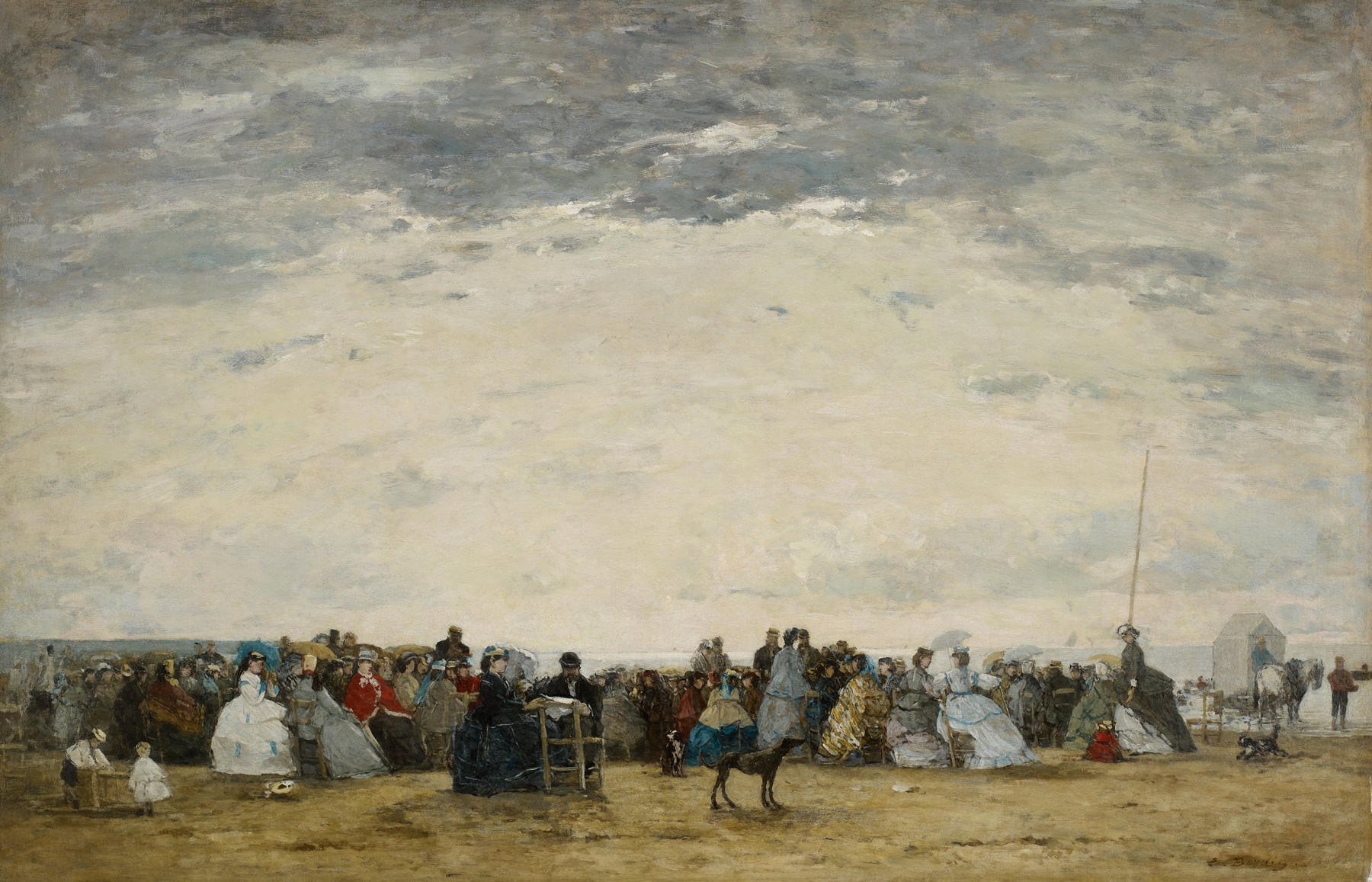
Vacationers on the Beach at Trouville
Eugène Boudin
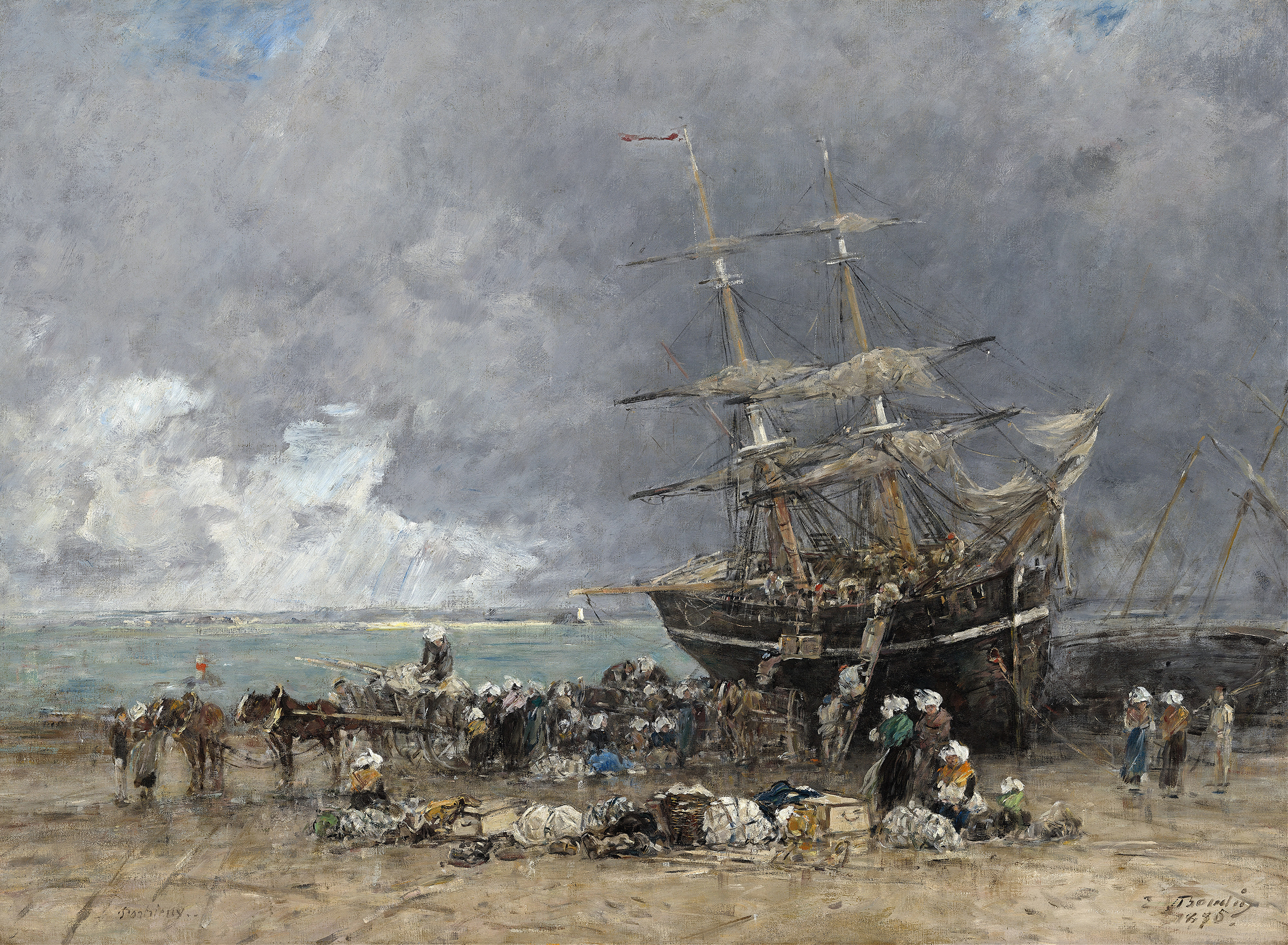
Return of the Terre-Neuvier
Eugène Boudin
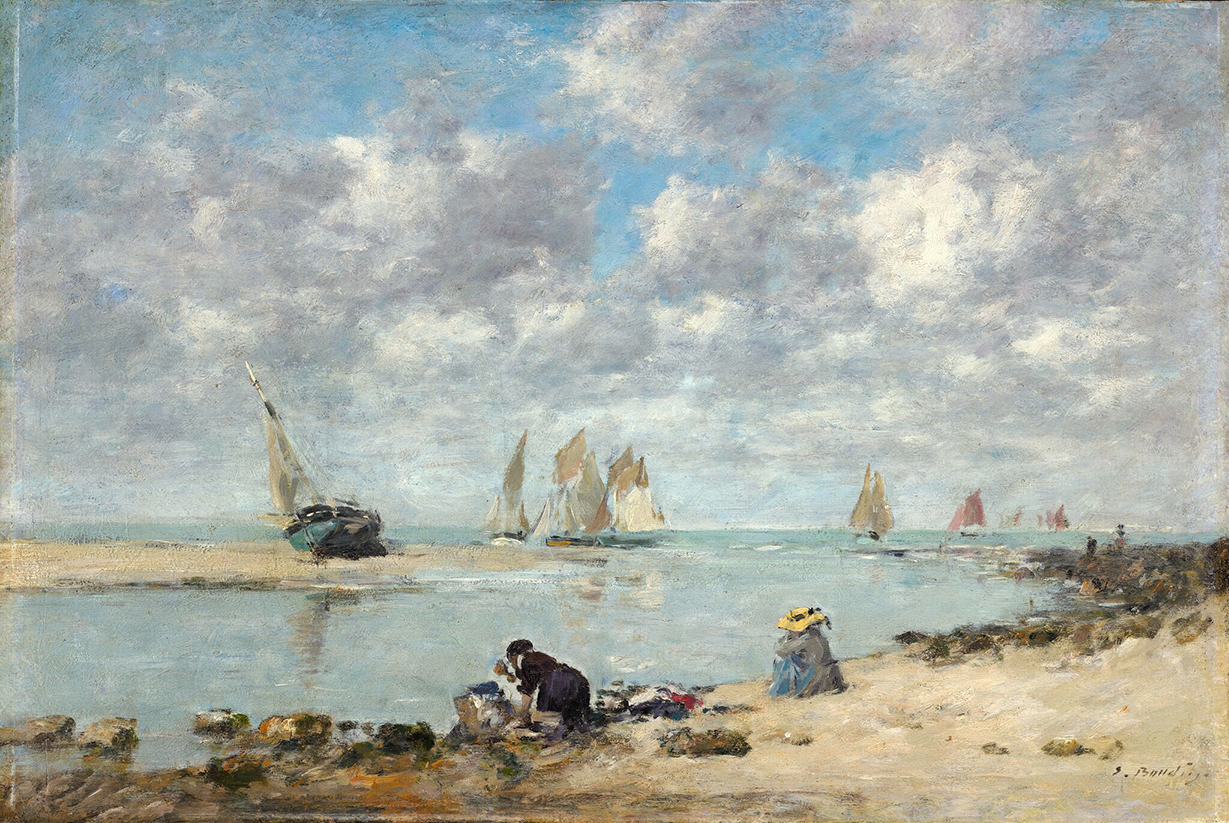
Washerwoman near Trouville
Eugène Boudin
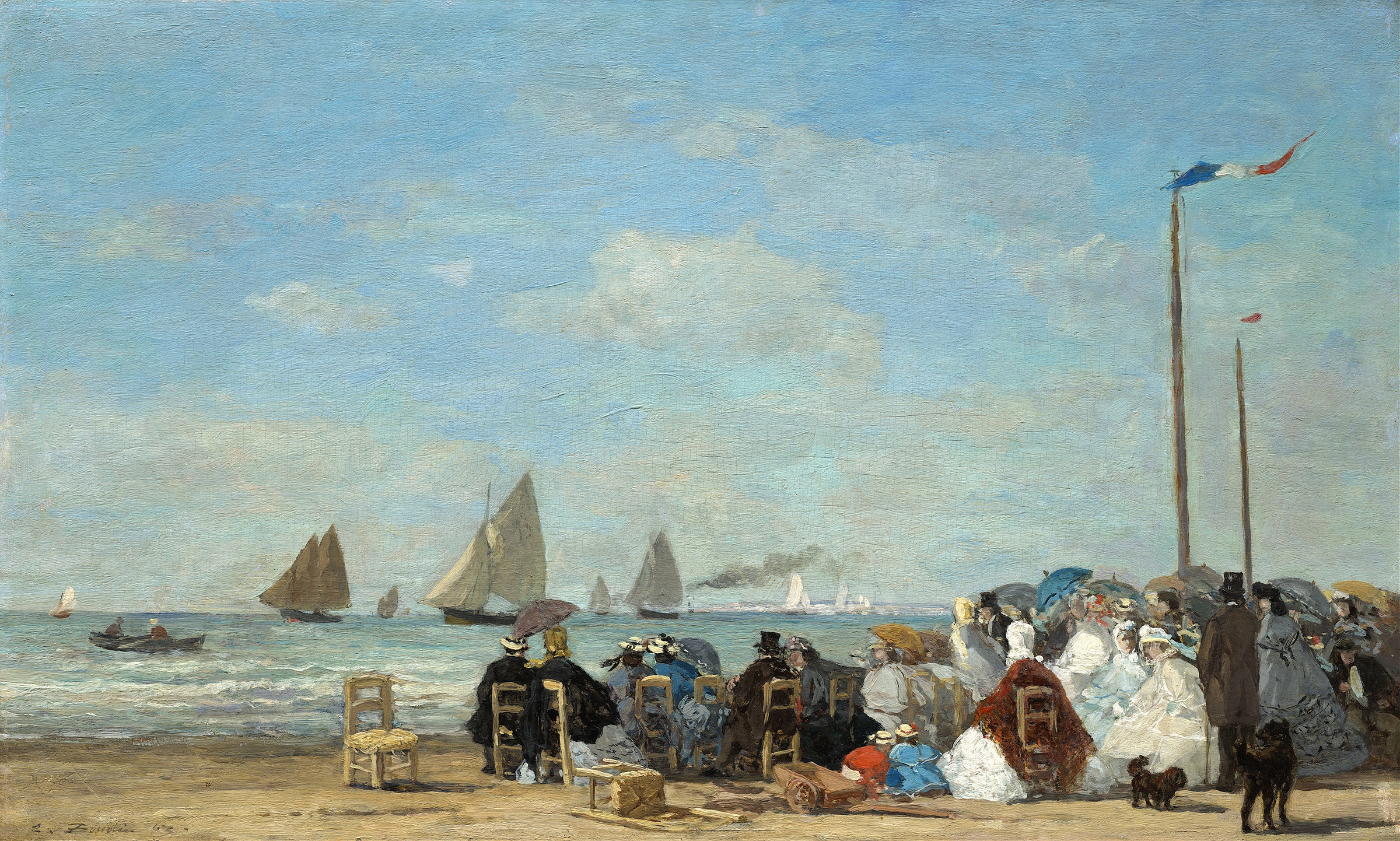
Beach Scene at Trouville
Eugène Boudin
Port, navires à quai
Eugène Boudin
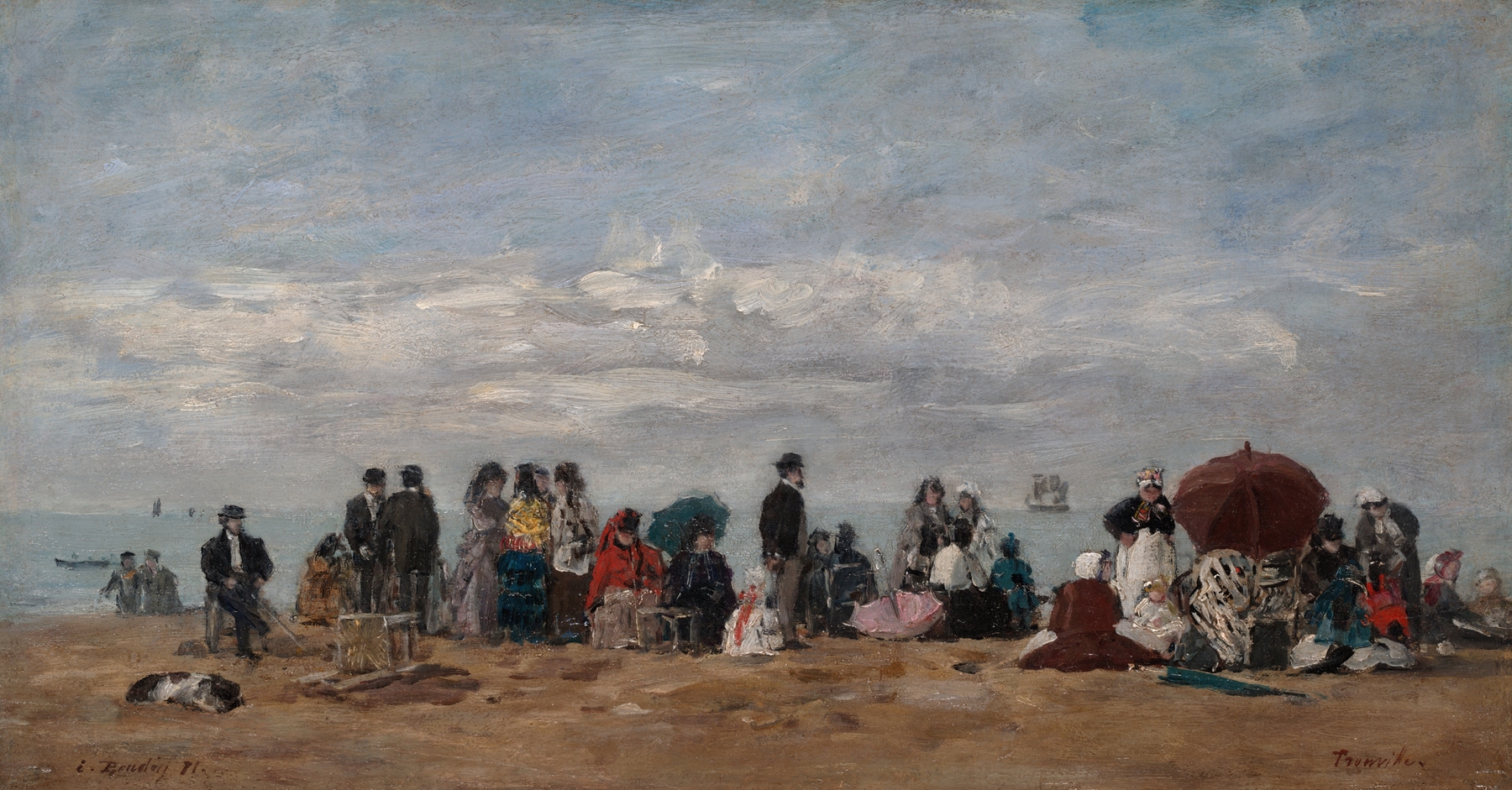
The Beach at Trouville
Eugène Boudin
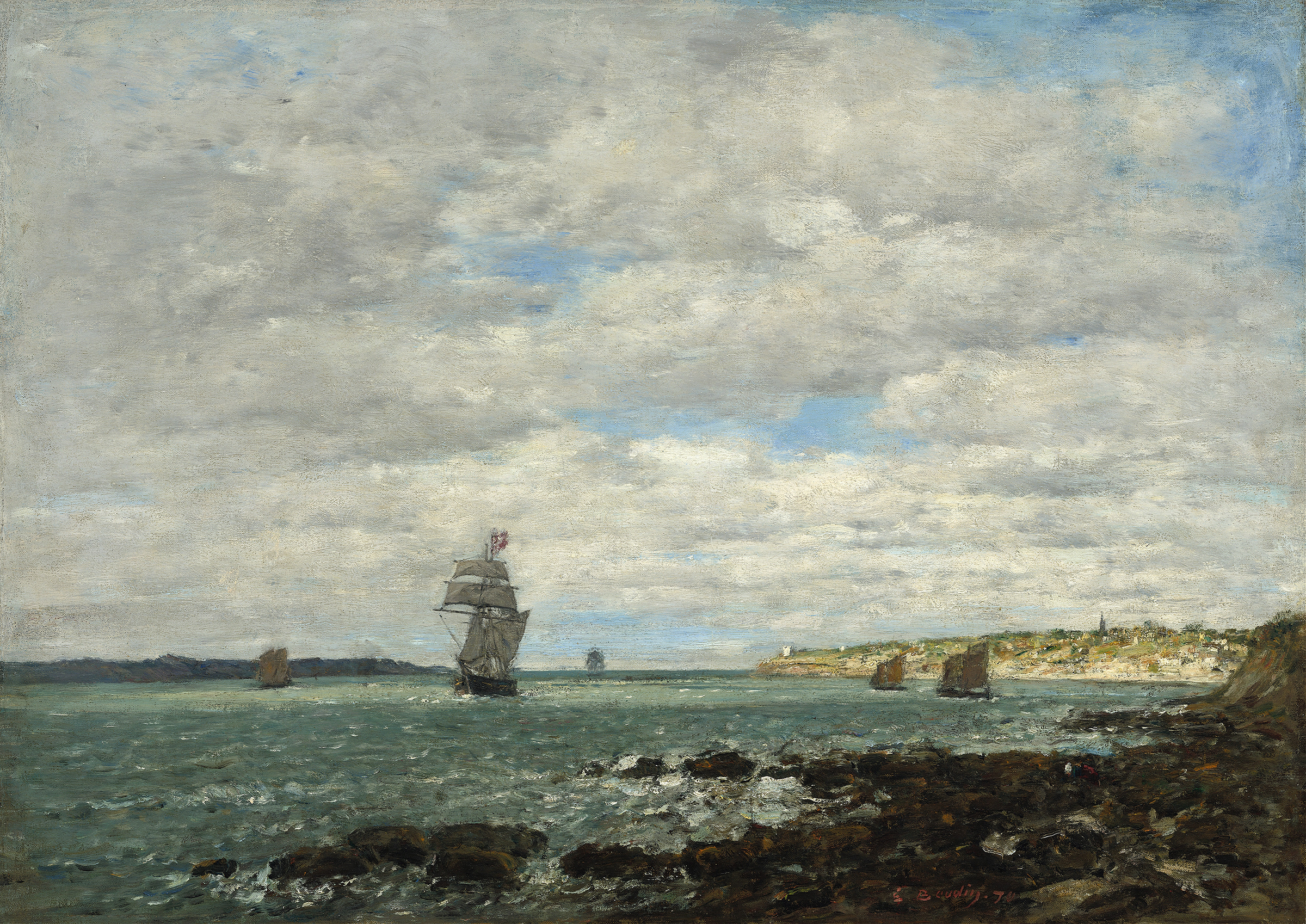
Coast of Brittany
Eugène Boudin
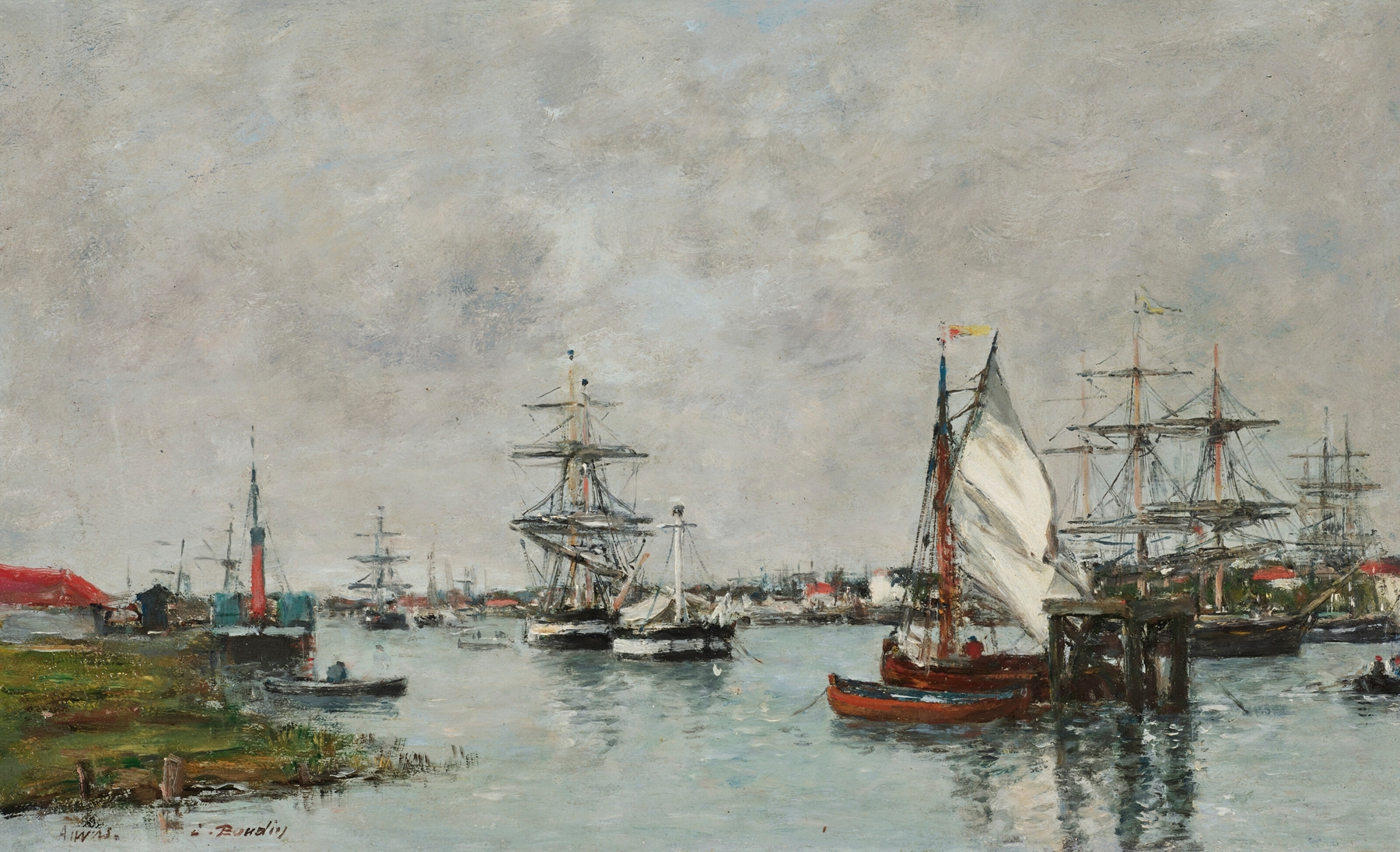
Port d’Anvers
Eugène Boudin
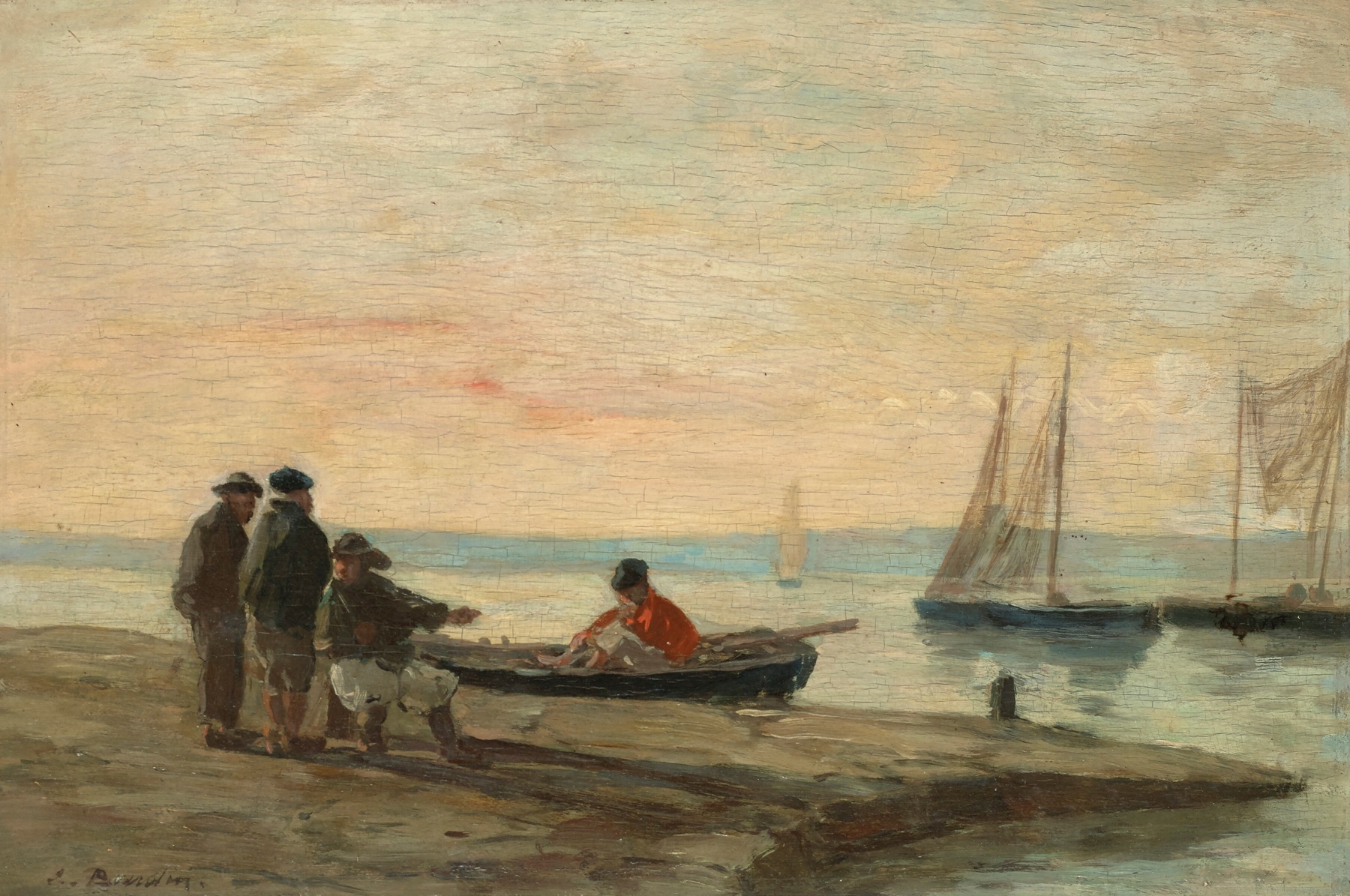
Port aux environs d’Honfleur
Eugène Boudin
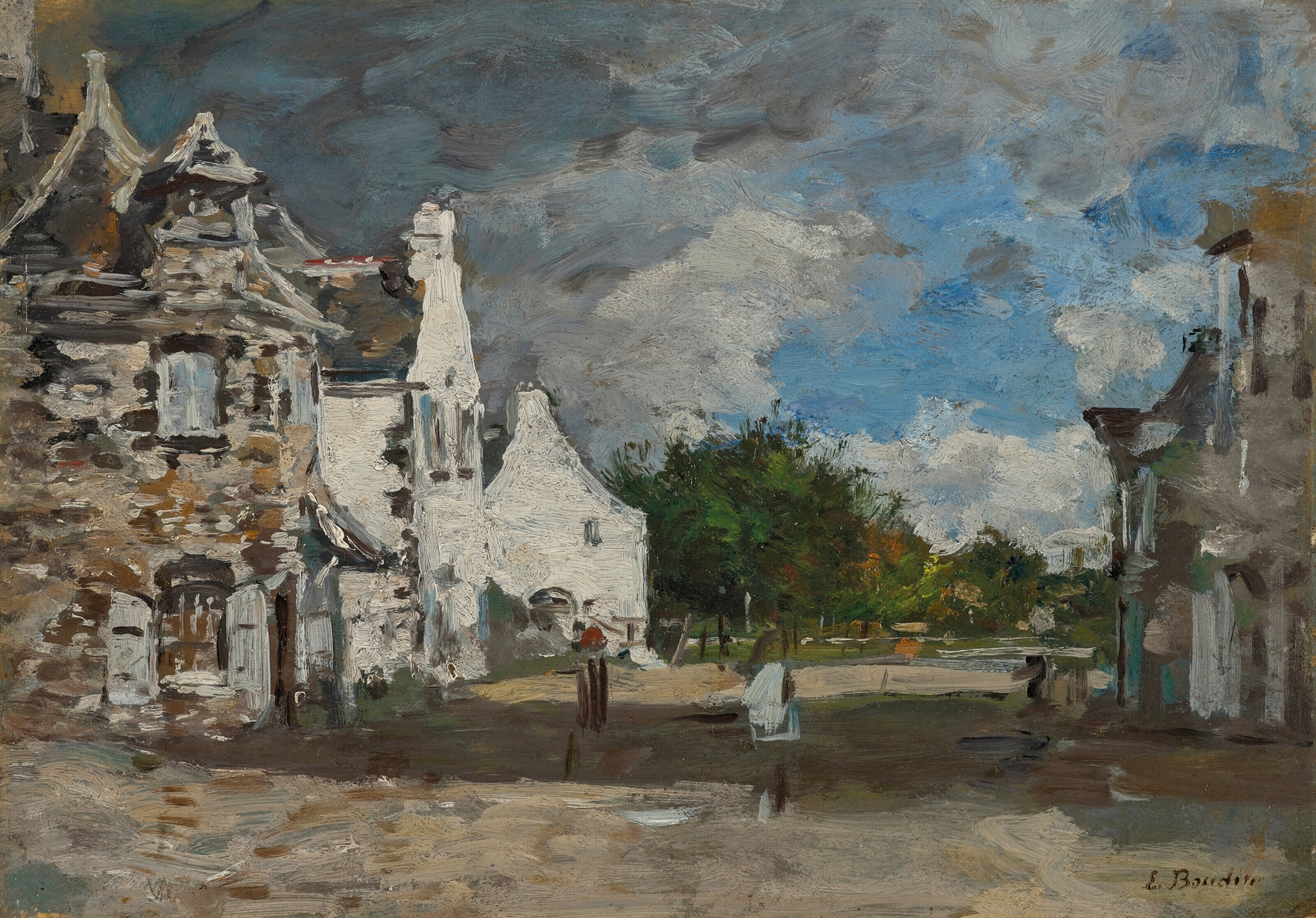
Le Faou, un coin du village
Eugène Boudin