Turkish Ornament No. 3 — History & Facts
A riot of red fills the page, drawing the viewer into a world where geometry and ornament fuse into a single, mesmerizing surface. At first glance, the eye is caught by the radiating star at the top, its delicate latticework anchoring the composition like the dome of a distant palace. From this center, the pattern spills outward in waves of interlocking motifs, each flourish and knot meticulously balanced, yet never static.
The dense repetition of tulip-like forms and the crisp contrast of black and white against the scarlet field invite close inspection—every curve and crossing seems to pulse with energy, as if the design itself were alive and unfolding. This chromolithograph belongs to a world where ornament was more than mere decoration: it was a language of power, faith, and identity. Created in the mid-nineteenth century, Turkish Ornament No. 3 by Owen Jones reflects a Victorian fascination with the arts of the Islamic world, at a time when designers and architects scoured distant cultures for inspiration.
Such works were often commissioned for pattern books—here, published in London in 1910 and preserved in the Polona Digital Library—to educate and inspire a new generation of artists. The grammar of ornament, as Jones called it, was both a scholarly pursuit and a celebration of beauty for its own sake. Let your gaze linger on the page, and imagine the hands and eyes it once guided.
More Artworks by Owen Jones

Greek Ornament No. 1
Owen Jones
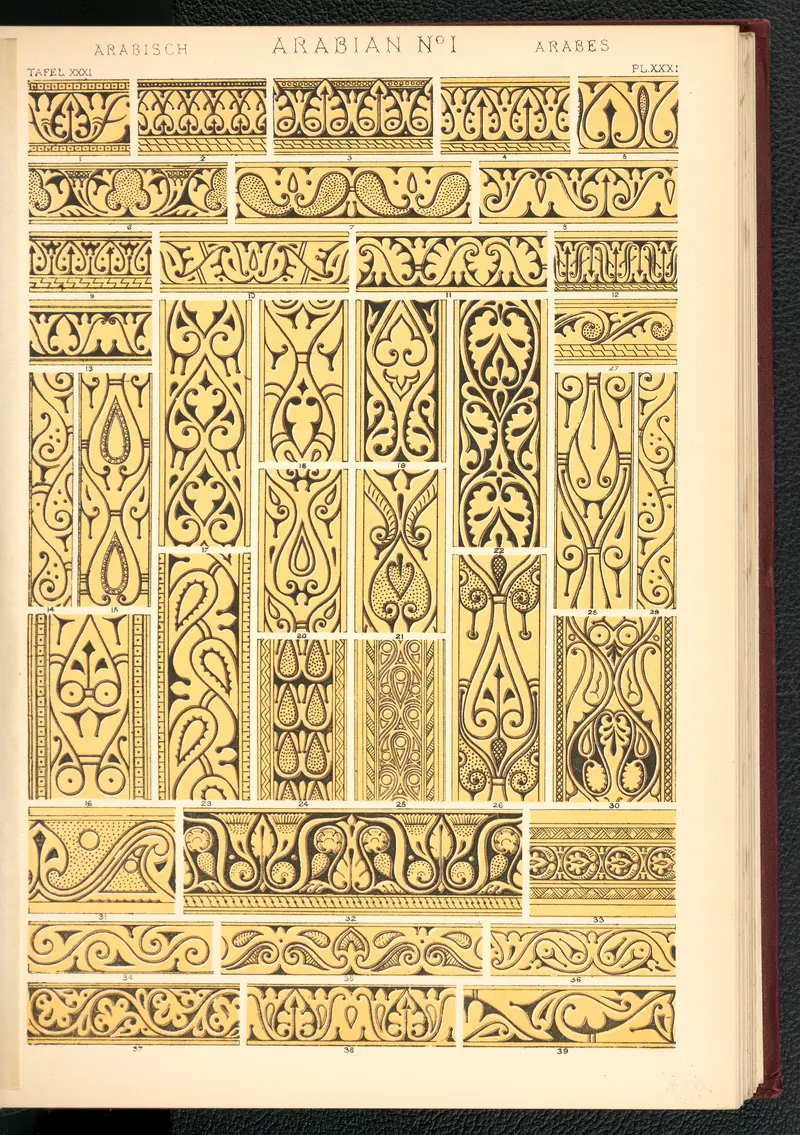
Arabian Ornament No. 1
Owen Jones
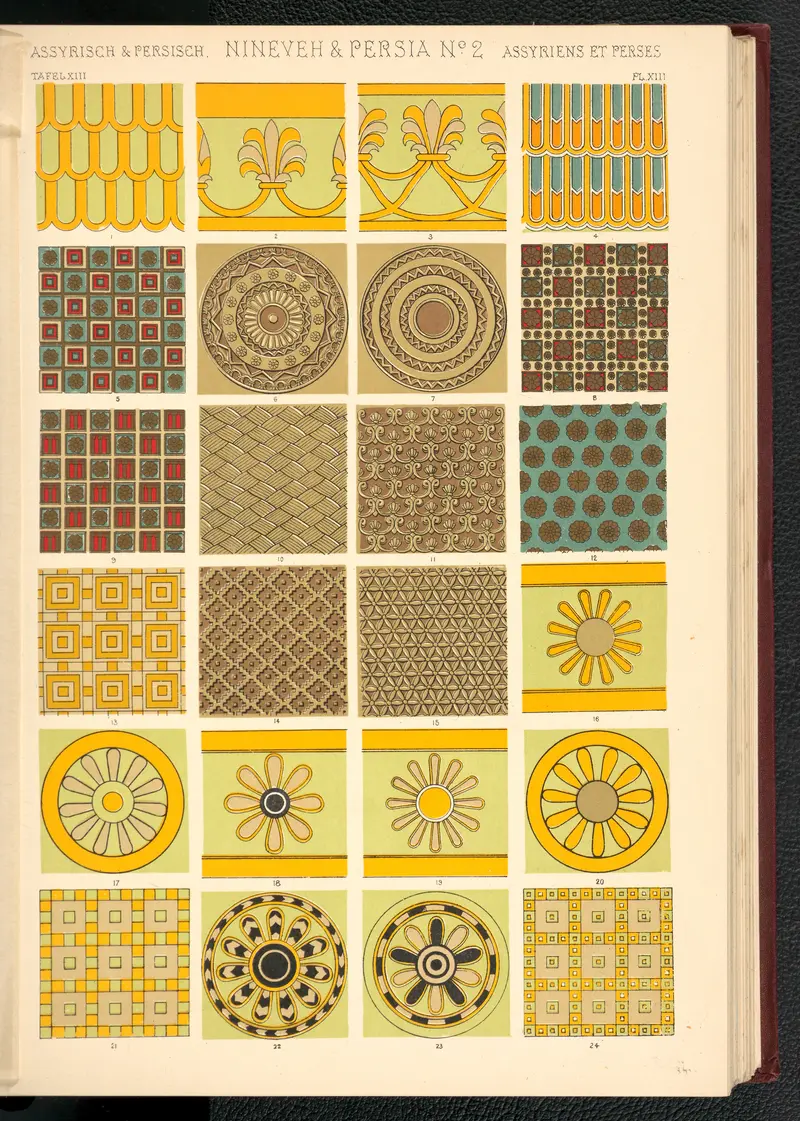
Assyrian Ornament No. 2
Owen Jones

Egyptian Ornament No. 3
Owen Jones
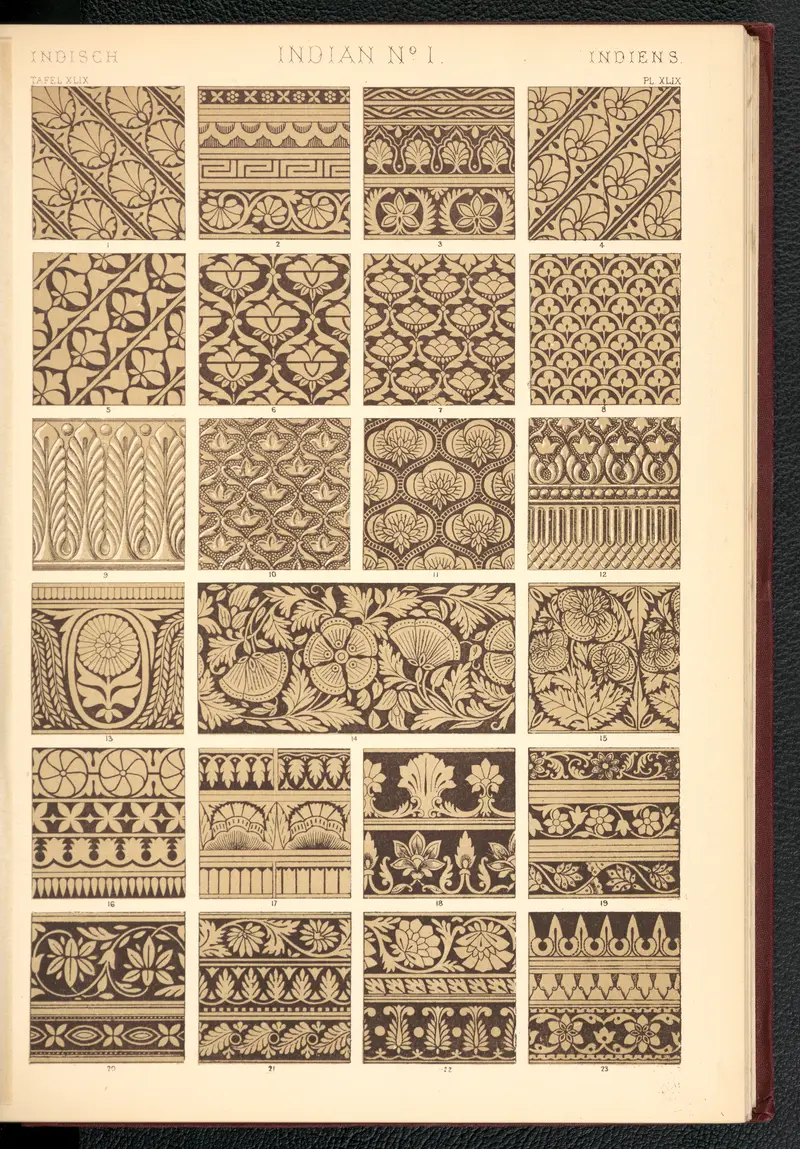
Indian Ornament No. 1
Owen Jones
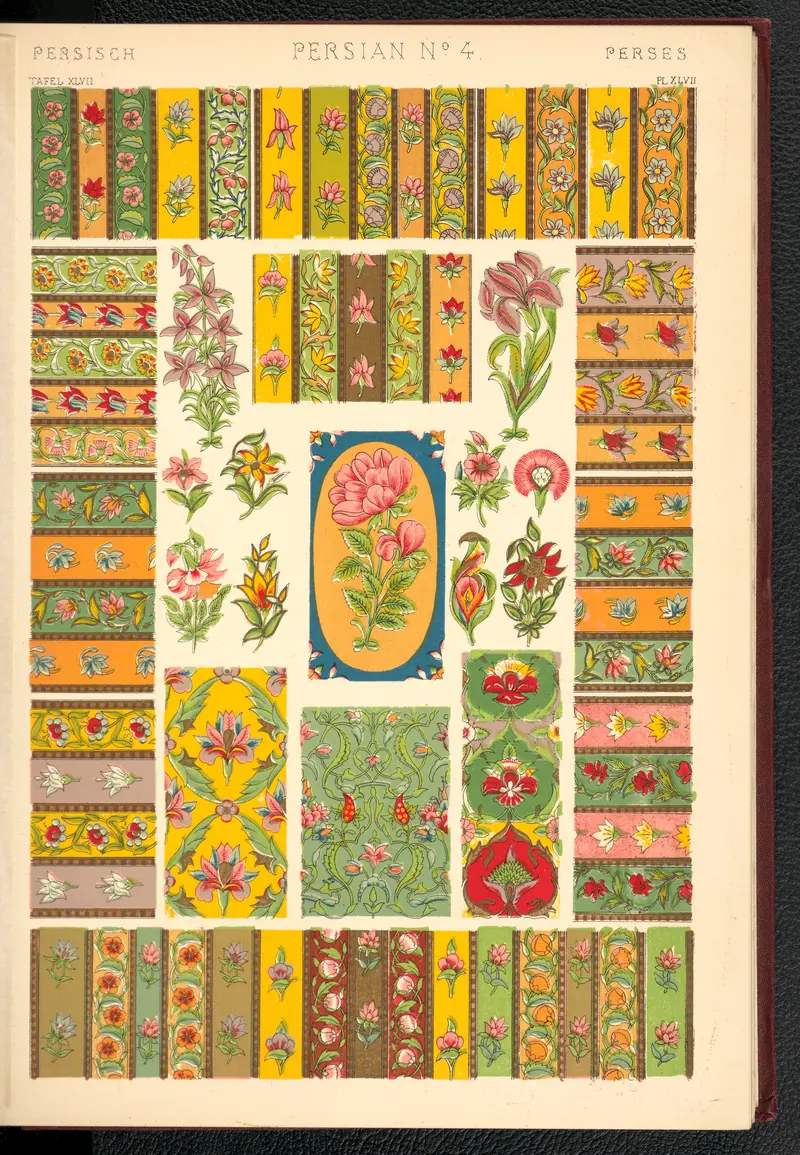
Persian Ornament No. 4
Owen Jones
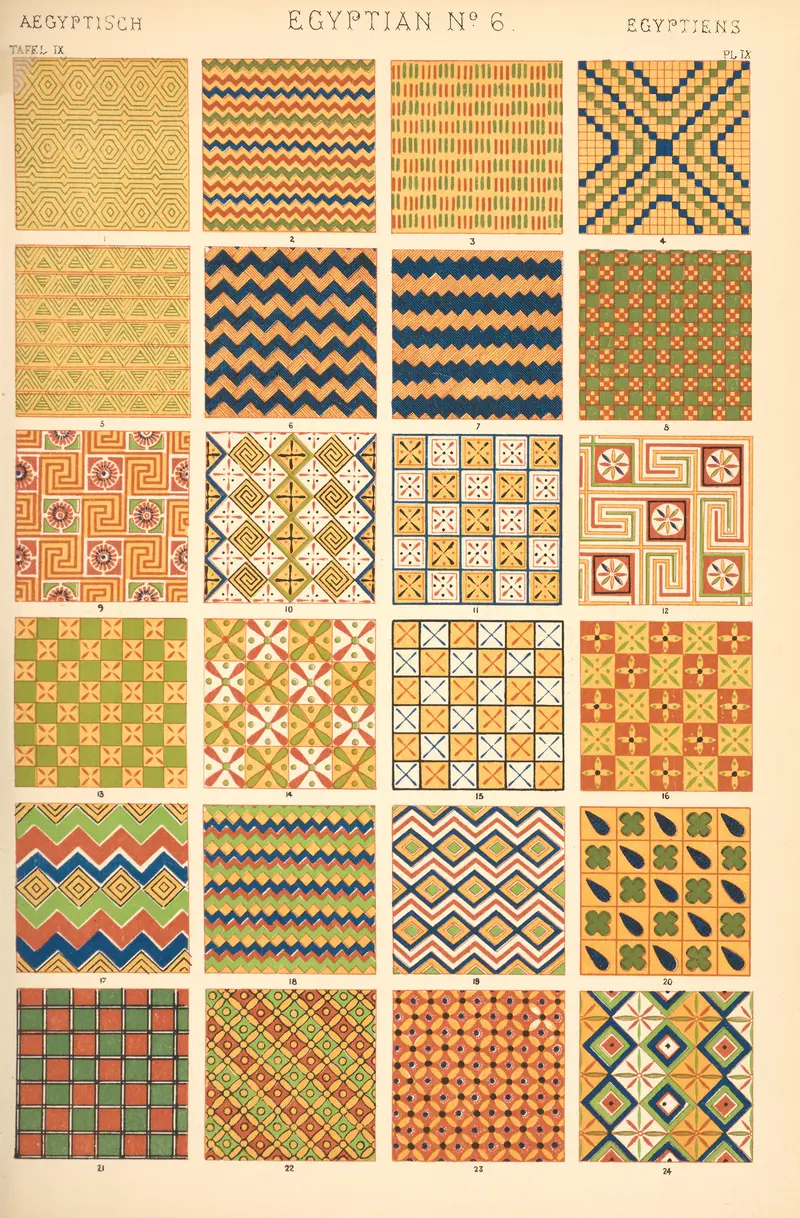
Egyptian Ornament No. 6
Owen Jones
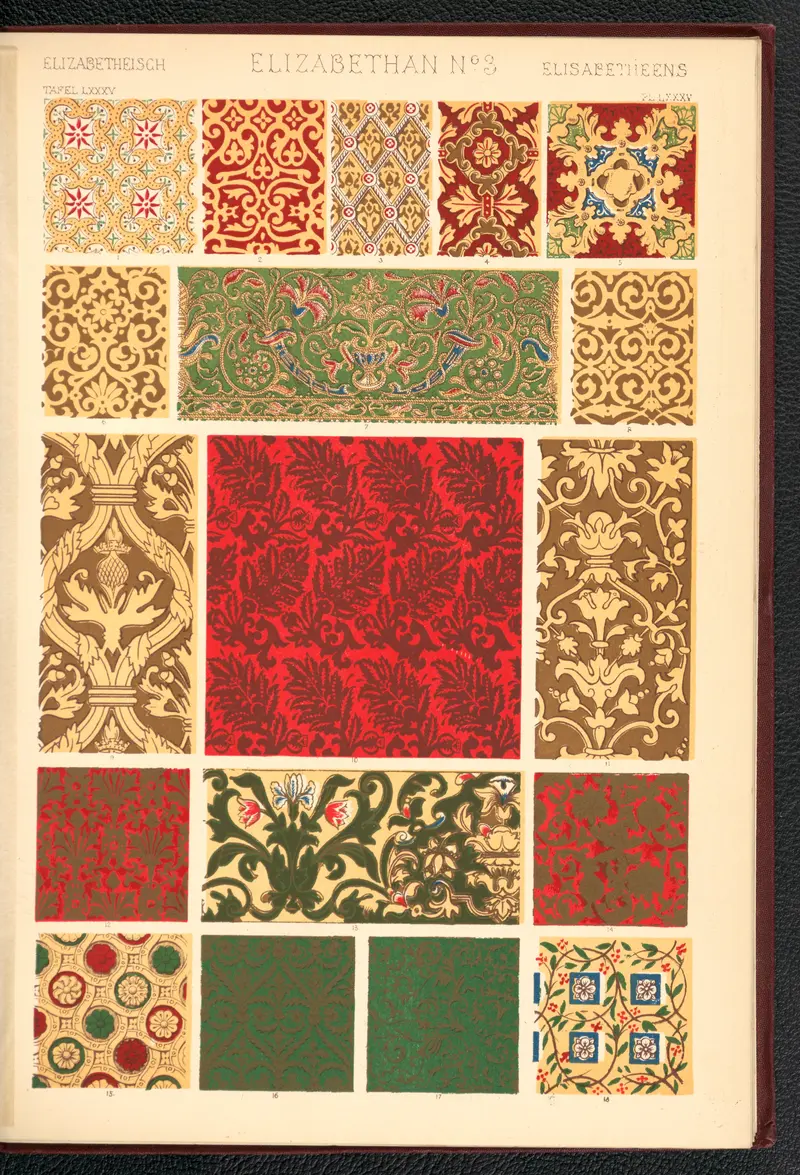
Elizabethan Ornament No. 3
Owen Jones
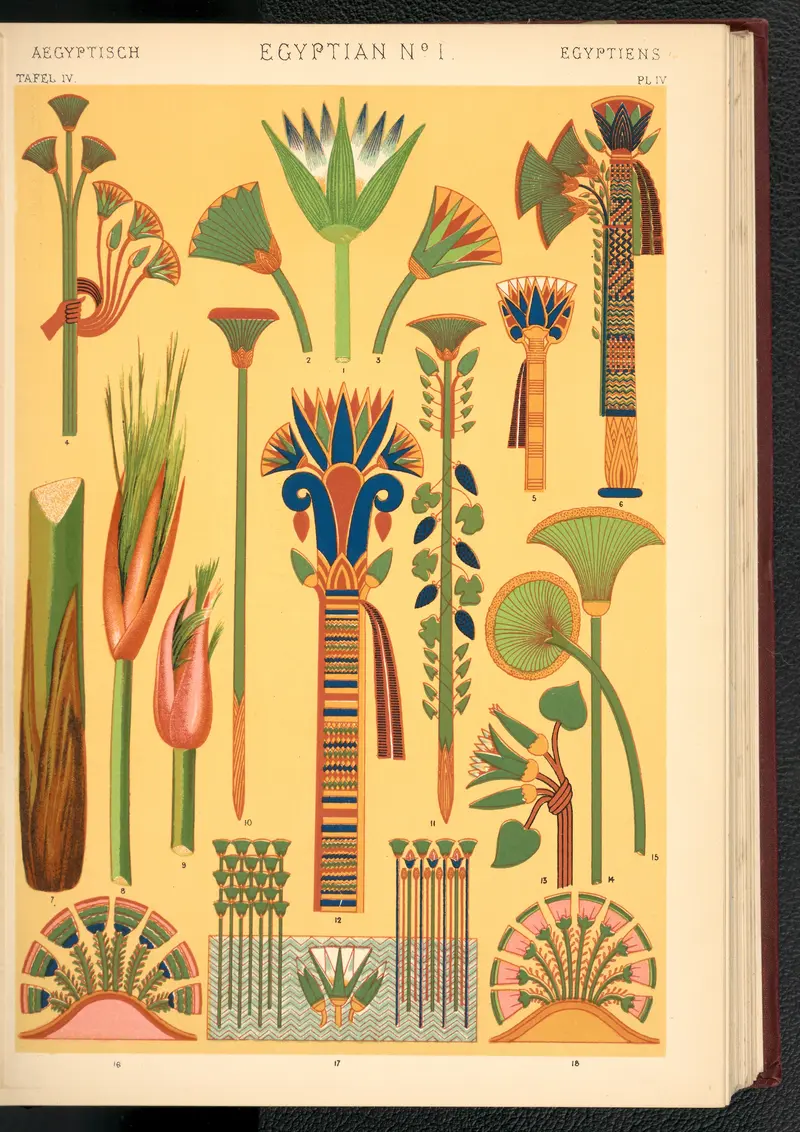
Egyptian Ornament No. 1
Owen Jones
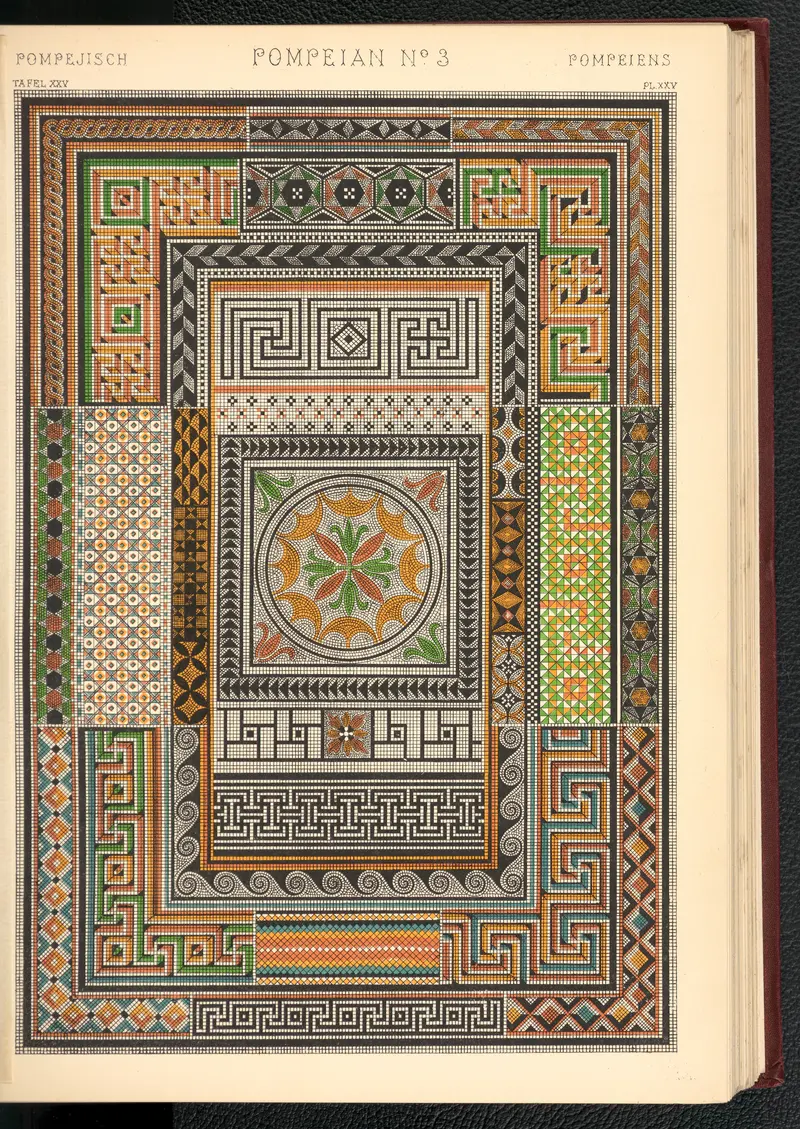
Pompeian Ornament No. 3
Owen Jones