
Twardowski conjuring the spirit of Barbara for Sigismund Augustus, sketch — History & Facts
In the shadowed corridors of Polish legend, few tales are as haunting as the night in 1569 when King Sigismund Augustus, tormented by grief for his late wife Barbara Radziwiłł, sought to see her one last time. It was the famed sorcerer Pan Twardowski who, according to chroniclers, conjured her spirit at the king’s behest—a story that has gripped the Polish imagination for centuries. Jan Matejko, ever drawn to the crossroads of myth and history, created this sketch in 1884 as a study for a larger, now-lost composition, capturing the very instant when the boundary between life and death seemed to falter.
The event’s blend of royal sorrow, forbidden magic, and the supernatural made it a favorite subject in 19th-century Polish art and literature. Matejko’s sketch seizes the moment when Twardowski stands, arm outstretched, summoning Barbara’s apparition before the stricken monarch. The king’s posture—leaning forward, hands clenched—speaks of desperate hope and disbelief, while the spectral form of Barbara hovers, half-formed, in a swirl of shadow and light. Twardowski’s commanding gesture, his chain of office, and the flickering candle on the table all serve as visual anchors, grounding the fantastical in the trappings of Renaissance Poland.
Unlike Hans Holbein’s rational, courtly depictions of monarchs, Matejko’s vision is charged with emotion and mystery, blurring the line between history and legend. As a sketch, this work offers a rare glimpse into Matejko’s process at a late stage in his career, when he was acclaimed for grand historical canvases like The Battle of Grunwald. The medium remains uncertain, but its loose, energetic lines suggest a preparatory study rather than a finished painting. The piece’s current whereabouts are unclear; it has surfaced in exhibition catalogues but is not on public display.
While not as celebrated as Matejko’s monumental works, this sketch remains a testament to his fascination with Poland’s past—where fact and fable intertwine, and where the longing for lost love can summon even the dead.
More Artworks by Jan Matejko
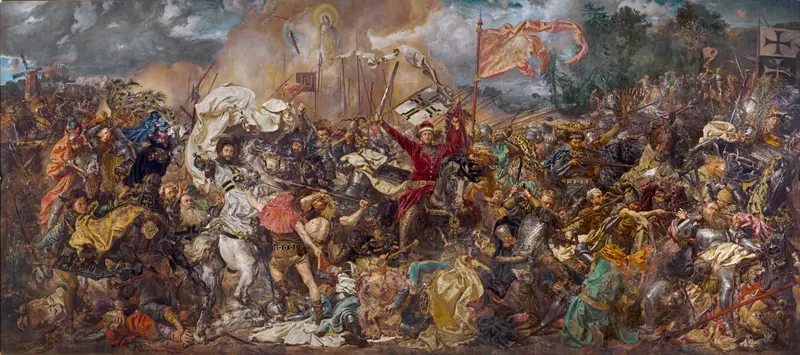
Battle of Grunwald
Jan Matejko

Stańczyk
Jan Matejko

Battle of Raclawice
Jan Matejko
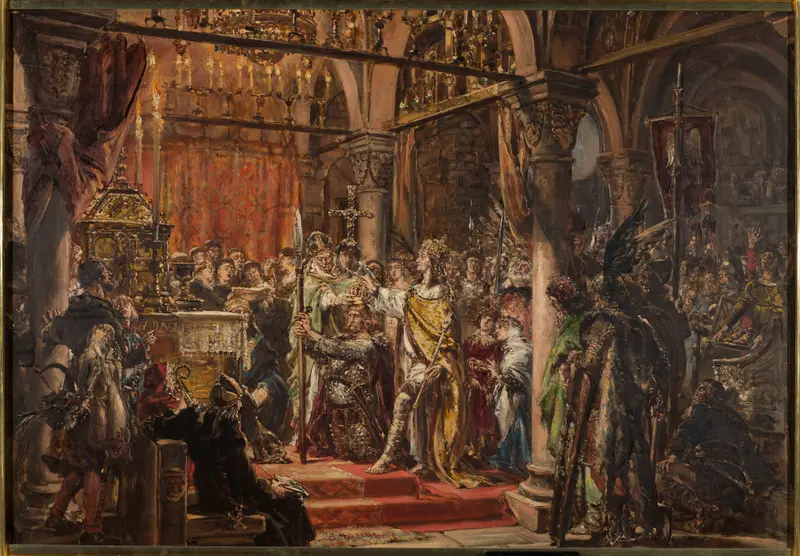
Coronation of the First King, 1001 AD, from the series “History of Civilization in Poland”
Jan Matejko
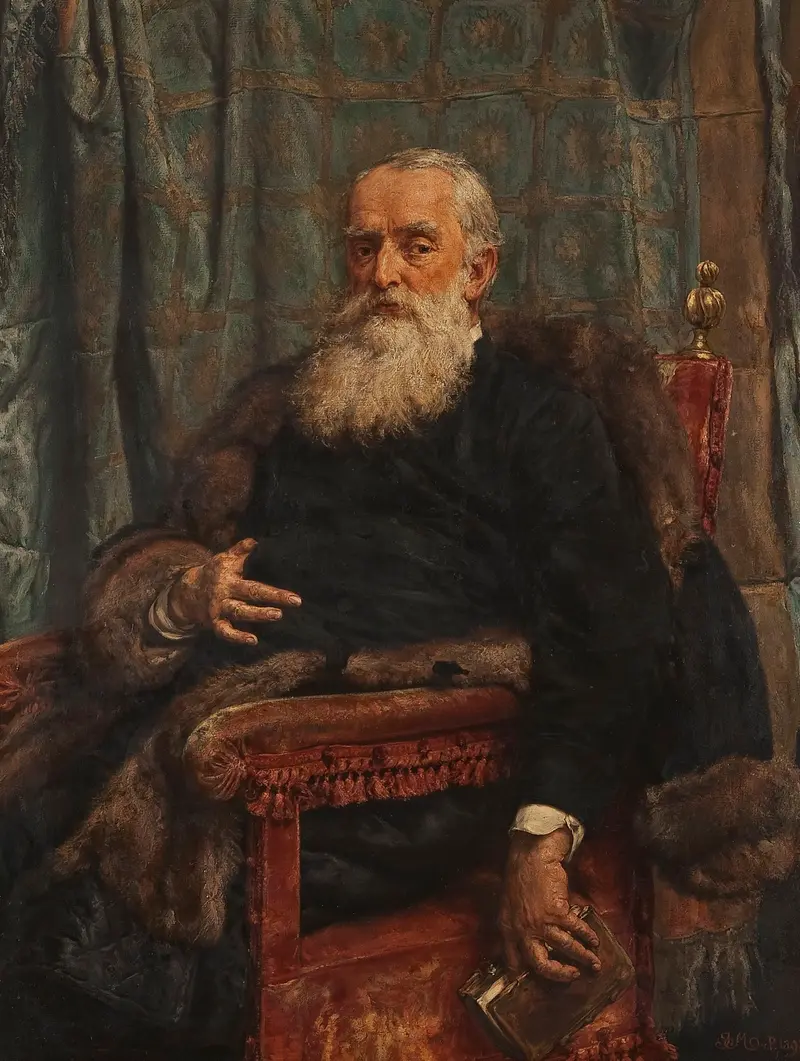
Portrait of Henryk Krajewski
Jan Matejko
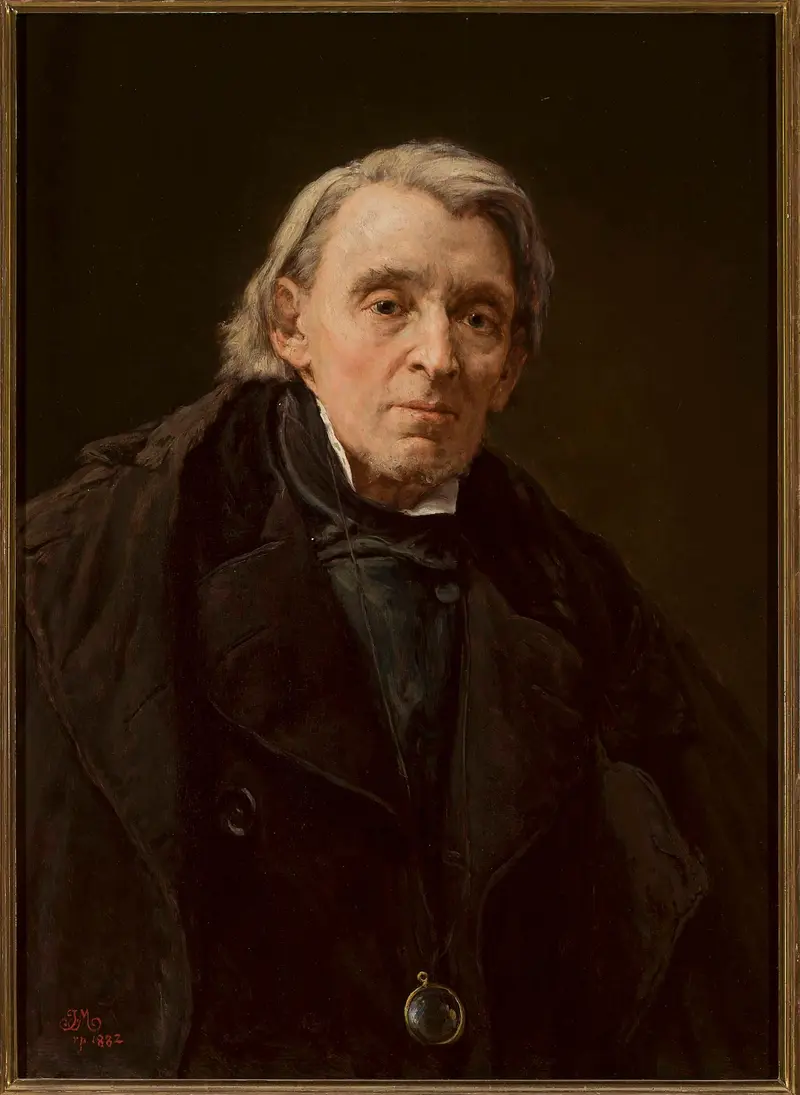
Portrait of Karol Podlewski
Jan Matejko
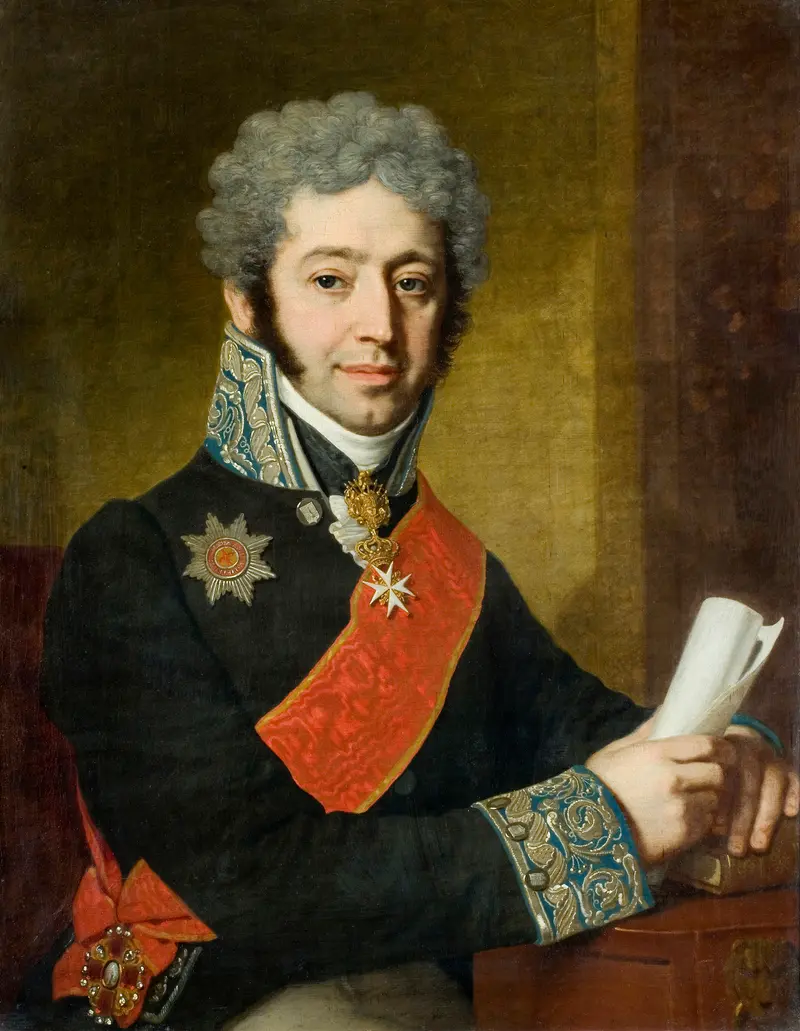
Portrait of Potocki and Poninski
Jan Matejko
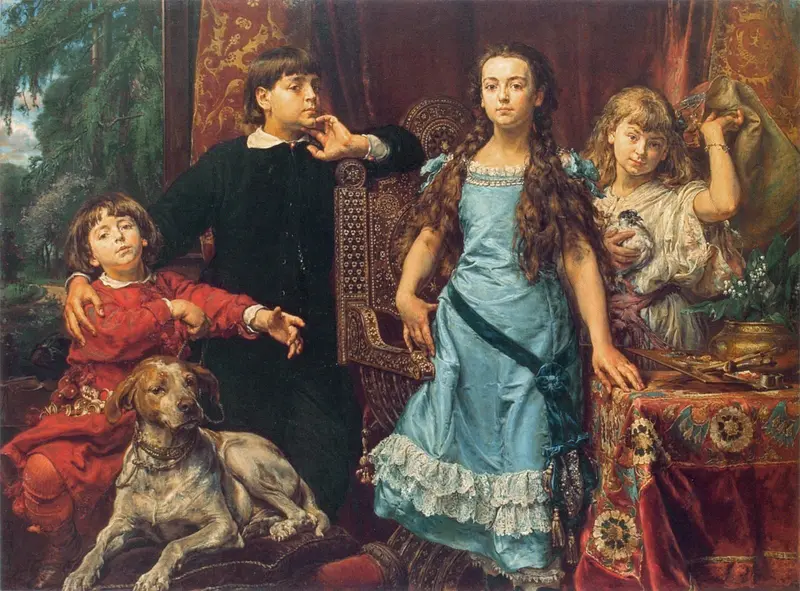
Portrait of the artist's four children
Jan Matejko
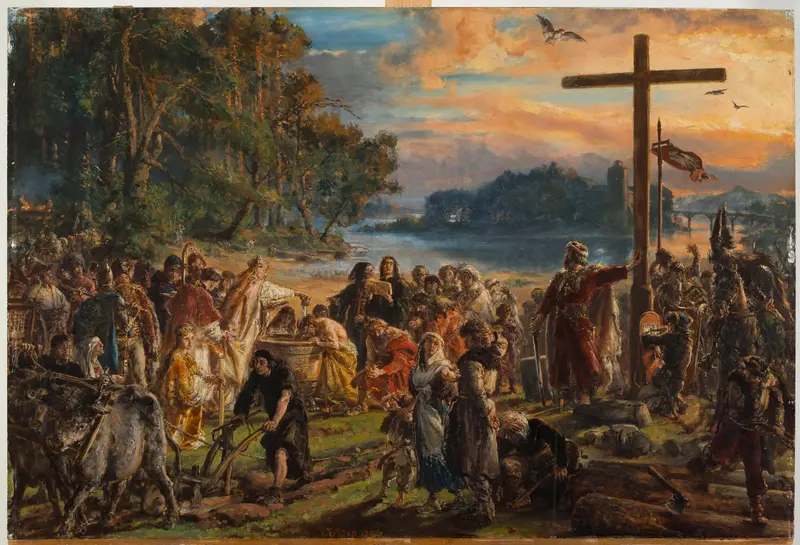
Introduction of Christianity in Poland
Jan Matejko
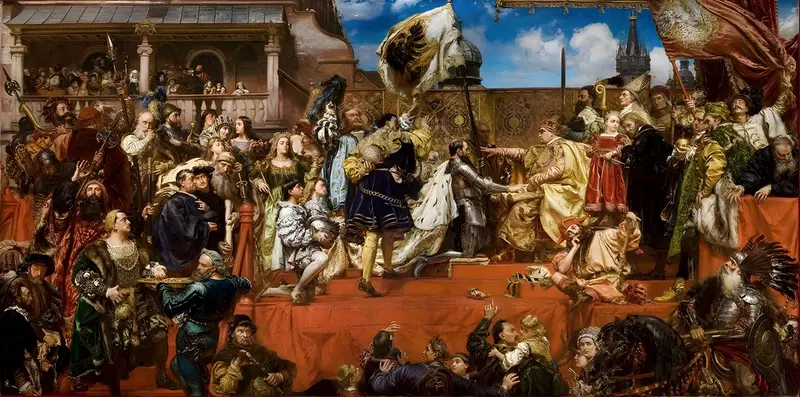
Prussian Homage
Jan Matejko





