
Twee ruiters — History & Facts
In a world teetering between the mundane and the sublime, art becomes a vessel of transcendence, inviting us to explore deeper meanings beneath the surface. In Twee ruiters, focus first on the two riders, poised elegantly on their steeds, set against a landscape teeming with vibrant hues. The rich greens of the grassland contrast sharply with the earthy browns of the horses, while the intricate details of their attire draw the eye, revealing the skillful brushwork. Notice how the light cascades gently over their figures, highlighting their solemn expressions and suggesting an unspoken story that lingers in the air, almost palpable. The emotional tension in this piece lies in the juxtaposition of the riders’ confident postures against the stillness of the surrounding landscape.
Each garment is adorned with intricate patterns, hinting at nobility and status, yet their gaze seems distant, suggesting a deeper contemplation of their purpose. The expansive sky, painted in soft, muted tones, evokes a sense of longing and introspection, creating a connection between the earthly and the ethereal. Created in the early 16th century, this work emerged during a period of significant transition in art and society. Jacob Cornelisz van Oostsanen, active in Amsterdam, explored innovative techniques influenced by the Renaissance while also reflecting on the human experience.
The compositional choices in this painting speak to the evolving nature of portraiture and narrative, preparing the ground for future artists who sought to capture the complexities of human emotion and connection.
More Artworks by Jacob Cornelisz van Oostsanen
Browse all →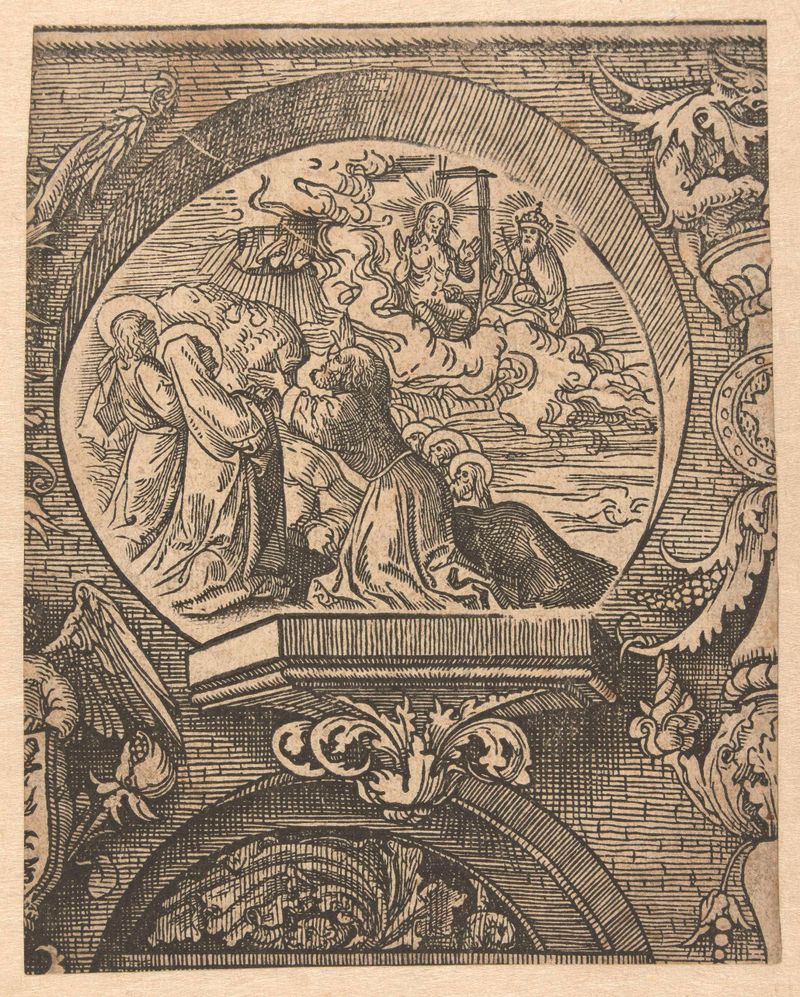
De hemelvaart en Christus voor God de Vader
Jacob Cornelisz van Oostsanen
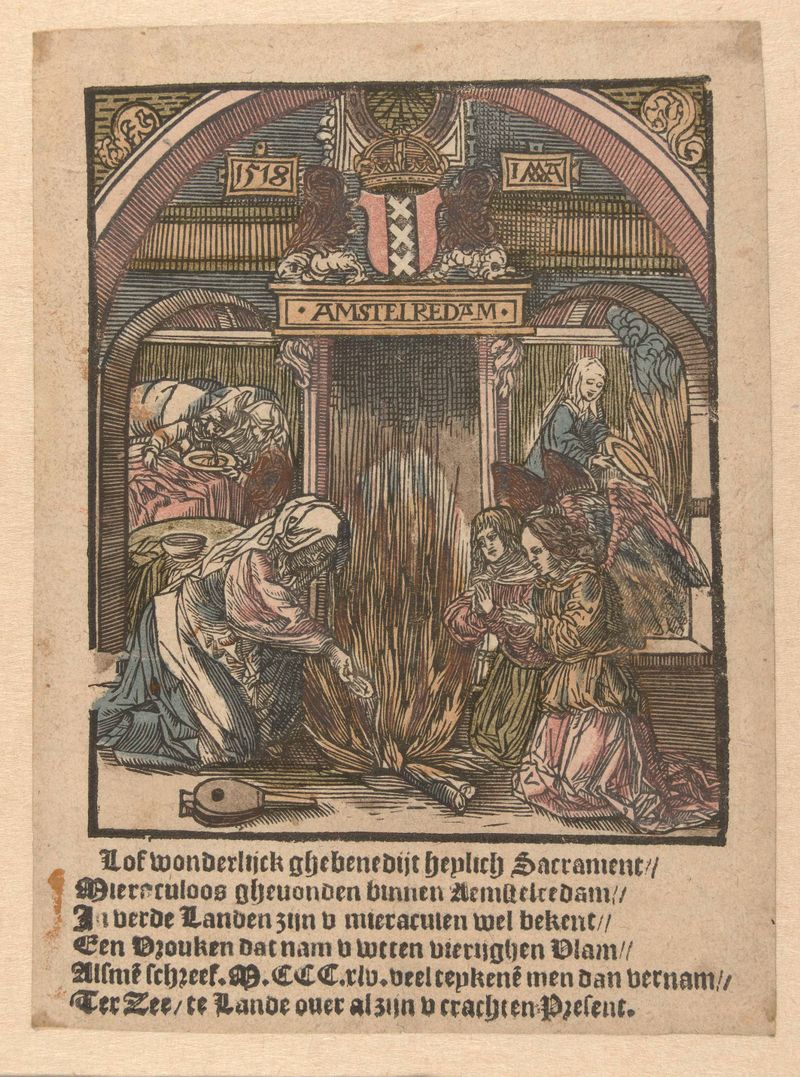
Het hostiewonder van Amsterdam
Jacob Cornelisz van Oostsanen
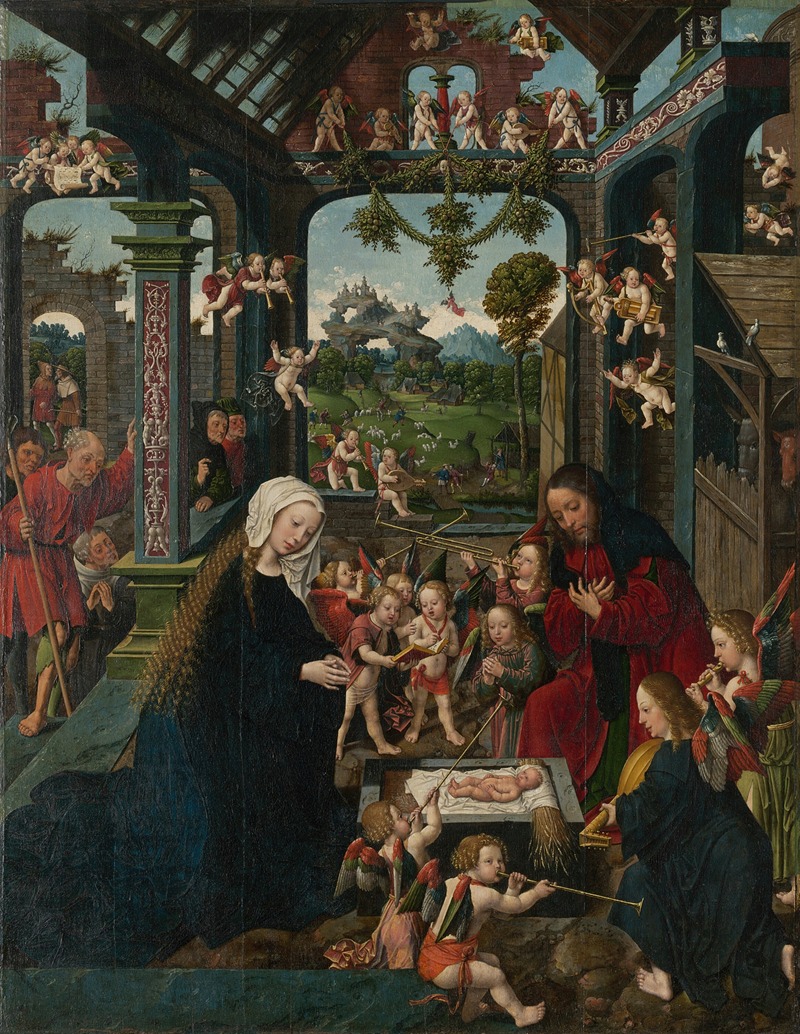
The Adoration of the Christ Child
Jacob Cornelisz van Oostsanen
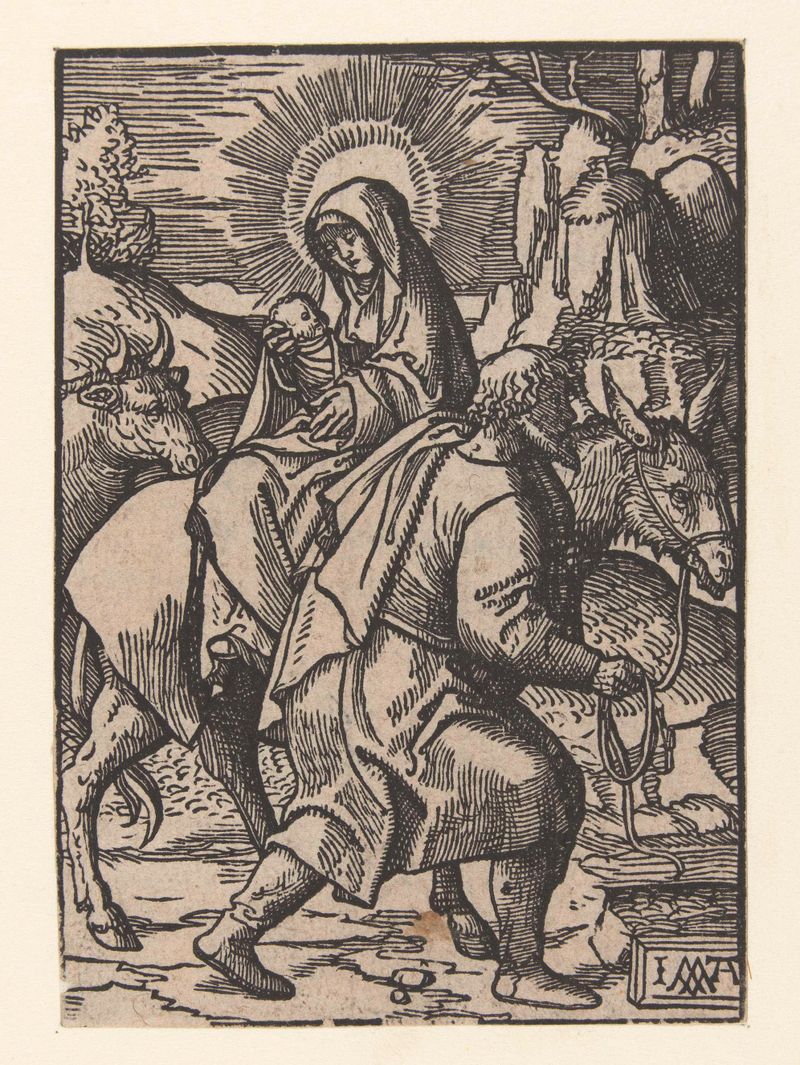
Vlucht naar Egypte
Jacob Cornelisz van Oostsanen
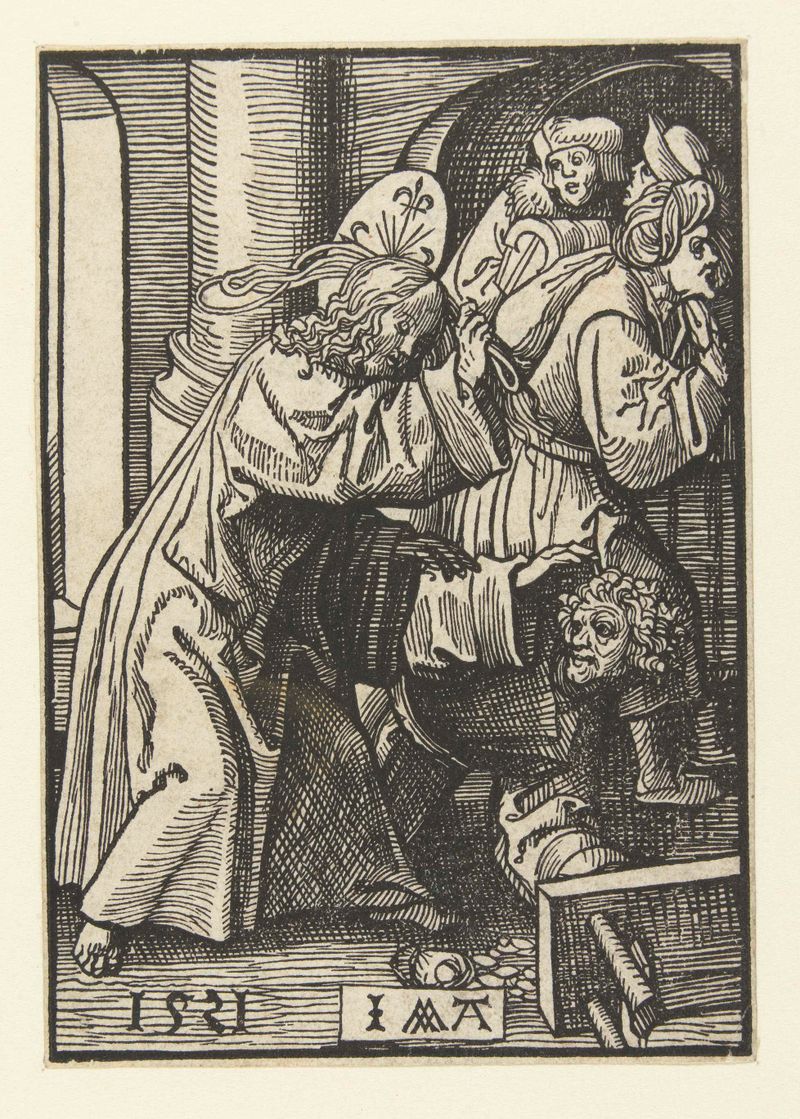
Verdrijving van de handelaren uit de tempel
Jacob Cornelisz van Oostsanen
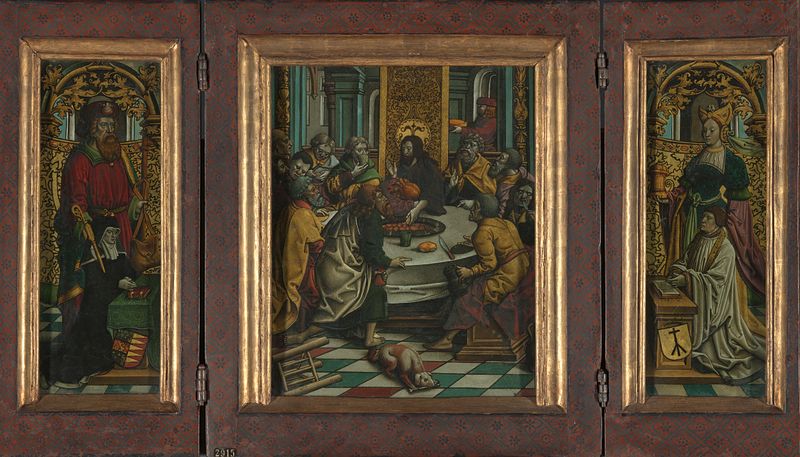
Triptych with the Last Supper and Donors
Jacob Cornelisz van Oostsanen
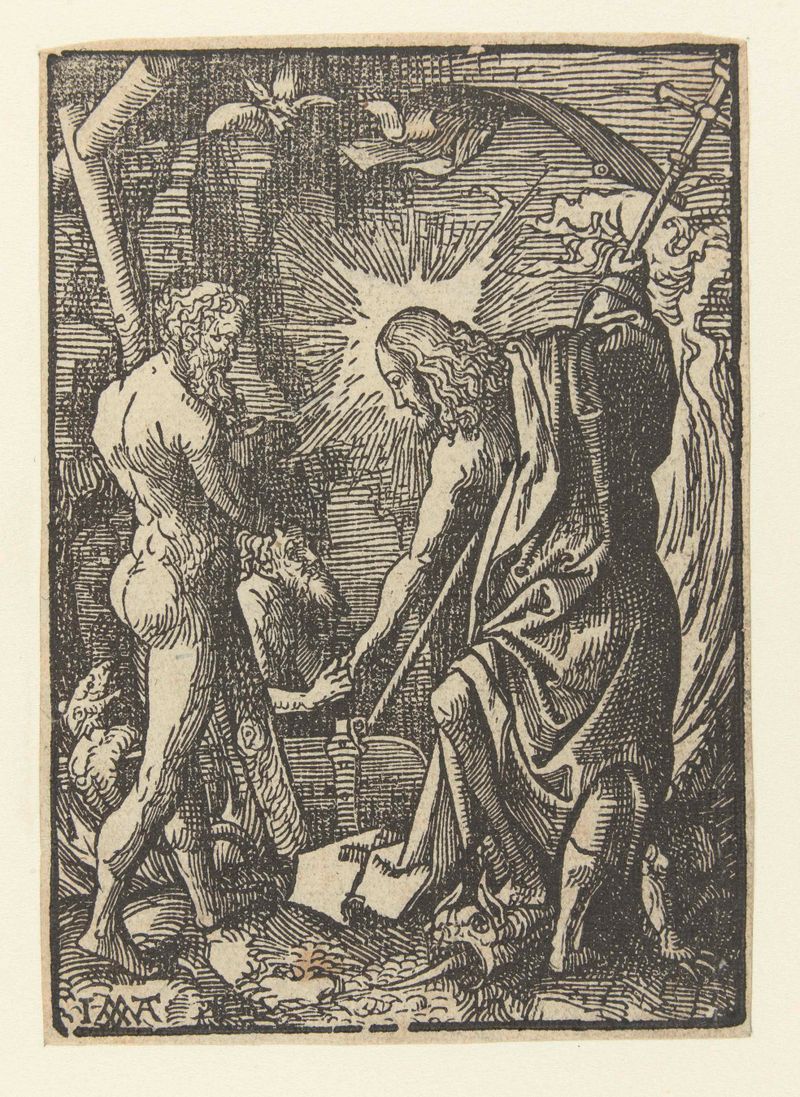
Christus in het voorgeborchte
Jacob Cornelisz van Oostsanen
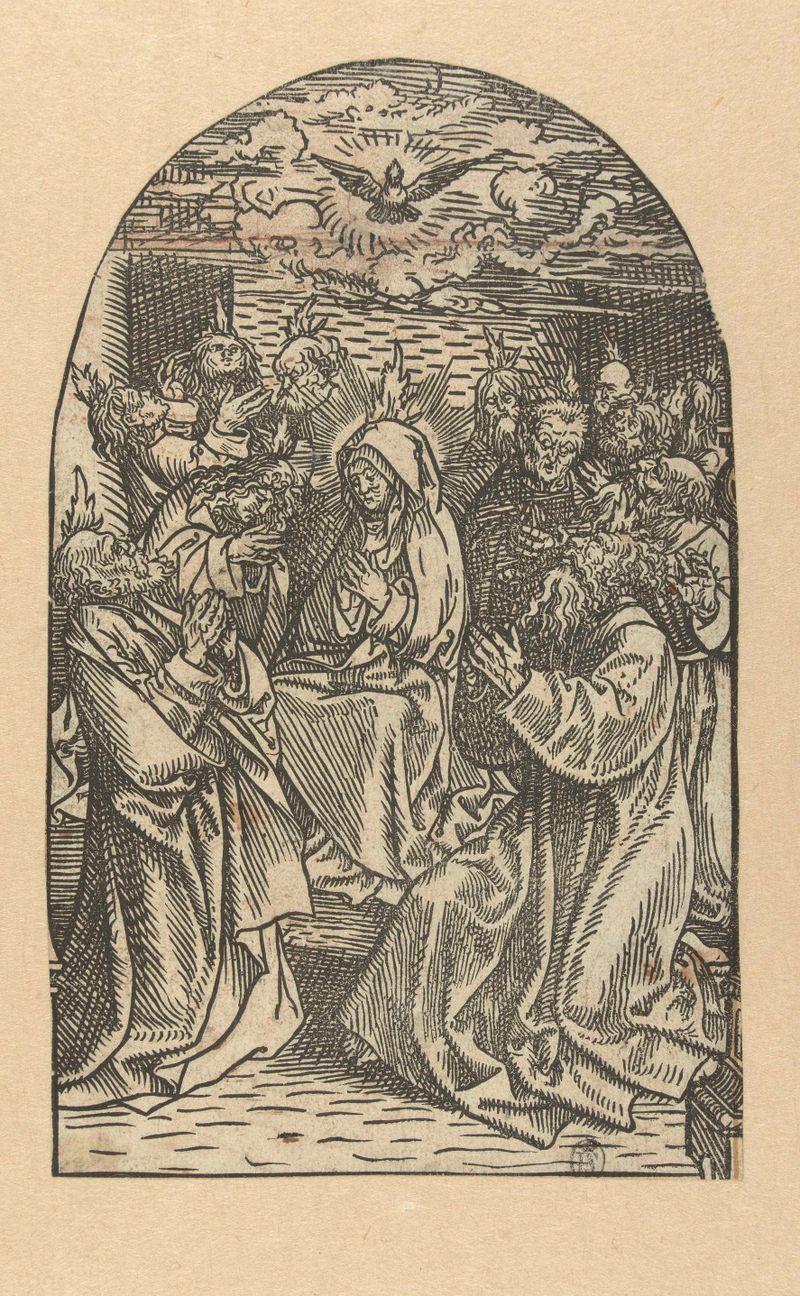
Uitstorting van de Heilige Geest
Jacob Cornelisz van Oostsanen
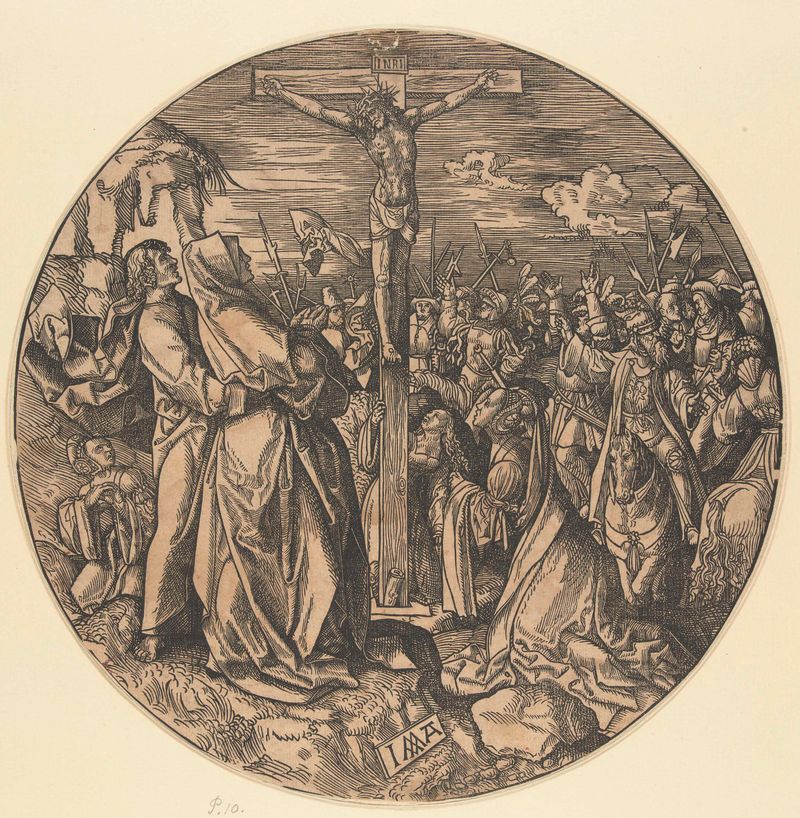
Christus aan het kruis
Jacob Cornelisz van Oostsanen

De kruisiging en de graflegging van Christus
Jacob Cornelisz van Oostsanen





