
Two Girls — History & Facts
What first arrests the eye in Two Girls is the hush between the figures—a pause that feels both casual and charged. One girl sits forward, her bare feet planted on the floor, her gaze lowered as she absently fingers the hem of her dark skirt. The other, perched on a pink-cushioned sofa, props her chin in her hands and stares into the middle distance, her expression unreadable.
The blue-green wash of the room, rendered in quick, visible strokes, wraps the scene in a cool, almost aquatic quiet. Morisot’s brushwork is loose but deliberate: the pitcher and basin at their feet are sketched with the same energy as the girls’ hair and hands, as if everything in the room is swept up in the same current of thought. Painted in 1894, this work belongs to the final decade of Berthe Morisot’s career, a period when she often turned to domestic interiors and the private worlds of women and girls. In late nineteenth-century France, such scenes were rarely grand commissions; instead, they were glimpses into the rhythms of everyday life, painted for a growing bourgeois audience curious about the intimate and the ordinary.
The Impressionists—Morisot among them—were reshaping what counted as worthy of art, finding meaning in the unremarked moments of the day. Little is recorded about the specific history of this painting, now viewable in high detail through the Google Cultural Institute, but its quiet tension and unfinished edges invite us to linger, searching for the story in the silence.
More Artworks by Berthe Morisot

The Harbor at Lorient
Berthe Morisot
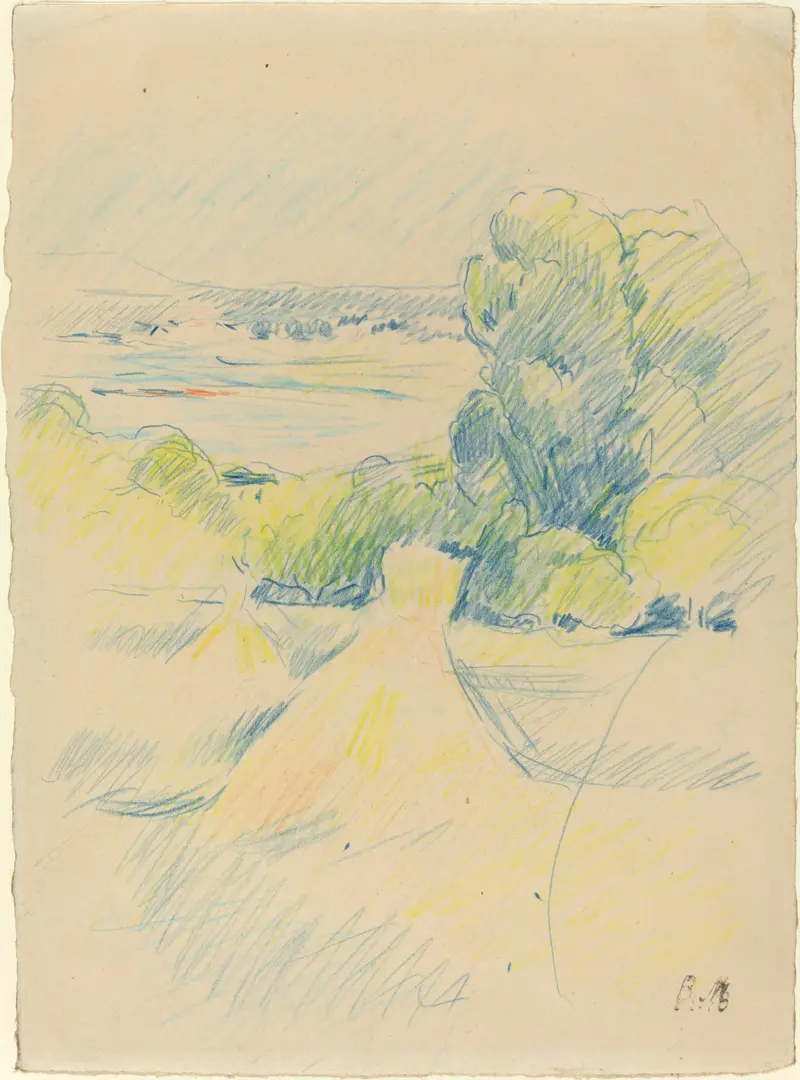
Landscape
Berthe Morisot

Hanging the Laundry out to Dry
Berthe Morisot

Woman in a Garden
Berthe Morisot

Young Girl with Hat
Berthe Morisot
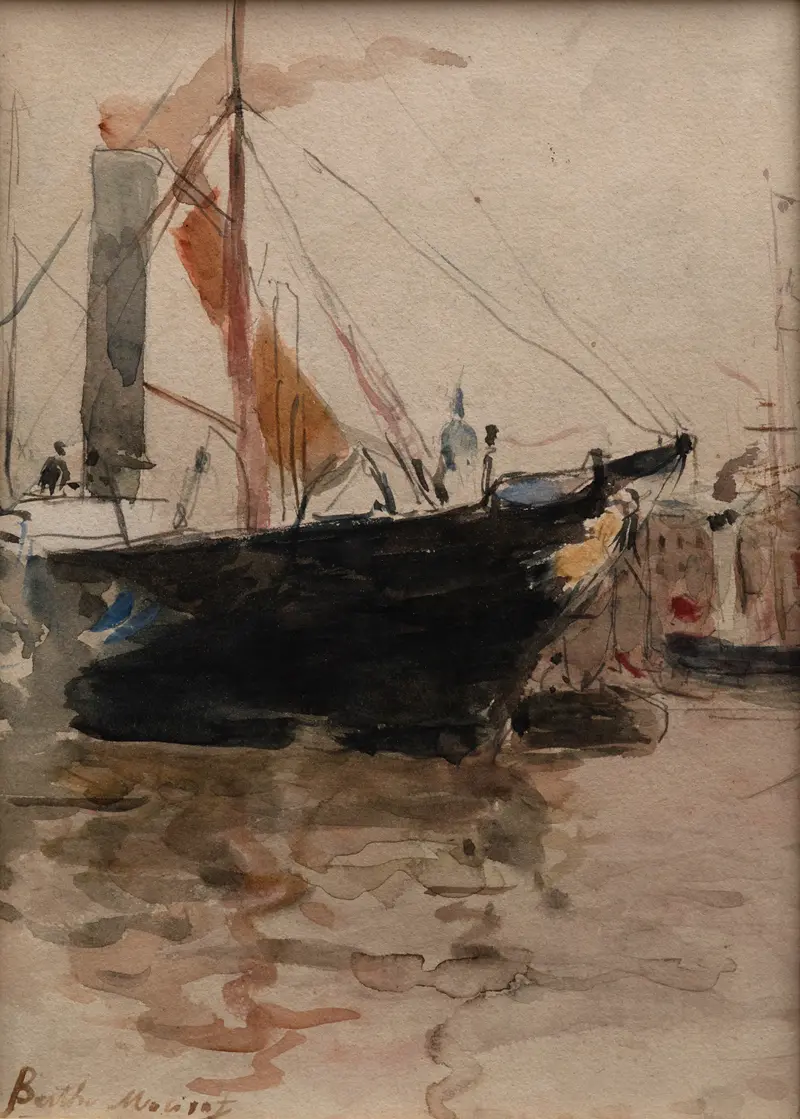
Harbor Scene, Isle of Wight
Berthe Morisot
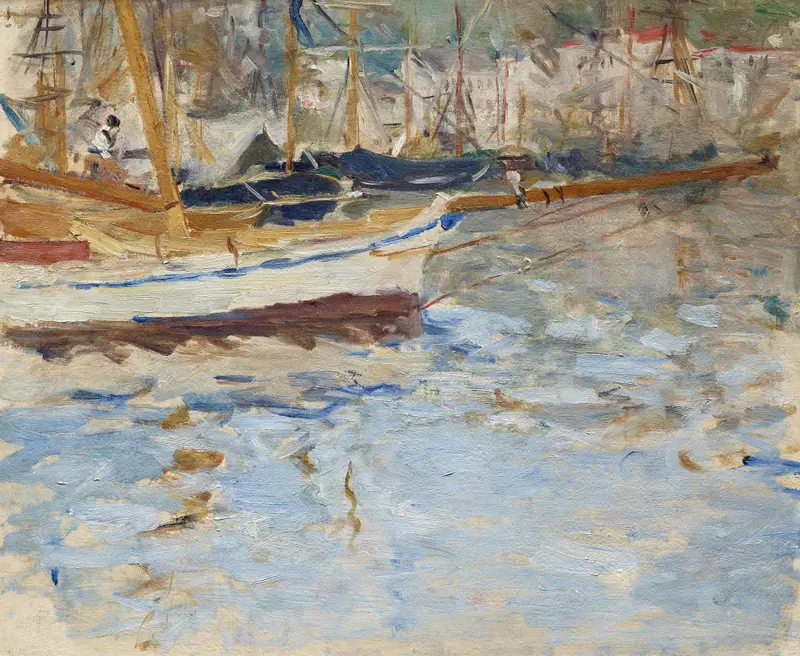
The Port of Nice
Berthe Morisot
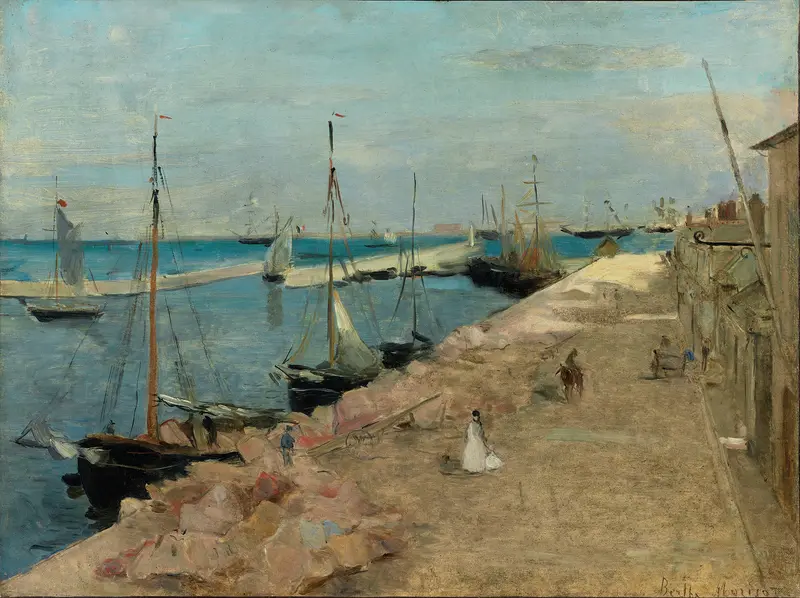
The Harbor at Cherbourg
Berthe Morisot

The Mother and Sister of the Artist
Berthe Morisot
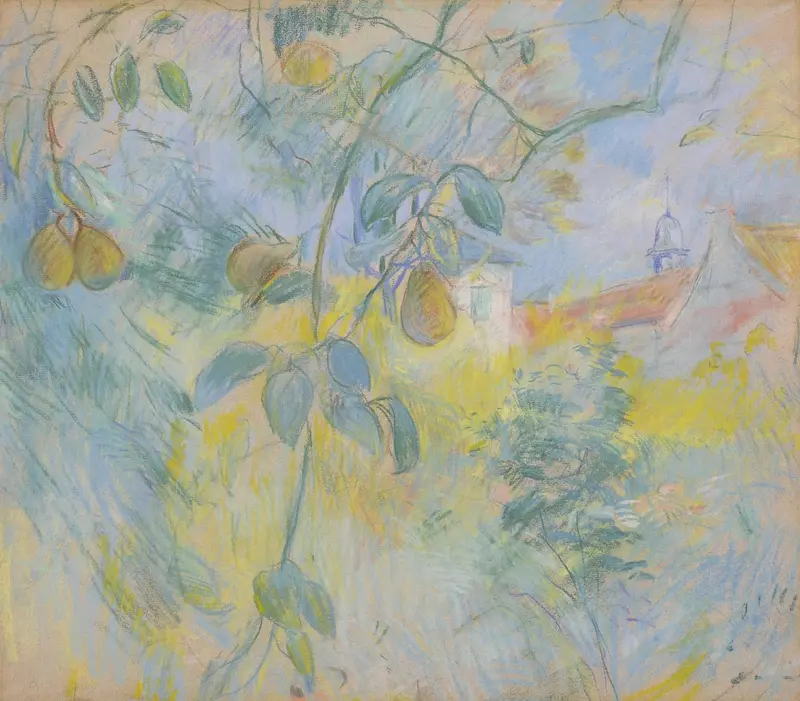
Les Poires
Berthe Morisot
More Genre Scene Art

Banquet of the Officers of the St George Civic Guard
Frans Hals

Rembrandt and Saskia in the Scene of the Prodigal Son
Rembrandt van Rijn

Bal du moulin de la Galette
Pierre-Auguste Renoir

Quadrille at the Moulin Rouge
Henri de Toulouse-Lautrec

A Burial at Ornans
Gustave Courbet

When Will You Marry?
Paul Gauguin