
Two laughing boys with mug of beer — History & Facts
No other painting by Frans Hals has sparked as much debate over its authenticity as Two laughing boys with mug of beer. For decades, scholars argued whether this lively scene was truly by the hand of the Haarlem master or a clever imitation by a follower. The painting’s bold brushwork and spontaneous energy convinced most experts by the late twentieth century, but questions still linger about its precise origins and whether Hals painted it alone or with assistance from his studio. We catch the boys at the height of their laughter, one clutching a foaming mug of beer, the other grinning broadly, their cheeks flushed with merriment.
Hals freezes this fleeting moment of camaraderie, using quick, visible strokes to animate the boys’ faces and hands. The mug of beer, a common symbol in Dutch genre painting, hints at the pleasures and follies of youth, while the boys’ carefree expressions invite the viewer to share in their mischief. Unlike the moralizing tone of Jan Steen’s tavern scenes, Hals offers no lesson—just the infectious joy of the moment, rendered with dazzling immediacy. The exact circumstances of the painting’s creation are unclear, but it likely dates to around 1626, when Hals was at the height of his powers and in demand among Haarlem’s wealthy citizens.
The work’s early history is undocumented; it surfaced in the nineteenth century, passing through several private collections before entering a major museum. Today, Two laughing boys with mug of beer is celebrated as a quintessential example of the Dutch Golden Age’s fascination with everyday life—and as a testament to Hals’s unrivaled ability to capture the spark of human character.
More Artworks by Frans Hals

Banquet of the Officers of the St George Civic Guard
Frans Hals

Portrait of Jacob Pietersz Olycan (1596-1638)
Frans Hals
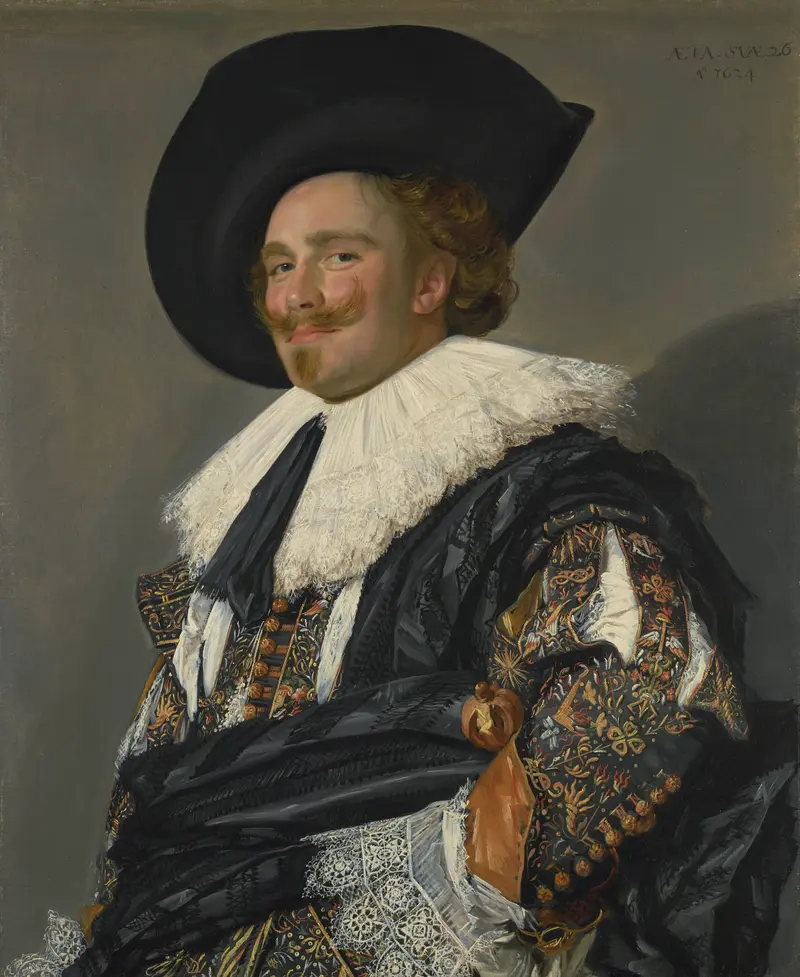
Laughing Cavalier
Frans Hals

Militia Company of District XI under the Command of Captain Reynier Reael, Known as ‘The Meagre Company’
Frans Hals
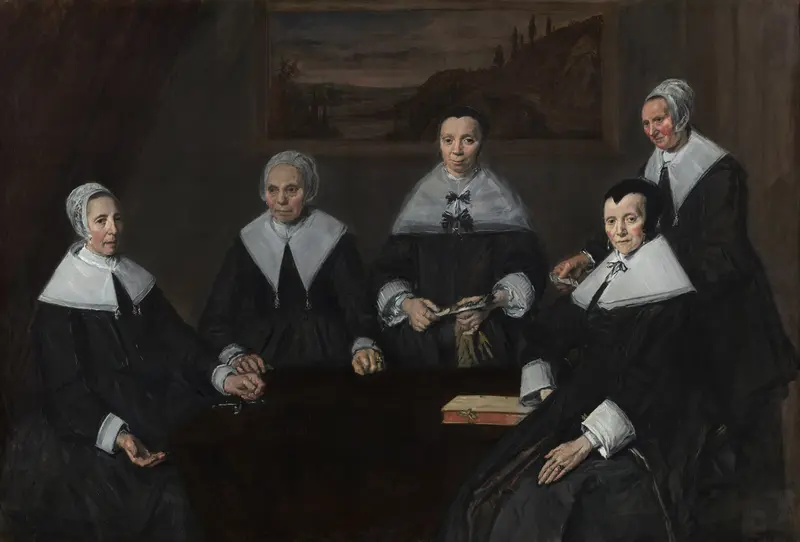
Regentesses of the Old Men's Alms House
Frans Hals
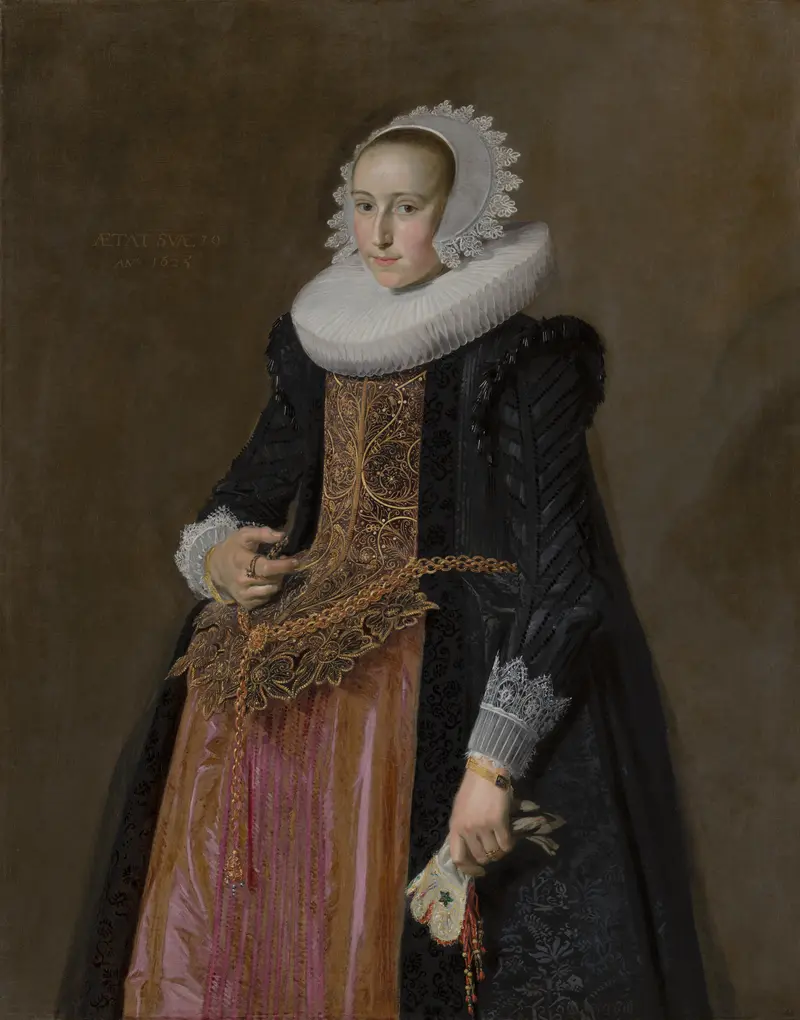
Portrait of Aletta Hanemans (1606–1653)
Frans Hals
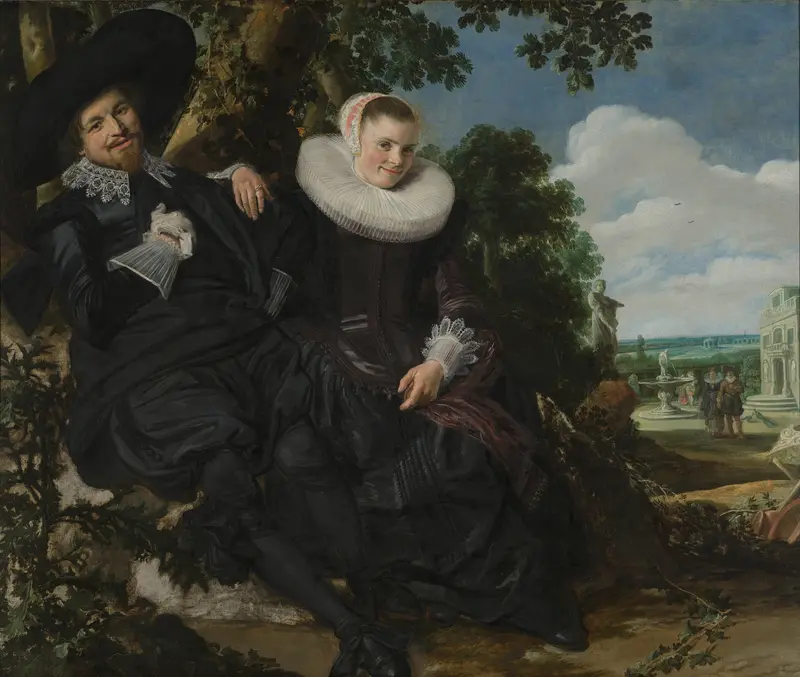
Portrait of a Married Couple, Likely Isaac Abrahamsz Massa and Beatrix van der Laen
Frans Hals
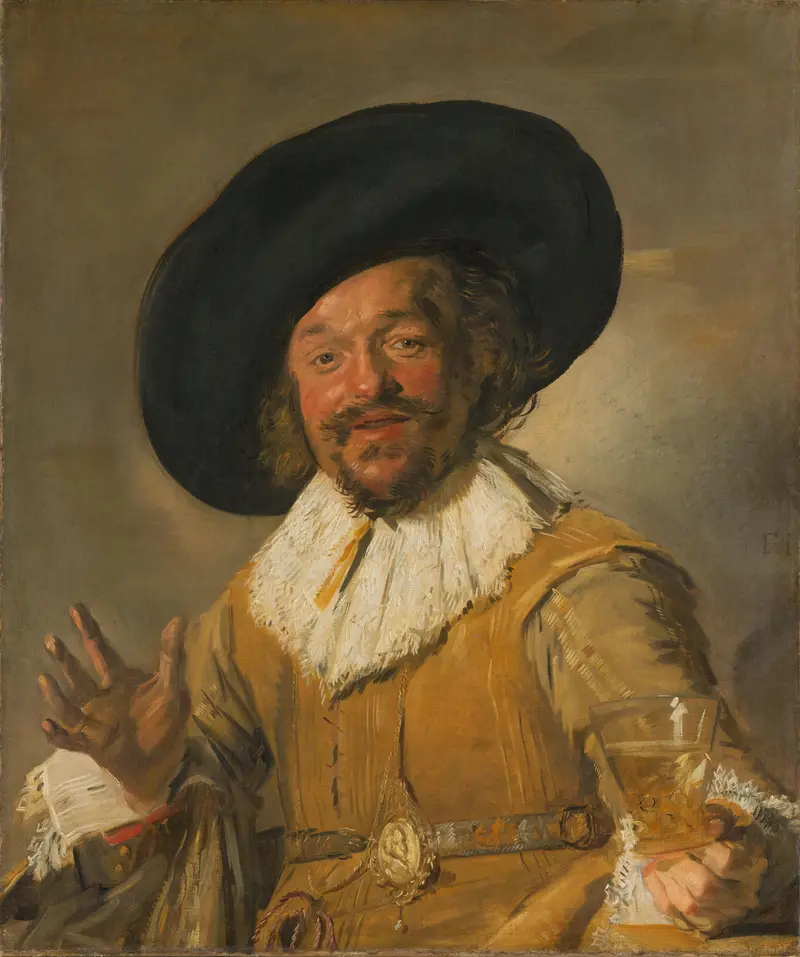
The Merry Drinker
Frans Hals
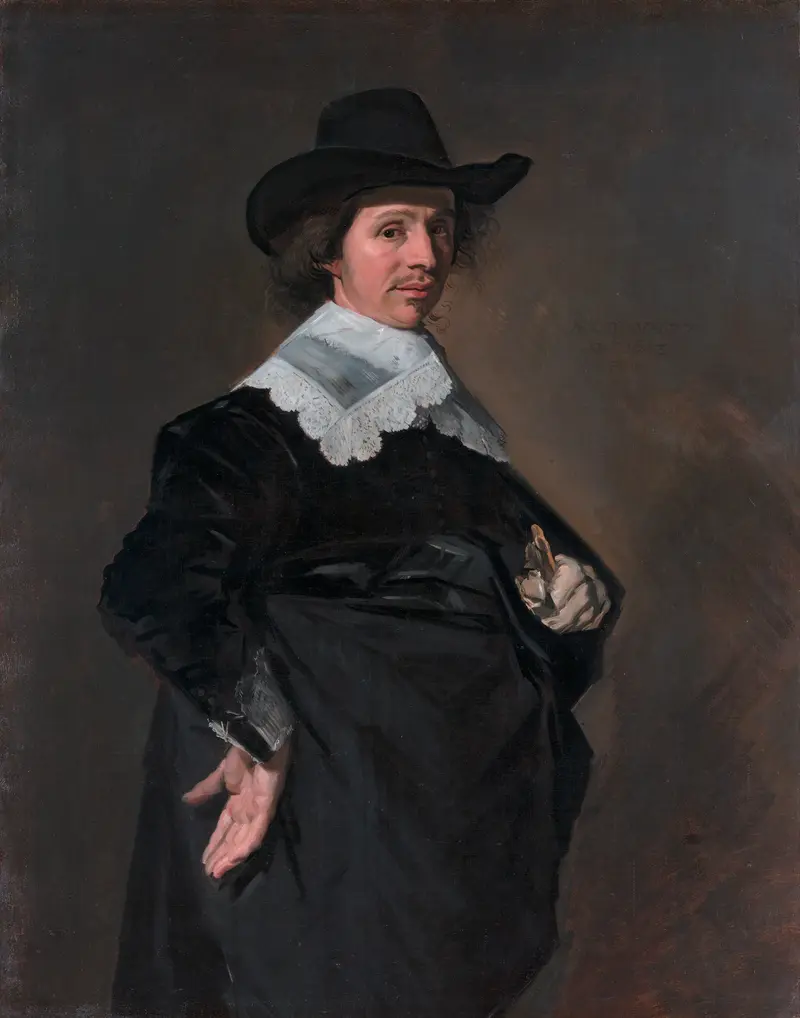
Portrait of Paulus Verschuur
Frans Hals
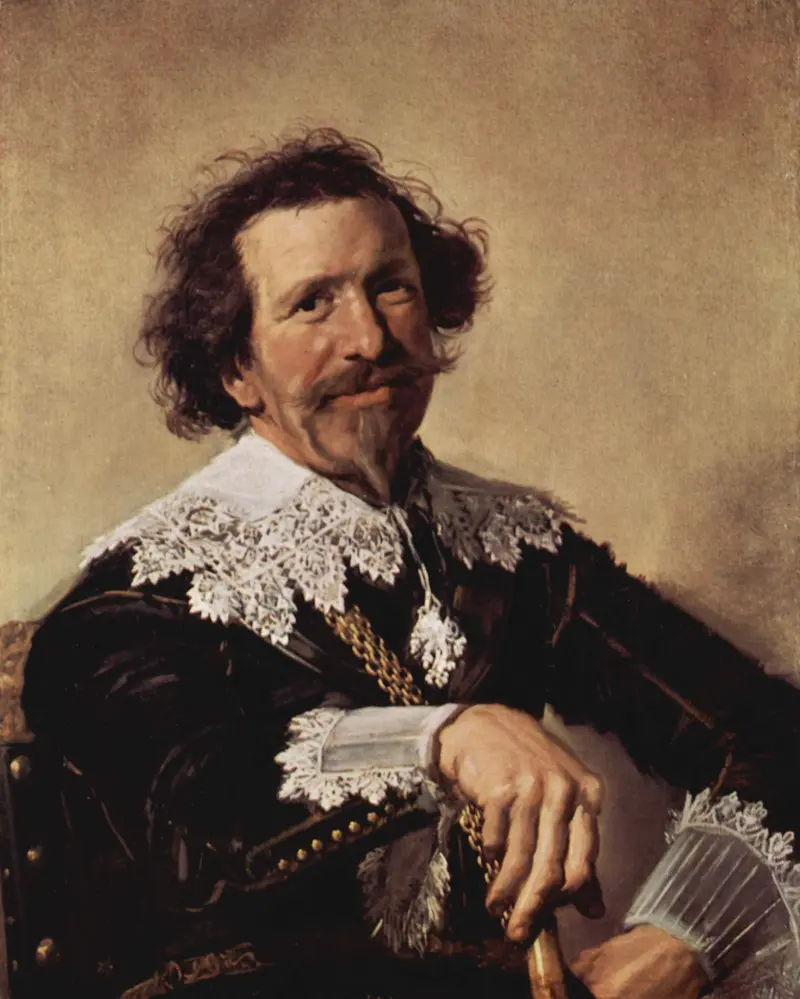
Portrait of Pieter van den Broecke
Frans Hals
More Genre Scene Art
Banquet of the Officers of the St George Civic Guard
Frans Hals

Rembrandt and Saskia in the Scene of the Prodigal Son
Rembrandt van Rijn

Bal du moulin de la Galette
Pierre-Auguste Renoir

Quadrille at the Moulin Rouge
Henri de Toulouse-Lautrec

A Burial at Ornans
Gustave Courbet

When Will You Marry?
Paul Gauguin