Two Studies of Hands — History & Facts
No one knows precisely why Filippino Lippi created Two Studies of Hands, but this delicate drawing is a rare surviving glimpse into the artist’s private workshop practice. Unlike finished altarpieces or grand frescoes, such studies were never meant for public eyes; they were working tools, often discarded or reused. The survival of this sheet is remarkable, since most preparatory drawings from the 15th century have been lost to time, recycled as scrap or simply worn away by use.
Its existence allows us to peer over the artist’s shoulder, catching him in the act of searching for the perfect gesture. Here, the subject is not a saint or a mythic hero, but the human hand itself—twice, in different poses, rendered with attentive care. One hand is open, fingers gently splayed, the other curled inwards as if holding a small object. The soft, searching lines suggest Lippi was exploring anatomy and expression, perhaps preparing for a larger composition where hands would play a vital role in conveying emotion or intent.
Compared to the more schematic studies by his teacher, Sandro Botticelli, Lippi’s approach is warmer, more natural, as if he was drawing from a living model rather than memory or convention. The focus on hands—so expressive, so difficult to capture—reveals the Renaissance artist’s fascination with the body as a vessel of meaning. The precise origins of Two Studies of Hands remain uncertain: we do not know its original purpose, nor the patron who might have commissioned the larger work it prepared. Drawings like this were rarely signed or dated, and often passed through many hands—students, collectors, connoisseurs—before finding their way into museum collections.
Today, the sheet is treasured as an intimate record of Filippino Lippi’s process, and as a testament to the Renaissance workshop’s blend of discipline and invention. It stands as a quiet but essential piece of the artist’s legacy, bridging the gap between private study and public masterpiece.
More Artworks by Filippino Lippi

Portrait of a Youth
Filippino Lippi
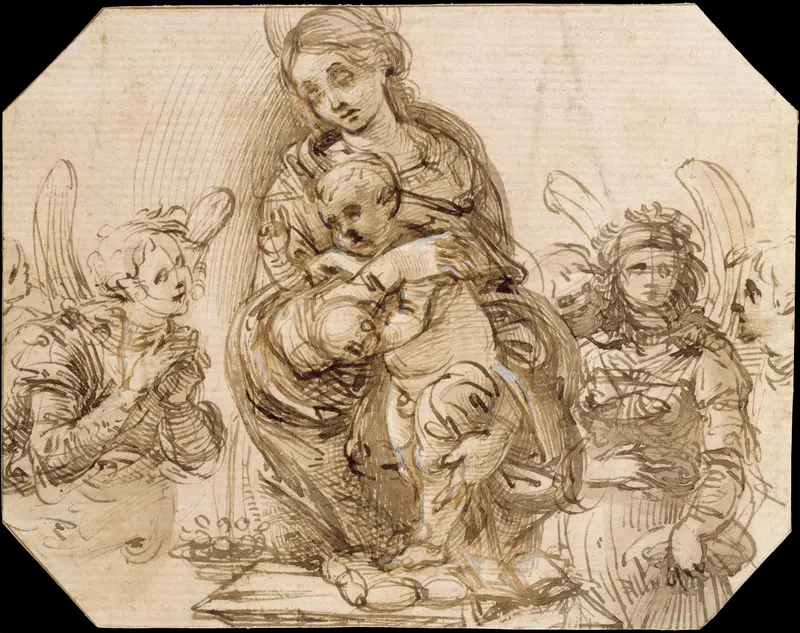
Virgin and Child Attended by Angels
Filippino Lippi

Christ on the Cross
Filippino Lippi
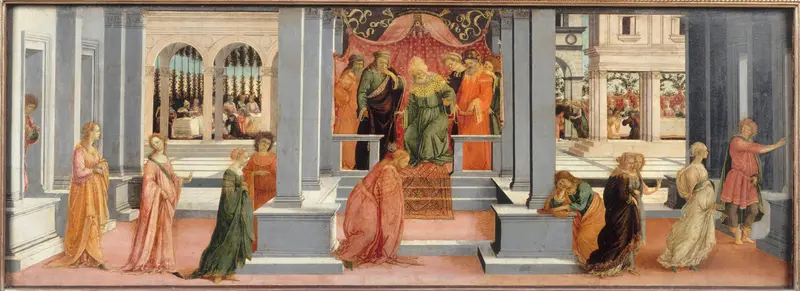
Esther choisie par Assuérus
Filippino Lippi
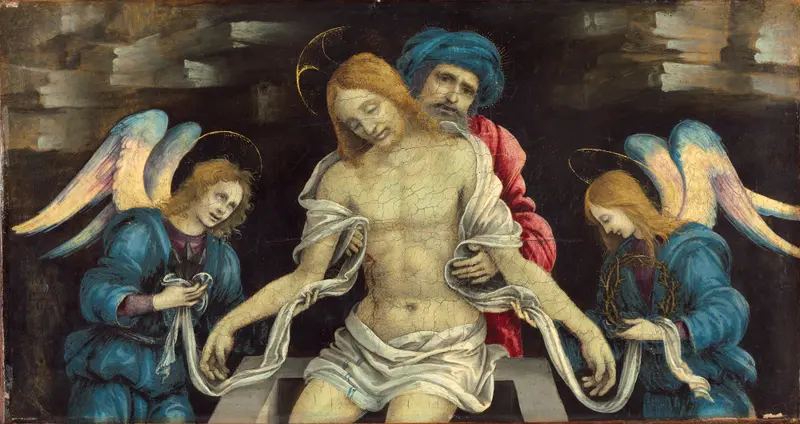
Pietà (The Dead Christ Mourned by Nicodemus and Two Angels)
Filippino Lippi
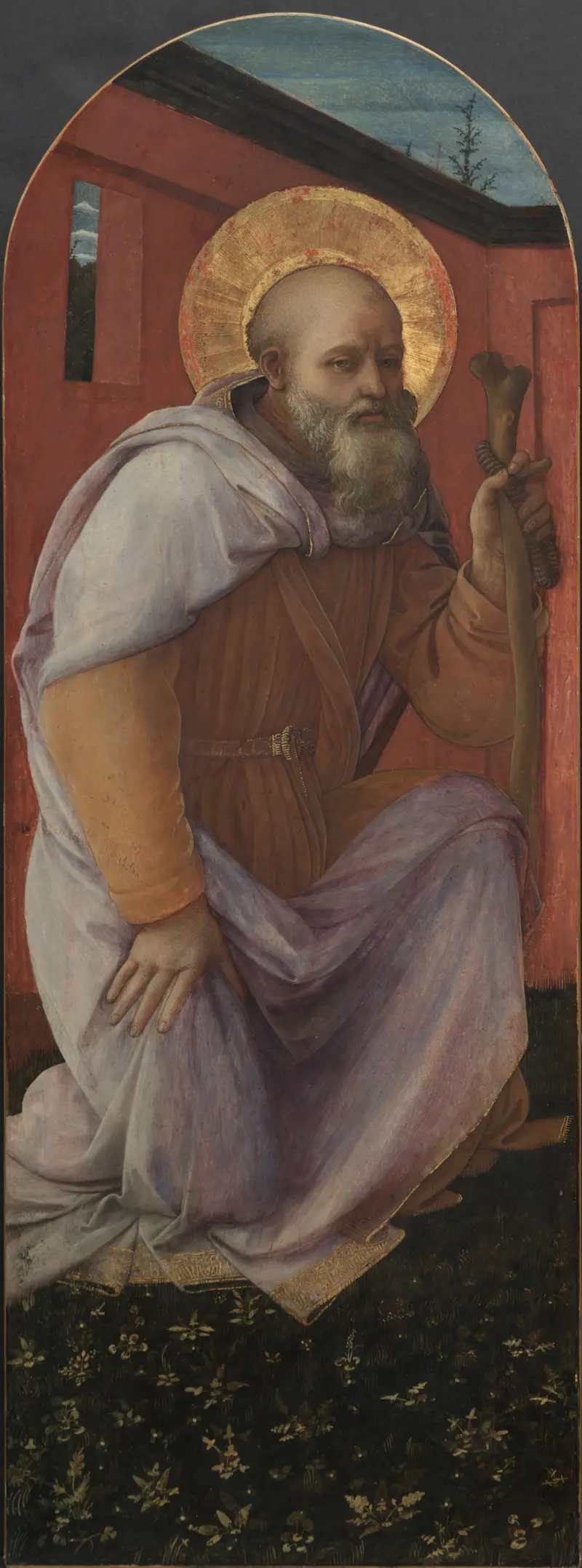
St. Anthony Abbot
Filippino Lippi
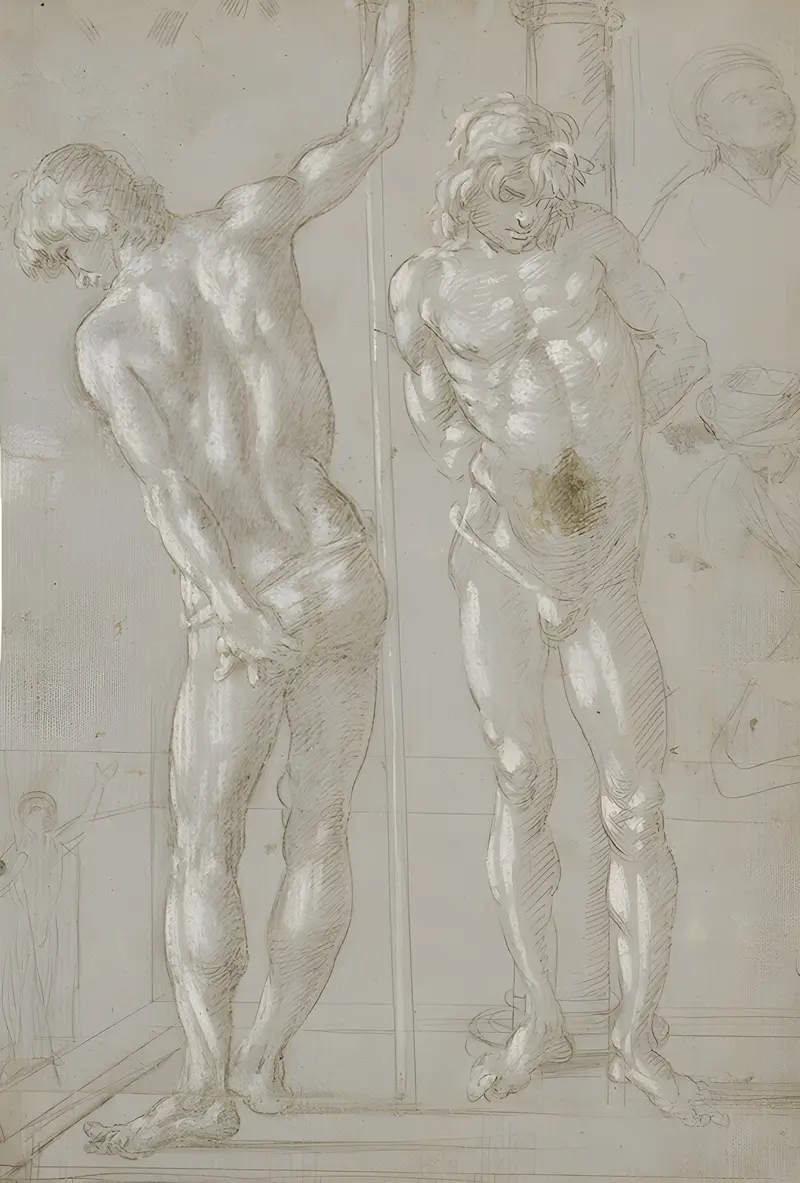
Studies of Christ at the Column, a Nude from Behind, and Various Figures
Filippino Lippi
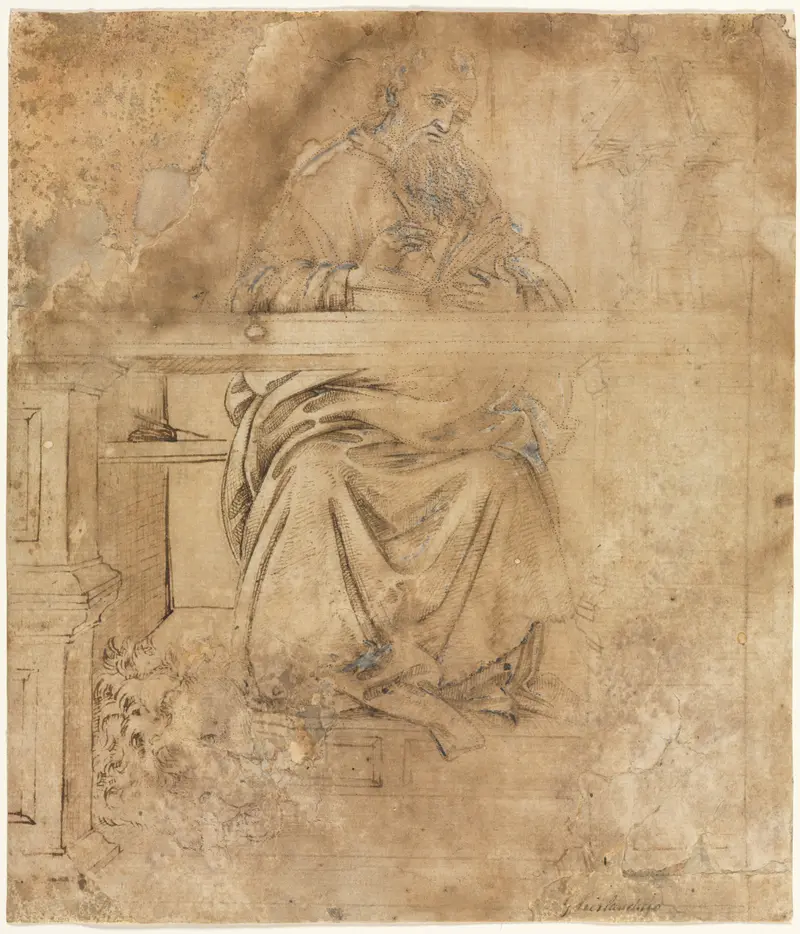
St. Jerome in His Study
Filippino Lippi
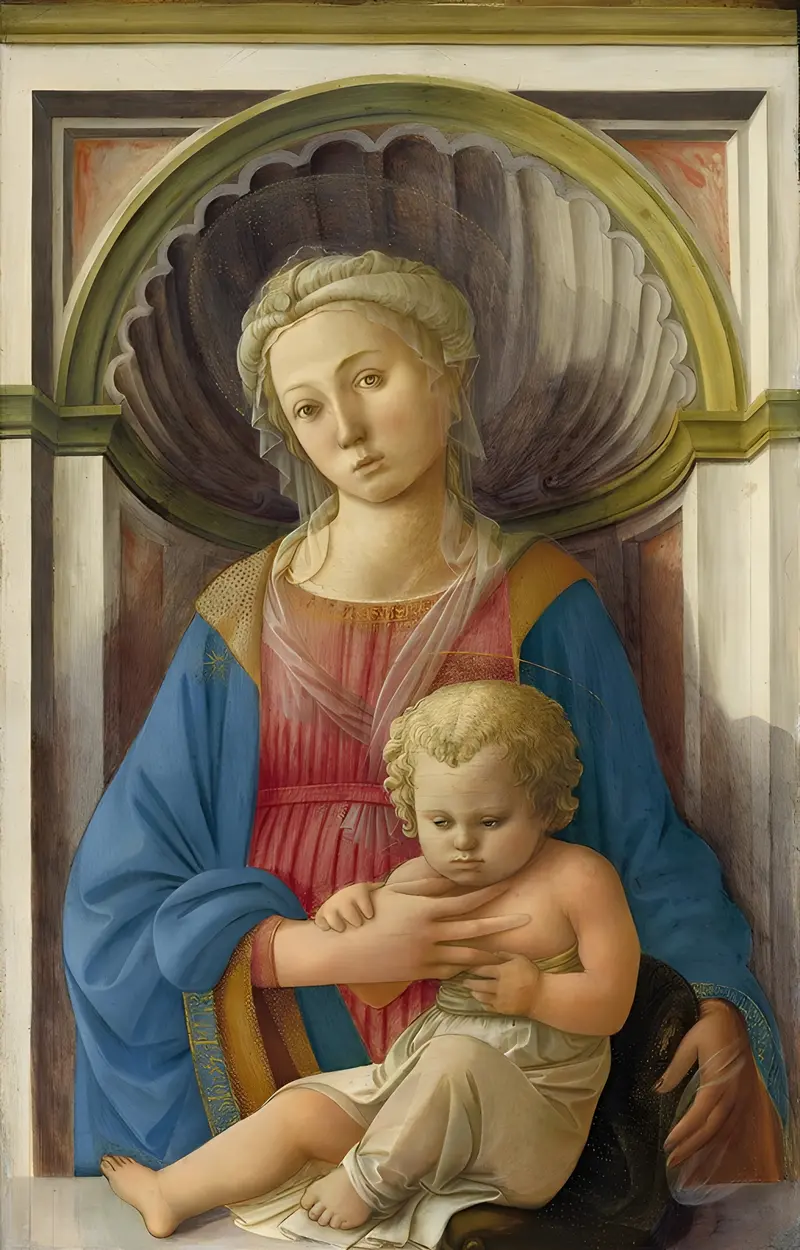
Madonna and Child
Filippino Lippi
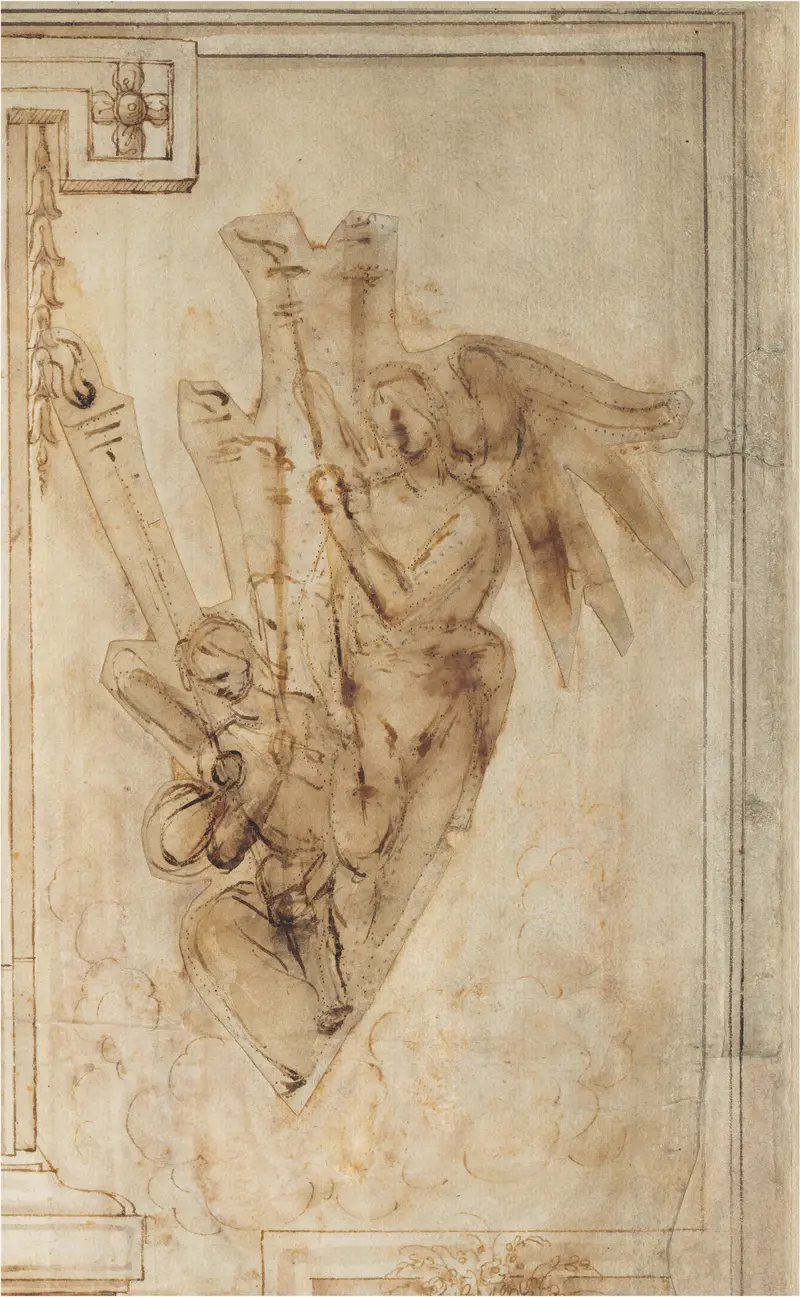
Two Angels Carrying Torches
Filippino Lippi