
Two Trees — History & Facts
No one knows for certain when or why Gustave Van de Woestijne painted Two Trees, and this air of mystery has long fascinated visitors and scholars alike. Unlike many of his contemporaries in the Symbolist movement, Van de Woestijne left few clues about the origins of this work—no preparatory sketches, no letters, no exhibition records. The painting’s anonymity in terms of date and medium has encouraged speculation: was it a private meditation, a commission, or an experiment tucked away in his studio? The absence of documentation has made Two Trees one of the most enigmatic pieces in Van de Woestijne’s known oeuvre. At first glance, the composition is deceptively simple: two trees, standing side by side, their trunks close but their crowns reaching apart.
The viewer is drawn into the silent dialogue between them—are they companions, rivals, or merely neighbors? The space between the trees is as charged as their forms, suggesting a tension or intimacy that goes beyond mere landscape. Van de Woestijne’s handling of light and shadow, often cool and restrained, sets a contemplative mood, recalling the psychological landscapes of Caspar David Friedrich’s The Lonely Tree, yet with a distinctly Belgian sense of quiet drama. Each brushstroke seems to weigh the balance between connection and separation, inviting the viewer to reflect on the nature of human relationships mirrored in the natural world. The physical history of Two Trees is as elusive as its meaning.
Without a recorded commission or exhibition, the painting’s early years remain undocumented, and its provenance is pieced together largely from stylistic analysis and comparison to other works by Van de Woestijne. Today, it is generally accepted as an authentic piece by the artist, though debates over its date and intended purpose continue. The painting is now part of a private collection, occasionally loaned for retrospectives of Van de Woestijne’s work, where it stands as a quiet testament to his introspective vision and the enduring intrigue of his lesser-known creations.
More Artworks by Gustave Van de Woestijne
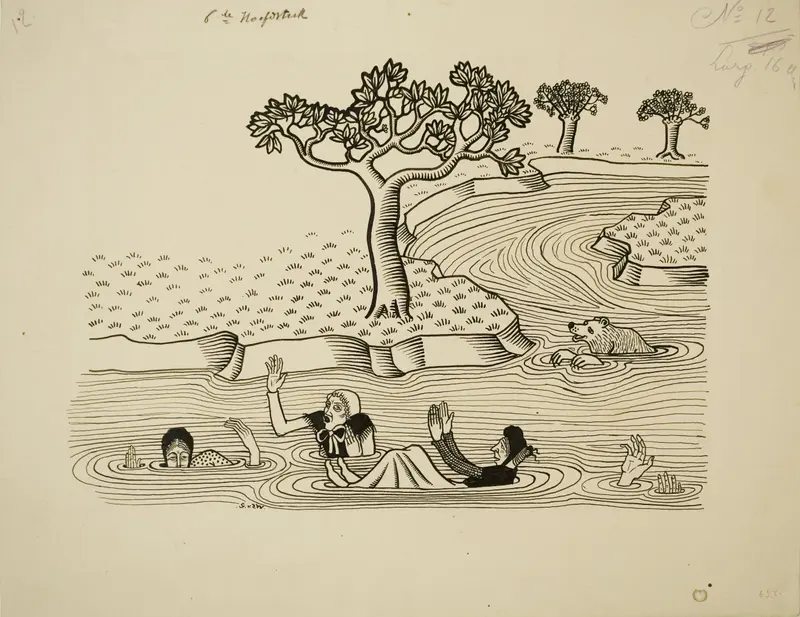
How Brown went out with Reynard where he thought he was eating honey and how he was caught by head and feet and suffered further misfortune
Gustave Van de Woestijne
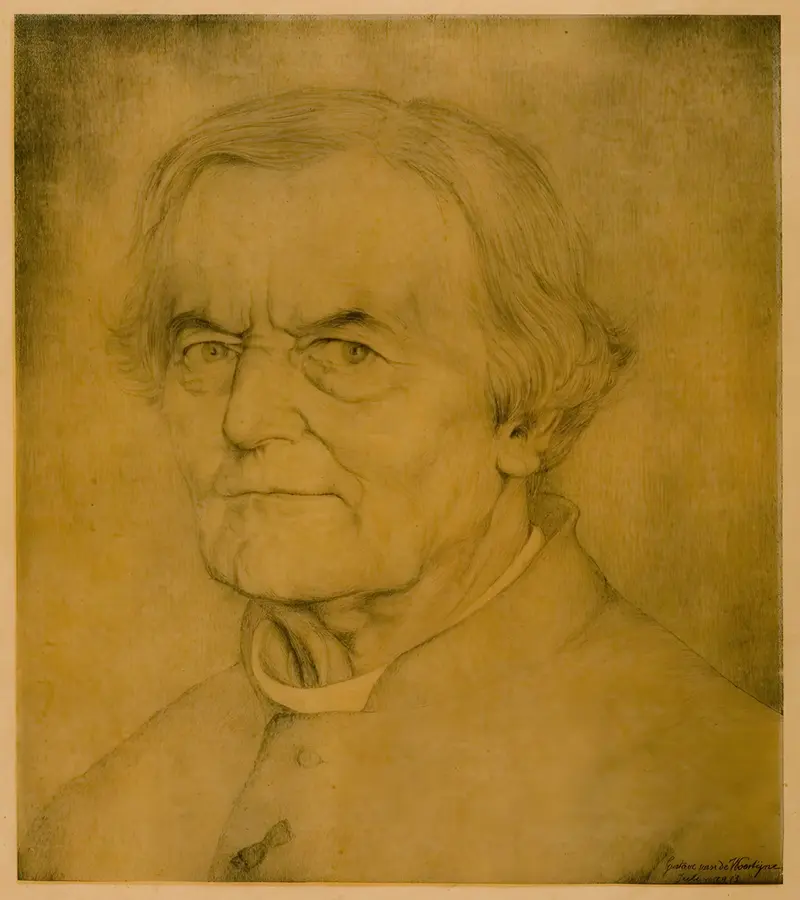
Portrait of Hugo Verriest
Gustave Van de Woestijne
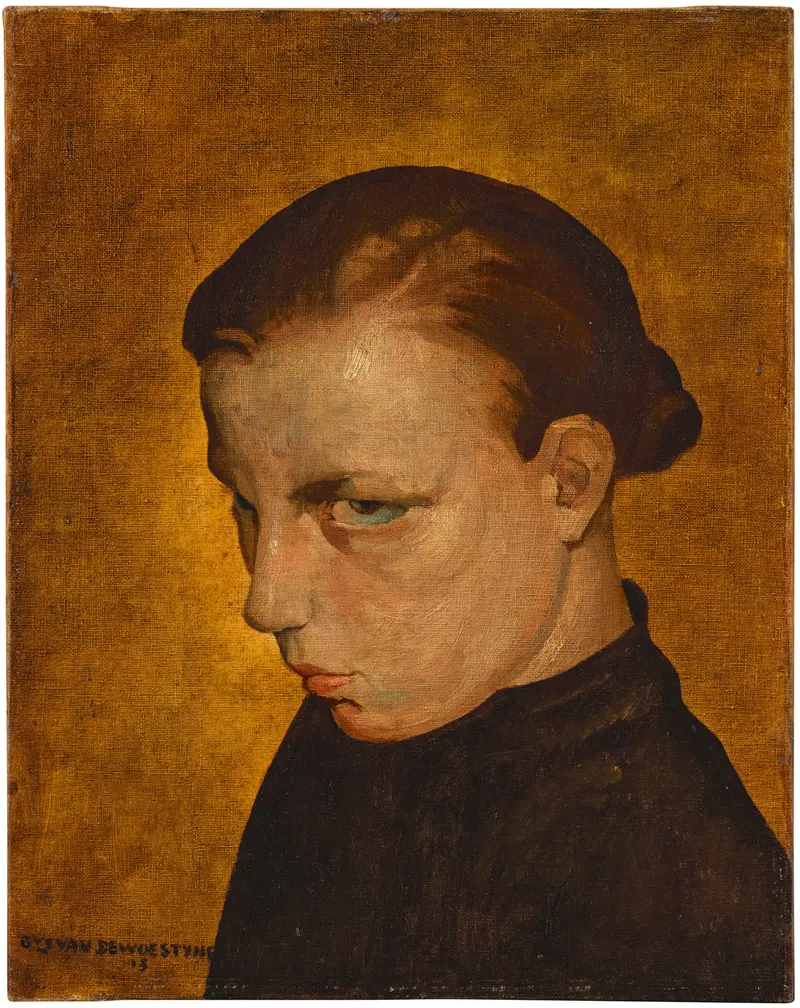
Angèle
Gustave Van de Woestijne
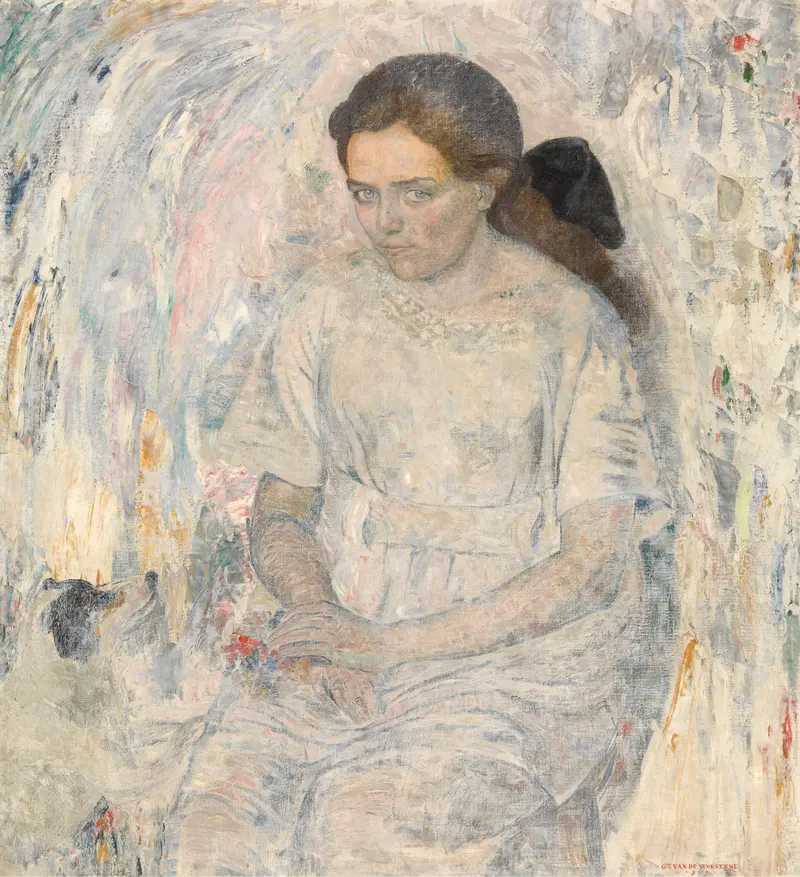
Adrienne
Gustave Van de Woestijne
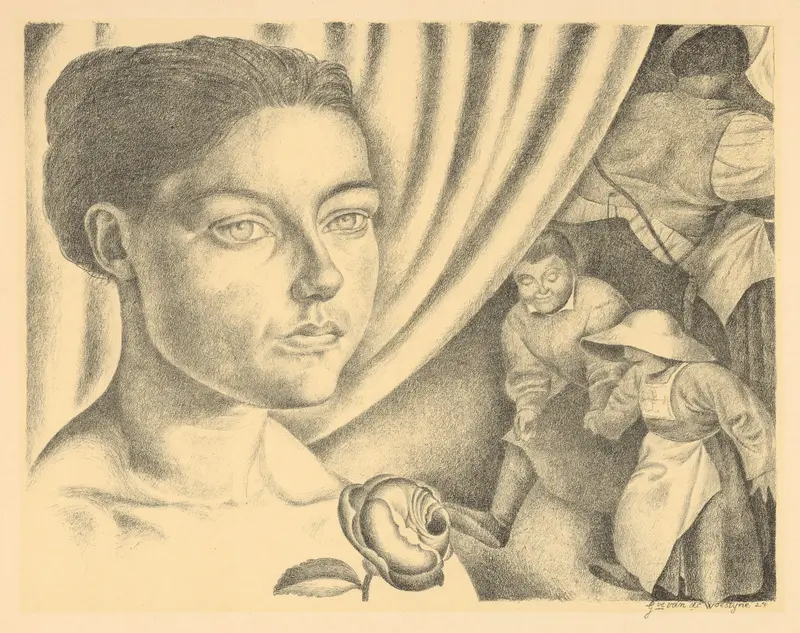
Jeune Femme
Gustave Van de Woestijne
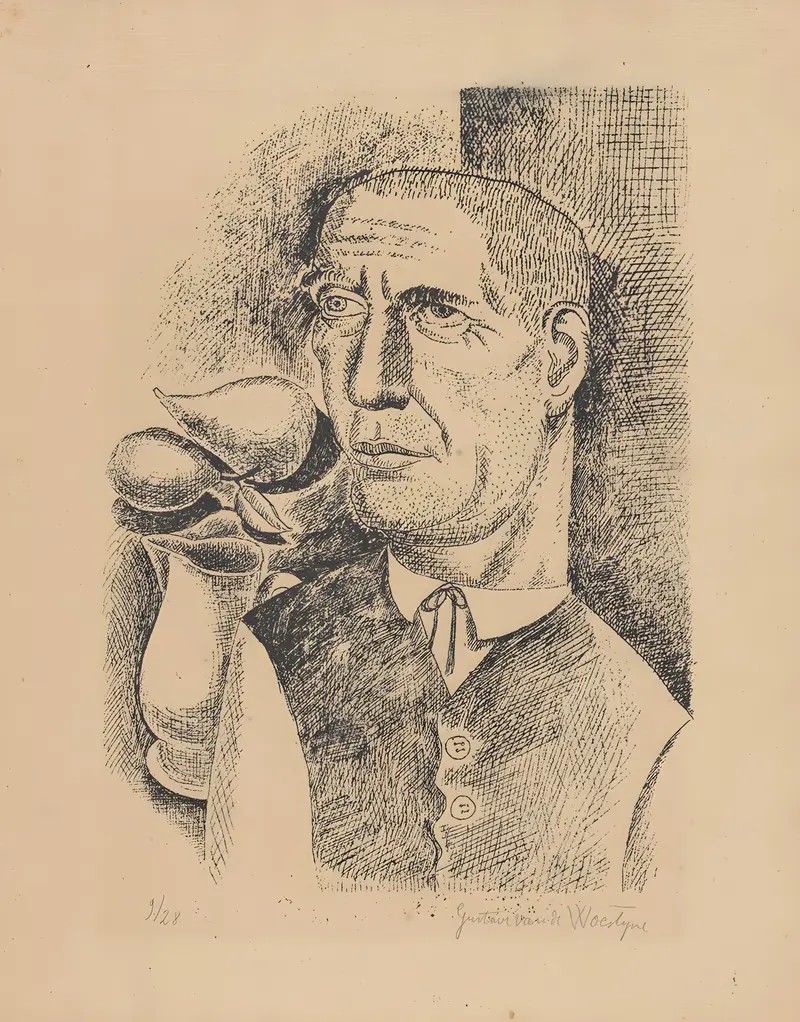
Boer op zijn zondags (Paysan endimanché)
Gustave Van de Woestijne
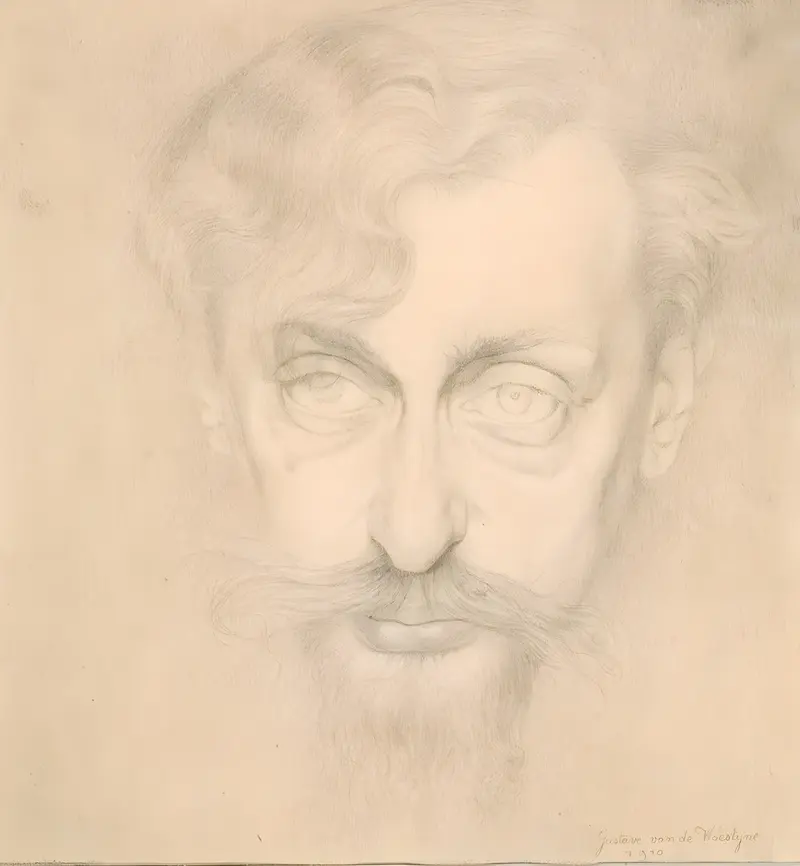
Portrait of the Writer Karel van de Woestijne
Gustave Van de Woestijne
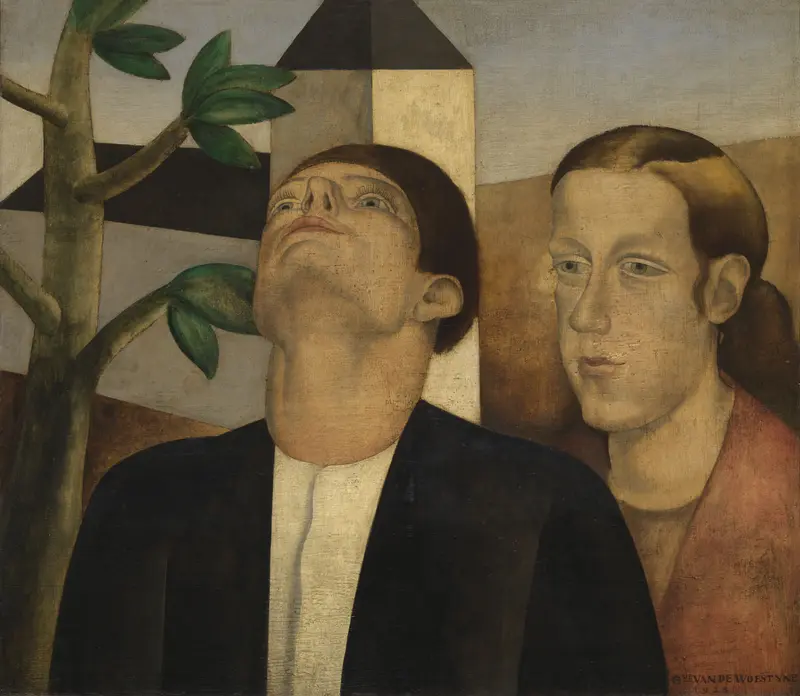
Azure
Gustave Van de Woestijne
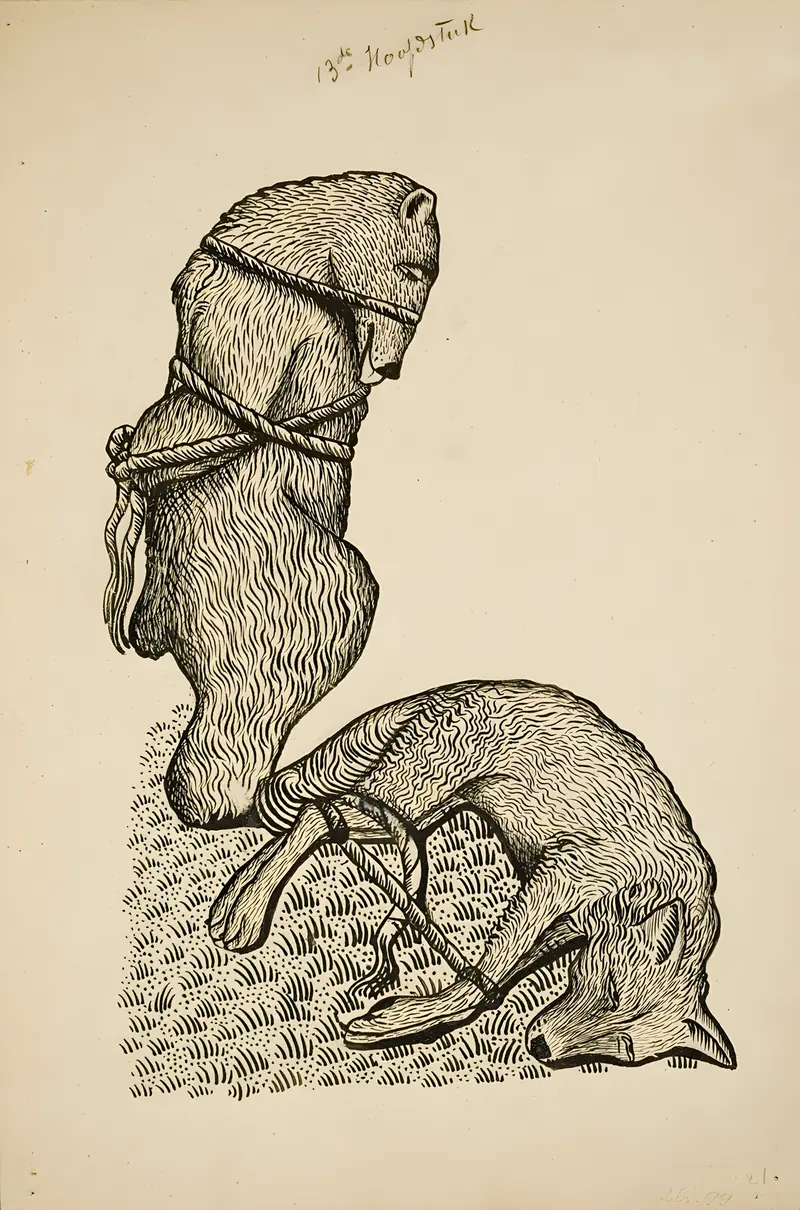
How Reinaert devises a new trick to get free and exterminate his enemies
Gustave Van de Woestijne
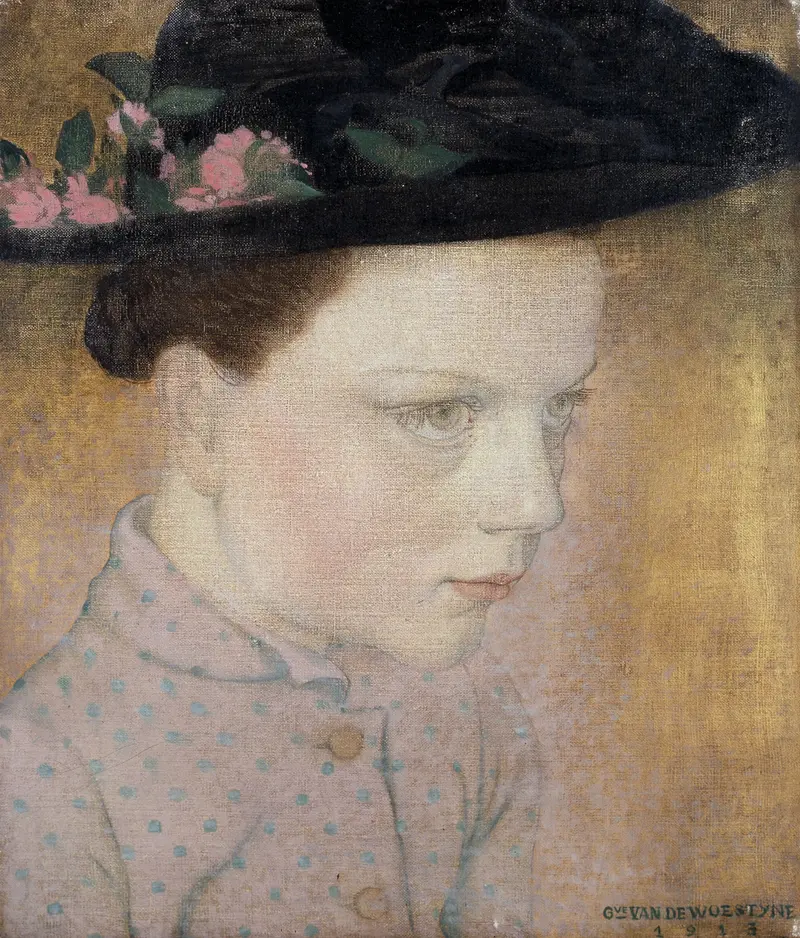
Country Girl
Gustave Van de Woestijne
More Landscape Art

The Starry Night
Vincent van Gogh

View of Delft
Johannes Vermeer

Water Lilies
Claude Monet

The Grand Canal, Venice, looking north-west from the Ca' Corner to the Ca' Contarini degli Scrigni, with the campanile of Santa Maria della Carità
Canaletto

Windsor Castle
Canaletto

The Grand Canal looking North-East from the Palazzo Dolfin-Manin to the Rialto Bridge
Canaletto