
Une rue à Smyrne Musée du Louvre Peintures RF — History & Facts
Sunlight pours through a stone archway, catching the pale walls and guiding your gaze up a narrow, rising street. The play of light and shadow is not just a technical feat—it draws you into the layered life of this Ottoman-era city, where every stair and shadowed corner hints at stories unfolding just out of earshot. Figures cluster in the foreground: a woman with a donkey, another high on the steps, and a merchant’s stall spilling with fruit and wares.
The arch frames the scene like a stage, inviting the viewer to step into Smyrna’s daily rhythms, to imagine the conversations and transactions that animate this sunlit corridor. Works like this, created between 1800 and 1900, belong to the rich tradition of Orientalist painting, a genre that fascinated European audiences with visions of the Eastern Mediterranean. Artists such as Alexandre-Gabriel Decamps traveled or imagined these distant cities, capturing their bustling markets and winding streets for a public hungry for images of elsewhere. The Louvre’s collection, where this painting is documented, preserves such glimpses into a world both real and reimagined—where the details of dress, architecture, and daily life reflect both the painter’s eye and the era’s curiosity.
Look again at the fruit piled in shadow and the figures paused in sunlight: they are as much about the Europe that painted them as the Smyrna they sought to record.
More Artworks by Alexandre-Gabriel Decamps

Still Life with Herring, Bread, and Cheese
Alexandre-Gabriel Decamps
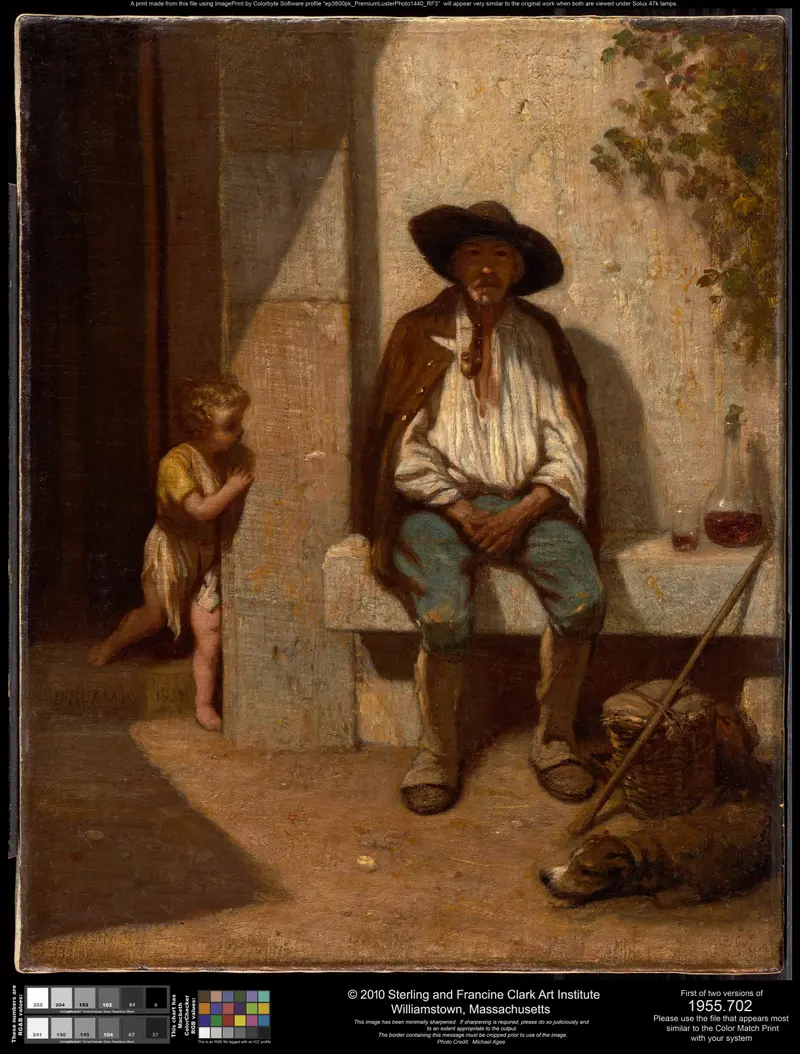
Italian Peasant
Alexandre-Gabriel Decamps
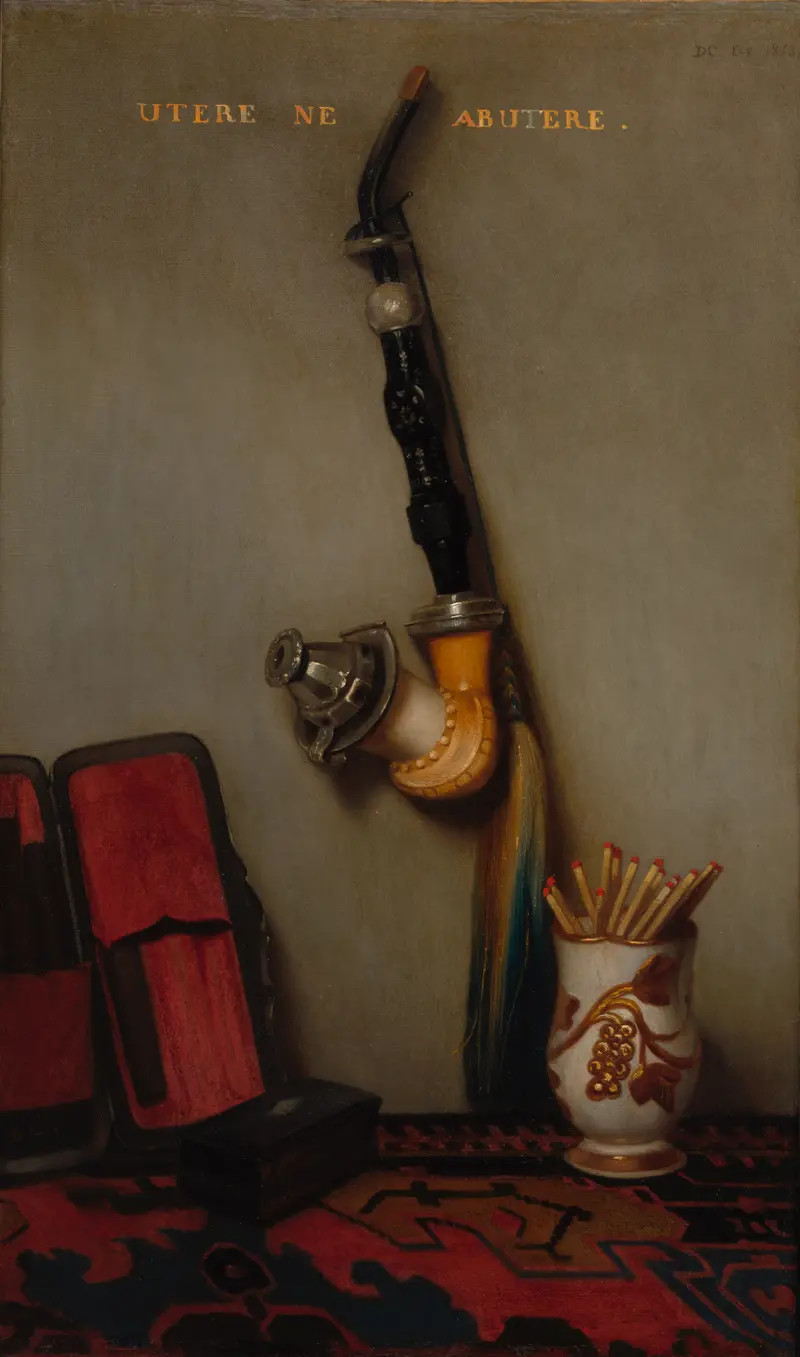
Still Life with Pipe and Matches
Alexandre-Gabriel Decamps
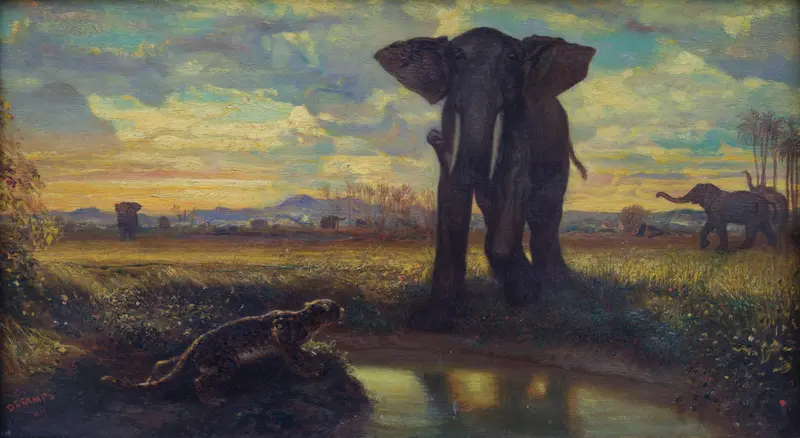
Tigre et éléphant à la source Musée du Louvre Peintures RF
Alexandre-Gabriel Decamps
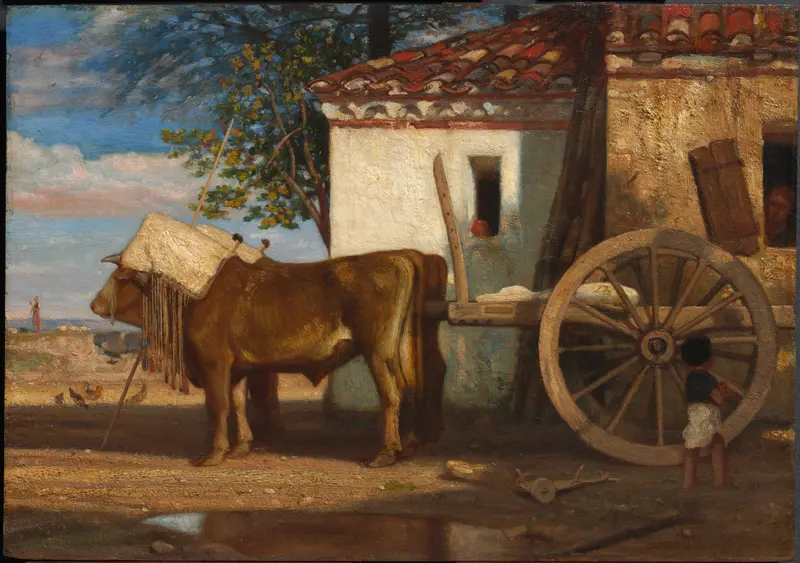
Oxen before a Farmhouse at Le Verrier
Alexandre-Gabriel Decamps
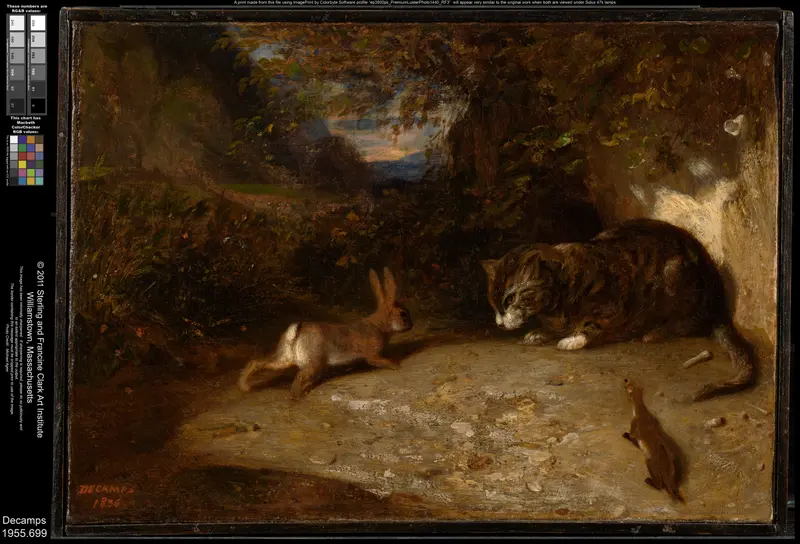
Cat, Weasel, and Rabbit
Alexandre-Gabriel Decamps
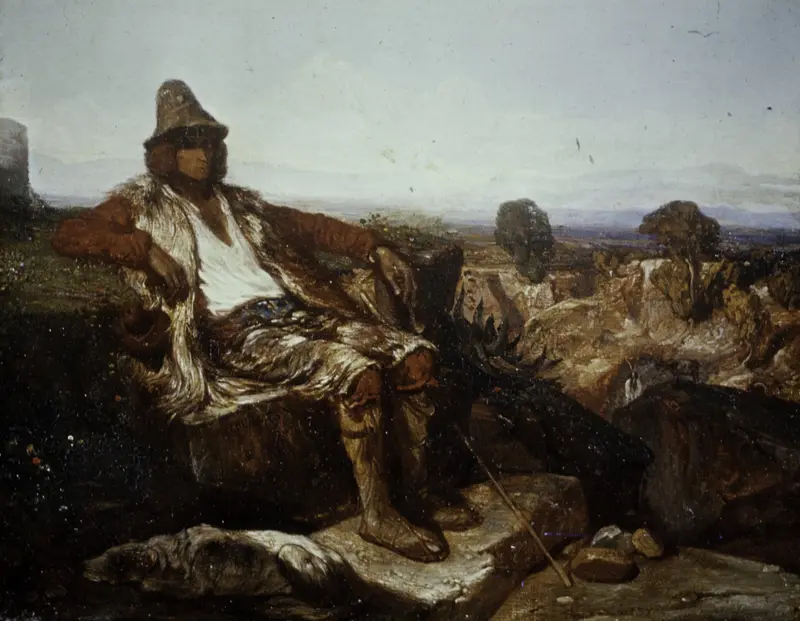
Goatherd of the Abruzzi
Alexandre-Gabriel Decamps
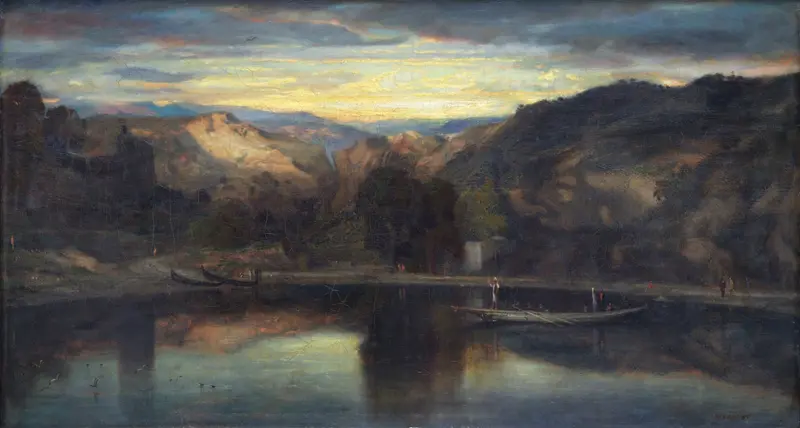
Jésus sur le lac de Génésareth Musée du Louvre Peintures RF
Alexandre-Gabriel Decamps

Espagnols jouant aux cartes Musée du Louvre Peintures RF
Alexandre-Gabriel Decamps
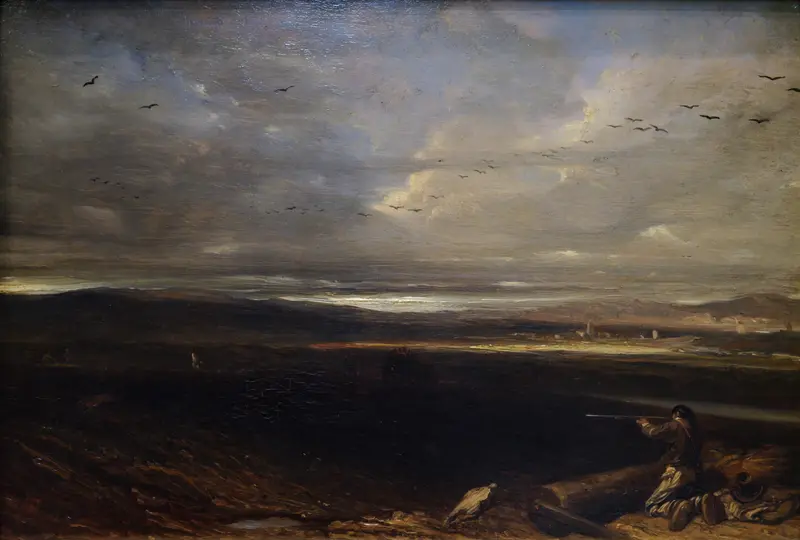
La battue en plaine Musée du Louvre Peintures RF
Alexandre-Gabriel Decamps
More Genre Scene Art

Banquet of the Officers of the St George Civic Guard
Frans Hals

Rembrandt and Saskia in the Scene of the Prodigal Son
Rembrandt van Rijn

Bal du moulin de la Galette
Pierre-Auguste Renoir

Quadrille at the Moulin Rouge
Henri de Toulouse-Lautrec

A Burial at Ornans
Gustave Courbet

When Will You Marry?
Paul Gauguin