
Venus and Bacchus (Without Ceres and Bacchus Venus would Frieze) — History & Facts
No other painter in the Dutch Republic captured the lessons of ancient myth with such theatrical flair as Abraham Bloemaert. The proverb “Without Ceres and Bacchus, Venus would freeze” was a familiar saying in early modern Europe, and Bloemaert’s frieze-like composition transforms this moral into a living tableau. The painting’s origins remain a mystery—its date and commission are unknown—but its theme was so popular that artists across Europe, from Hendrick Goltzius to Peter Paul Rubens, created their own interpretations.
Yet none matched Bloemaert’s ability to combine allegory and sensuality so directly. At the heart of the painting, Venus, goddess of love, sits exposed and shivering, her pale skin illuminated against a dark ground. Bacchus, god of wine, leans toward her, offering a brimming goblet, while Ceres, goddess of grain, presents a sheaf of wheat—together, they embody the idea that love (Venus) cannot thrive without sustenance (Ceres) and pleasure (Bacchus). The figures are arranged in a frieze, their gestures almost theatrical: Venus’s outstretched hand, Bacchus’s inviting smile, and Ceres’s steady gaze all draw the viewer into the lesson.
Bloemaert’s treatment is more restrained than Rubens’s exuberant version, focusing instead on clarity of message and the interplay of bodies and symbols. The physical history of this particular Venus and Bacchus remains largely undocumented, a fate shared by many works of the Dutch Mannerist school. While Bloemaert was a prolific teacher and painter in Utrecht, and his allegorical subjects were eagerly collected by local patrons, the journey of this painting through time is unclear. Its style and subject place it firmly within the artist’s mature period, when he was known for blending Italianate elegance with Northern detail.
Today, the painting stands as a testament to Bloemaert’s role in shaping Dutch allegory, even as its own provenance and original setting continue to elude scholars.
More Artworks by Abraham Bloemaert

Adam and Eve
Abraham Bloemaert
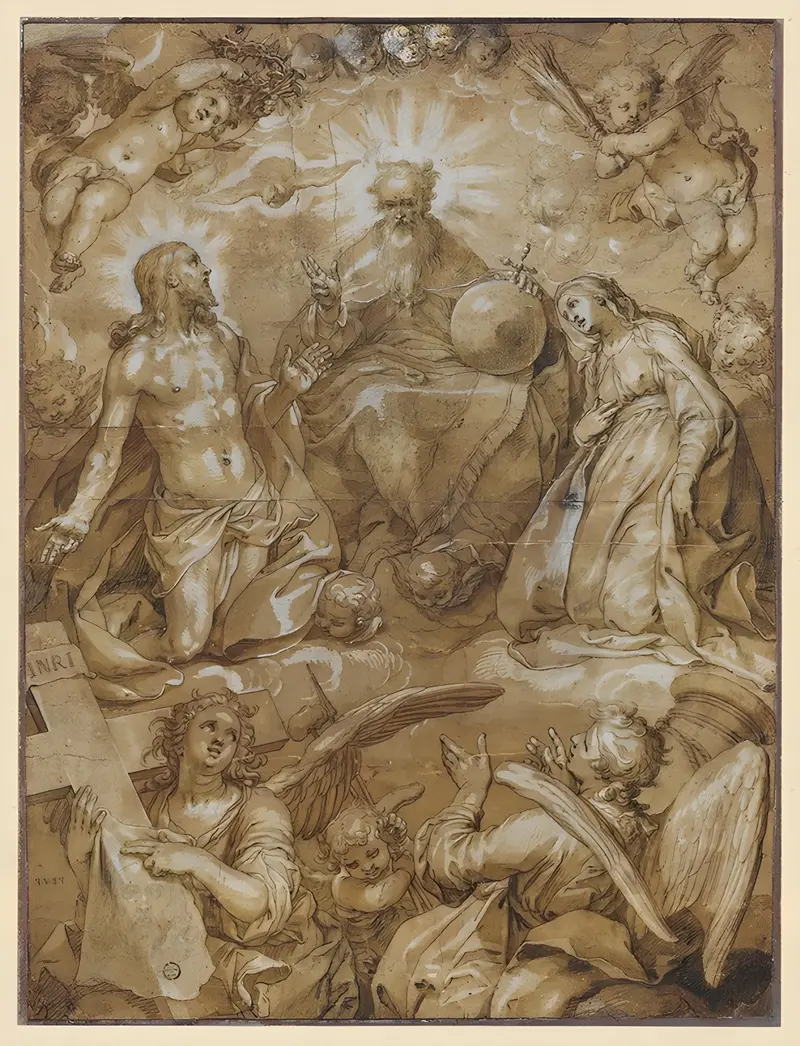
Intercession of Christ and Mary before God the Father
Abraham Bloemaert
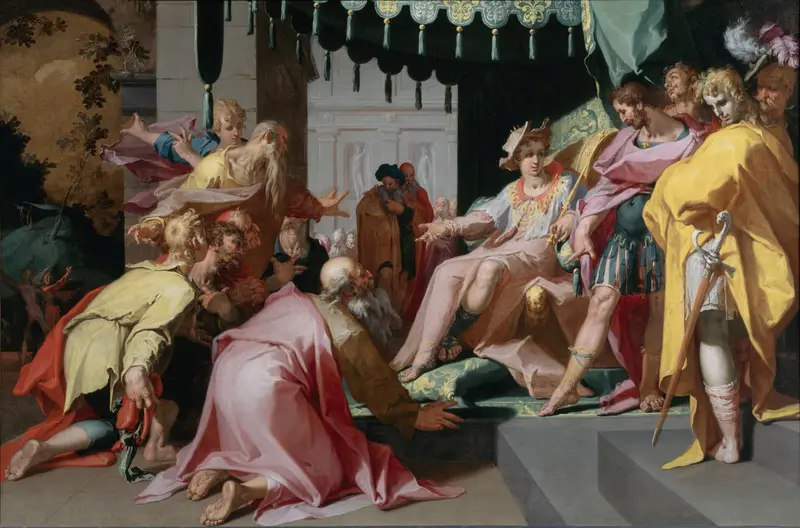
Joseph and his Brothers
Abraham Bloemaert
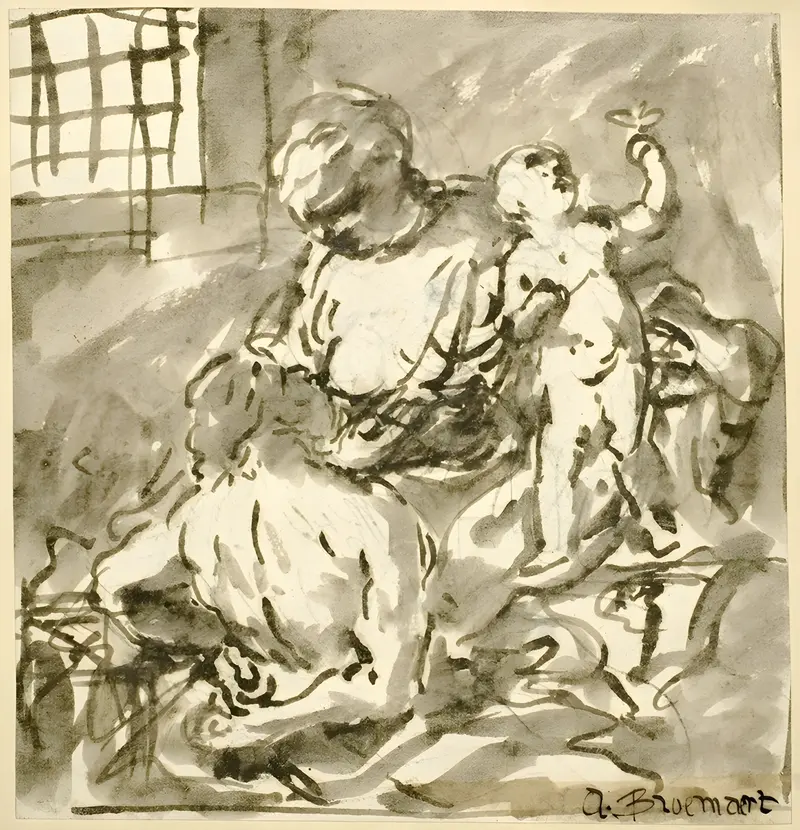
Caritas Romana
Abraham Bloemaert
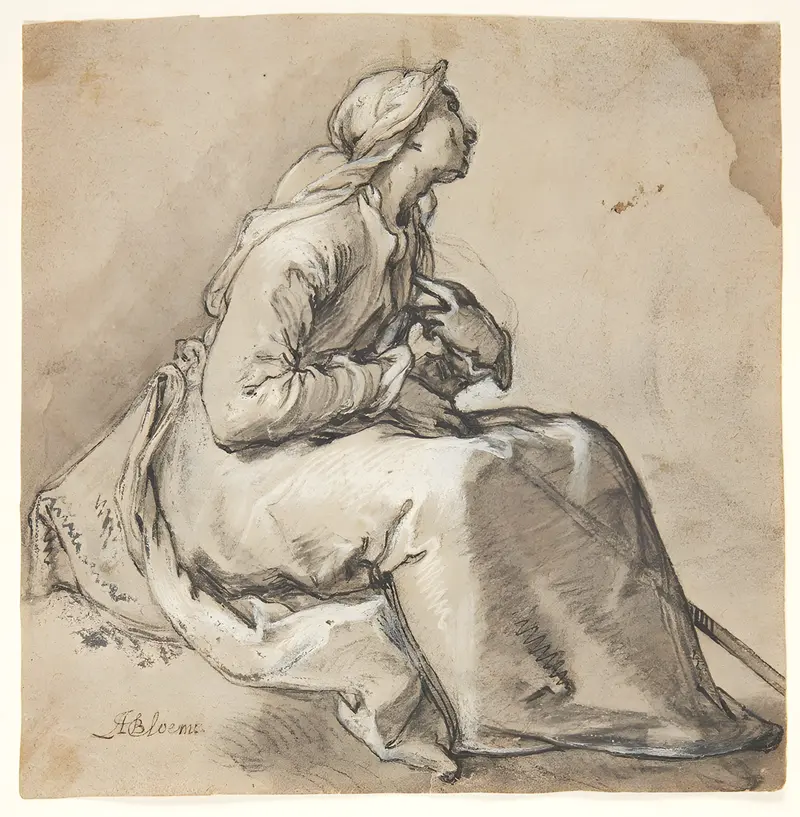
A seated woman facing right
Abraham Bloemaert
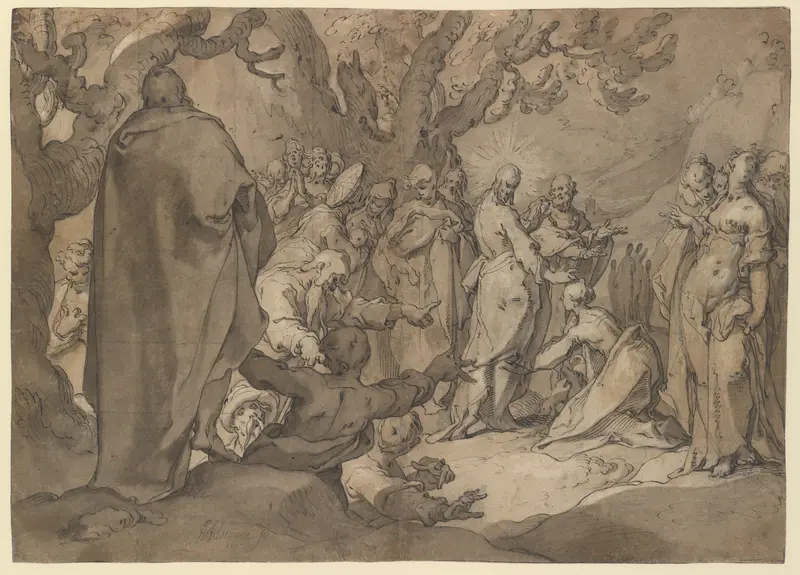
Christ and the Canaanite Women
Abraham Bloemaert
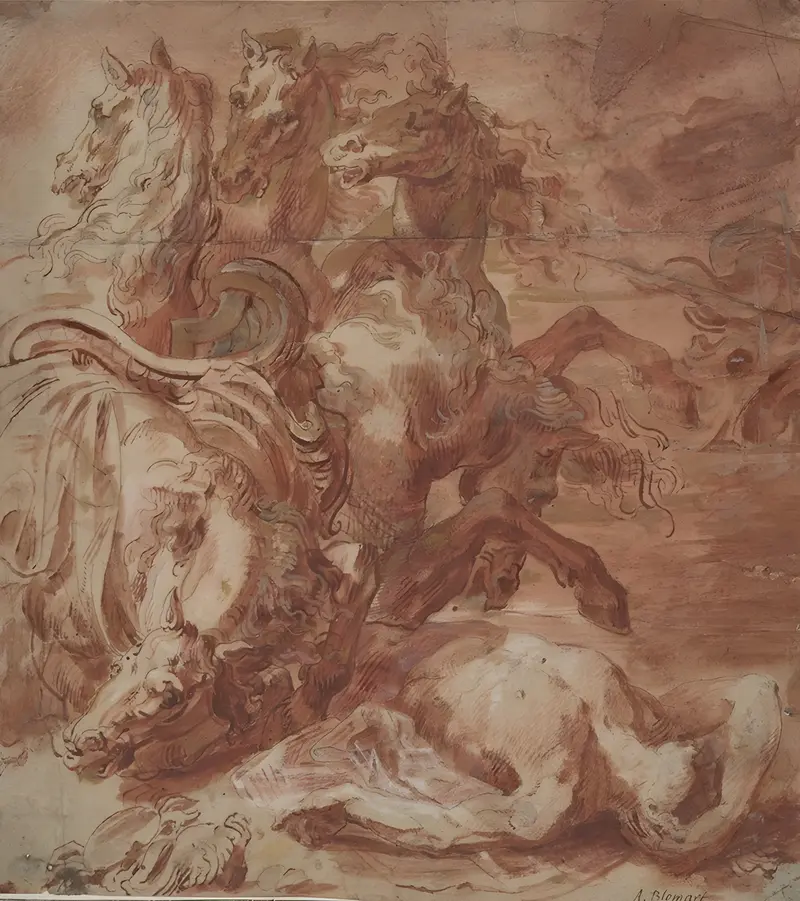
Hippolytus
Abraham Bloemaert
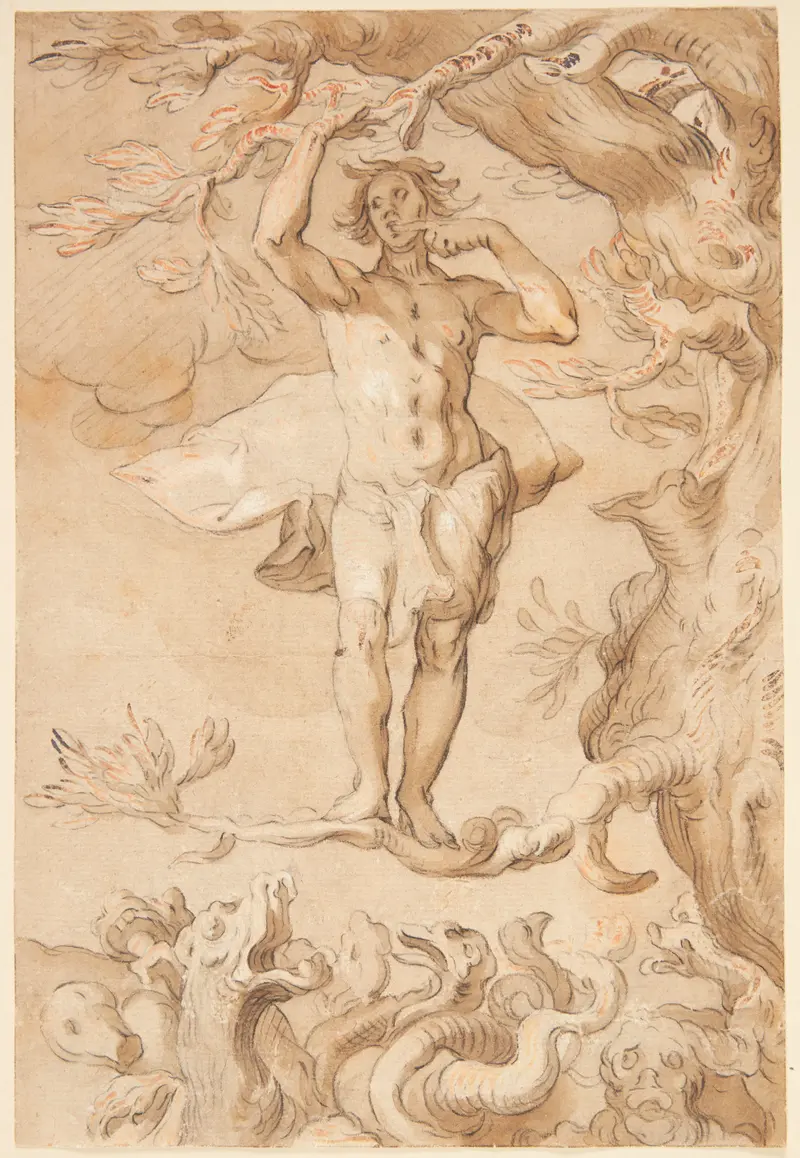
Den menneskelige glædes skrøbelighed En mand, der jages af en drage, klynger sig til en gren, mens han slikker honning af sin finger
Abraham Bloemaert

Moses Striking the Rock
Abraham Bloemaert
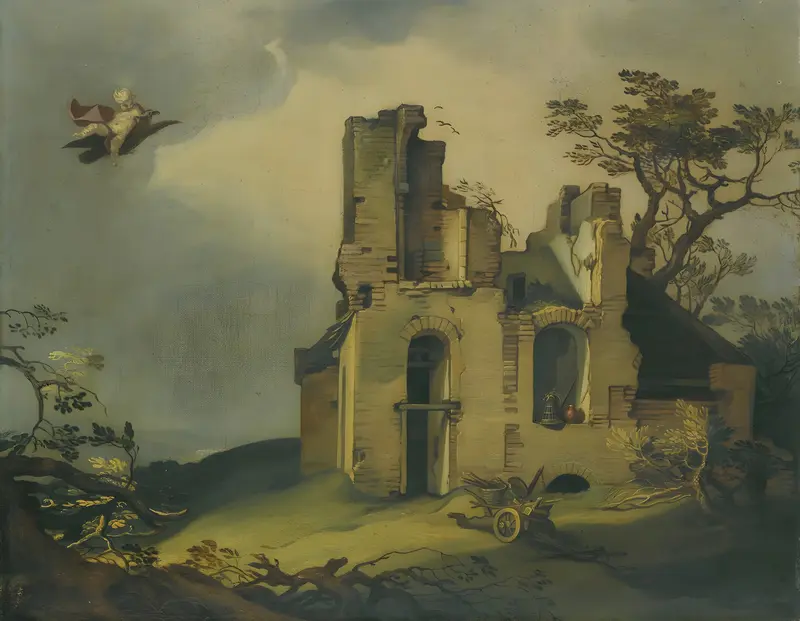
A Landscape With Ruins, With The Rape Of Ganymede
Abraham Bloemaert





