
Venus — History & Facts
No other painting attributed to Raphael has generated as much uncertainty and debate as Venus. Unlike his celebrated Madonnas and papal portraits, this work’s origins, date, and even medium remain elusive, with scholars divided on whether it is an autograph work or a product of his workshop. The mystery is deepened by the absence of early documentation and the unusual subject for Raphael, who rarely depicted mythological nudes.
Some have speculated that it was created in response to the popularity of Titian’s own Venus paintings, which circulated widely in the early 16th century. The painting’s elusive provenance and ambiguous style have made it a touchstone for discussions about attribution and the boundaries of Raphael’s oeuvre. At the heart of this work is the goddess Venus, captured in a moment of serene self-possession. Reclining on a soft drapery, she gazes outward, her pose recalling the ancient statues of Aphrodite but softened by Raphael’s gentle modeling of flesh and delicate handling of light.
The golden apple in her hand alludes to the Judgment of Paris, signaling her triumph as the fairest among goddesses. The subtle tilt of her head and the languid arrangement of her limbs suggest both modesty and invitation, a balance that distinguishes Raphael’s Venus from the more overt sensuality of Titian’s Venus of Urbino. The landscape behind her, rendered with atmospheric perspective, situates the goddess in an idealized world, bridging the divine and the human. The journey of Venus as an object is as enigmatic as its origins.
Without a clear record of commission or early ownership, the painting’s early history remains shrouded in mystery. It surfaced in private collections in the 19th century, often attributed variously to Raphael, his pupil Giulio Romano, or even later imitators. Today, it is generally accepted as a product of Raphael’s circle, if not by the master himself, and hangs in a major European museum, where it continues to invite comparison and debate.
As a rare mythological nude associated with Raphael, Venus occupies a unique place in the artist’s legacy, embodying both the allure and the challenges of attribution in Renaissance art.
More Artworks by Raphael

Madonna of the Goldfinch
Raphael

Madonna with the Fish
Raphael
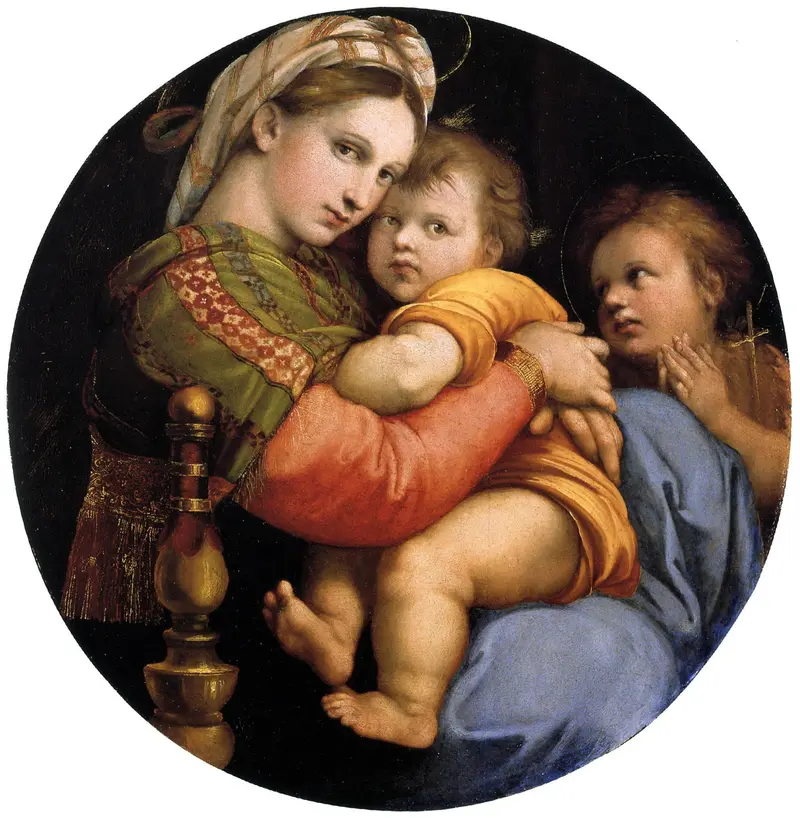
Madonna and Child (Madonna della Seggiola)
Raphael
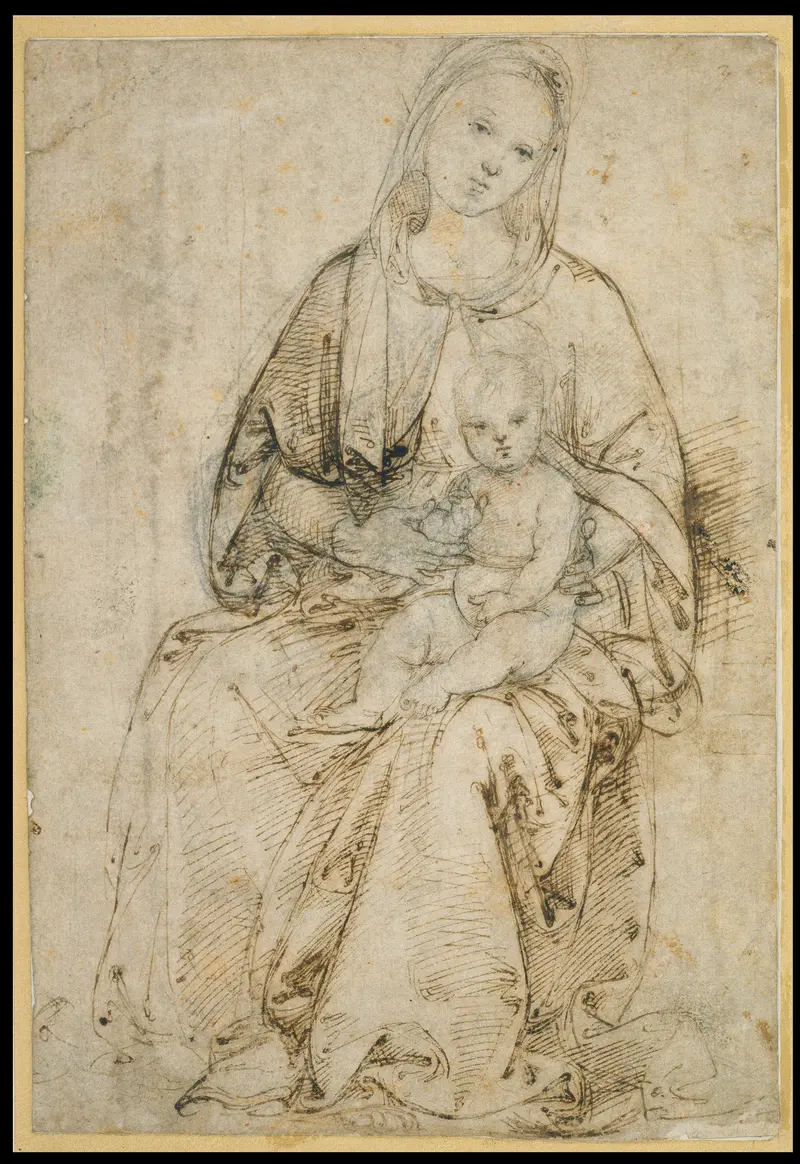
Seated Madonna and Child
Raphael
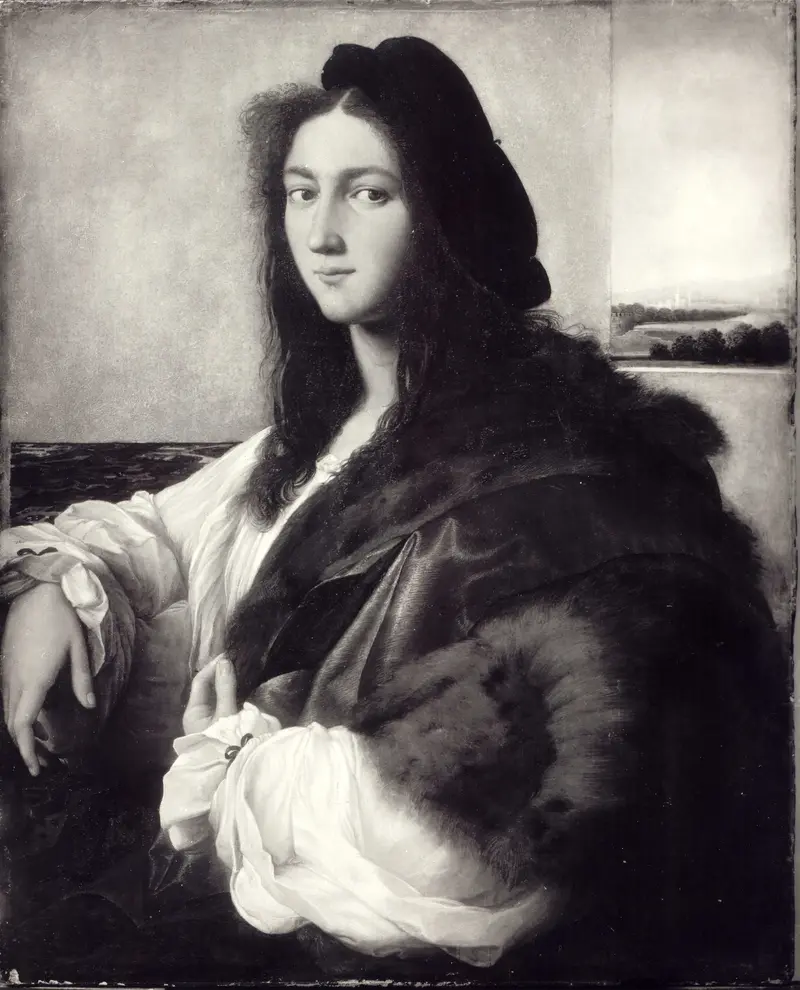
Portrait of a Young Man
Raphael
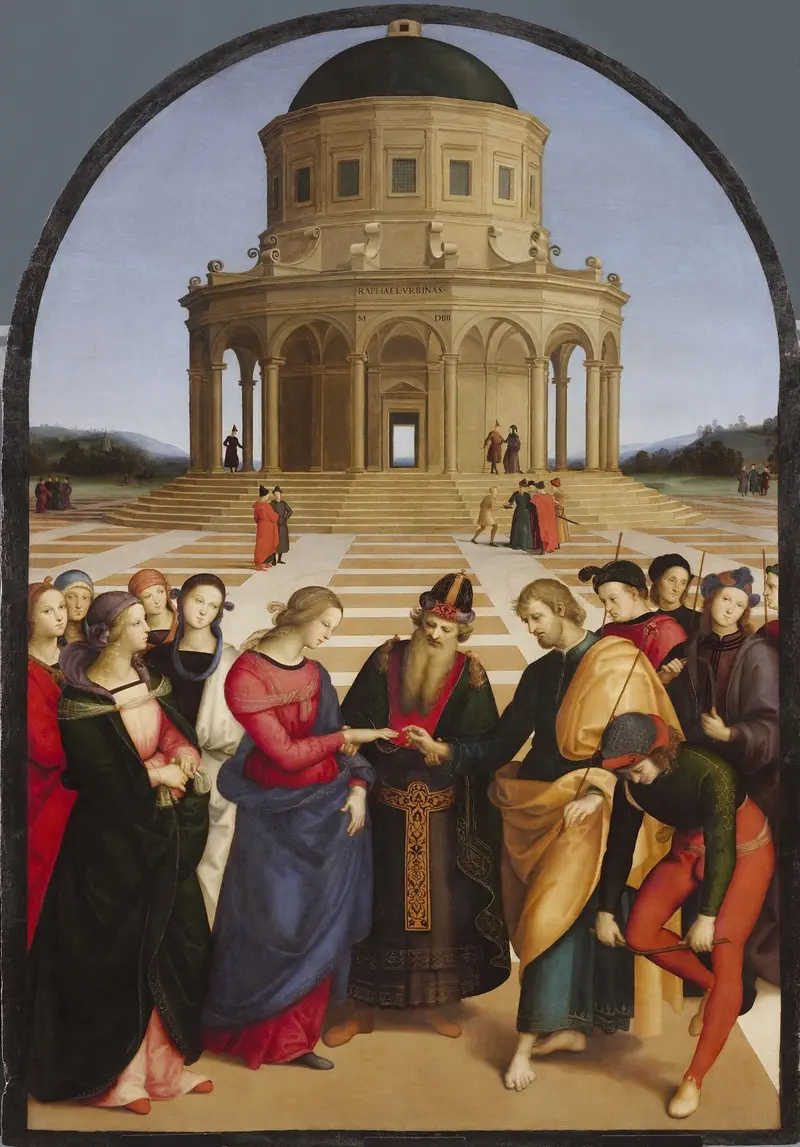
The Marriage of the Virgin
Raphael
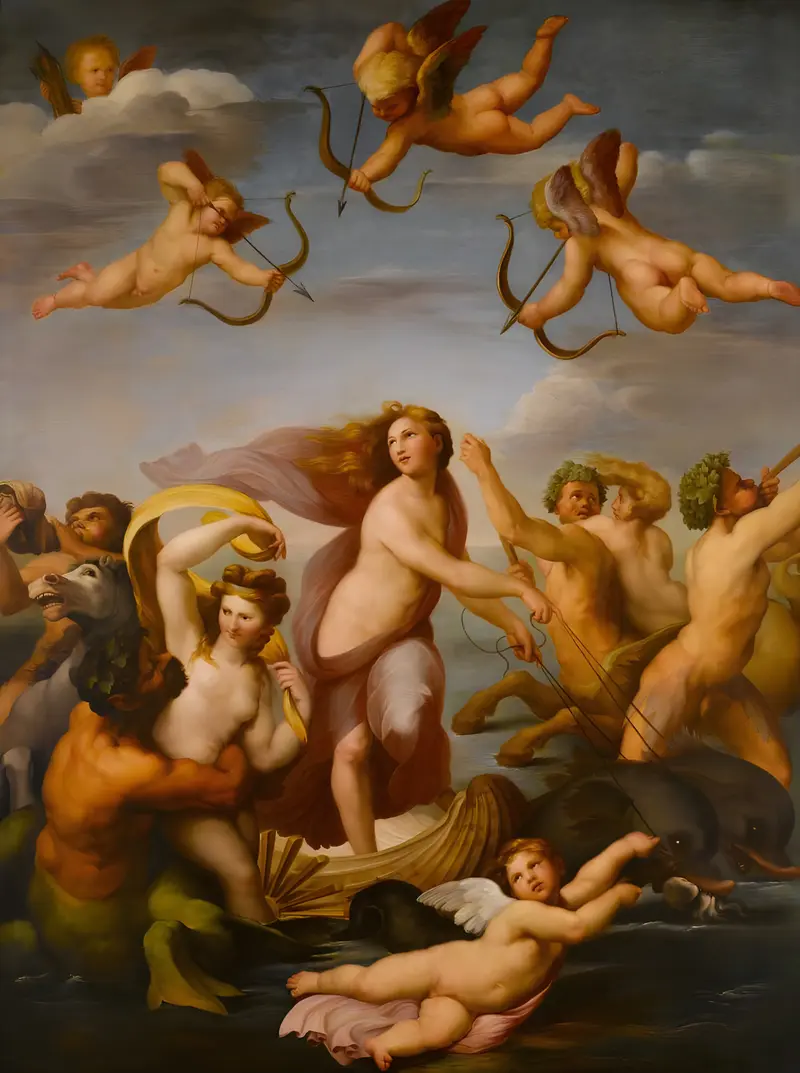
The Triumph of Galatea (copy after Raphael)
Raphael
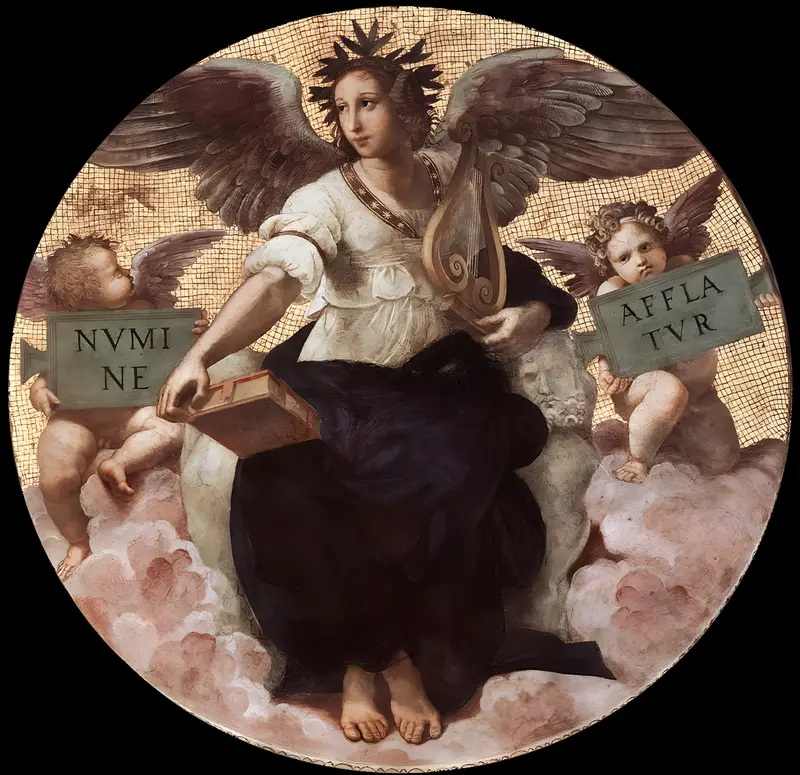
Poetry
Raphael
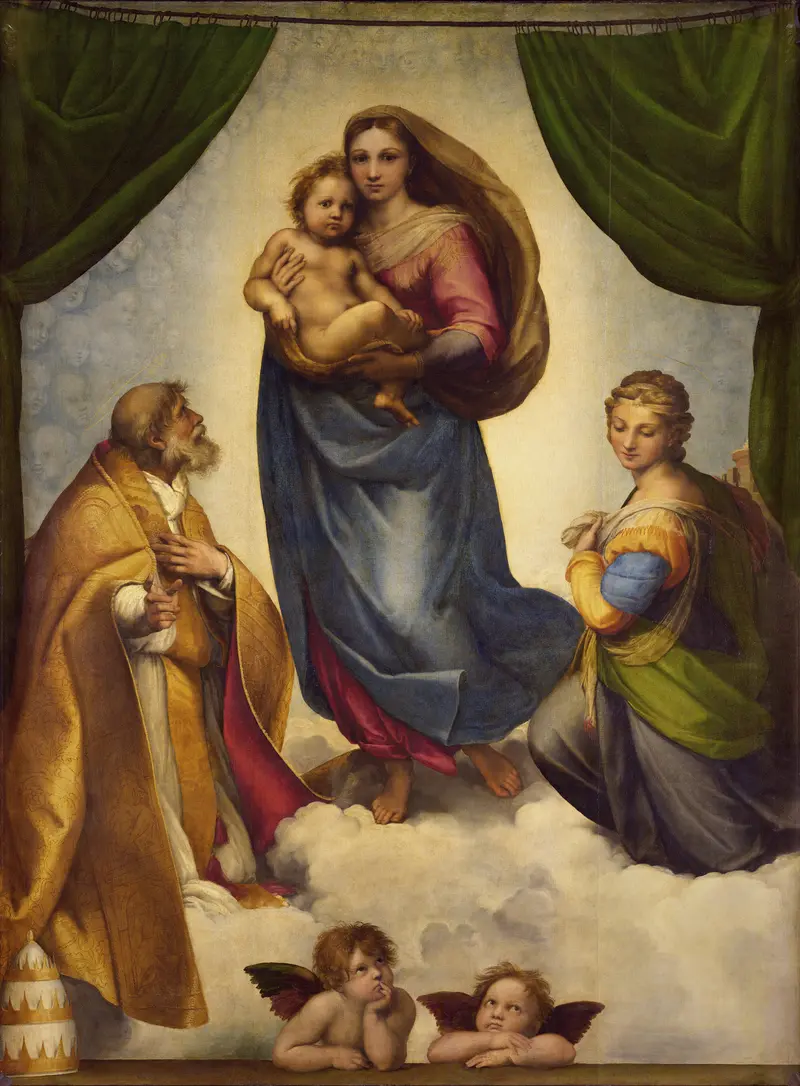
Sistine Madonna
Raphael
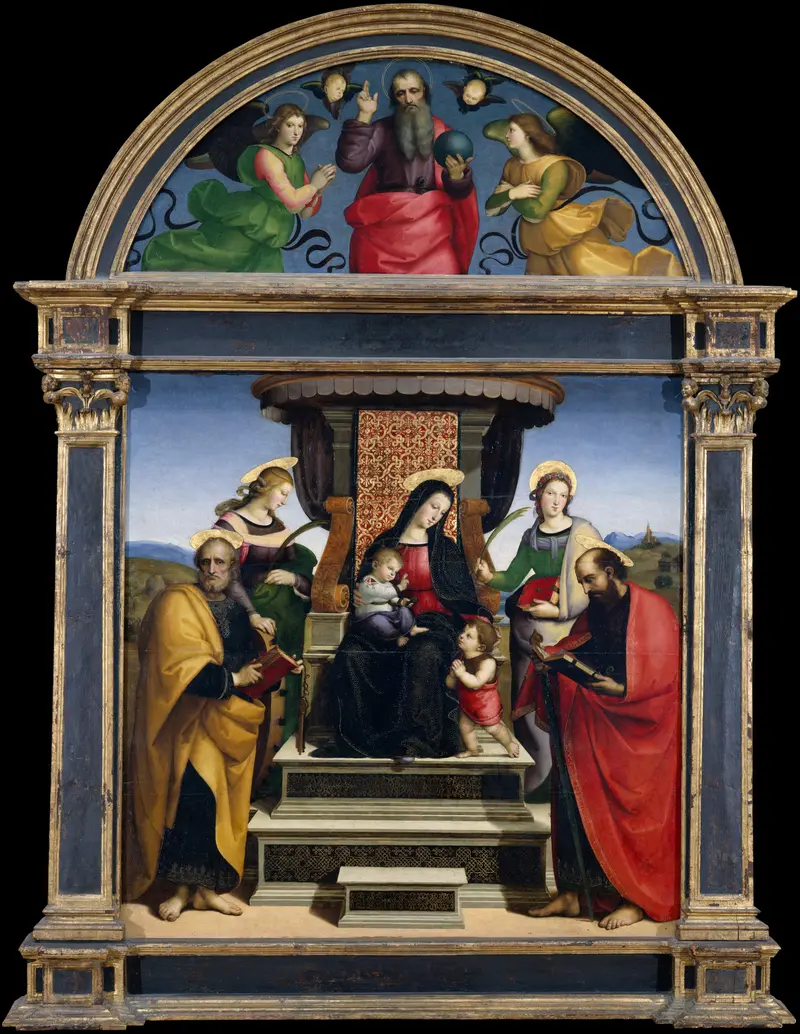
Madonna and Child Enthroned with Saints
Raphael





