
Venus (Standing Nude) — History & Facts
In Venus (Standing Nude), the figure of Venus stands confidently, her body elegantly posed. The color palette is soft, featuring warm tones that enhance the sensuality of the nude form. The background is minimalistic, allowing the viewer to focus on the figure itself.
Whistler's brushwork is delicate, creating a sense of fluidity and grace. The painting is executed in oil on canvas, a medium that allows for rich color and texture. Viewers can observe the detailed rendering of Venus's skin, which contrasts beautifully with the subtle background. Whistler's technique emphasizes light and shadow, giving depth to the figure.
The dimensions are approximately 100 x 150 cm, making it a sizable work that commands attention. James Abbott McNeill Whistler was known for his innovative approach to art, often blending different styles and influences. Venus (Standing Nude) reflects his interest in mythology and the female form, showcasing his unique interpretation of beauty. An interesting fact about this work is that it exemplifies Whistler's Symbolist tendencies, where he sought to evoke emotions rather than depict reality.
This painting is a notable example of his exploration of the nude genre.
More Artworks by James Abbott McNeill Whistler
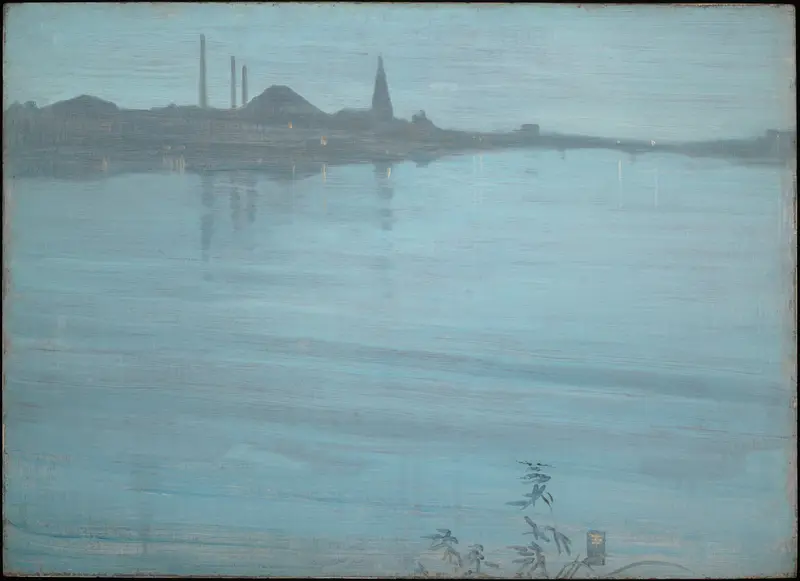
Nocturne in Blue and Silver
James Abbott McNeill Whistler

Nocturne
James Abbott McNeill Whistler
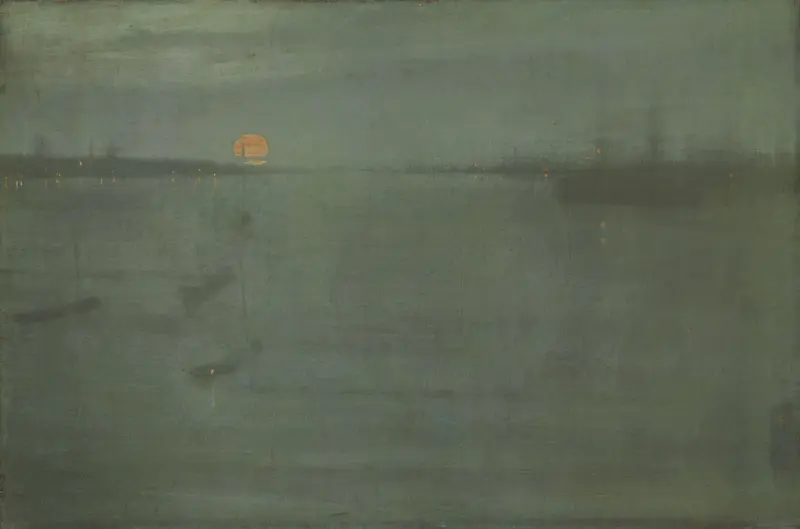
Nocturne: Blue and Gold–Southampton Water
James Abbott McNeill Whistler
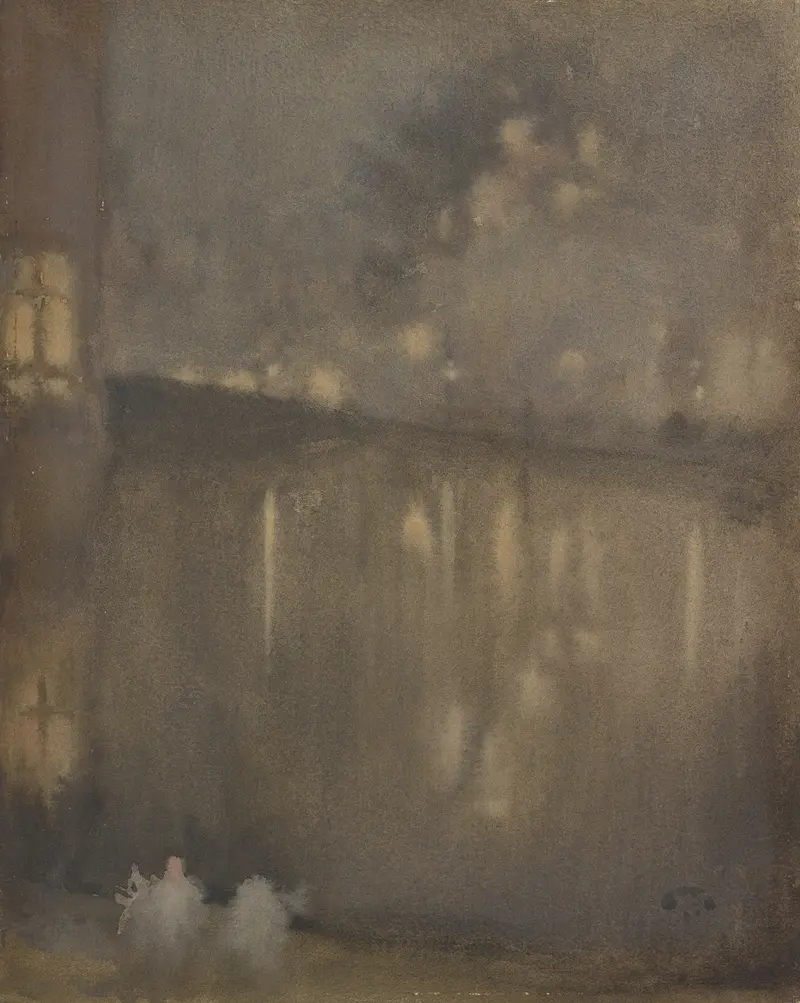
Nocturne: Grey and Gold–Canal, Holland
James Abbott McNeill Whistler
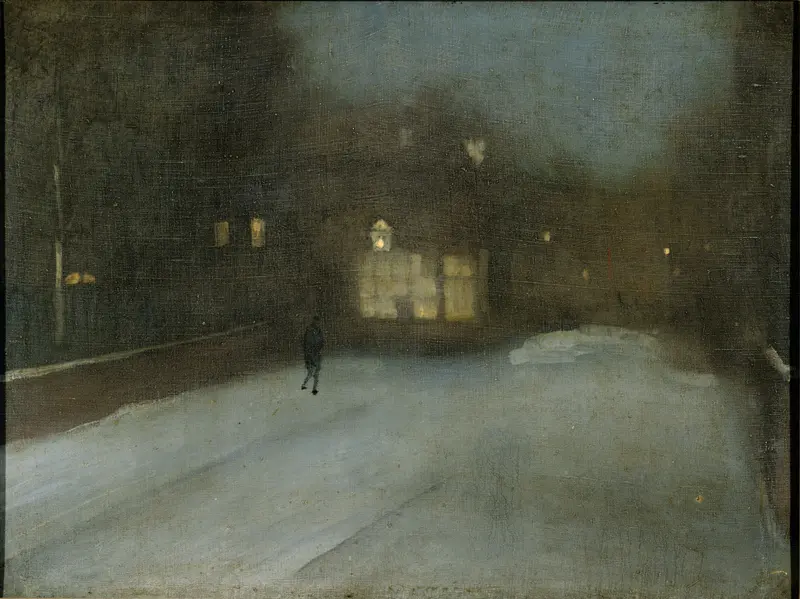
Nocturne in Grey and Gold: Chelsea Snow
James Abbott McNeill Whistler
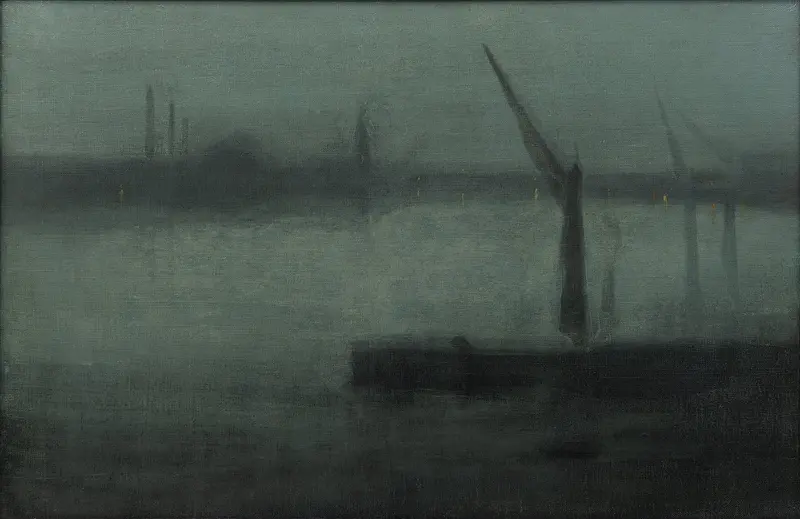
Nocturne: Blue and Silver–Battersea Reach
James Abbott McNeill Whistler
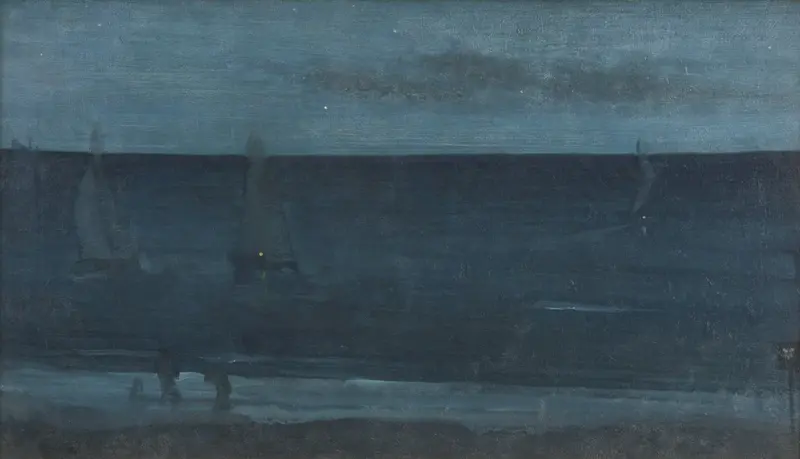
Nocturne: Blue and Silver–Bognor
James Abbott McNeill Whistler

Old Battersea Bridge
James Abbott McNeill Whistler
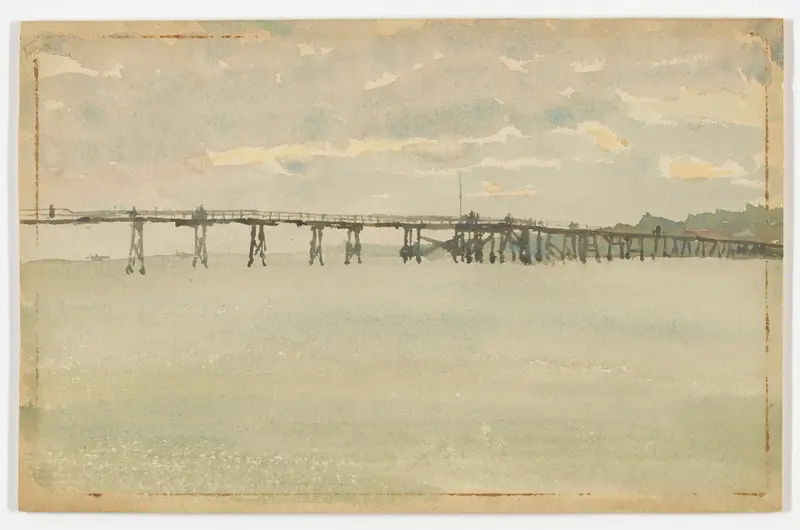
Grey and Silver–Pier, Southend
James Abbott McNeill Whistler
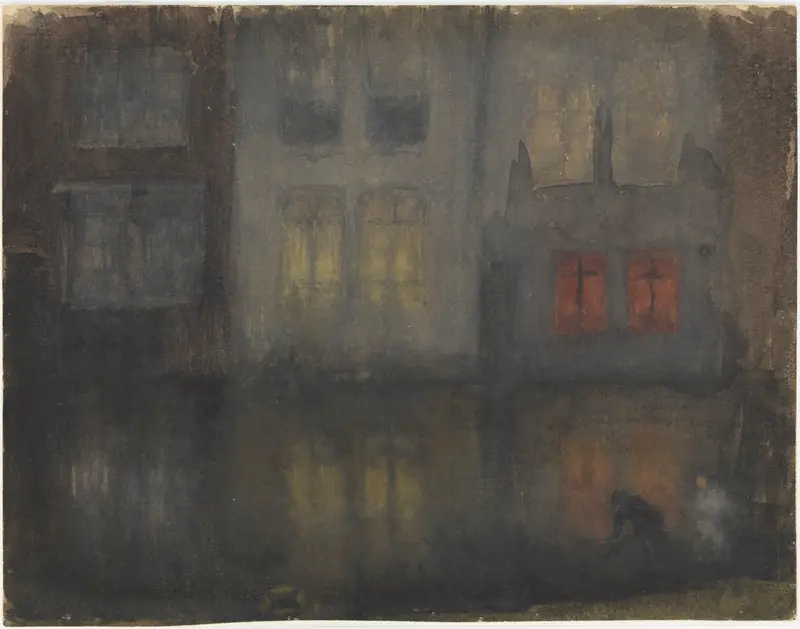
Nocturne: Black and Red—Back Canal, Holland
James Abbott McNeill Whistler





