
Vertumnus and Pomona — History & Facts
What first catches the eye in Vertumnus and Pomona is the charged intimacy between the two figures: a young woman, luminous against the garden’s green hush, and an older, cloaked figure who leans in, intent and conspiratorial. The painter draws you in with the contrast of flesh and fabric, of youth and age, of open gesture and secretive posture. Pomona’s body, draped in a loose pink cloth, is arranged with casual confidence, her gaze steady and unhurried.
The older figure’s orange robe and lined face are rendered with care, their hand raised in mid-conversation, as if spinning a tale or making a plea. The fruit-laden tree above is no idle background; it frames the scene, hinting at the myth’s themes of transformation and desire. This painting, created around 1605, belongs to a world where mythological stories were a favored playground for artists and patrons alike. In the early seventeenth century, such scenes were often commissioned by wealthy collectors eager to display both their learning and their taste for sensual allegory.
Abraham Bloemaert was a key figure in the Dutch Mannerist movement, known for his vibrant storytelling and inventive compositions. While little is recorded about the specific journey of this work, it stands as a vivid example of how artists of the time used classical myth to explore human emotion and the play of appearances. The careful balance of wit, seduction, and painterly skill invites the viewer to linger, searching for the moment when disguise and truth meet.
More Artworks by Abraham Bloemaert

Adam and Eve
Abraham Bloemaert
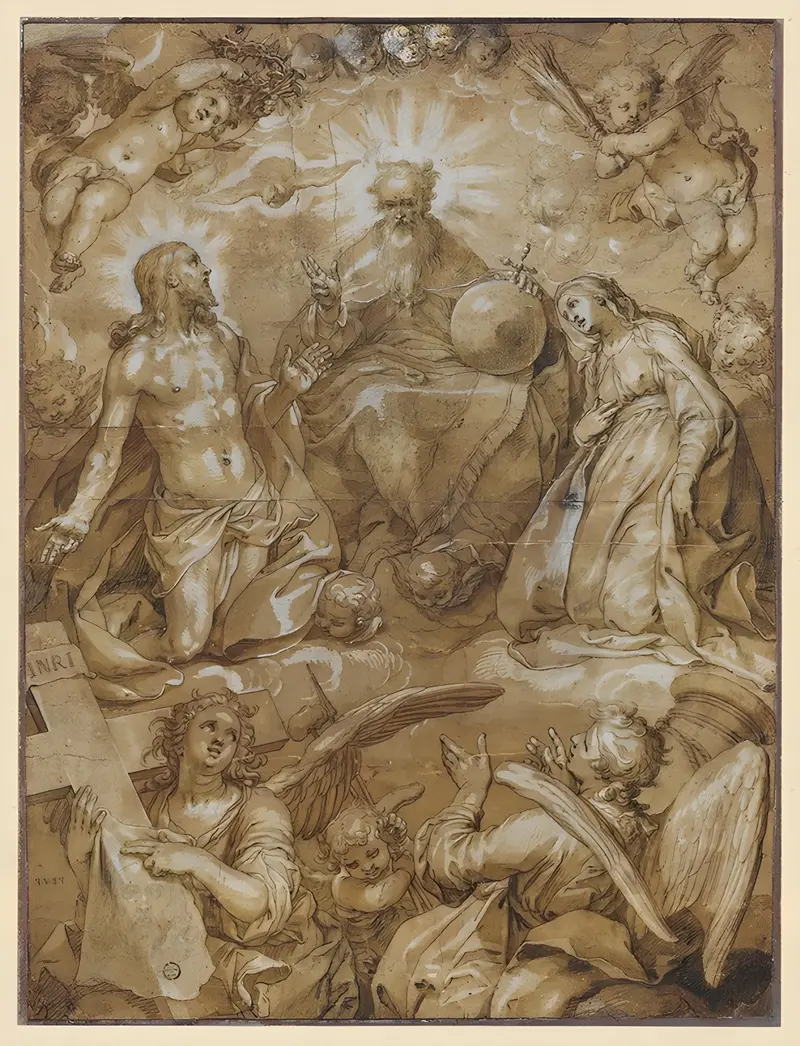
Intercession of Christ and Mary before God the Father
Abraham Bloemaert
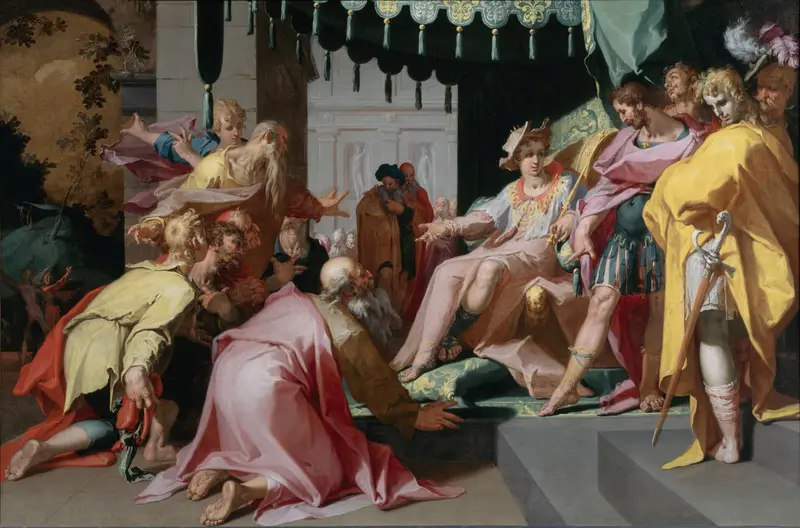
Joseph and his Brothers
Abraham Bloemaert
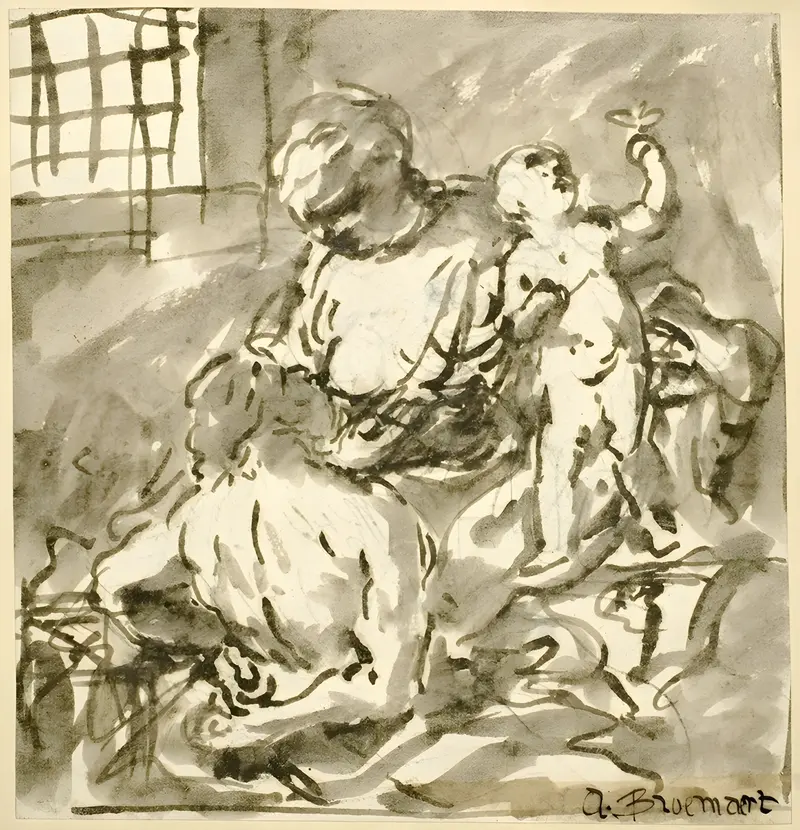
Caritas Romana
Abraham Bloemaert
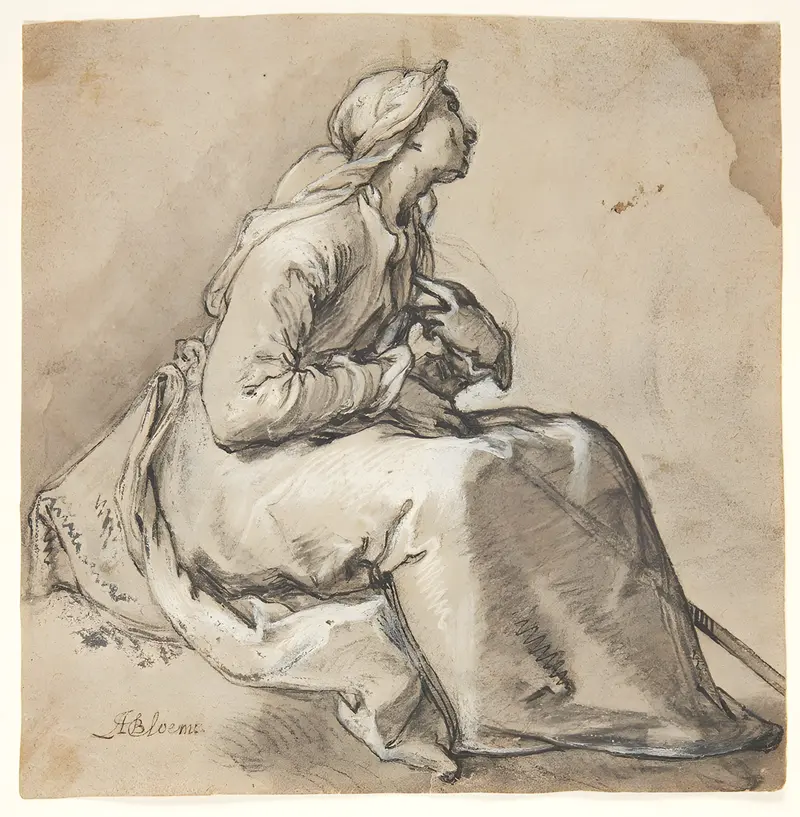
A seated woman facing right
Abraham Bloemaert
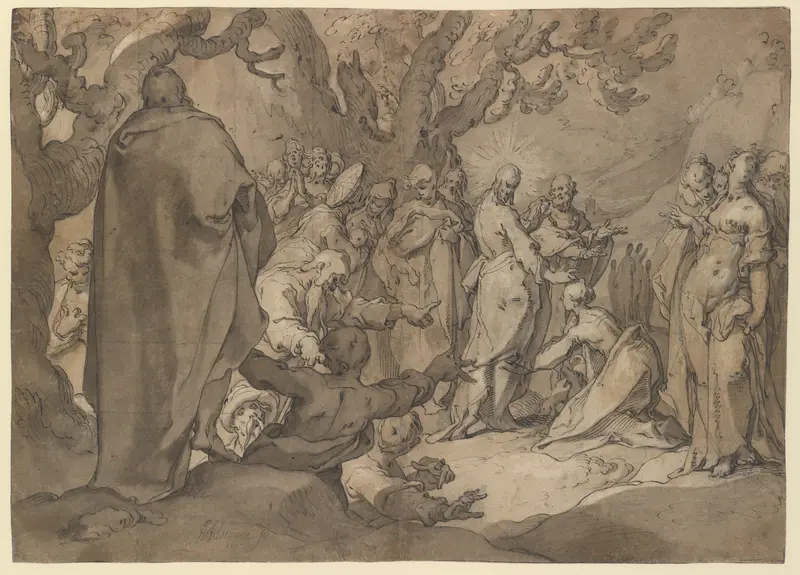
Christ and the Canaanite Women
Abraham Bloemaert
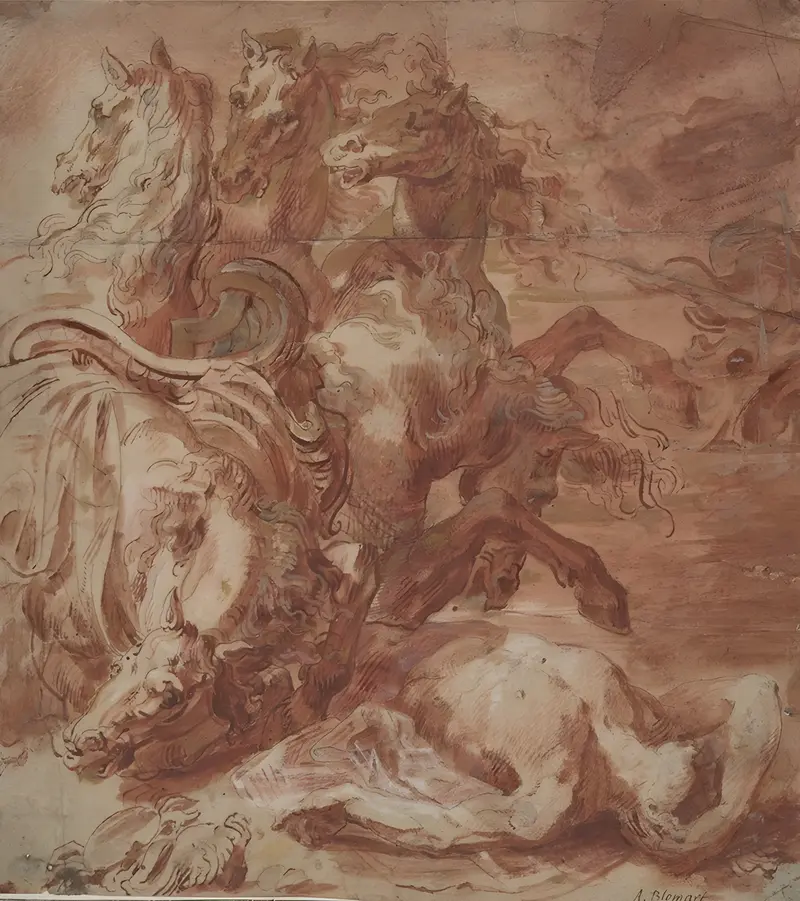
Hippolytus
Abraham Bloemaert
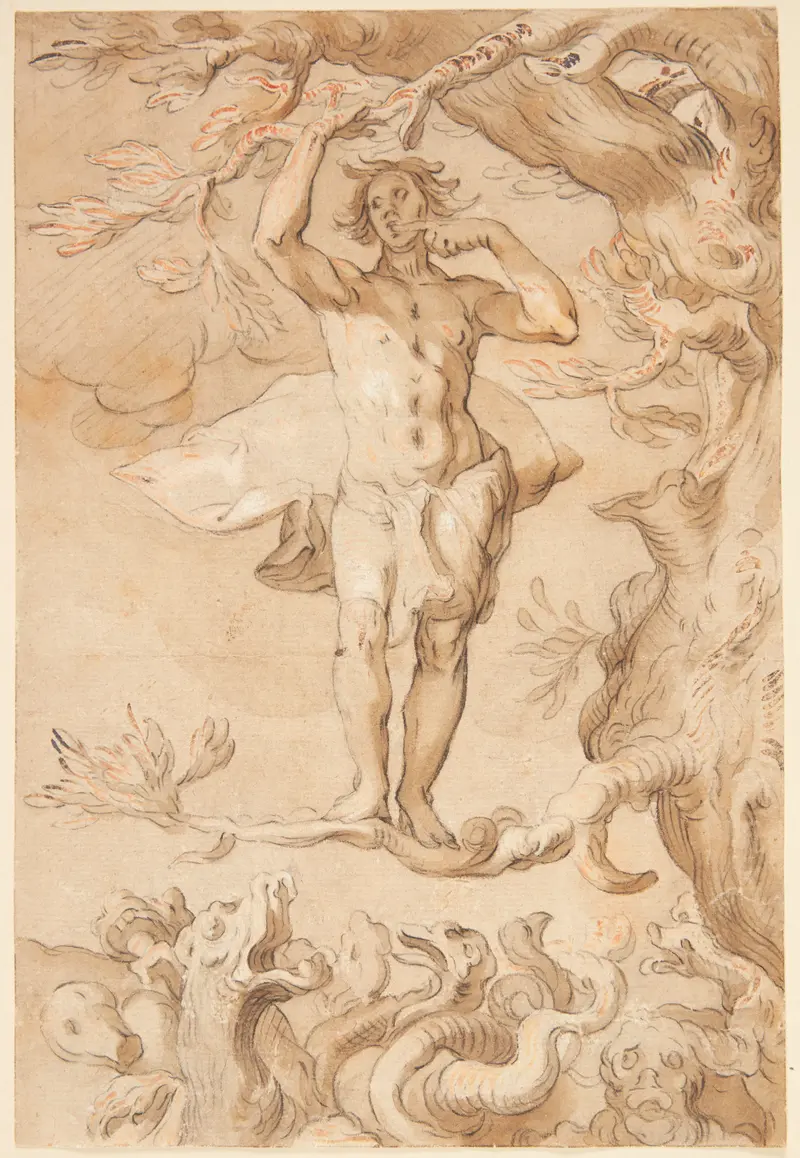
Den menneskelige glædes skrøbelighed En mand, der jages af en drage, klynger sig til en gren, mens han slikker honning af sin finger
Abraham Bloemaert

Moses Striking the Rock
Abraham Bloemaert
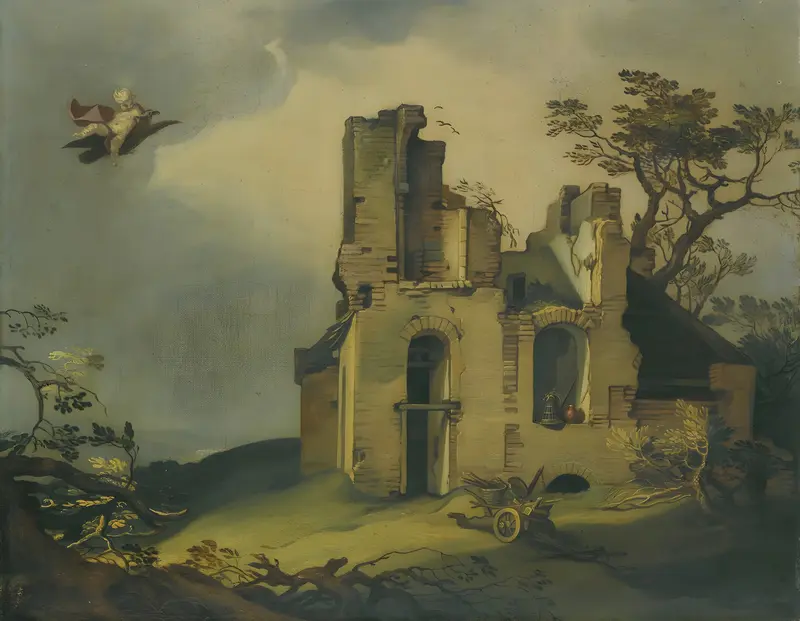
A Landscape With Ruins, With The Rape Of Ganymede
Abraham Bloemaert





