
Via Flaminia nabij Rome — History & Facts
Could beauty survive in a century of chaos? In a world where uncertainty reigns, light emerges as both a refuge and a revelation. Look to the sweeping expanse of the landscape, where the soft, golden light bathes the undulating hills and dotted trees. The viewer's gaze is drawn first to the winding path that ribbons through the scene, inviting exploration and echoing a journey both literal and metaphorical. Notice how the artist deftly uses light to create depth, casting gentle shadows that dance across the terrain, while the clear sky overhead promises tranquility and hope amid the surrounding turmoil. Delve deeper into the delicate interplay between nature and humanity present in the painting.
The solitary figure on the path, perhaps lost in contemplation, contrasts with the vastness of the landscape, reflecting a profound solitude that resonates within the viewer’s soul. The harmony of colors—earthy tones with splashes of green and blue—amplifies themes of renewal and connection to the land, suggesting that even amidst chaos, beauty thrives in endurance. Bartholomeus Breenbergh created this work between 1639 and 1640, during a period marked by social and political unrest in Europe. While the Thirty Years' War raged on, the artist found solace in the Italian countryside, where he absorbed the natural beauty and the serene lifestyle of the region.
This painting stands as a testament to his ability to encapsulate the harmony of light and landscape, offering a moment of peace in a time of uncertainty.
More Artworks by Bartholomeus Breenbergh
Browse all →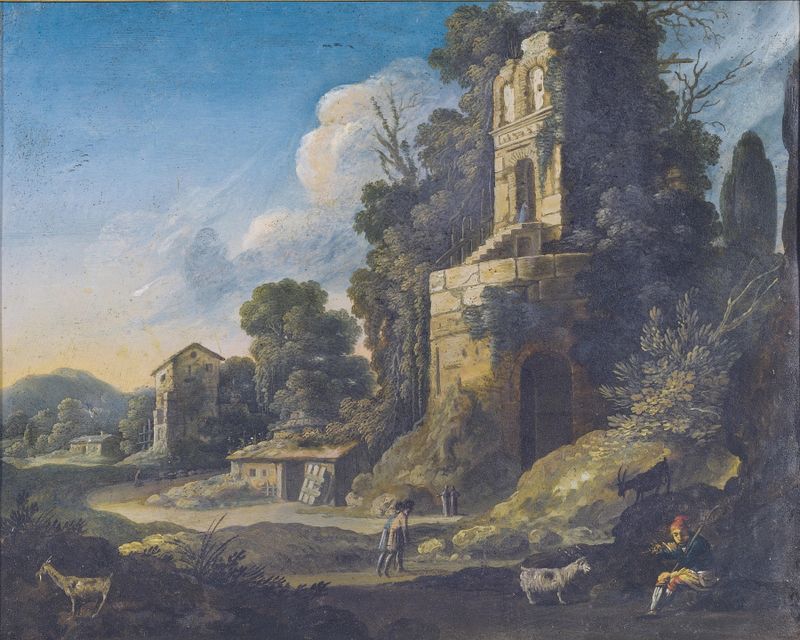
Italianate landscape with buildings and a herdsman playing pipes
Bartholomeus Breenbergh

Arcadian Landscape
Bartholomeus Breenbergh

Ruïnes van keizerlijk paleis te Rome
Bartholomeus Breenbergh

Ruïne van het Colosseum
Bartholomeus Breenbergh
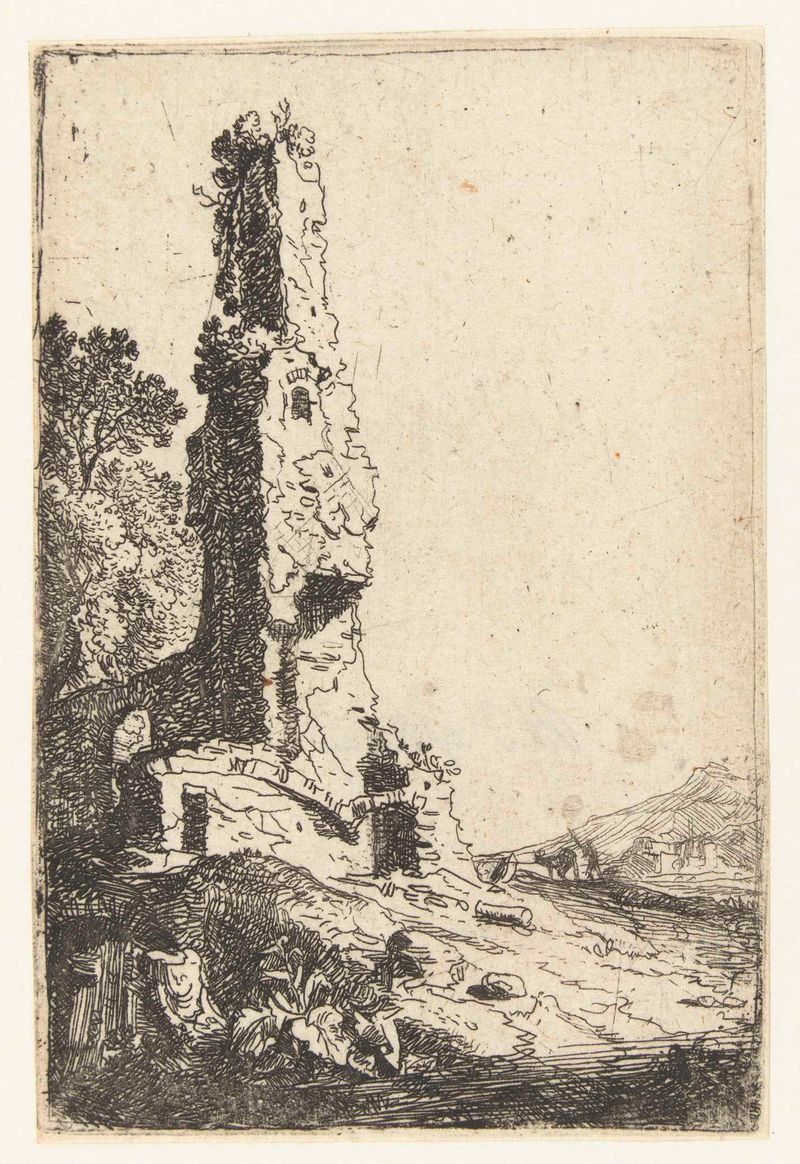
Ruïnes van de stadsmuren van Rome
Bartholomeus Breenbergh
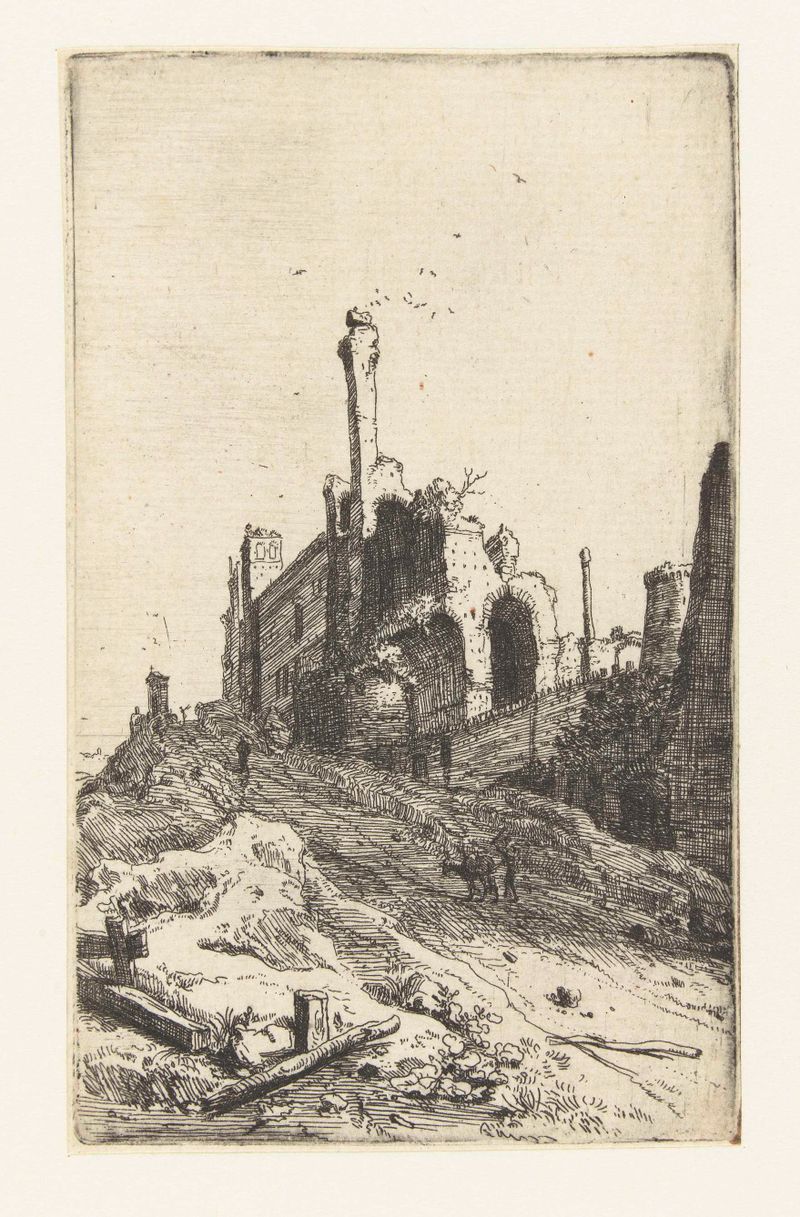
Ruïnes van een paleis te Tivoli
Bartholomeus Breenbergh

Figures Among Ruins By The Tiber
Bartholomeus Breenbergh

Italian Landscape with the Aurelian Wall
Bartholomeus Breenbergh
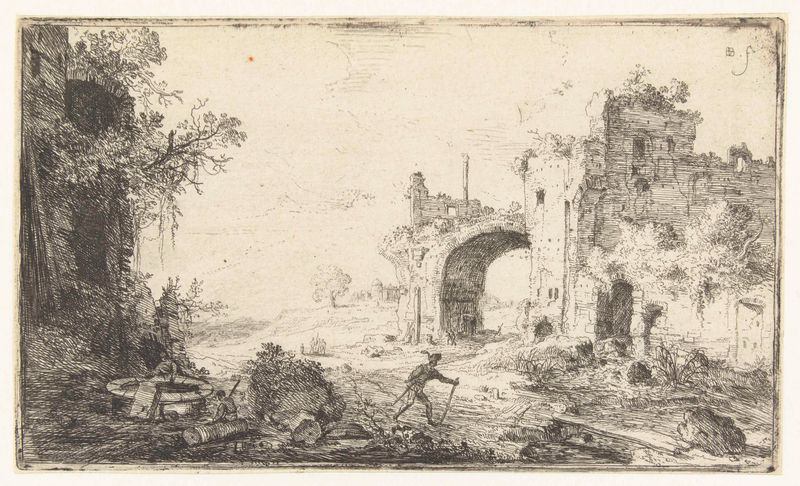
Ruïnes van de thermen van Caracalla
Bartholomeus Breenbergh
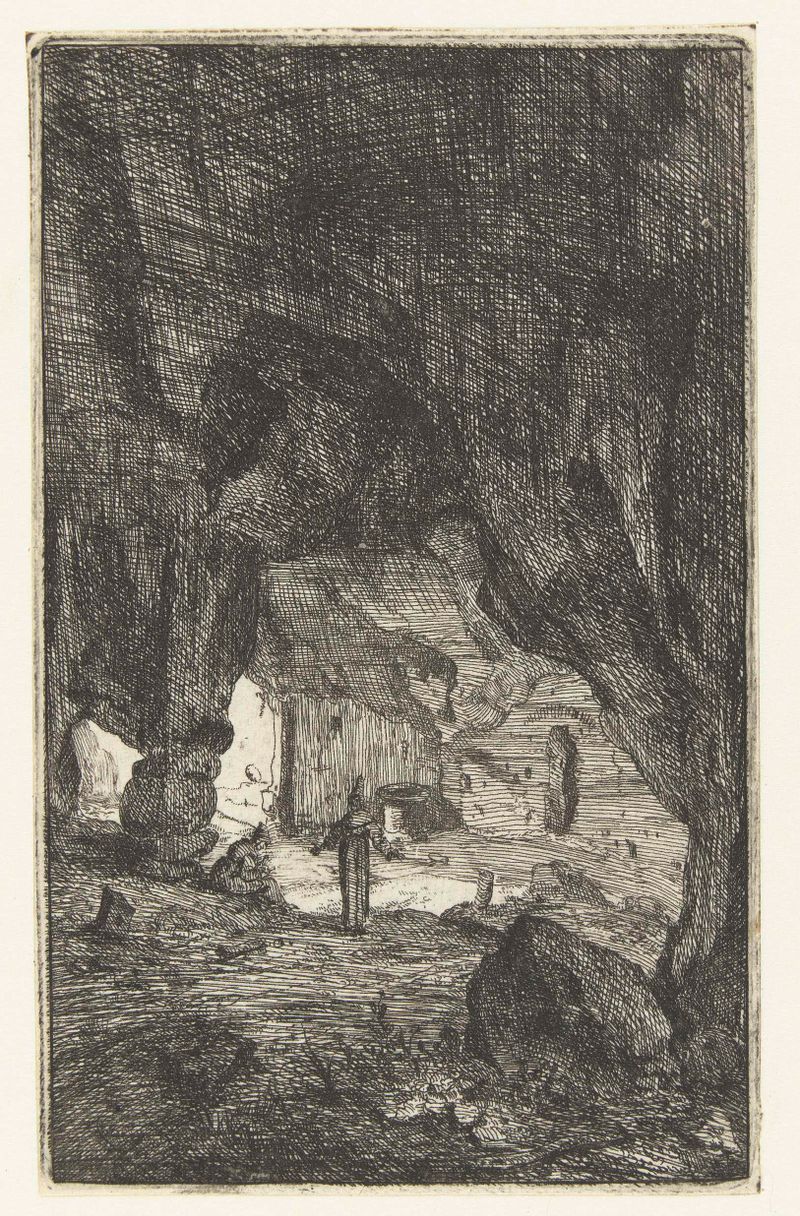
Interieur van een grot
Bartholomeus Breenbergh





