
Vieille église en Campine — History & Facts
In the stillness of the moment captured here, destiny weaves its intricate threads through the quiet landscape of existence, urging us to pause and reflect. Look to the center of the canvas, where the old church stands as a solemn sentinel against the backdrop of a muted sky. Its weathered stones bear the weight of time, imbued with a rich palette of earthy browns and soft grays. The gentle brushstrokes create a texture that invites the eye to trace the contours of the building, while dappled light plays across the surface, suggesting a flickering hope amidst the shadows.
The surrounding fields stretch outward, their vibrant greens contrasting with the crumbling edifice, guiding your gaze towards the horizon. Beneath this serene exterior lies a poignant tension between decay and resilience. The church, though aged and fading, serves as a reminder of history and faith, while the lush landscape suggests the promise of renewal. Each blade of grass and flower nods to the inevitability of change, hinting at the cycles of life and death.
The atmospheric light captures a fleeting moment in time, evoking feelings of nostalgia and contemplation, as if inviting the viewer to ponder their own journey through the landscape of existence. Armand Apol painted Vieille église en Campine in the early 20th century, a period marked by significant social and political changes across Europe. Residing in Belgium, Apol was influenced by the burgeoning Impressionist movement, which sought to capture the ephemeral qualities of light and atmosphere. This work emerged during a time when artists were increasingly exploring themes of identity, place, and memory, positioning the old church as both a literal and metaphorical intersection of past and future.
More Artworks by Armand Apol
Browse all →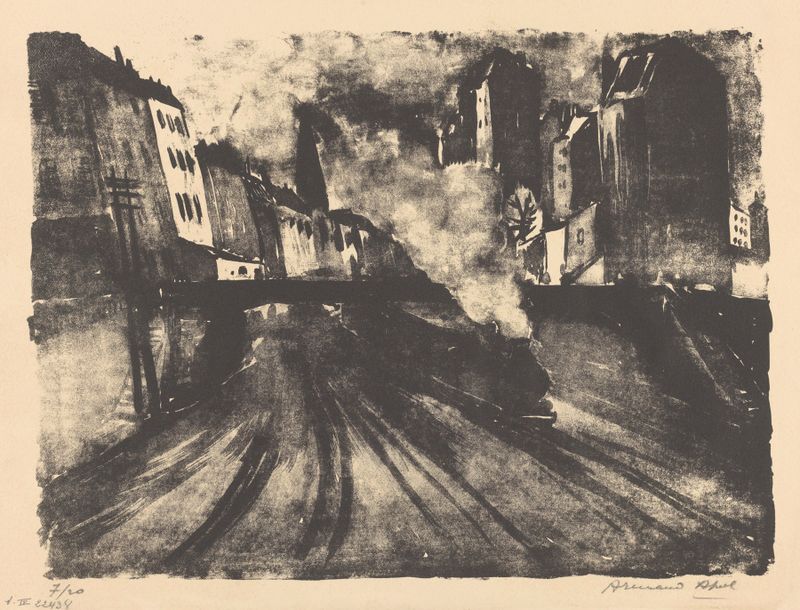
Chemin de fer de ceinture à Paris
Armand Apol
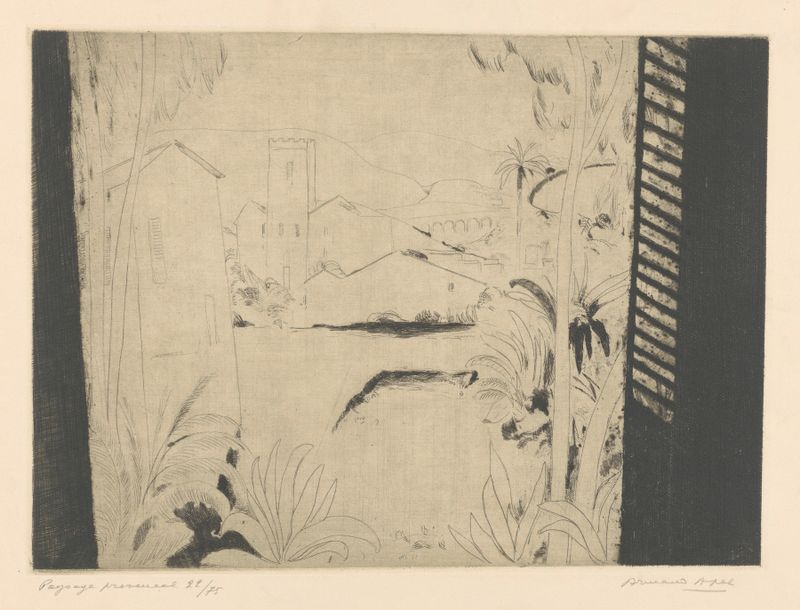
Paysage provençal
Armand Apol
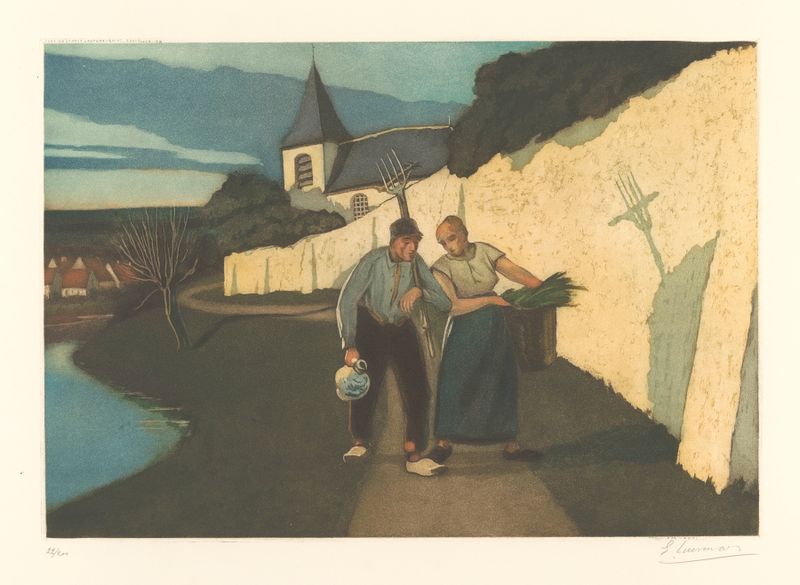
Retour des champs
Armand Apol
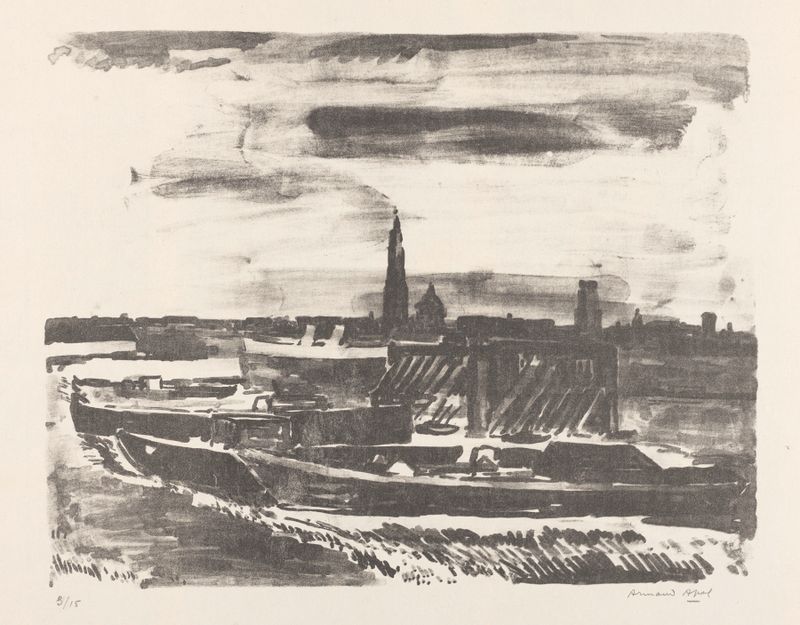
Bateaux à quai à Anvers
Armand Apol
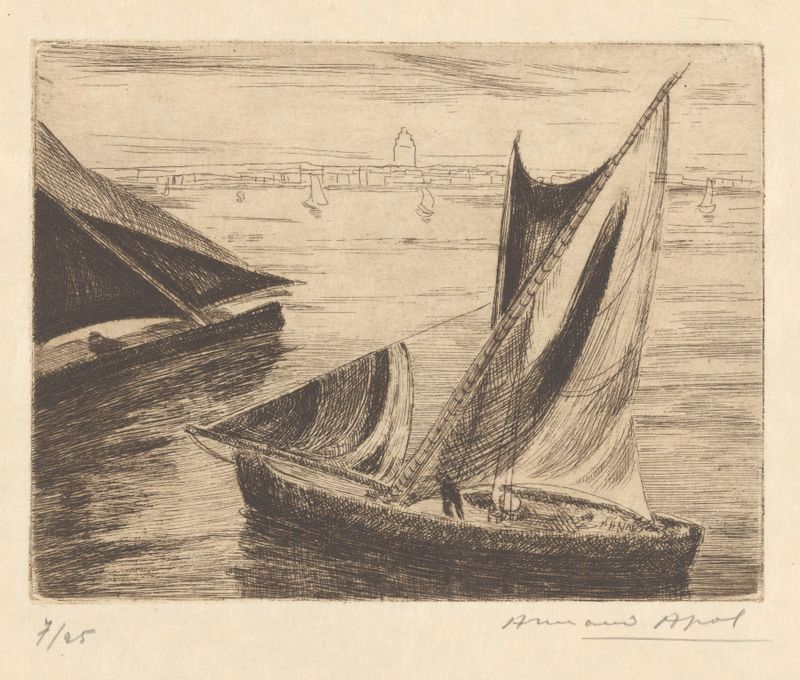
Marseille. Tartanes
Armand Apol
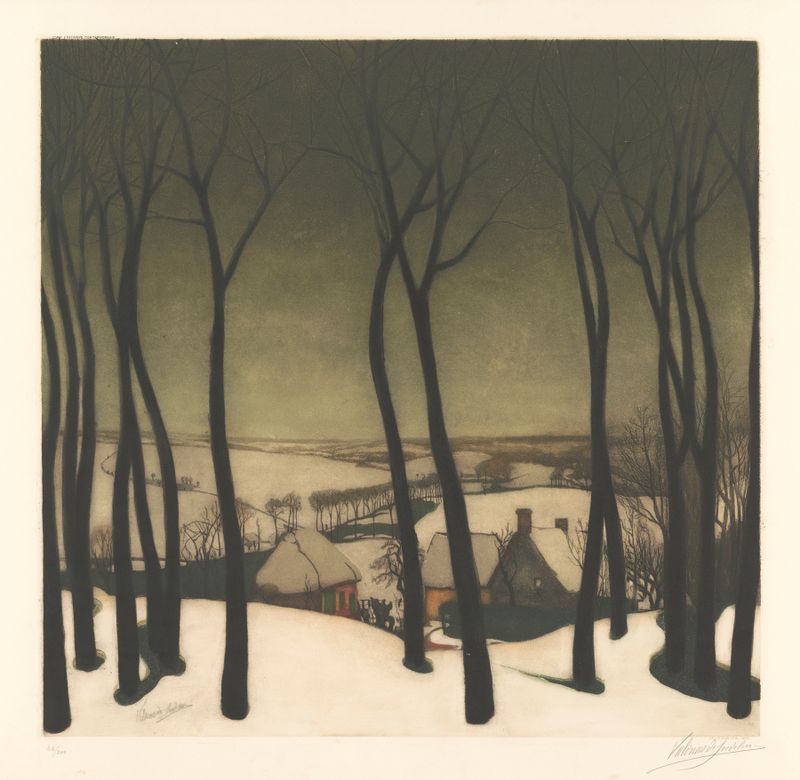
Paysage
Armand Apol
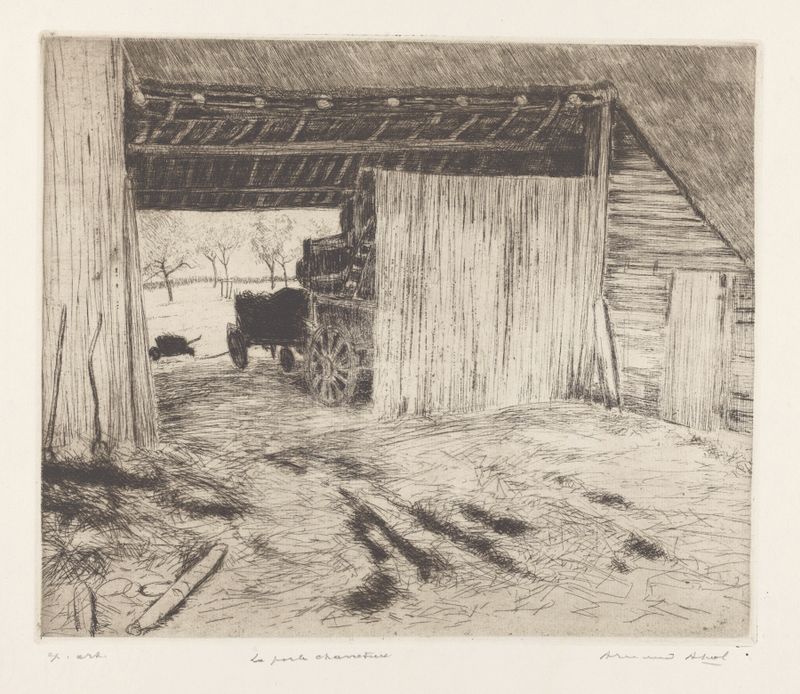
La porte charretière
Armand Apol
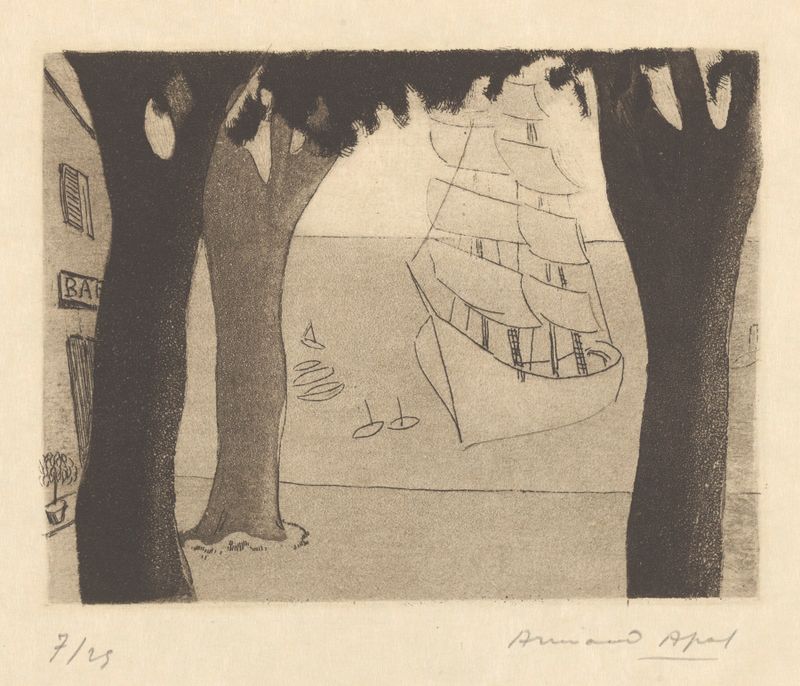
Cassis. Vue sur le port
Armand Apol
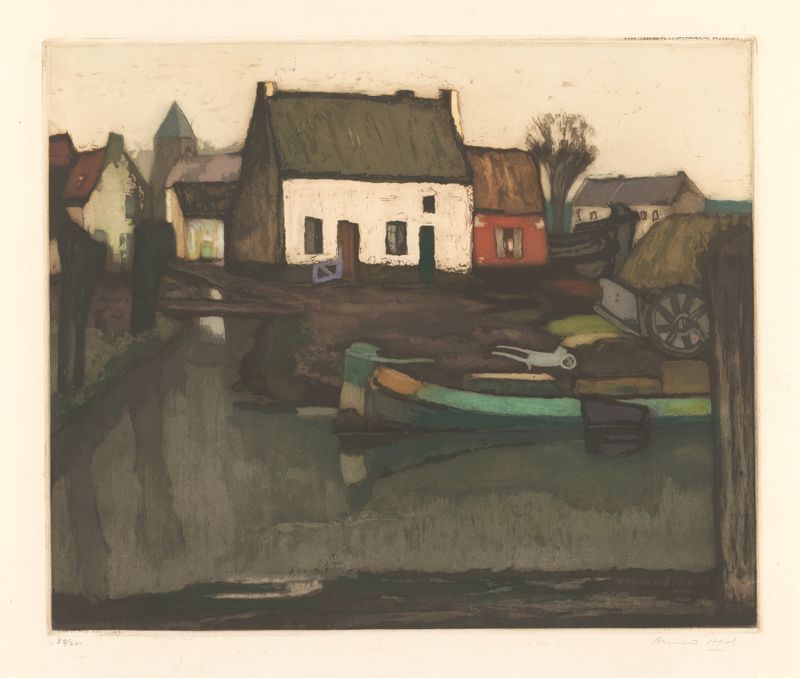
Bord du canal
Armand Apol
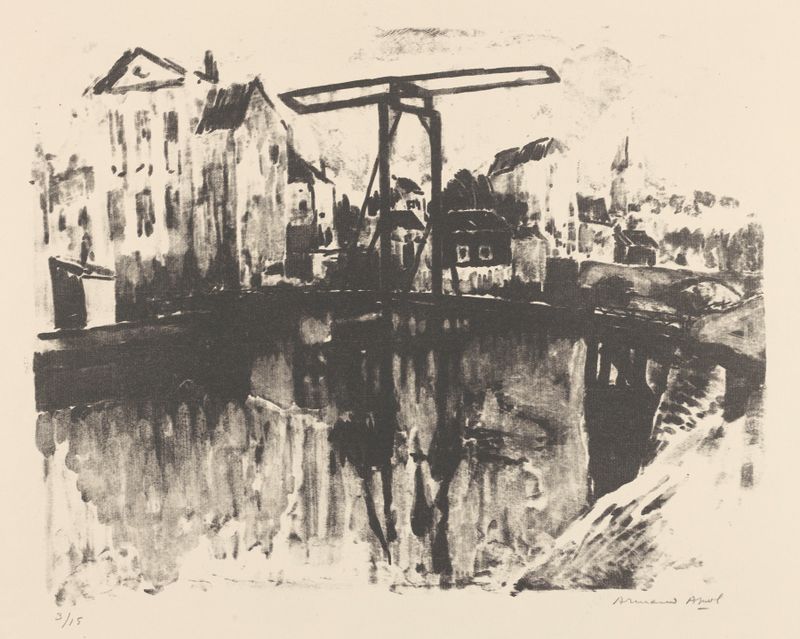
Pont basculant dans une ville
Armand Apol





