View Along the Norman Coast — History & Analysis
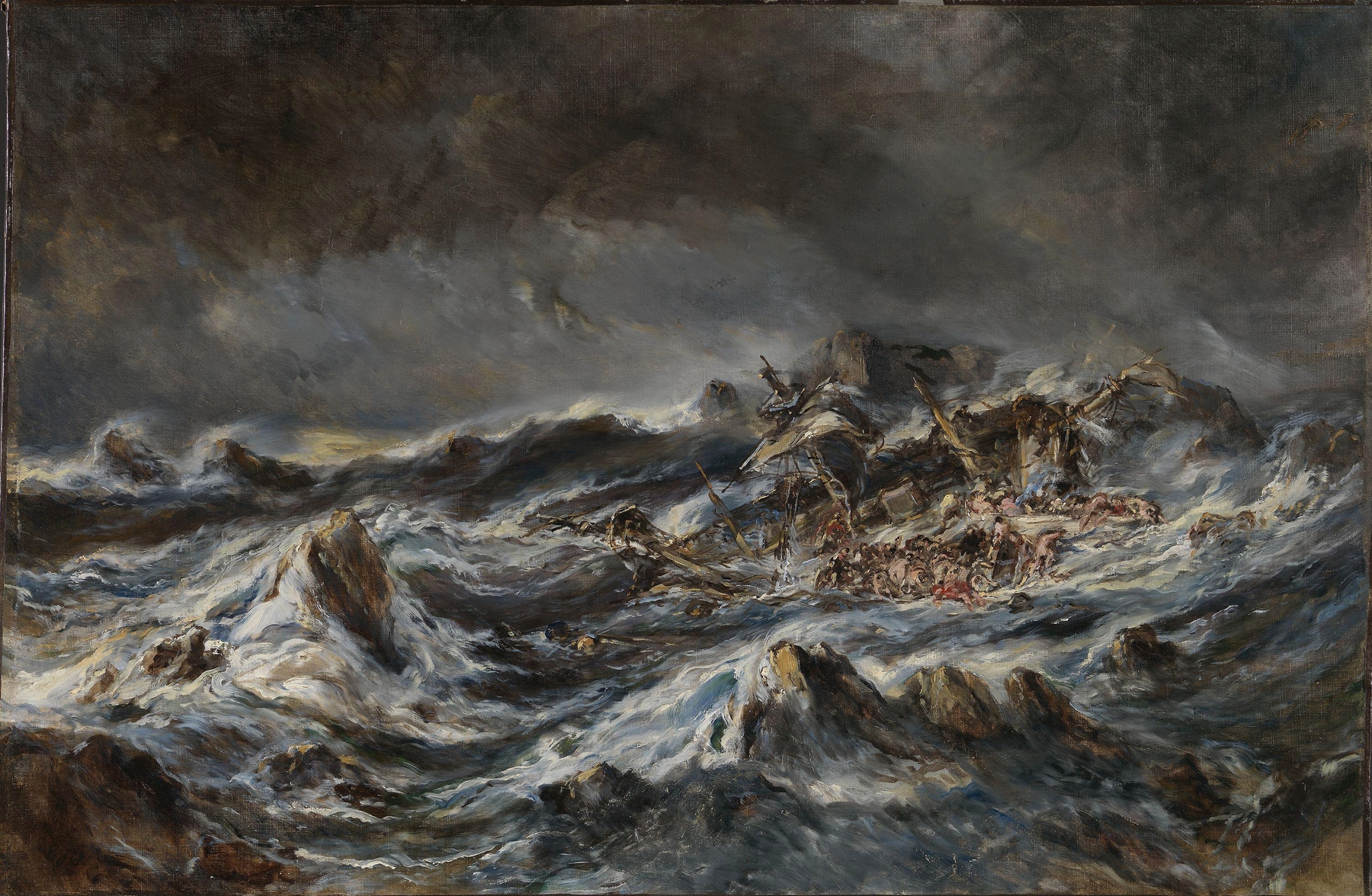
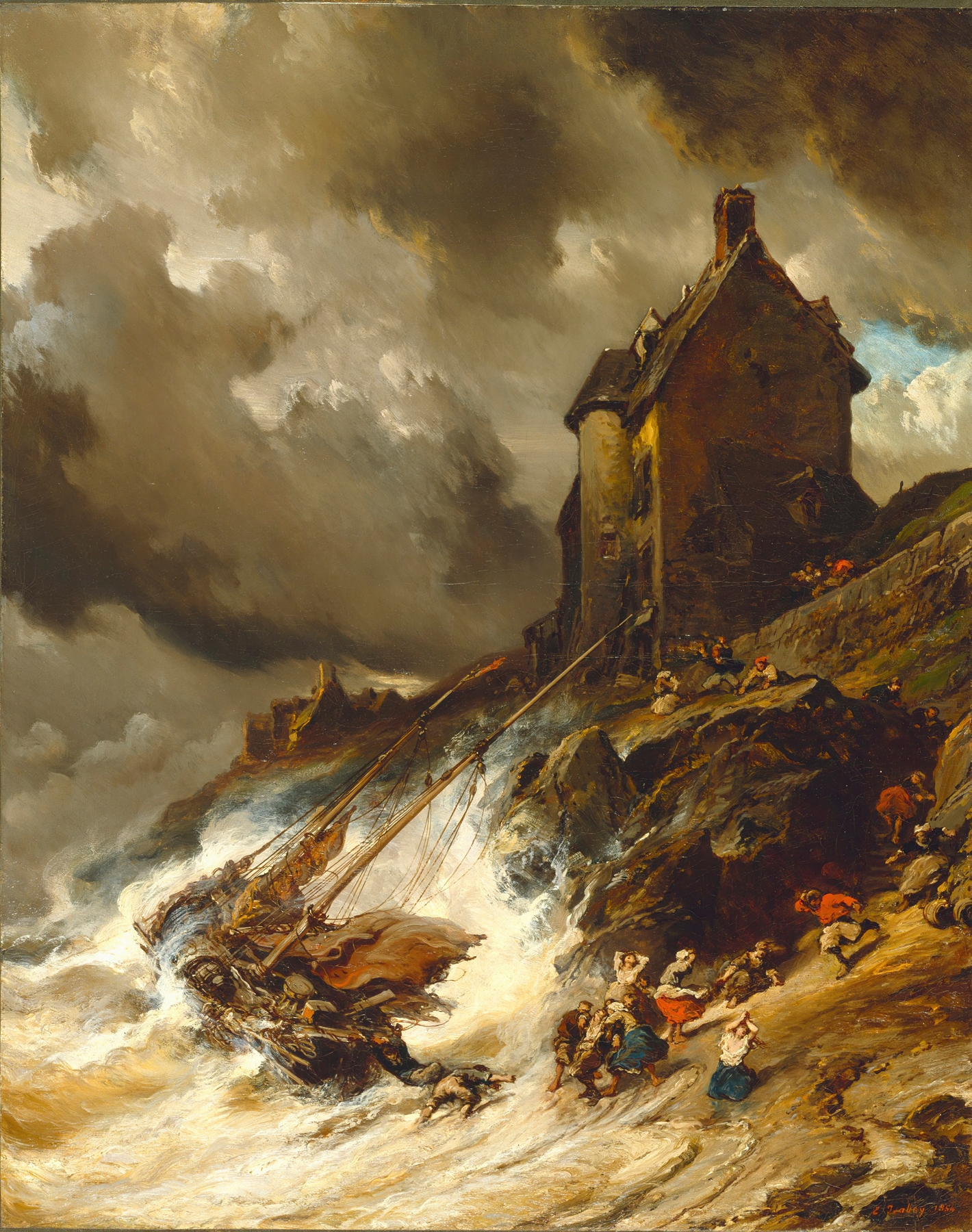
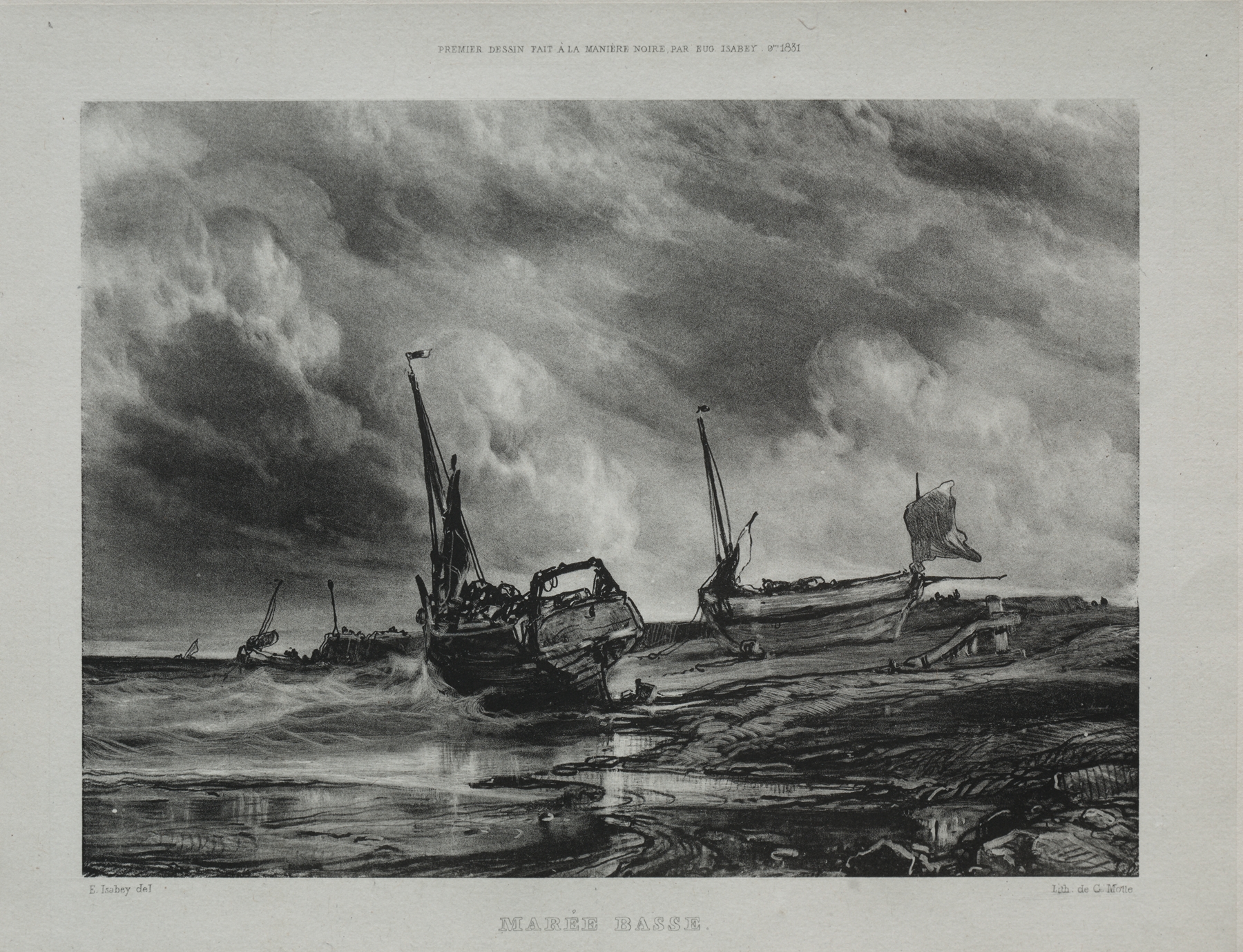
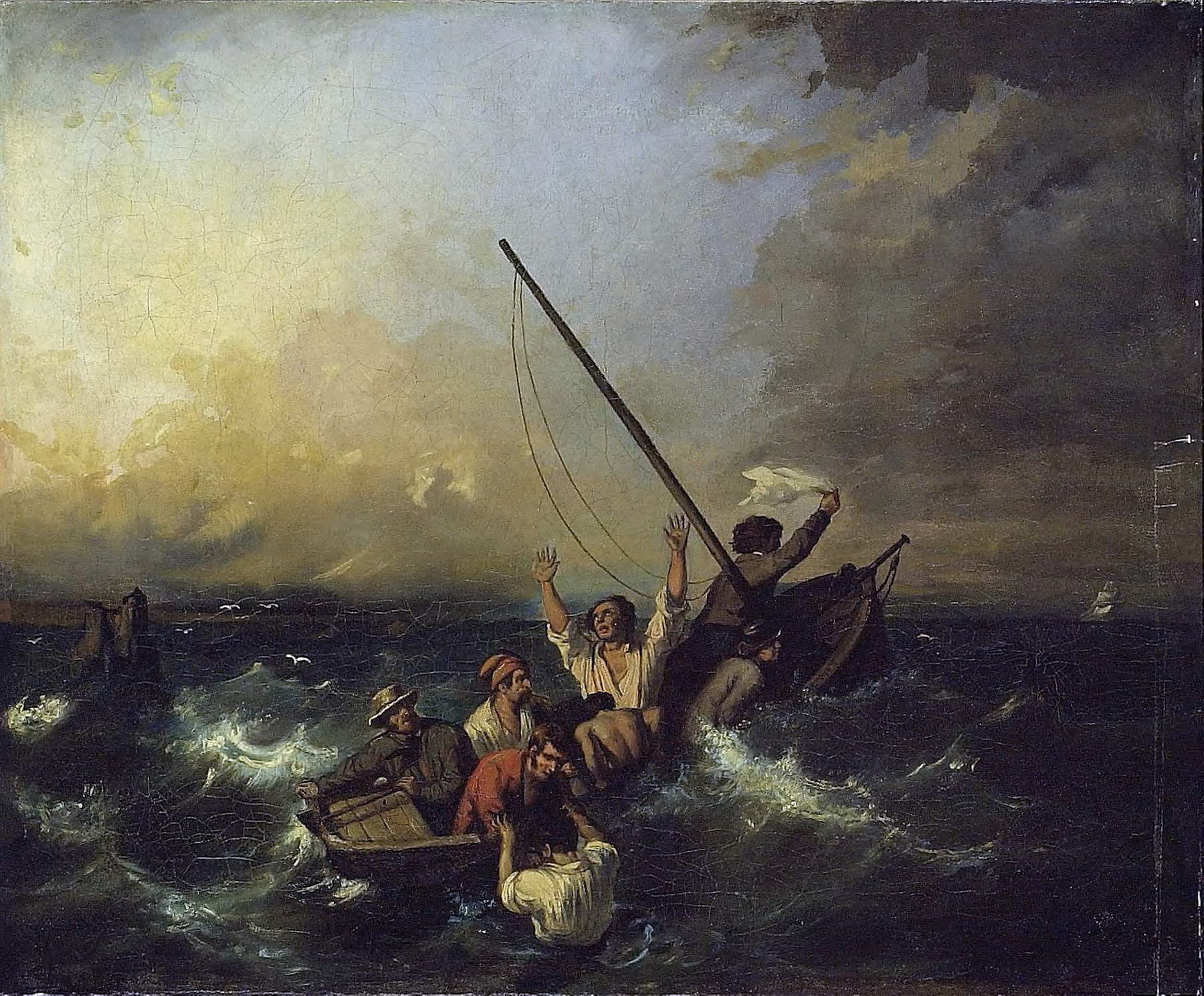
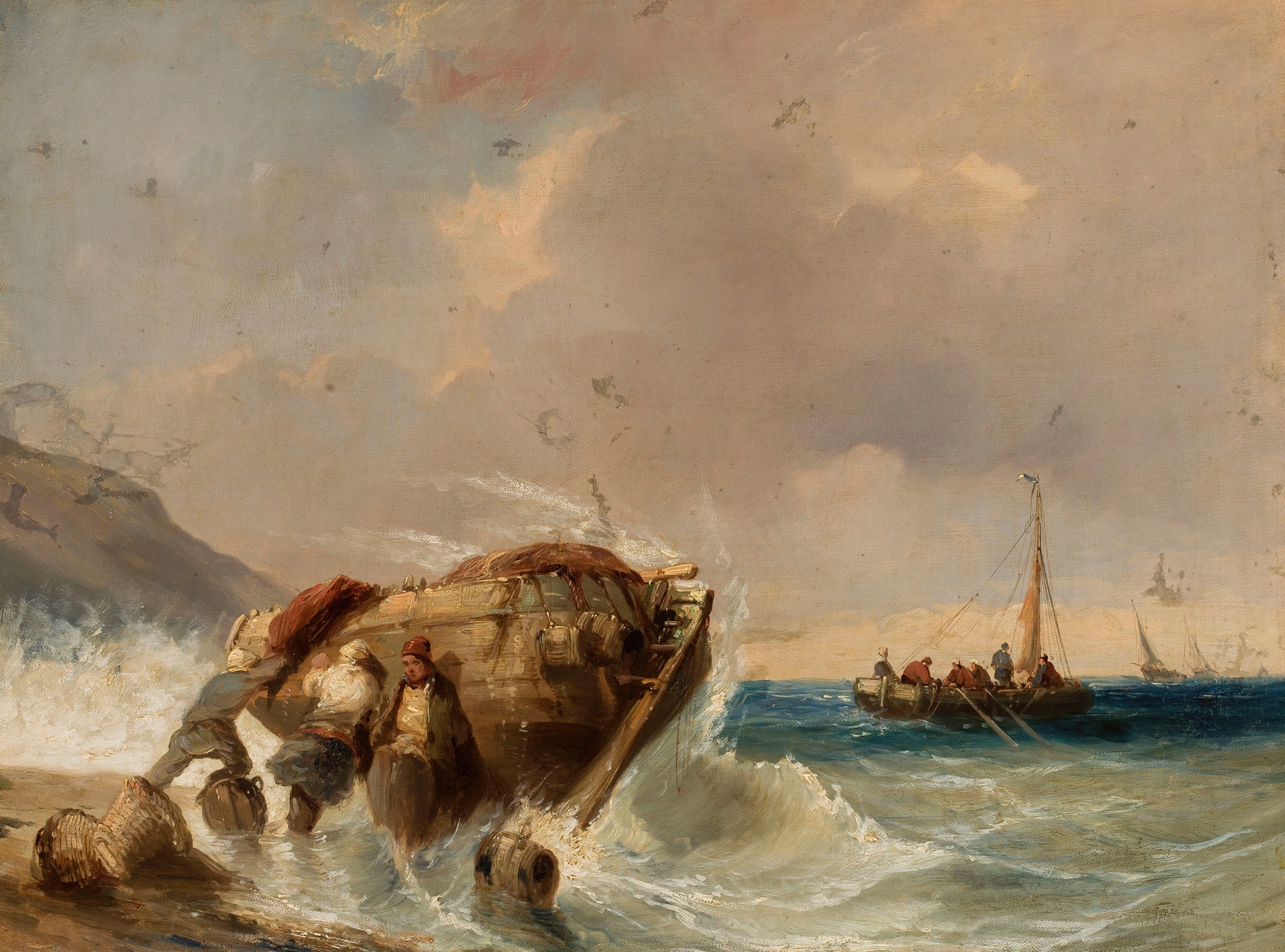
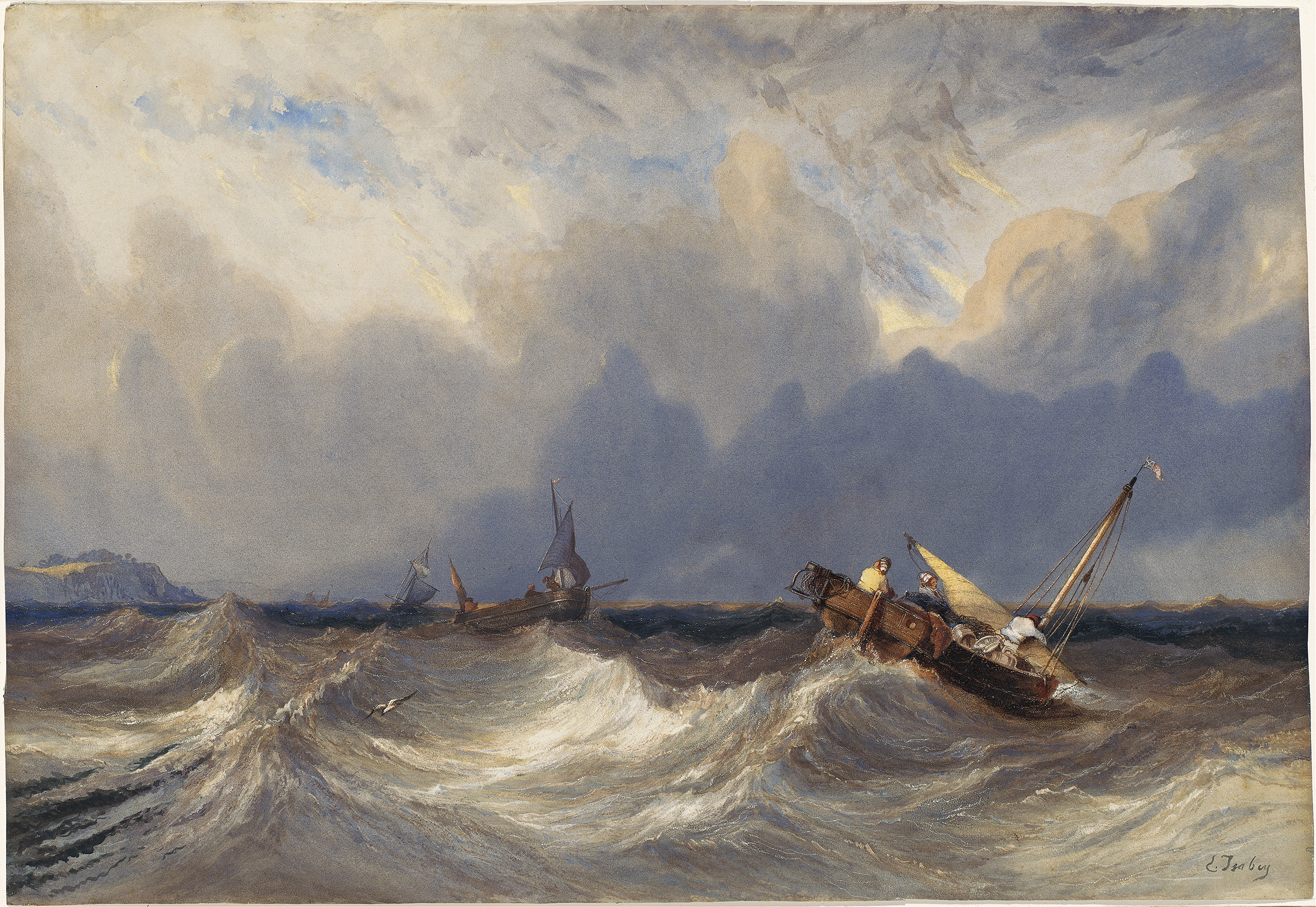
“The canvas doesn’t lie — it simply waits.” Each brushstroke captures a fleeting moment, inviting us to ponder what lies beyond the surface. This work beckons us to explore not just the landscape, but the innocence of nature itself. Look to the left where the rugged cliffs rise majestically against the muted blues of sea and sky. Notice how the soft palette of pastels, with hints of warm sandy tones, evokes both tranquility and nostalgia. The gentle wavelets shimmer in the light, guiding the eye toward the horizon where the sky meets the sea, while a lone boat drifts, a whisper of life in this expansive vista.
Isabey’s delicate brushwork and thoughtful composition create a serene balance, allowing the viewer to breathe in the beauty of the scene. Yet, beneath the calm surface lies a tension between man and nature. The distant figures on the shoreline appear insignificant against the grandiosity of the coastline, evoking a sense of vulnerability. This contrast speaks to the innocence of humanity confronted with the might of the natural world.
The juxtaposition of the serene landscape and the solitary man hints at a deeper reflection on our fragile existence within such majesty, reminding us of the intertwining of peace and peril in our lives. In 1852, Eugène Isabey painted this piece during a period marked by the burgeoning Romantic movement in France. At this time, Isabey was exploring themes of nature and emotion, influenced by the scenic beauty of the Normandy coast. His work was a response to the changing world, capturing a moment that reflects both personal introspection and the awe-inspiring power of the landscape, as industrialization began to encroach on the innocence of untouched beauty.