
View of a Farm Courtyard — History & Facts
Few Dutch artists moved as fluidly between religious grandeur and rustic intimacy as Abraham Bloemaert. What makes View of a Farm Courtyard especially intriguing is that, despite Bloemaert's reputation for mythological and biblical scenes, here he turned his attention to the everyday world of the countryside—a subject that would later become central to Dutch Golden Age painting. The exact date and circumstances of this work remain uncertain, adding to its sense of mystery; no contemporary records mention its commission or early ownership, and scholars continue to debate whether it was intended as a finished painting or a study from life. In this scene, the viewer is invited into the heart of a bustling farmstead.
A woman pours water for a cluster of chickens, while a child tugs at her skirt, and a sturdy dog stands watch nearby. The arrangement of these figures draws the eye in a gentle arc, echoing the rhythms of daily rural labor. Bloemaert’s careful rendering of the crumbling brickwork, scattered tools, and sunlit straw captures both the dignity and the disorder of peasant life.
Unlike Pieter Bruegel the Elder, whose peasant scenes often carry a satirical edge, Bloemaert’s approach is sympathetic, focusing on the quiet harmony between people and their environment. The painting’s provenance is obscure; it is not listed in the major 17th-century inventories, and its early journey is undocumented. What is clear is that View of a Farm Courtyard reflects a pivotal moment in Bloemaert’s career, as he shifted from Mannerist allegories to more naturalistic subjects—a direction that would influence his many pupils. Today, the work is celebrated as an early example of the genre scene in Dutch art, though its original home and medium are still unknown.
Its presence in museum collections today attests to the enduring appeal of Bloemaert’s vision of rural life.
More Artworks by Abraham Bloemaert

Adam and Eve
Abraham Bloemaert
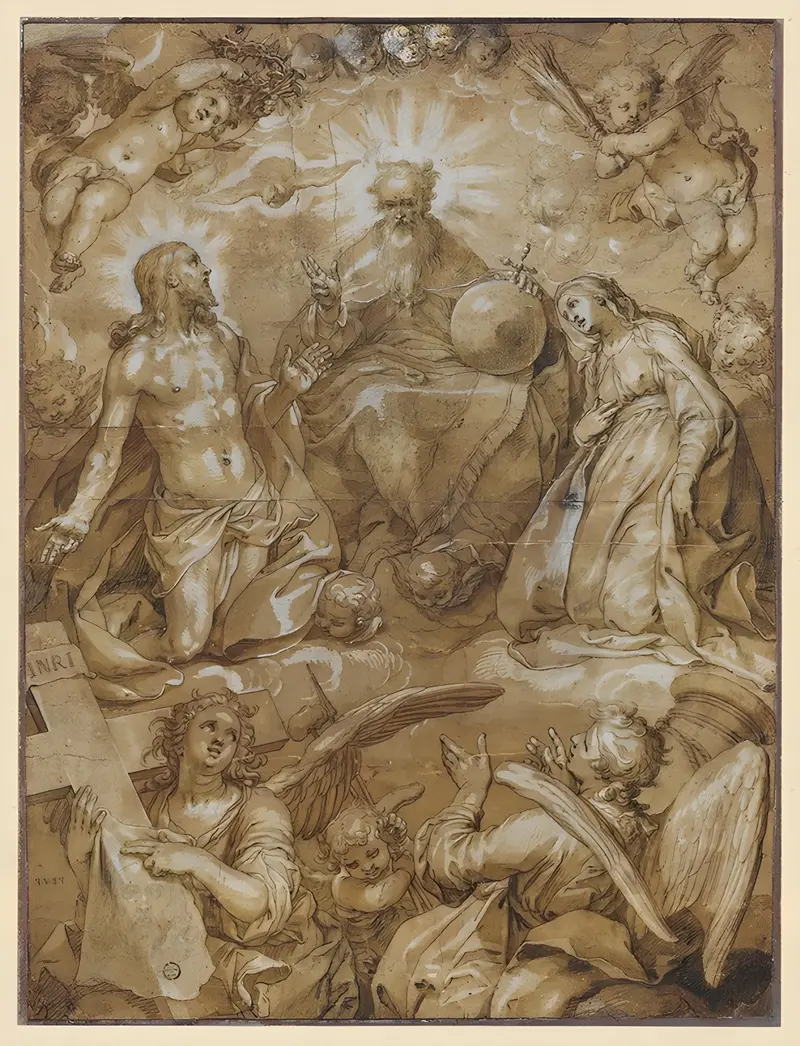
Intercession of Christ and Mary before God the Father
Abraham Bloemaert
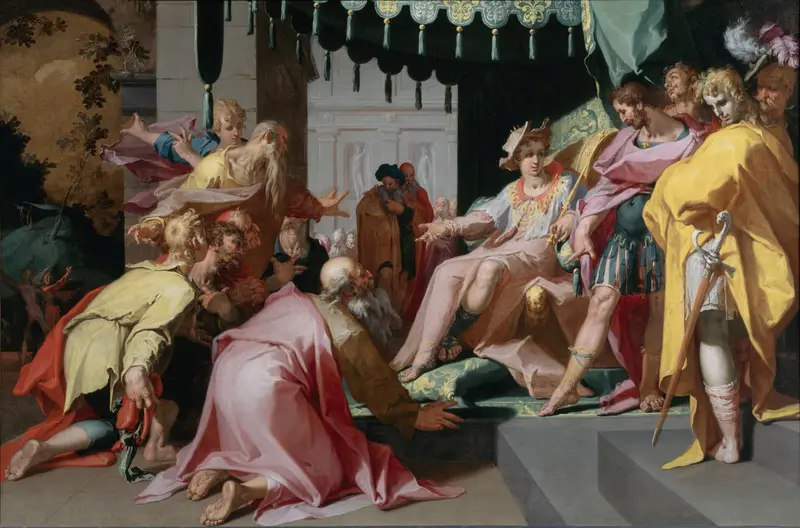
Joseph and his Brothers
Abraham Bloemaert
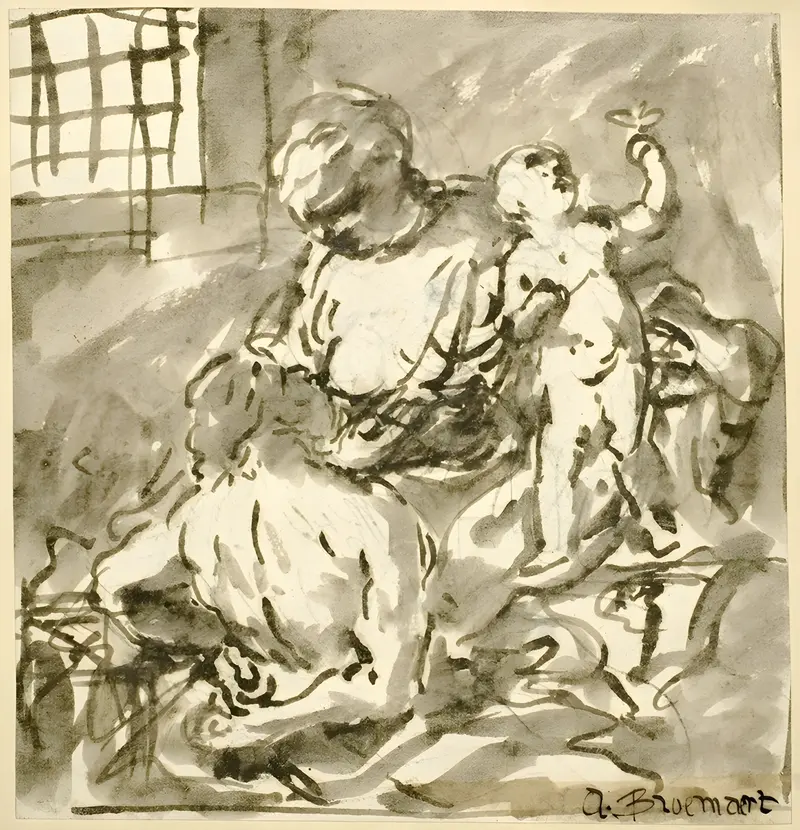
Caritas Romana
Abraham Bloemaert
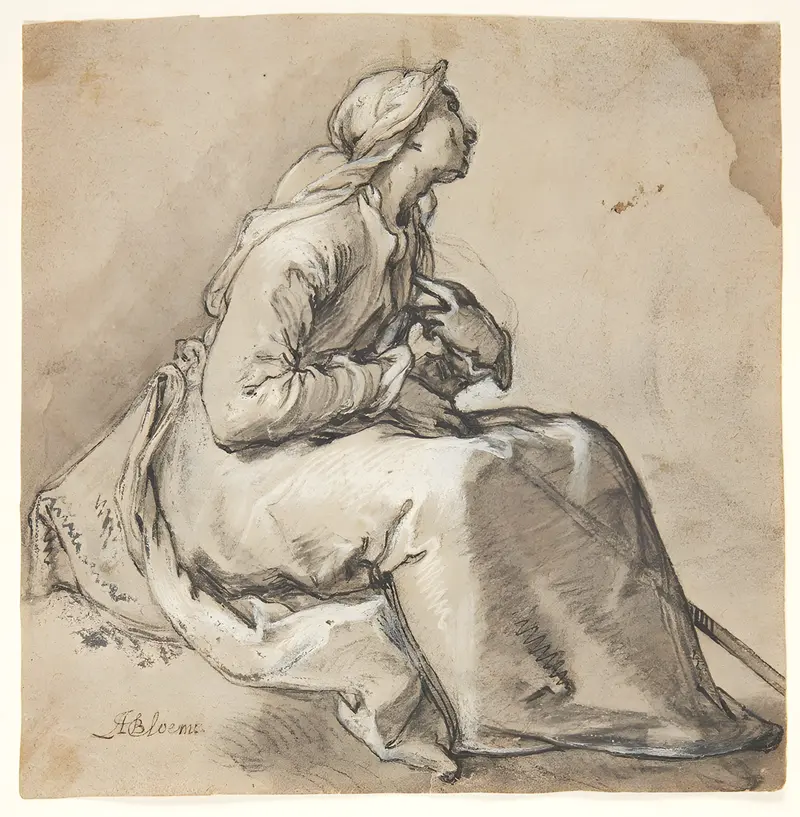
A seated woman facing right
Abraham Bloemaert
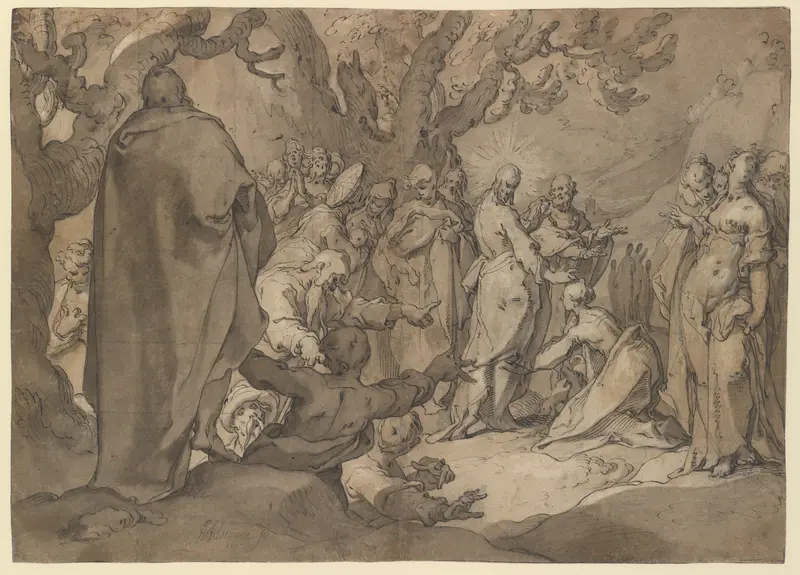
Christ and the Canaanite Women
Abraham Bloemaert
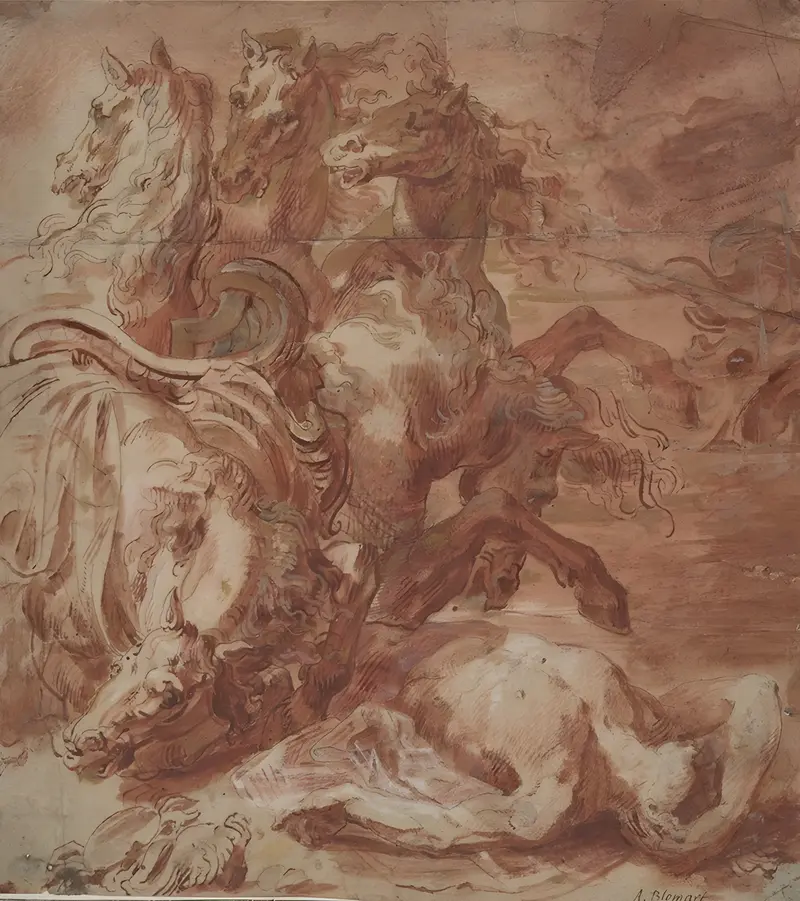
Hippolytus
Abraham Bloemaert
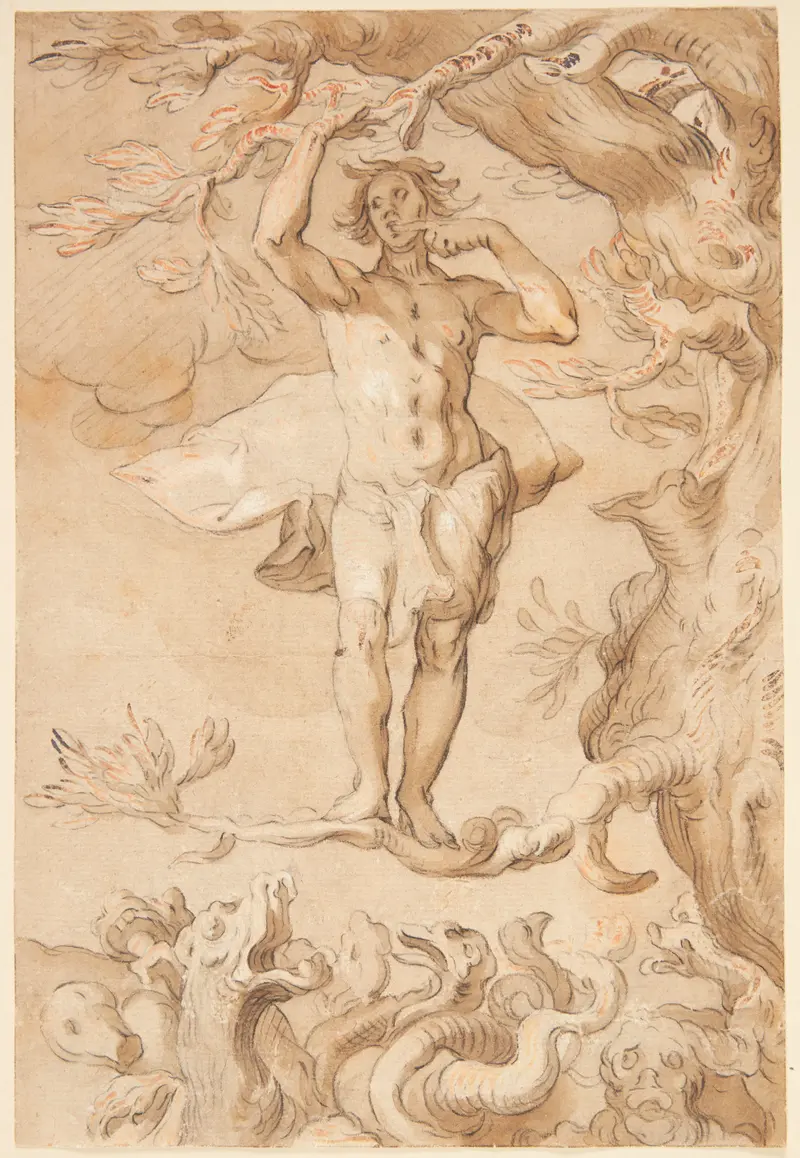
Den menneskelige glædes skrøbelighed En mand, der jages af en drage, klynger sig til en gren, mens han slikker honning af sin finger
Abraham Bloemaert

Moses Striking the Rock
Abraham Bloemaert
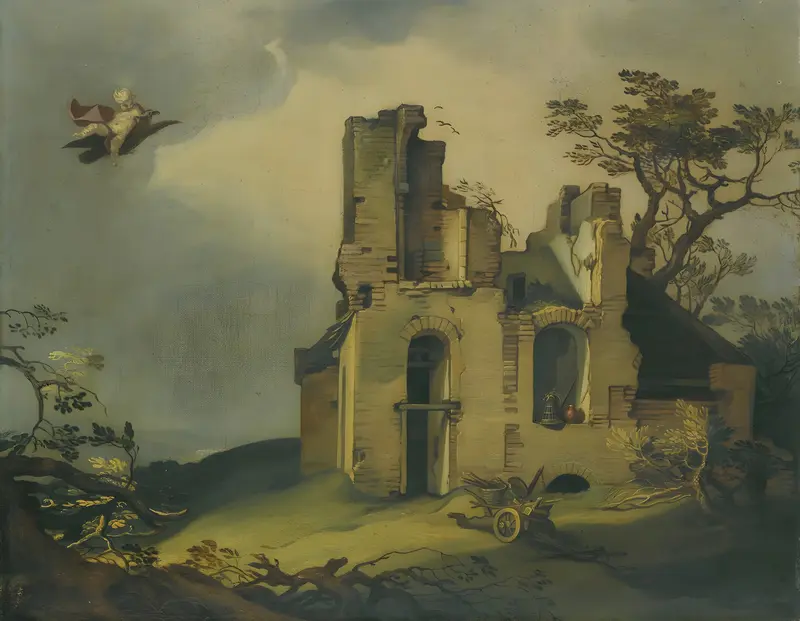
A Landscape With Ruins, With The Rape Of Ganymede
Abraham Bloemaert
More Genre Scene Art

Banquet of the Officers of the St George Civic Guard
Frans Hals

Rembrandt and Saskia in the Scene of the Prodigal Son
Rembrandt van Rijn

Bal du moulin de la Galette
Pierre-Auguste Renoir

Quadrille at the Moulin Rouge
Henri de Toulouse-Lautrec

A Burial at Ornans
Gustave Courbet

When Will You Marry?
Paul Gauguin