View of Etretat — History & Analysis
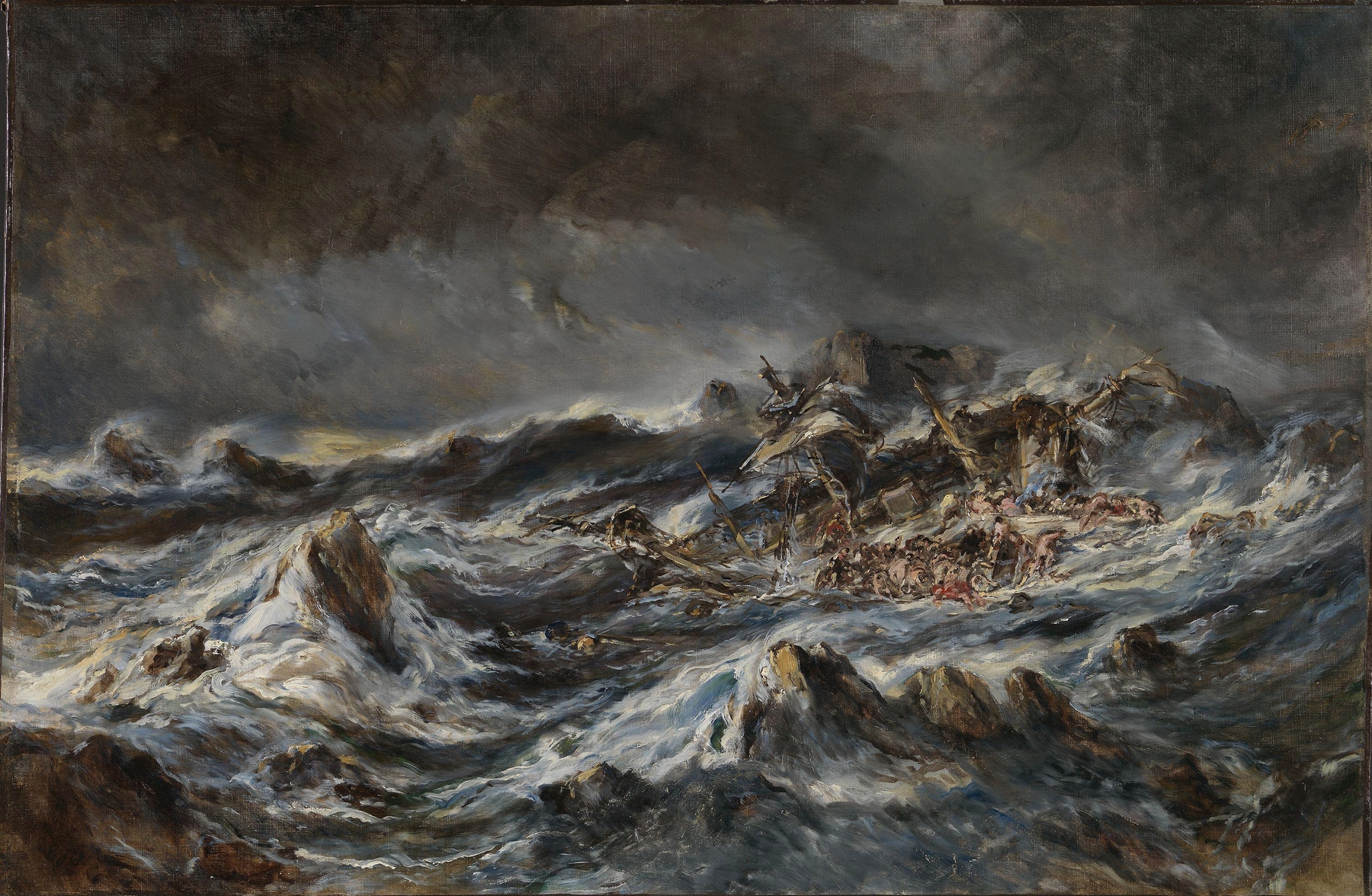
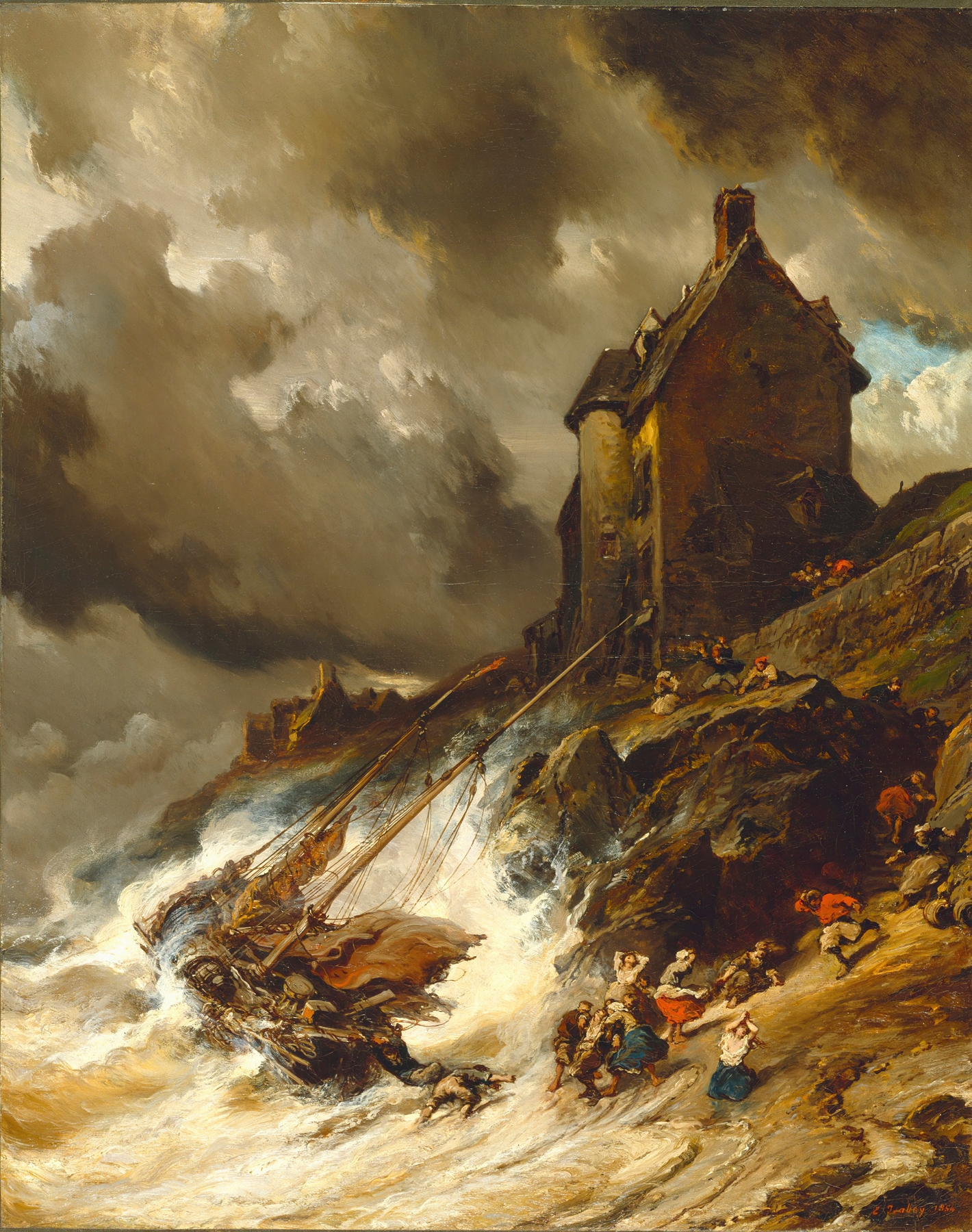
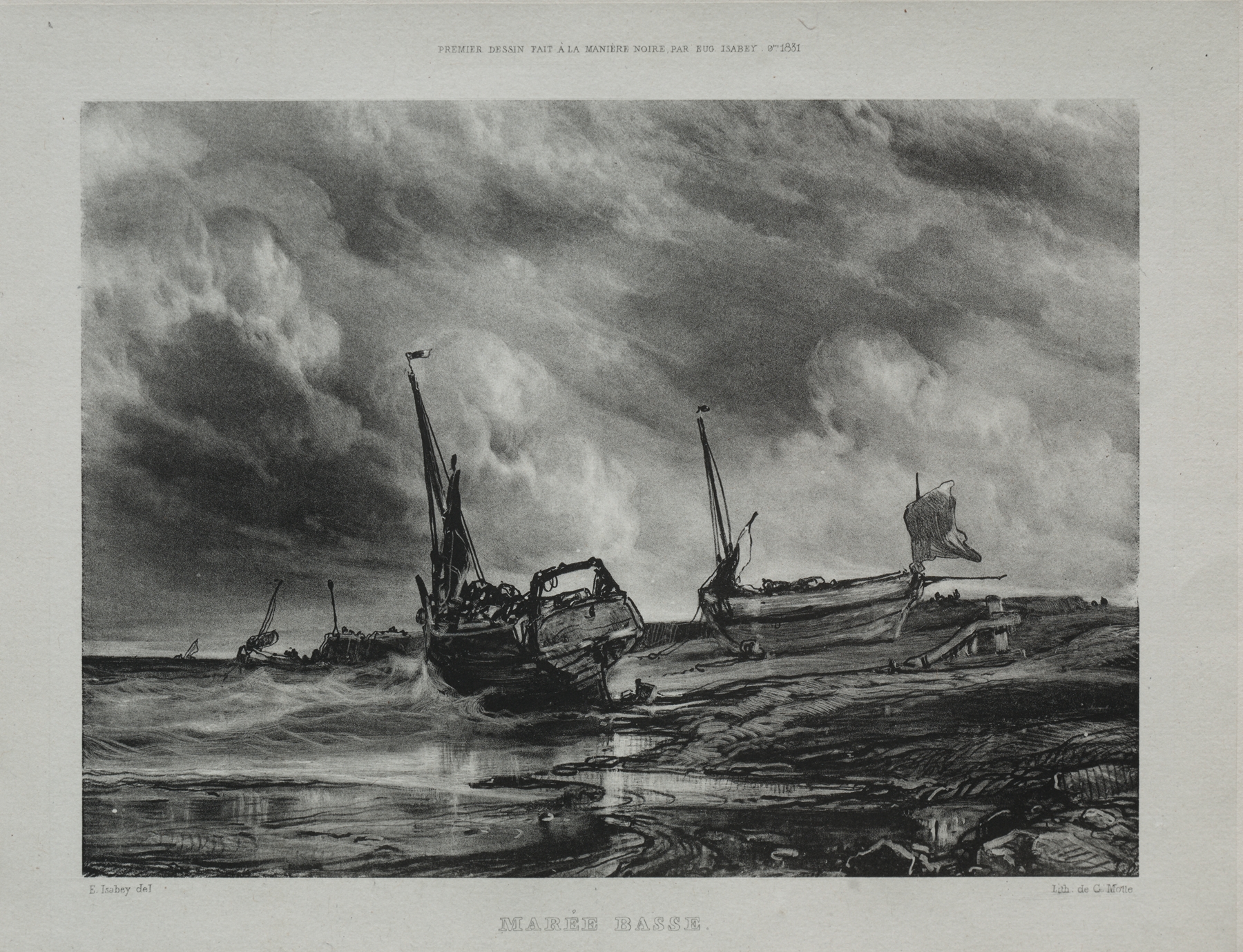
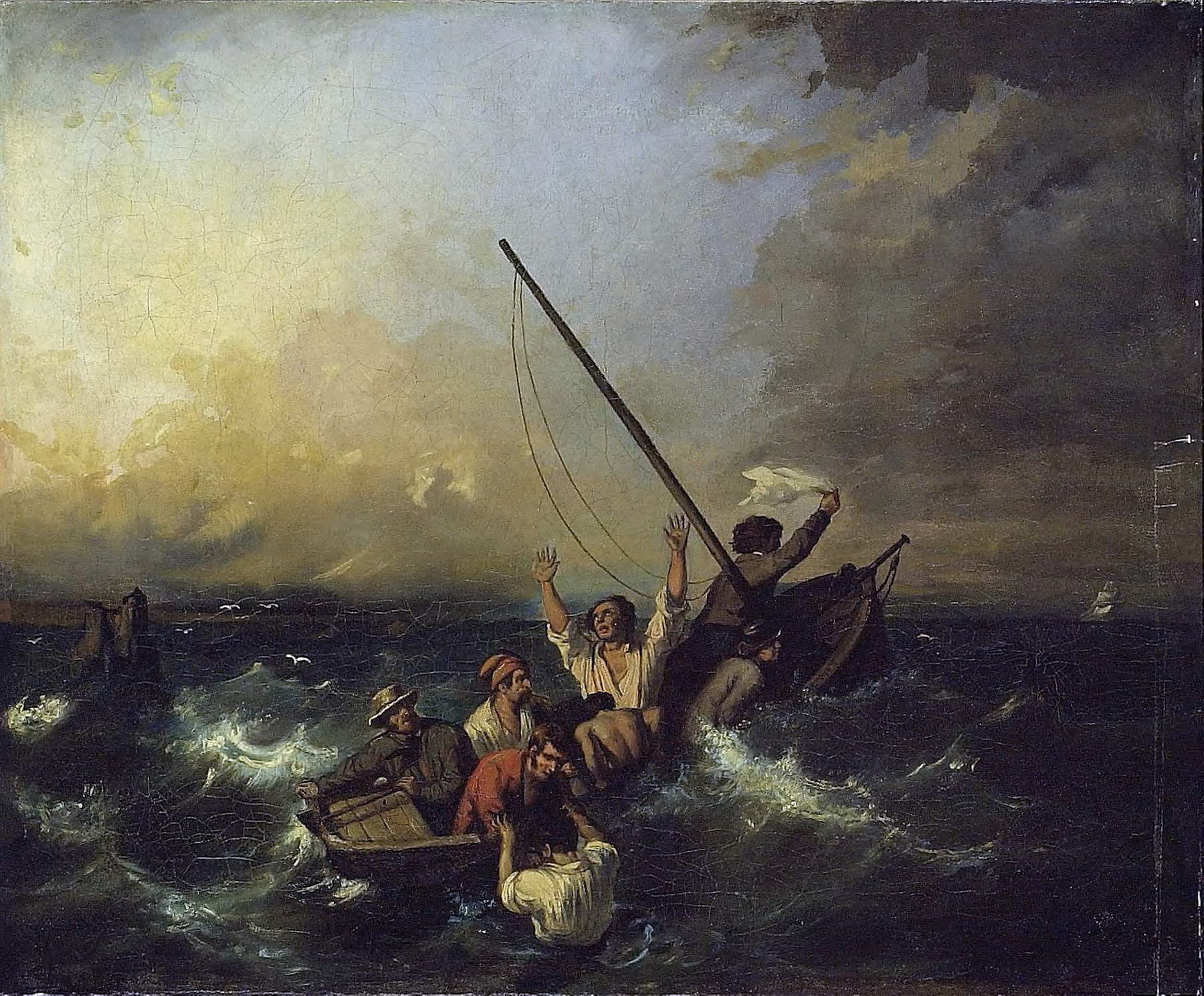
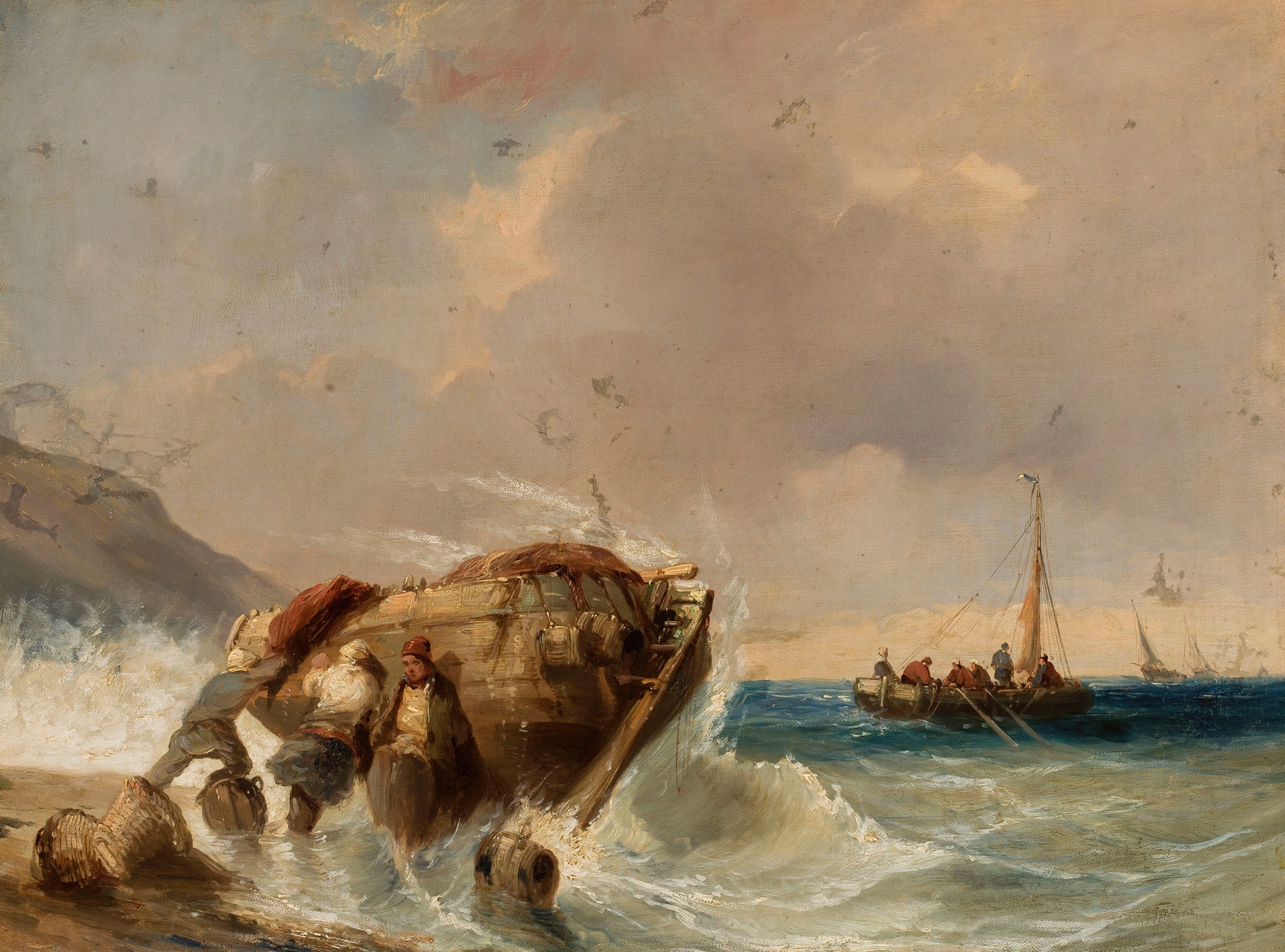
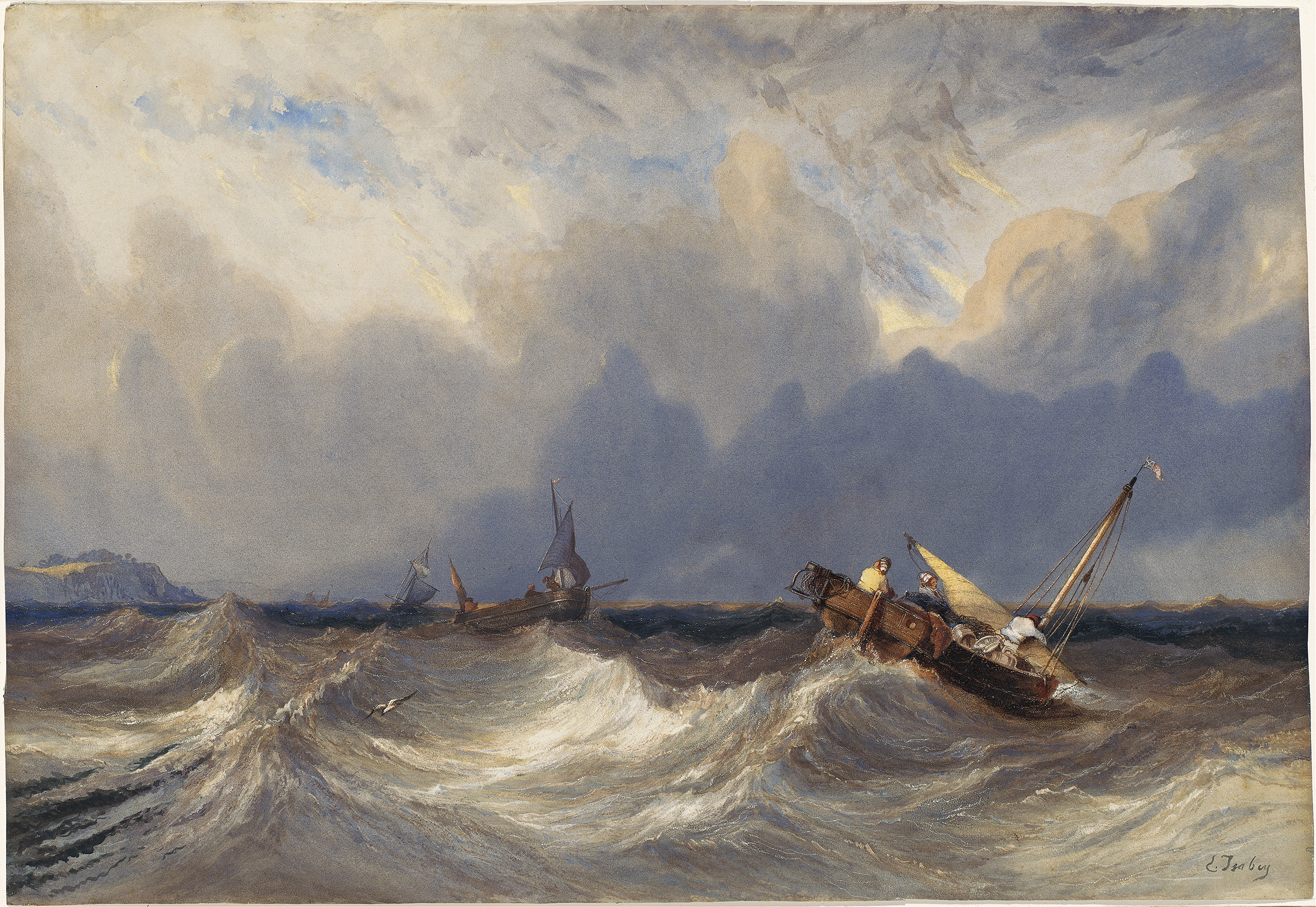
“Every brushstroke is a heartbeat remembered.” In the cadence of a seascape, movement pulses through the air like a whisper of ocean breeze, reminding us of the fluidity of time and nature. Look to the left at the jagged cliffs rising majestically from the sea, their textures sculpted with a delicate touch that invites the eye to wander. The soft interplay of vibrant blues and muted earth tones enchants, with brushstrokes that dance across the canvas, evoking the thrill of crashing waves. Notice how the clouds swirl above, their forms echoing the tumult below, orchestrating a symphony of motion that captivates the viewer's gaze.
Isabey masterfully contrasts the sturdy cliffs with the ephemeral nature of the water, creating an emotional tension between permanence and transience. The flashes of sunlight breaking through the clouds cast a shimmering light on the sea, reflective of both hope and nostalgia. Each ripple of water tells a story of change, while the steadfast cliffs stand as silent witnesses to everything that has passed.
In 1860, Isabey painted this work amidst a period of personal turmoil and artistic exploration in France. As a prominent figure in the Romantic movement, he sought to capture the sublime beauty of nature while navigating the evolving landscape of art. This painting emerged during a time when the French art world was beginning to embrace new techniques and themes, positioning the artist at the forefront of a transforming aesthetic.