
View of Spišská Nová Ves — History & Facts
Could beauty survive in a century of chaos? In View of Spišská Nová Ves, the quiet resonance of a landscape hints at resilience amid turmoil, inviting contemplation of the fragile relationship between nature and human uncertainty. Focus first on the gentle undulations of the rolling hills, their depths awash in a palette of muted greens and browns, while the distant mountains loom with an imposing serenity. Notice how the painter captures the play of light across the scene—the early morning sun imbues the landscape with a soft glow, evoking a sense of peace despite the shadows cast by the towering peaks. The composition draws the eye toward the quaint village nestled at the foot of the mountains, a juxtaposition of human presence against the grandeur of nature. Beneath this tranquil exterior lies a poignant tension.
The seemingly idyllic village, while picturesque, suggests the fragility of human endeavor against the vastness of the natural world, hinting at life's transience. The scattered clouds overhead evoke a sense of melancholy, reminding viewers that beauty is often tinged with sorrow. In this work, Čordák captures a moment suspended in time, where the calm before the storm offers both serenity and an underlying sense of unease. Painted between 1900 and 1920, the artist found inspiration in a region marked by both cultural transformation and political strife.
Living in Slovakia during the tumultuous years surrounding World War I, he was part of a broader artistic movement that sought to document the landscapes and the emotional landscape of the time. This work reflects both a deep connection to his homeland and a response to the chaos that threatened to overshadow it.
More Artworks by Ľudovít Čordák
Browse all →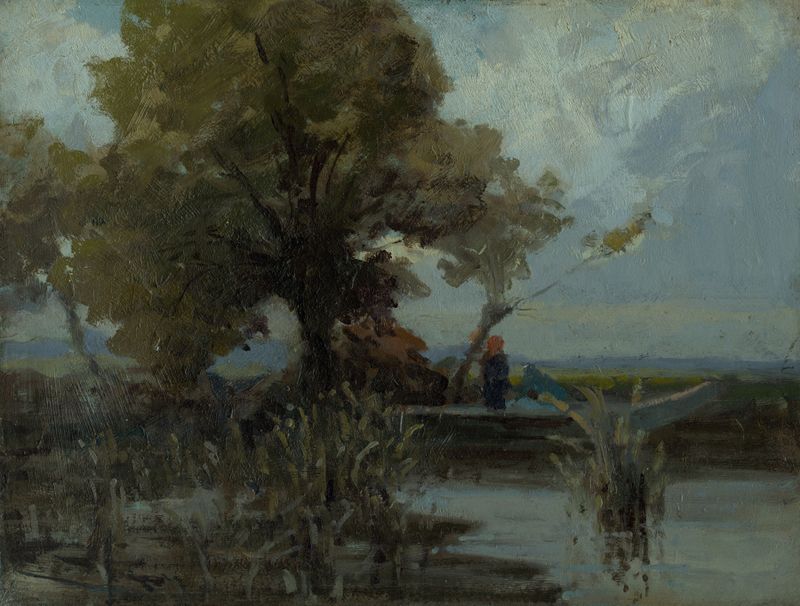
Košatý strom pri jazere
Ľudovít Čordák
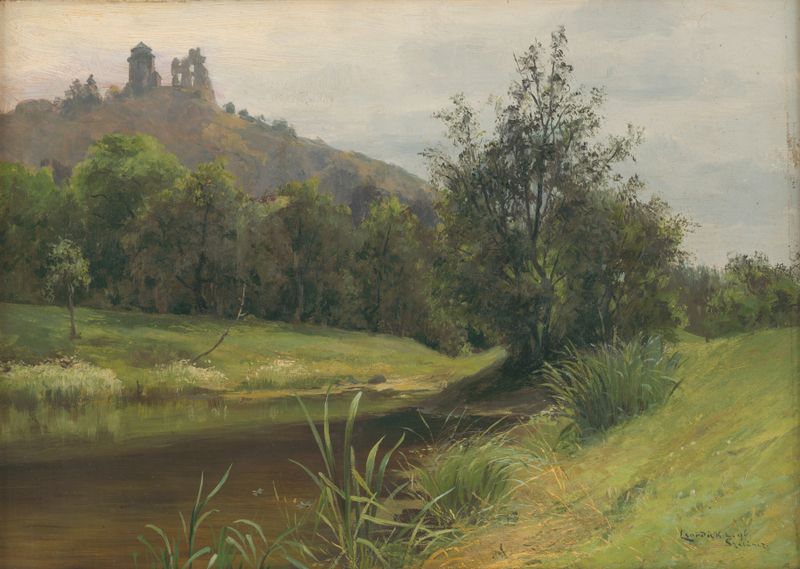
Močarina pod Slaneckým hradom
Ľudovít Čordák
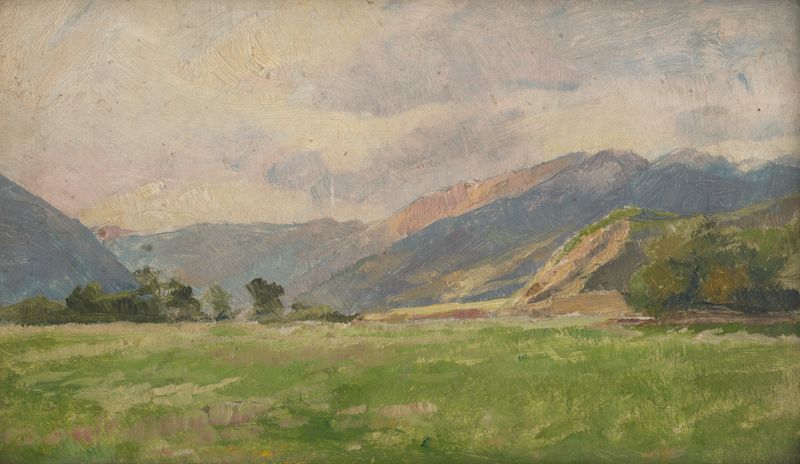
Mountain Meadow
Ľudovít Čordák
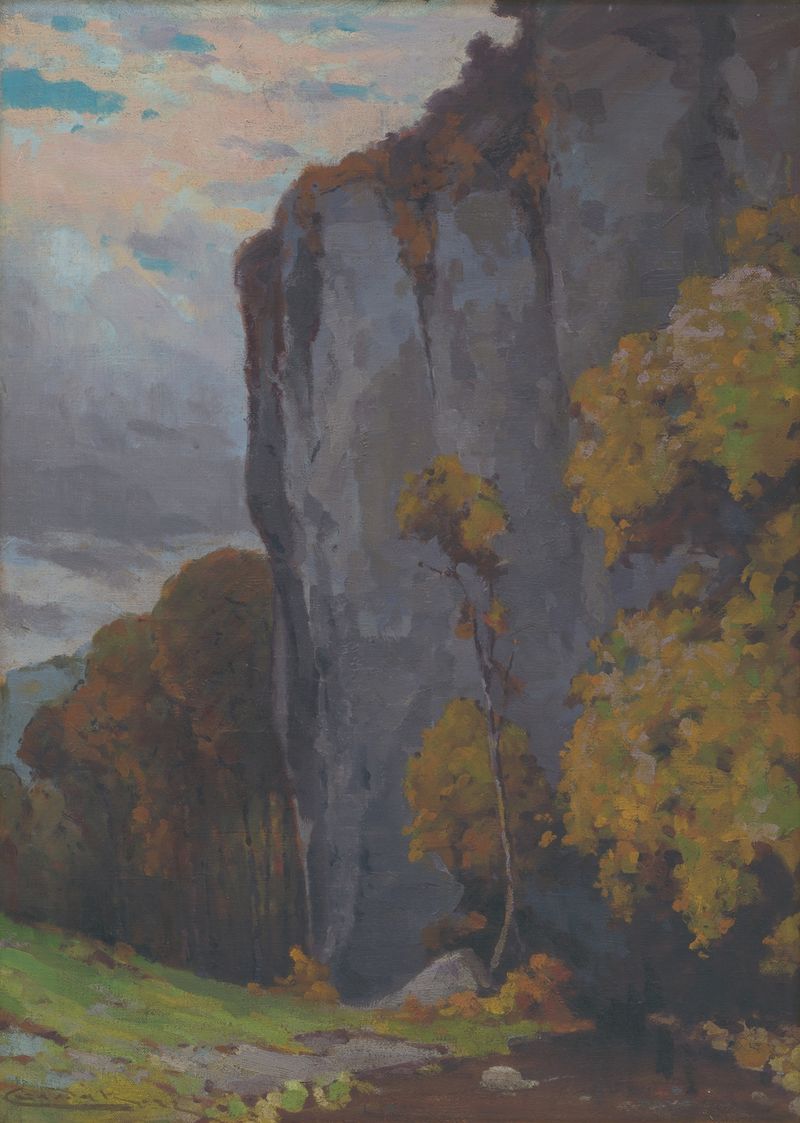
Zádiel
Ľudovít Čordák
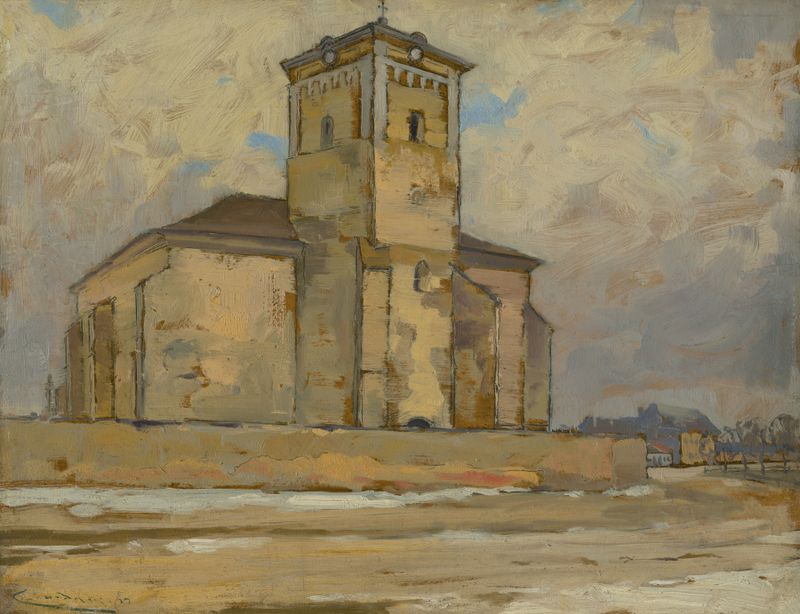
Church in Moldova
Ľudovít Čordák
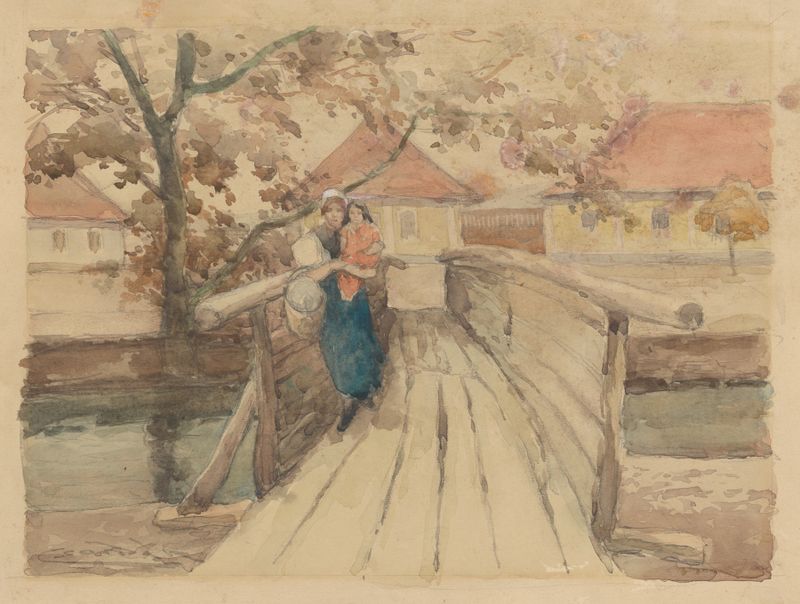
Wooden bridge
Ľudovít Čordák
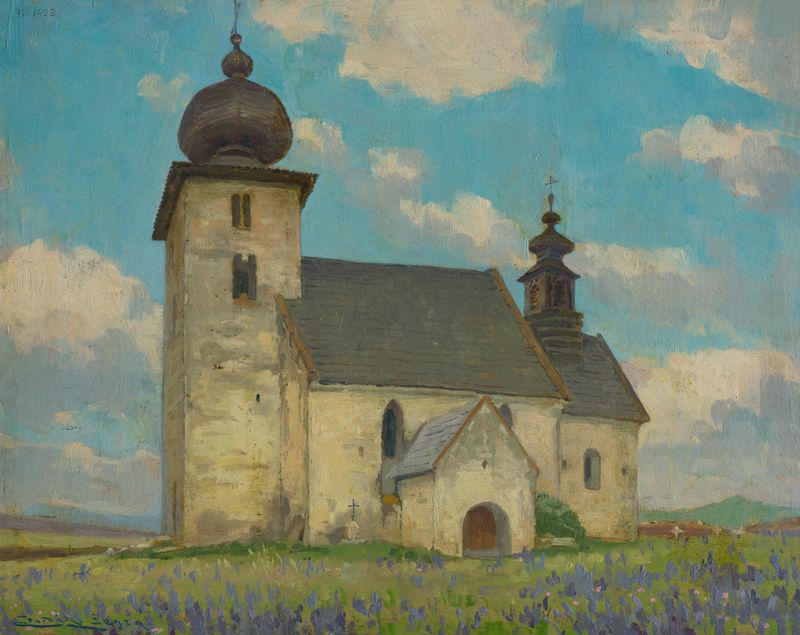
Gothic church in Žehra
Ľudovít Čordák
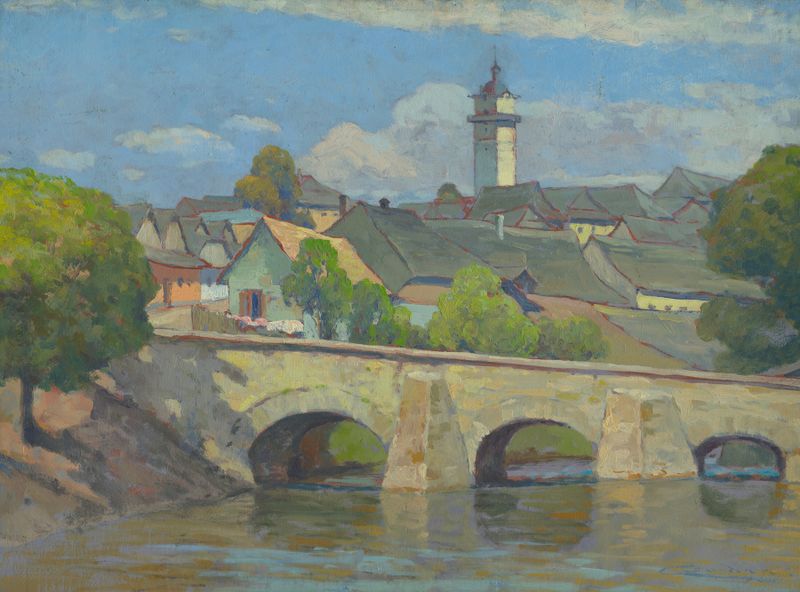
A small town in Spiš
Ľudovít Čordák
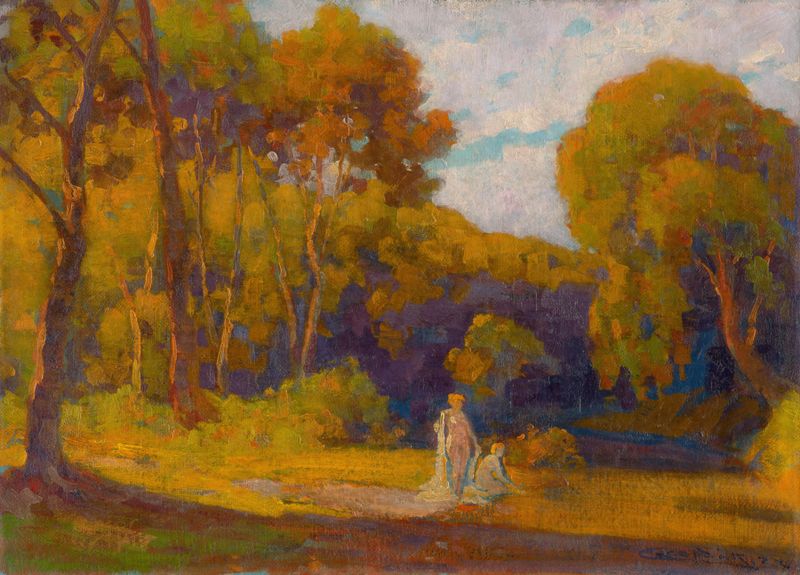
At Sunset
Ľudovít Čordák
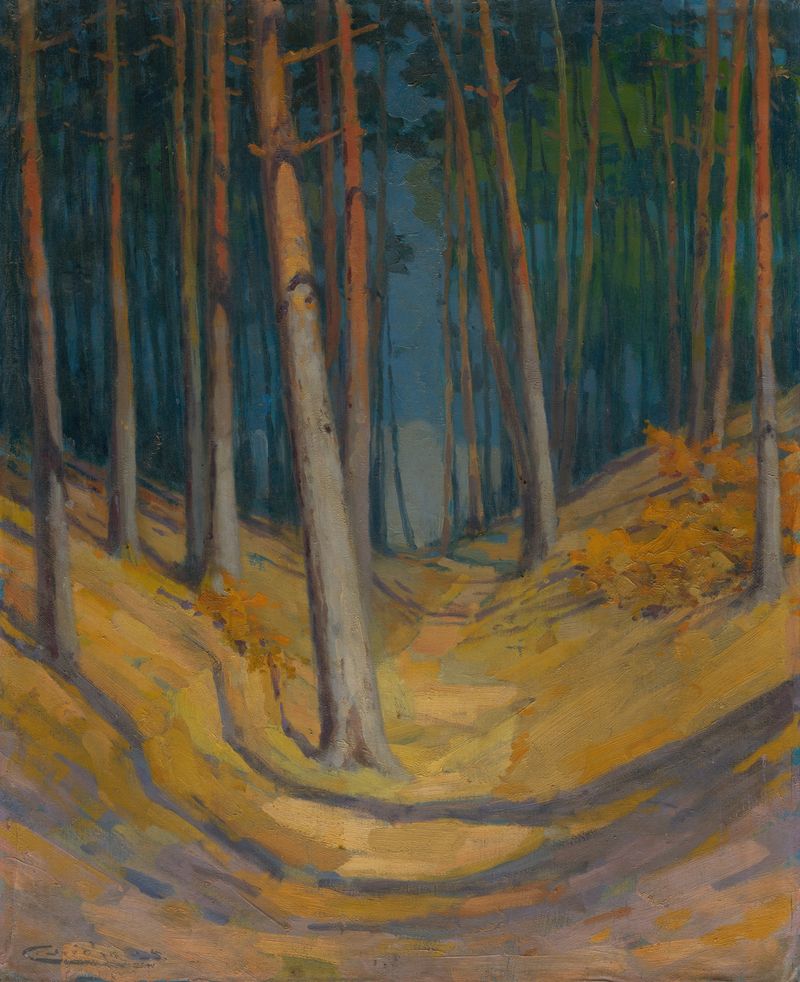
Forest
Ľudovít Čordák





