Village Motif — History & Facts
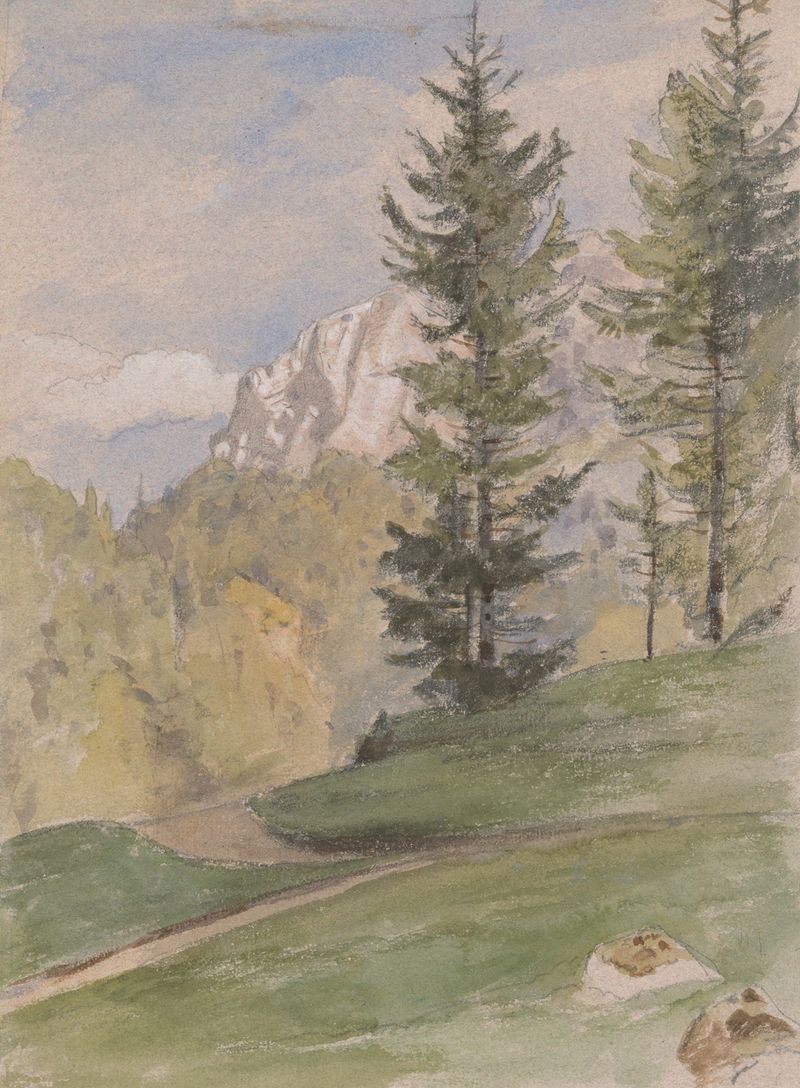
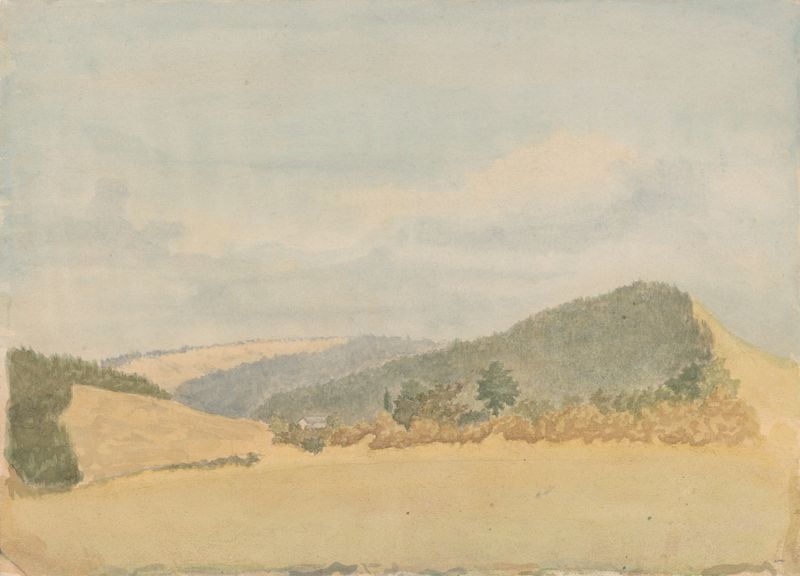
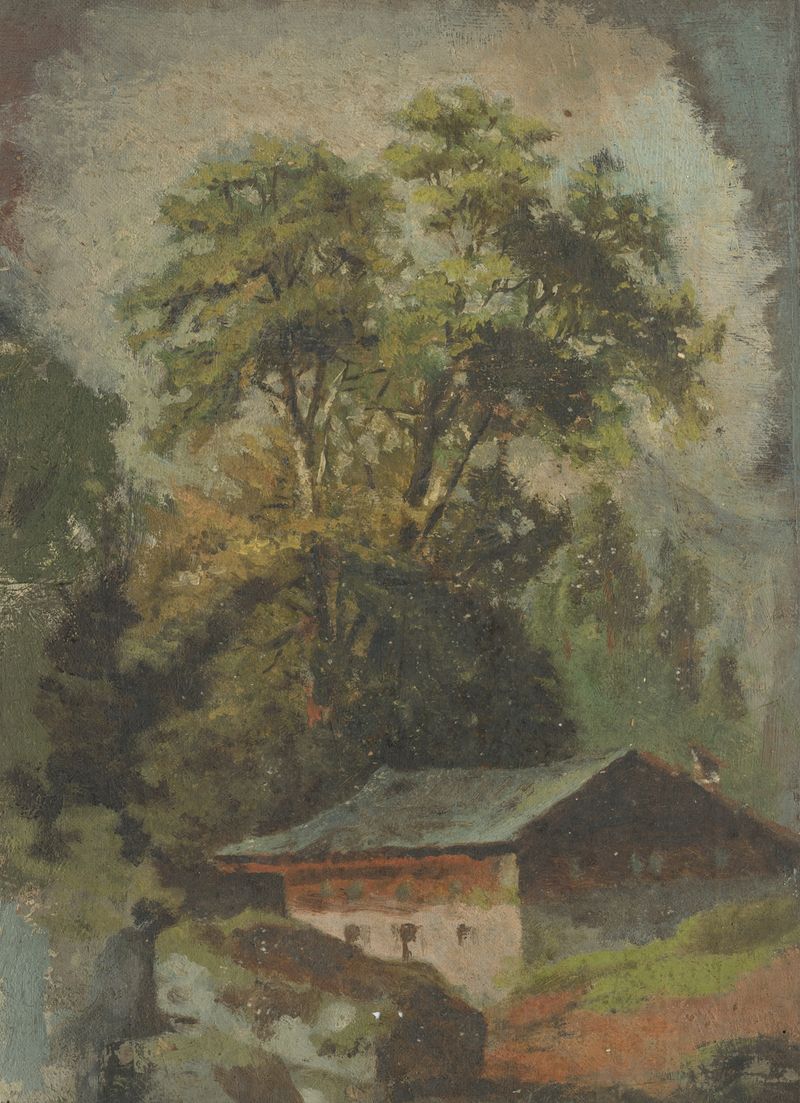
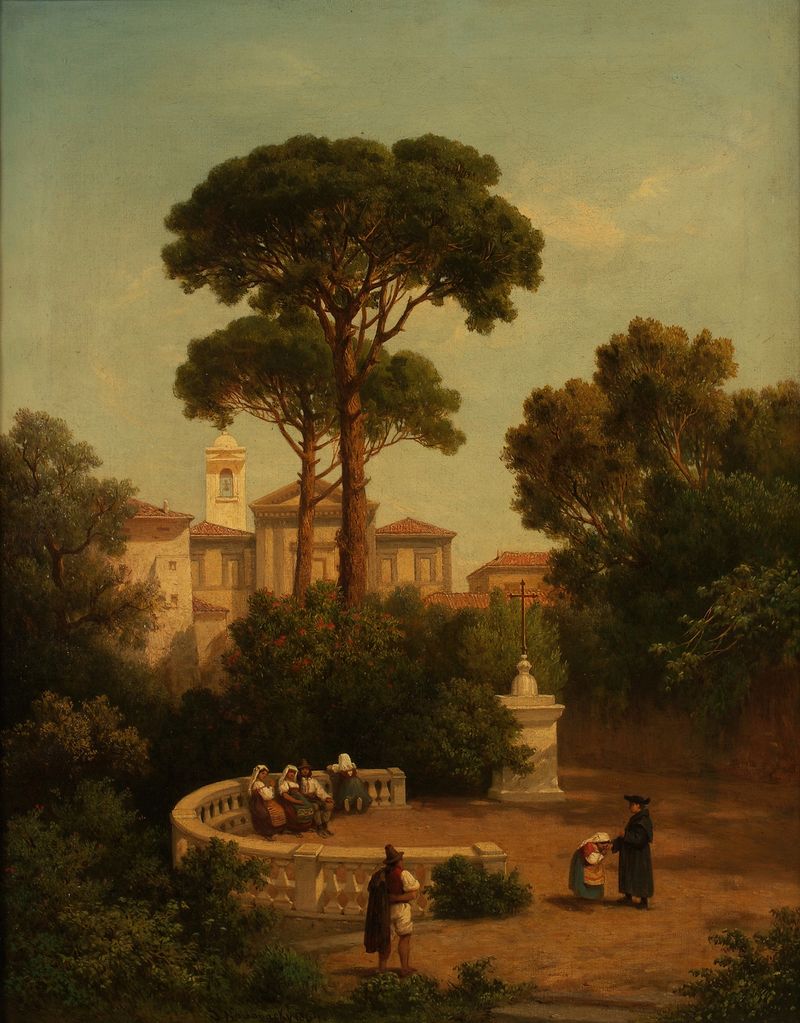
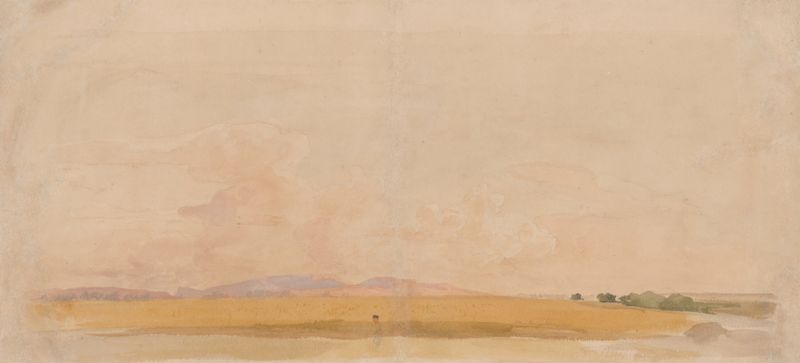
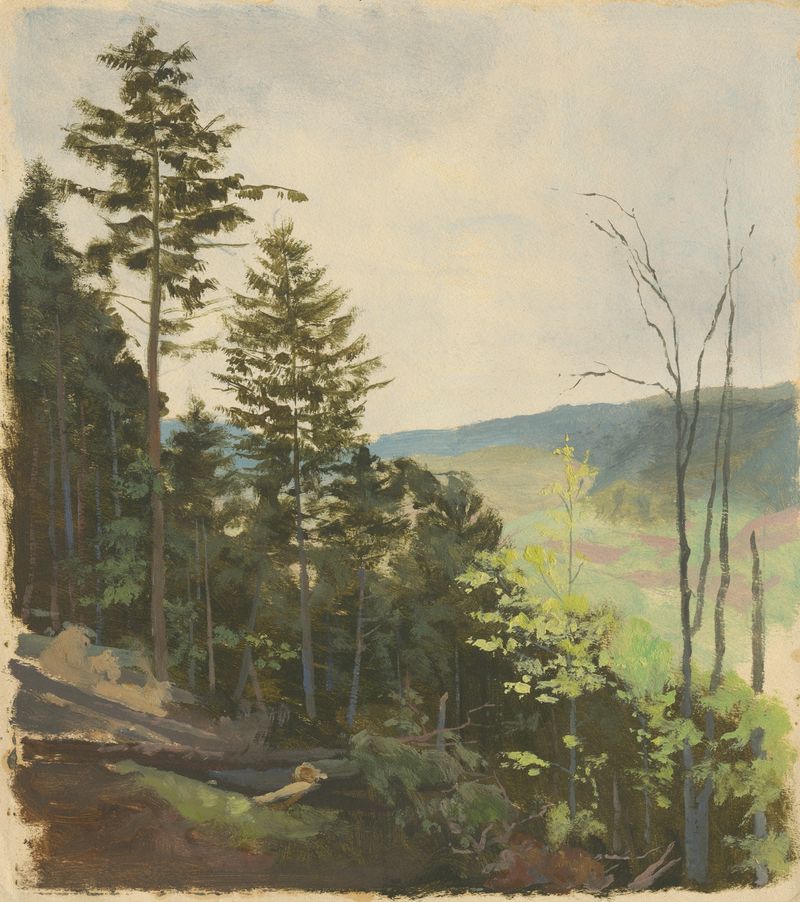
In that silent space, a transformation unfolds, inviting us to explore the intricacies of life hidden within the brushstrokes. Each color is a whisper, each form a heartbeat, intermingling to tell stories that dance just beyond our grasp. Look to the center of the composition where the vibrant hues converge, embodying a quaint village in all its simplicity and richness. The warm oranges and earthy browns evoke a sense of familiarity and comfort, while the cool blues and greens suggest a deeper connection to nature.
Notice how the artist balances these colors, guiding your gaze across the canvas and imbuing the scene with a gentle rhythm. The tight brushwork creates texture, hinting at the stories etched into the walls and paths of the depicted village, allowing each stroke to resonate with the viewer’s own memories. As you delve deeper, subtle contrasts emerge. The juxtaposition of vibrant life against areas of shadow suggests a duality — the joy of community intertwined with the quiet solitude of introspection.
Look closely at the figures: their expressions reflect a tranquil existence, yet their positioning hints at an ongoing transformation, one that invites contemplation of what it means to belong and evolve within a landscape filled with history. These small details whisper of resilience and the quiet strength found in the routine of daily life. Jan Nowopacký painted this work during a time of personal exploration and growth. Although the exact date remains uncertain, it is evident that the artist was influenced by the burgeoning interest in capturing the essence of everyday scenes during the late 19th to early 20th century.
Amidst a rapidly changing world, his brush sought to immortalize the simplicity of rural life, allowing viewers to connect with their own narratives while reflecting on the transformation that time inevitably brings.