Village Street in Ehringsdorf near Weimar — History & Analysis
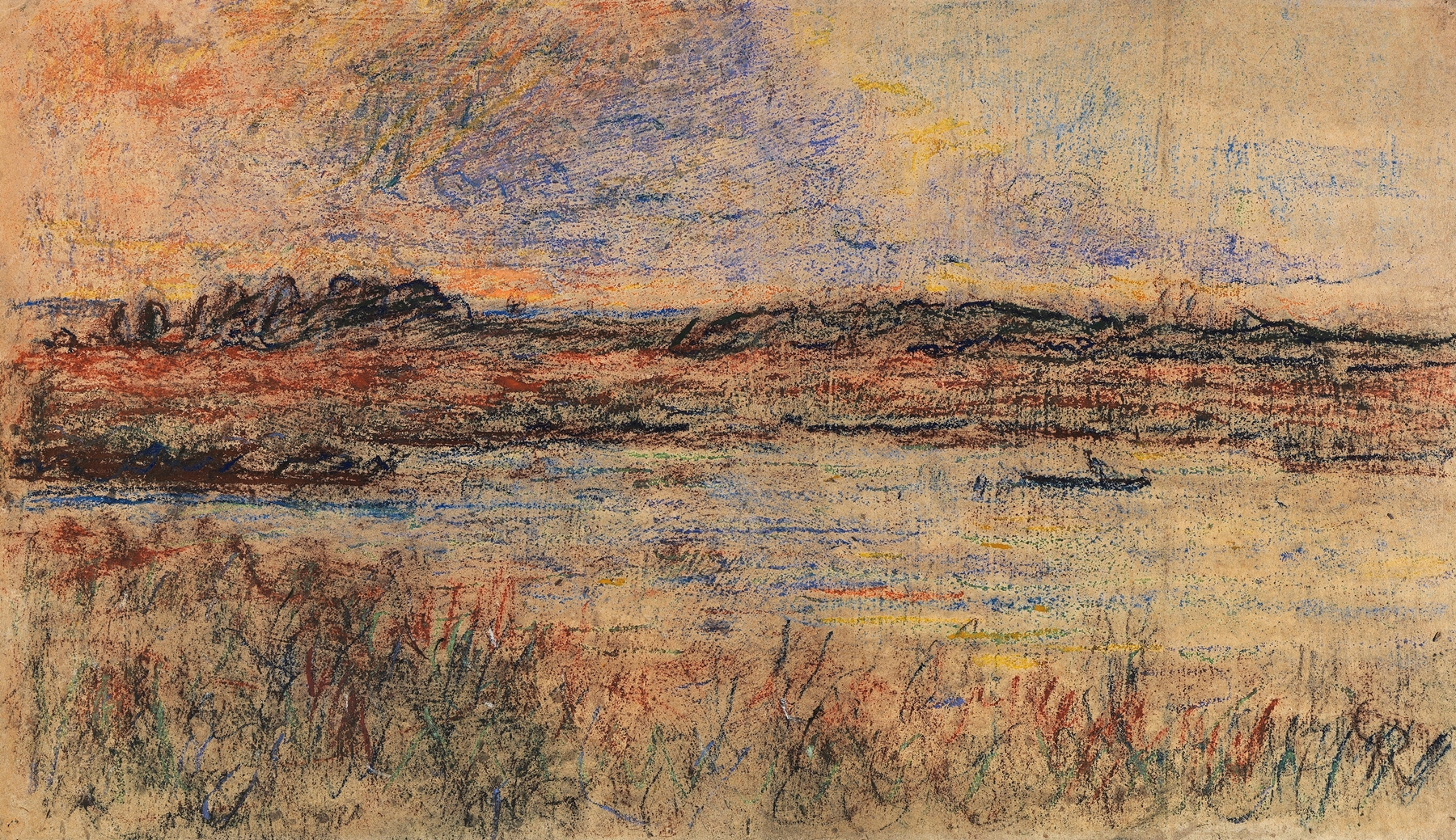
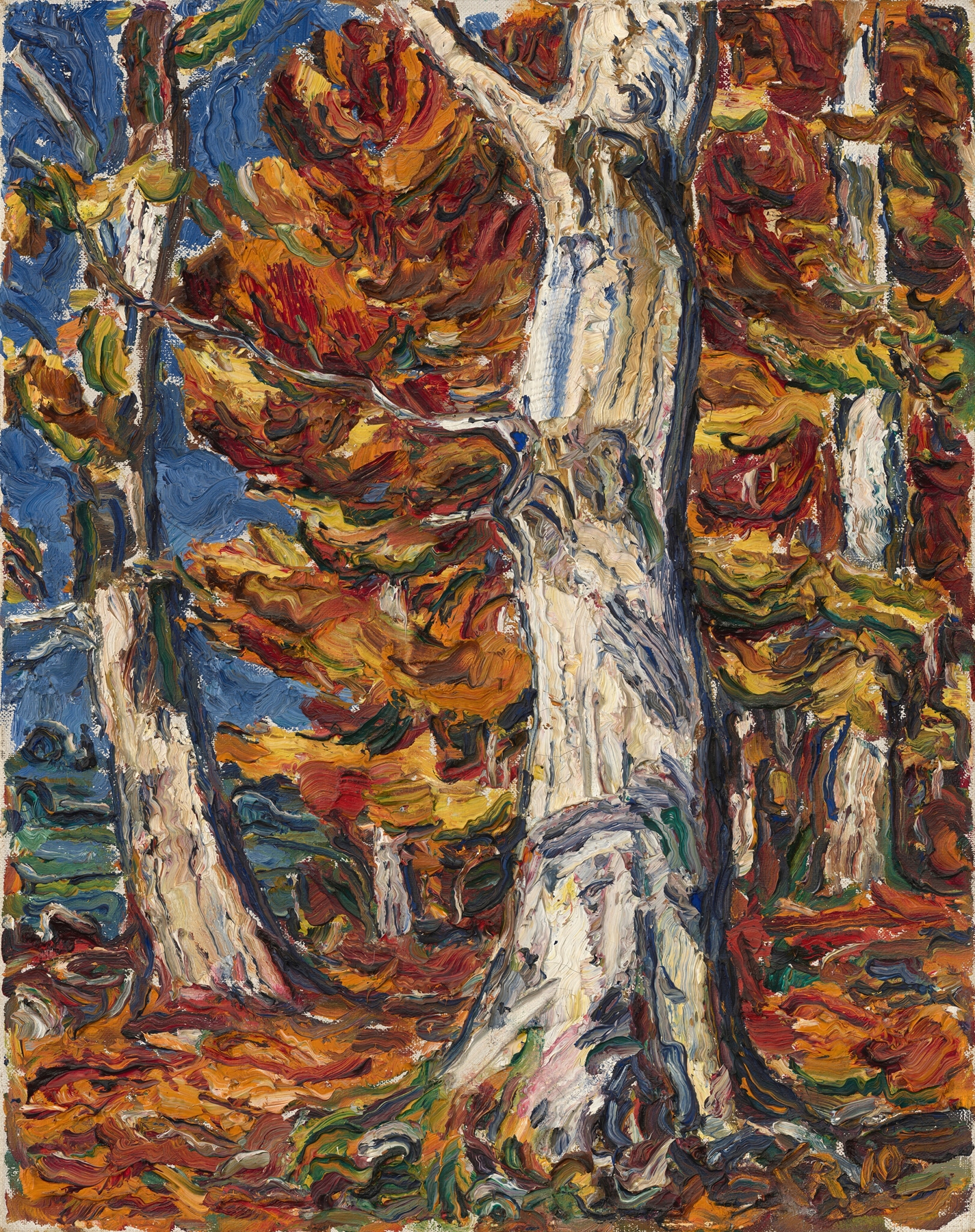
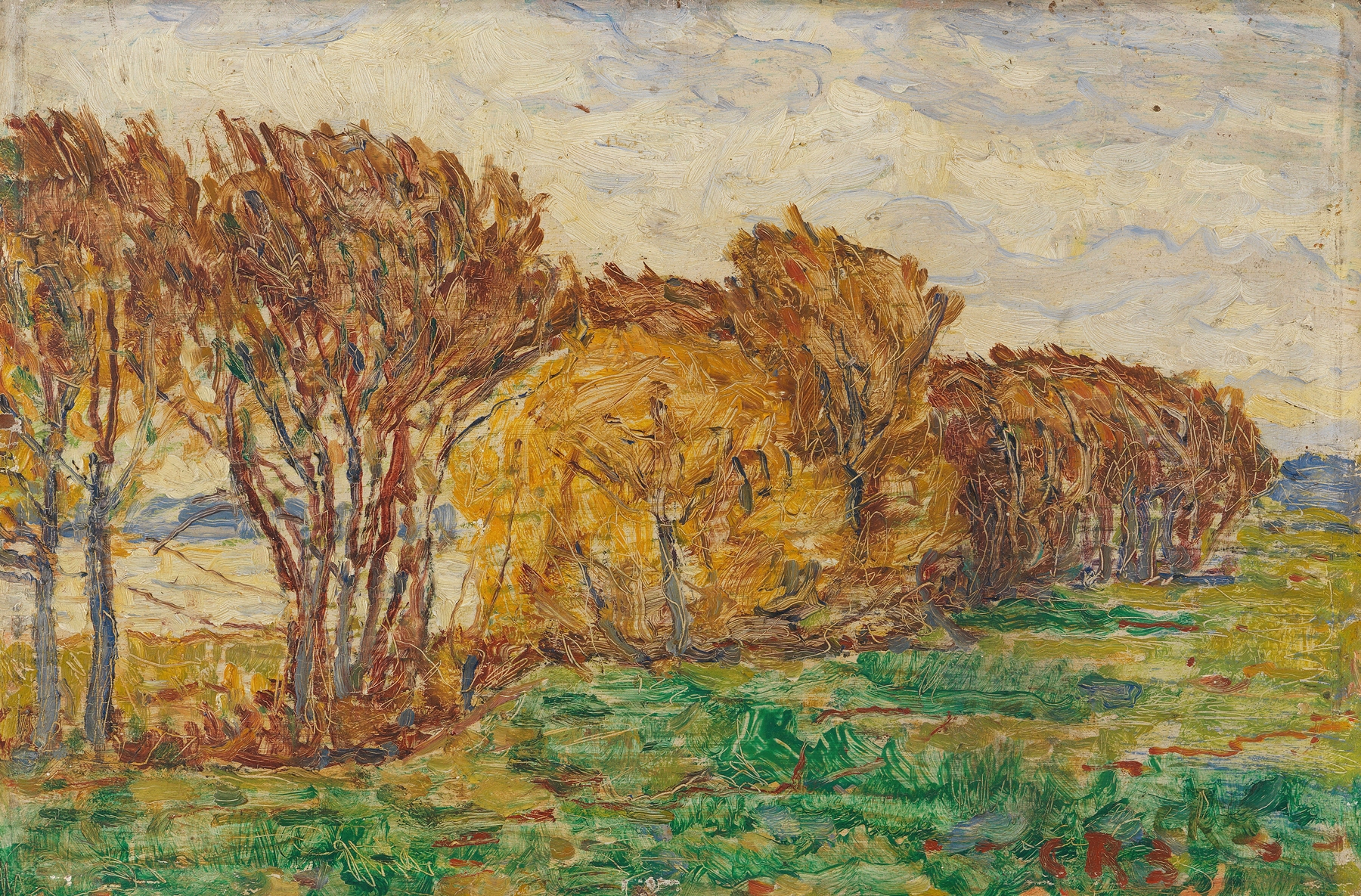
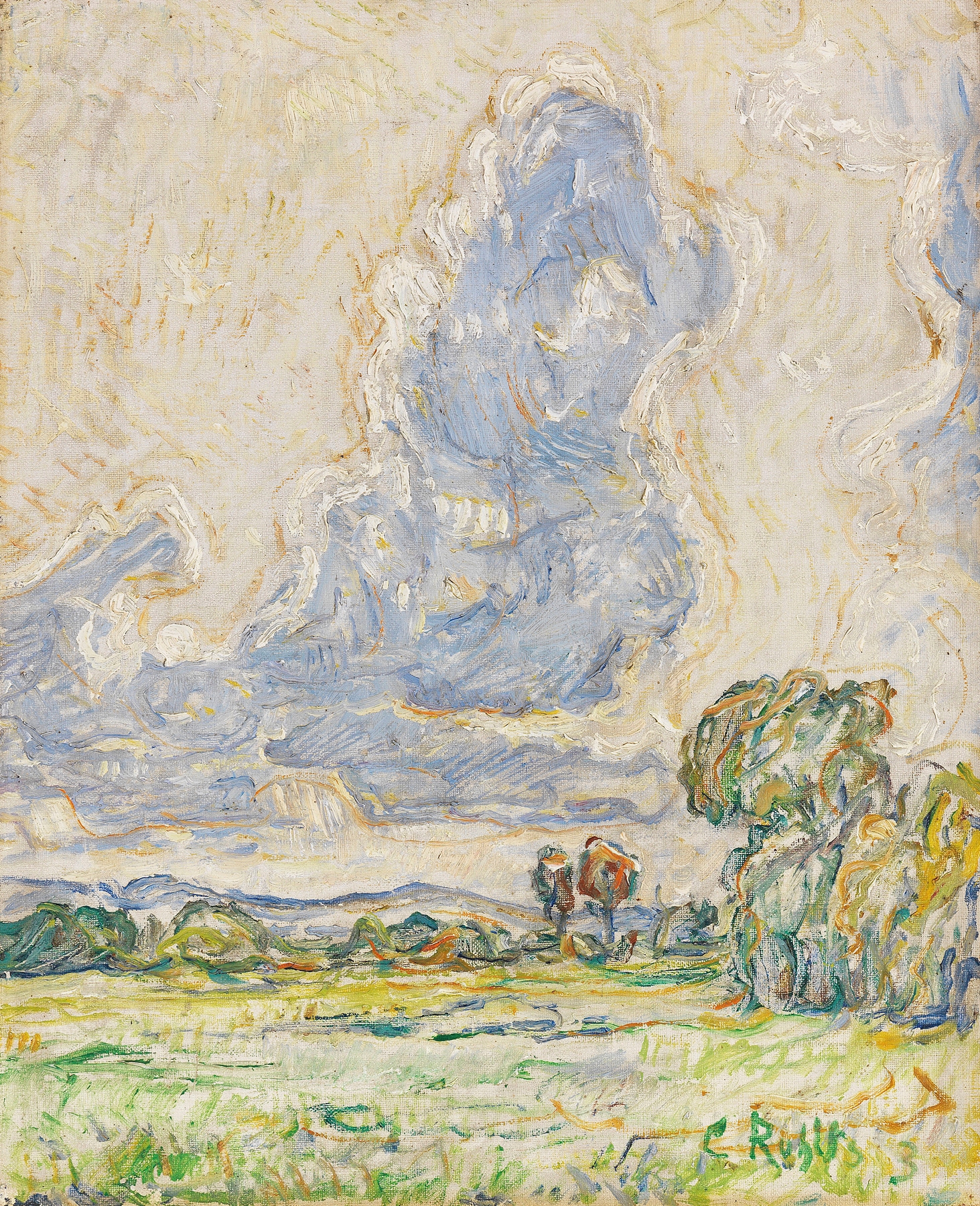
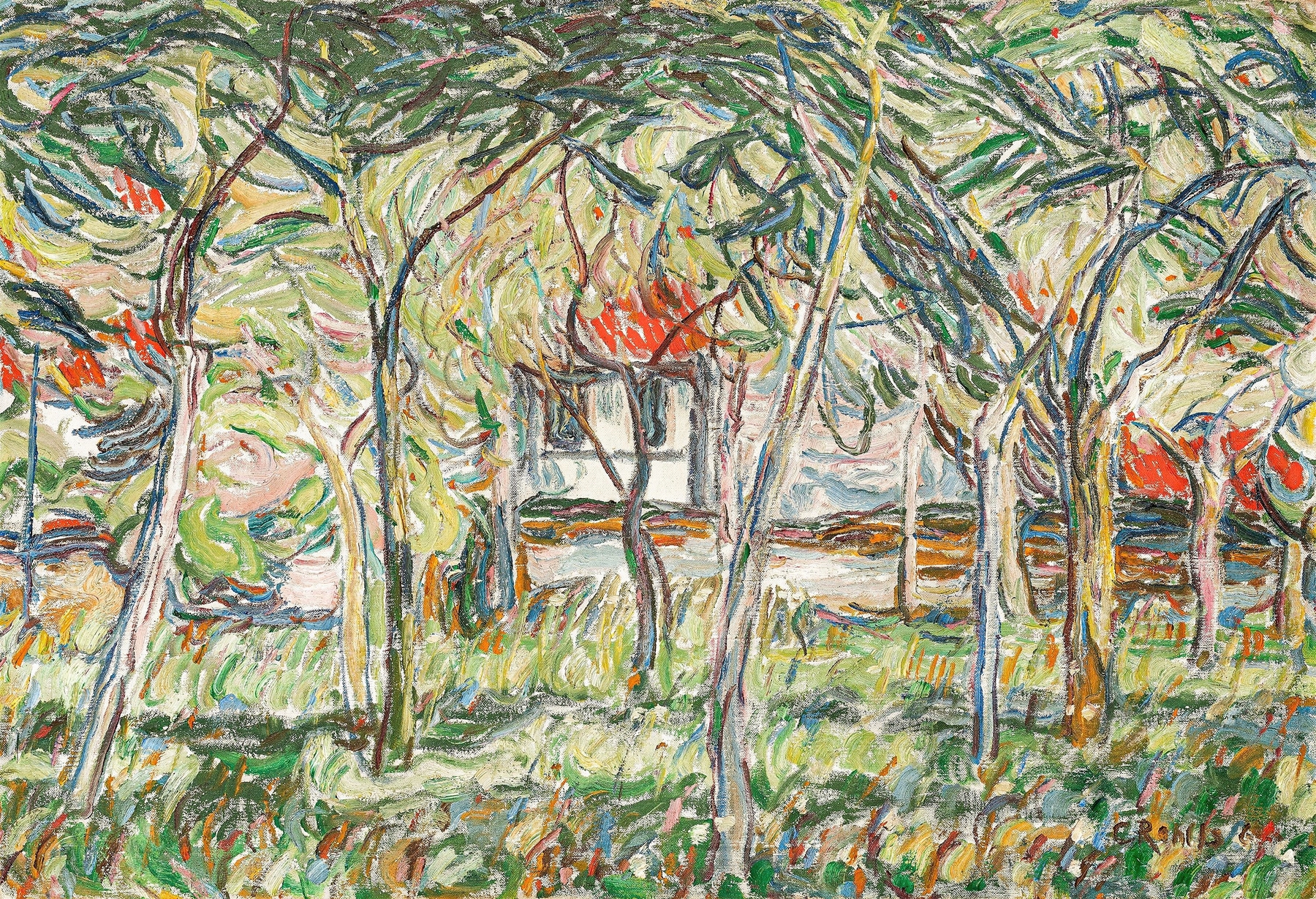
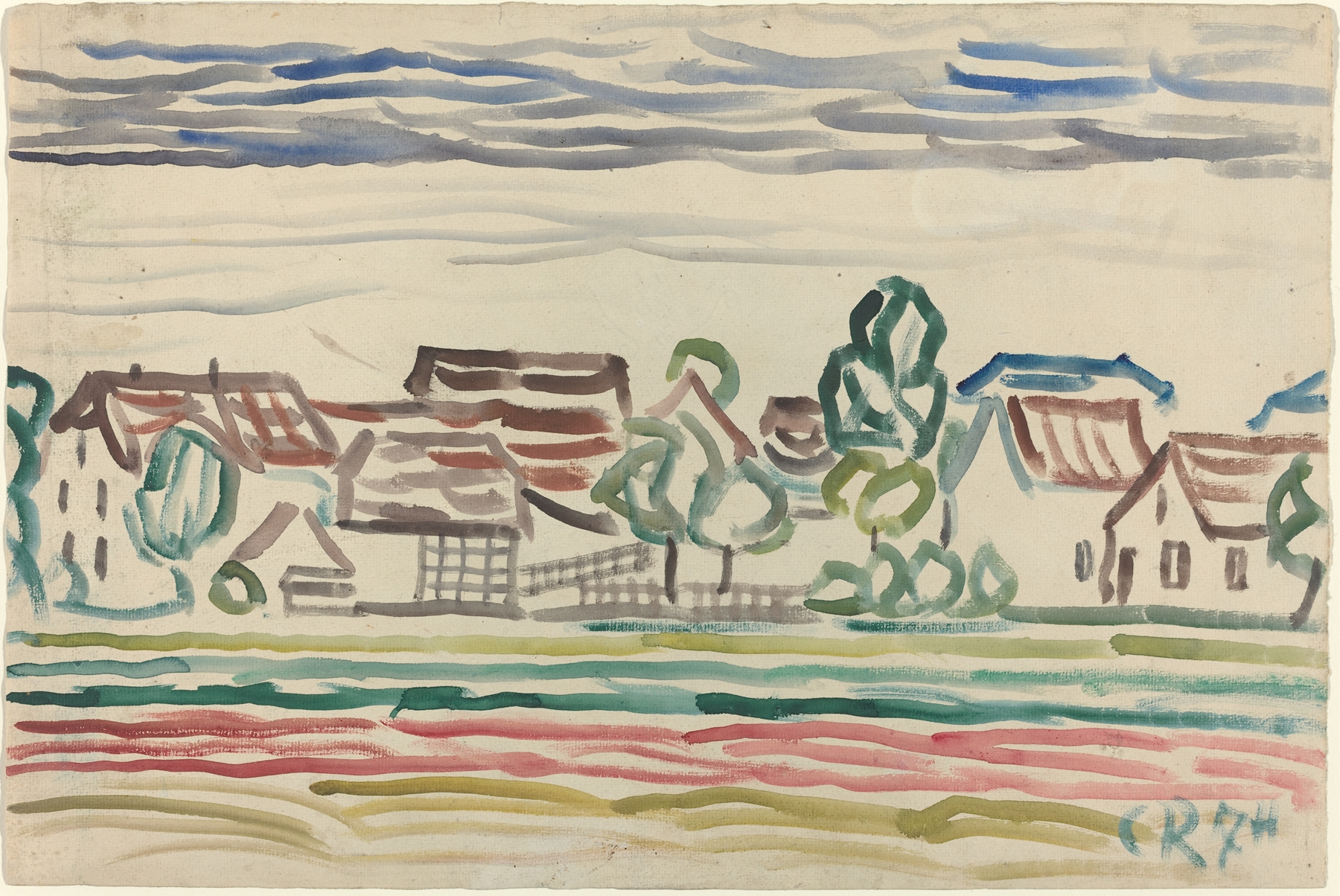
Where does light end, and longing begin? In this poignant piece, the boundaries between past and present dissolve, inviting contemplation of both time and place. Look to the left at the soft, muted hues of the trees lining the village street, their shadows stretching with the hint of evening light. The delicate brushwork creates a sense of movement, as if the scene itself breathes with the weight of history.
Focus on the warm glow of the cottages, their simple forms yet rich with the essence of home, grounding the viewer in a moment both serene and nostalgic. Within the composition lies a subtle dance of contrasts: the vibrancy of nature juxtaposed against the stillness of the man-made structures. The winding path beckons, suggesting journeys taken and untold stories, while the interplay of light and shadow evokes an aching sense of memory. The viewer is drawn into reflections of time—how it flows and how it imprints itself upon the landscape, echoing the fleeting nature of human experience.
In 1893, Christian Rohlfs was immersed in the vibrant art scene of Germany, contributing to the burgeoning Expressionist movement. Living in Weimar, he drew inspiration from the natural world around him, seeking to capture the emotional resonance of everyday life. This painting reflects his innovative approach to color and form, marking a significant moment in his artistic development.