
Virgin with the Sleeping Child on a Parapet — History & Facts
No one knows for certain for whom Virgin with the Sleeping Child on a Parapet was painted, but its date—1472—places it at a turning point in Giovanni Bellini’s early career, when Venice was just beginning to embrace the new language of Renaissance painting. The painting is also notable for its intimacy: rather than enthroning the Madonna in majesty, Bellini brings her close, almost at the viewer’s reach, behind a stone ledge that seems to separate sacred space from our own. This sense of immediacy is rare in Marian images of the time, prompting later viewers to wonder if it was made for private devotion rather than a public altar. At the heart of the scene, the Virgin gazes down at the sleeping Christ Child, her hands gently folded in prayer.
The Child, sprawled in innocent slumber, already hints at the future sacrifice: his pose recalls the traditional depictions of Christ laid out for burial. The parapet—rendered with cool, solid stone—acts as both a barrier and a threshold, inviting contemplation. Unlike the gold backgrounds of earlier icons, Bellini sets his figures against a soft, atmospheric landscape, a hallmark of the Venetian Renaissance.
This approach contrasts with the more formal, symbolic Madonnas of Piero della Francesca, whose figures remain distant and idealized. The painting’s early history remains obscure, as is often the case with devotional works from the late fifteenth century. Over the centuries, Virgin with the Sleeping Child on a Parapet has been attributed to several hands, but consensus now firmly credits Giovanni Bellini, recognizing hallmarks of his evolving style. Today, it is celebrated as an example of the artist’s transition from the influence of his father, Jacopo Bellini, toward his own distinct voice—a voice that would shape Venetian painting for generations.
The work’s survival and attribution are a testament to the enduring appeal of its quiet humanity.
More Artworks by Giovanni Bellini
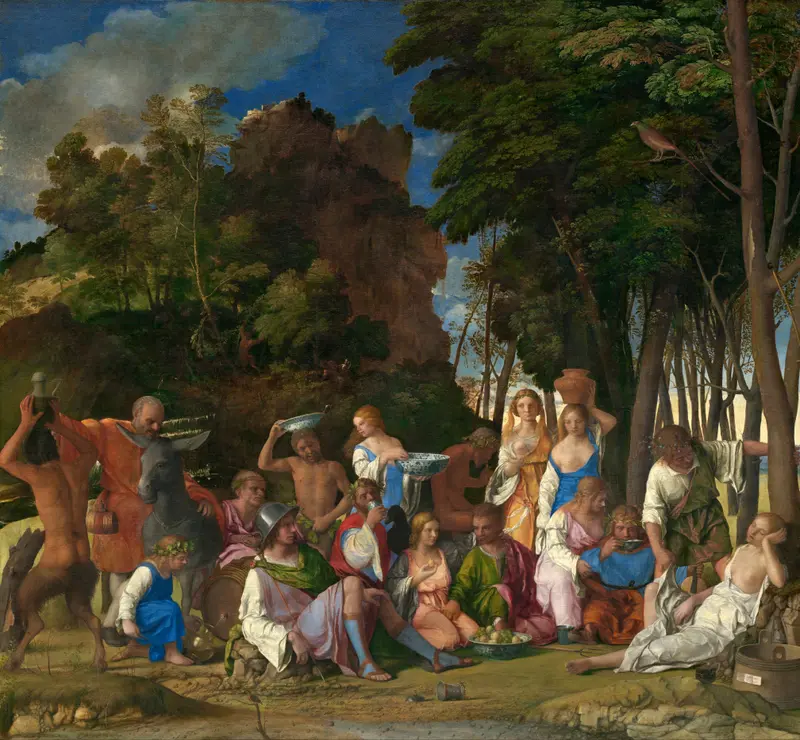
The Feast of the Gods
Giovanni Bellini

Madonna and Child enthroned with Saints and Angels
Giovanni Bellini
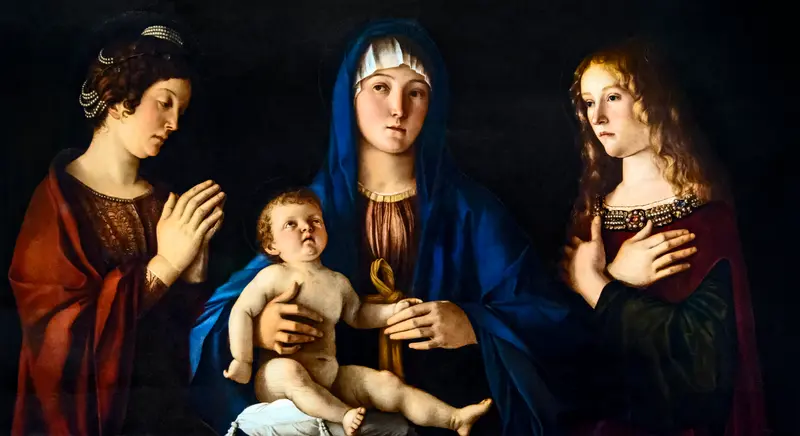
Madonna and Child between Saints Catherine and Mary Magdalene
Giovanni Bellini
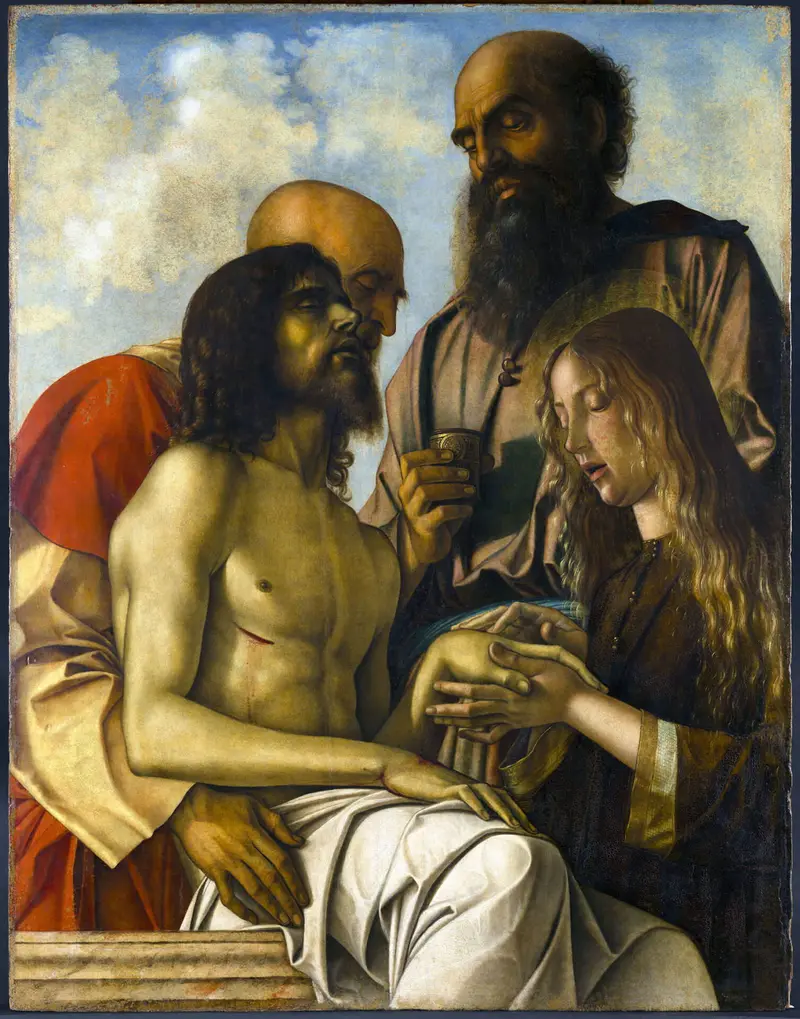
Lamentation over the Dead Christ
Giovanni Bellini
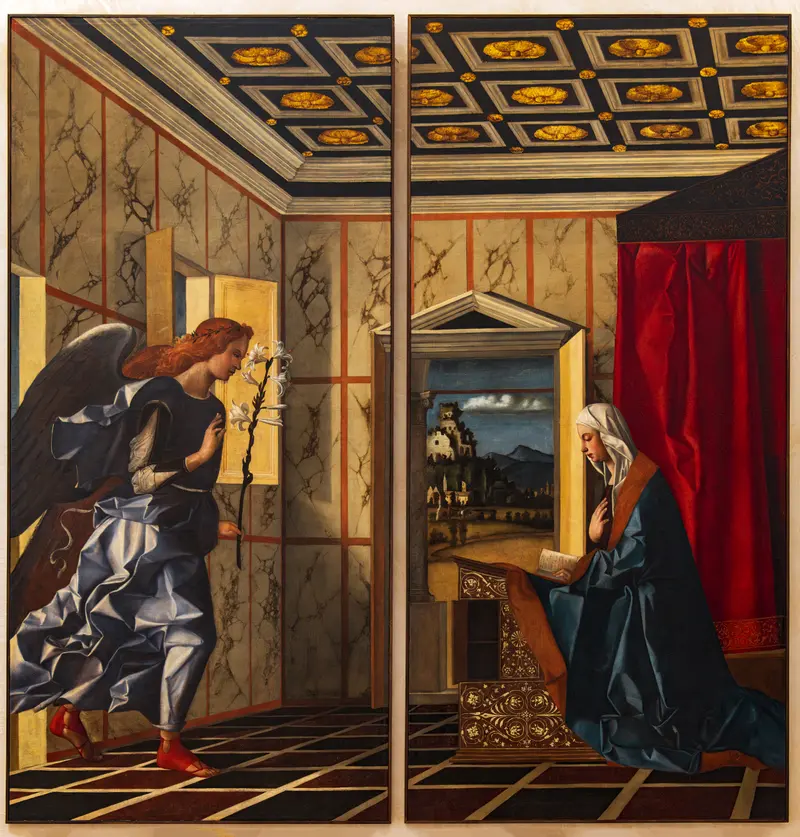
Annunciation
Giovanni Bellini
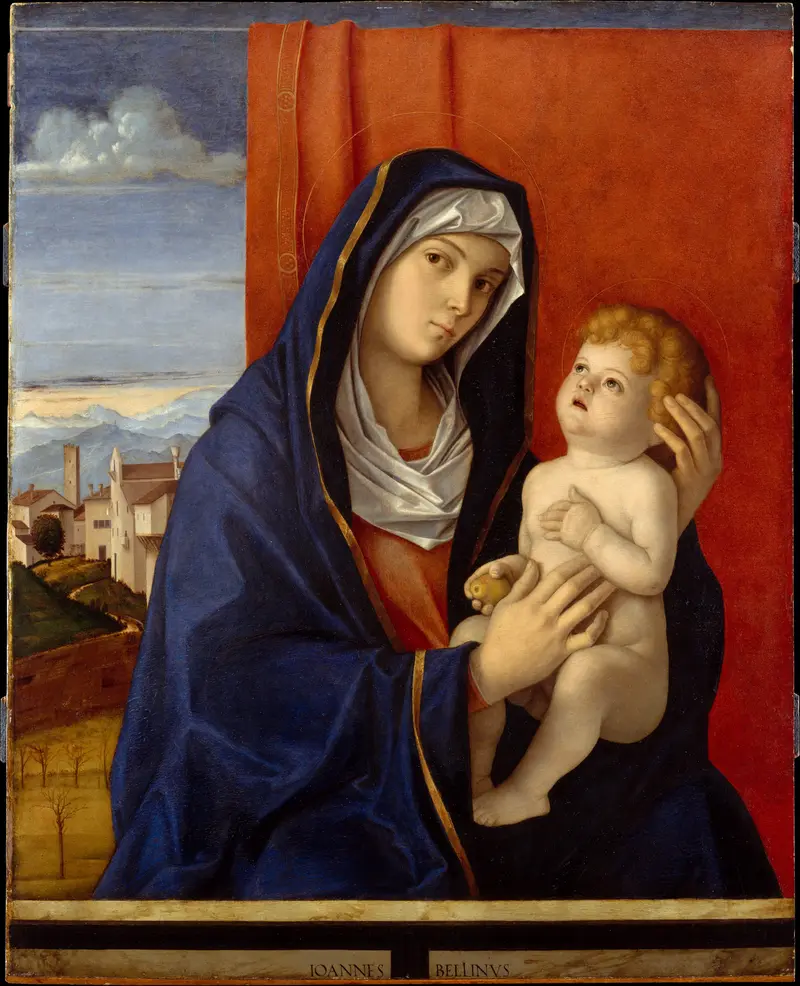
Madonna and Child
Giovanni Bellini
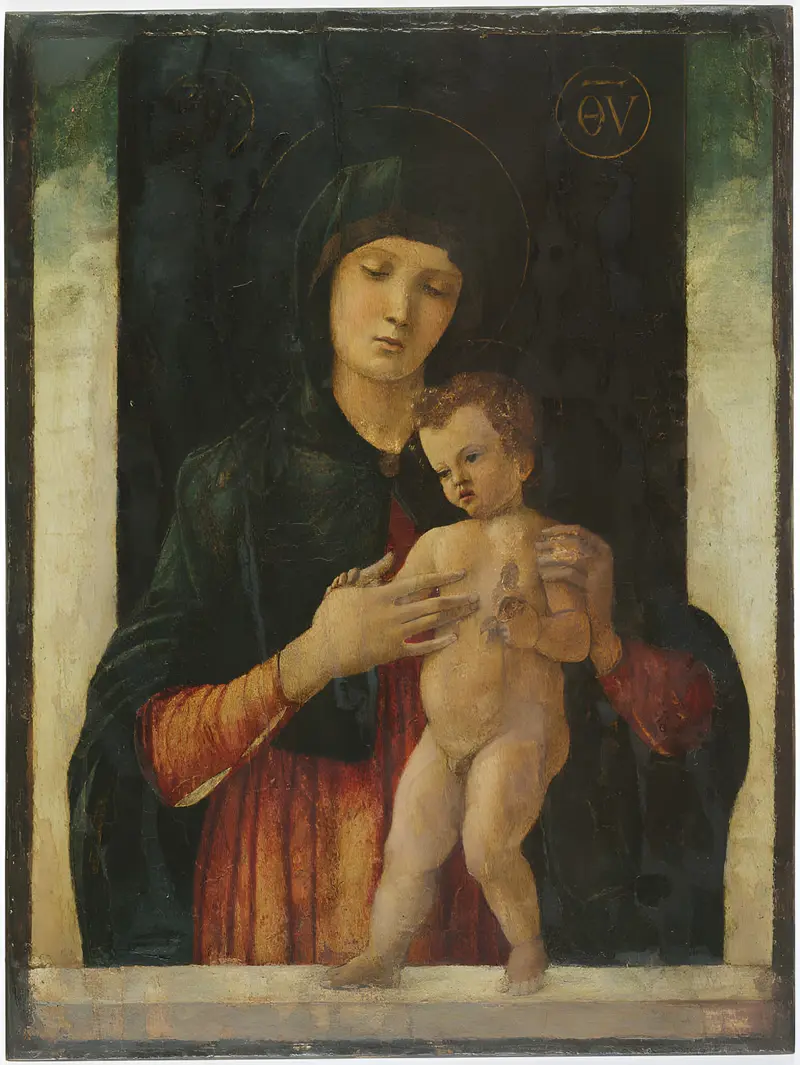
The Virgin and Child
Giovanni Bellini
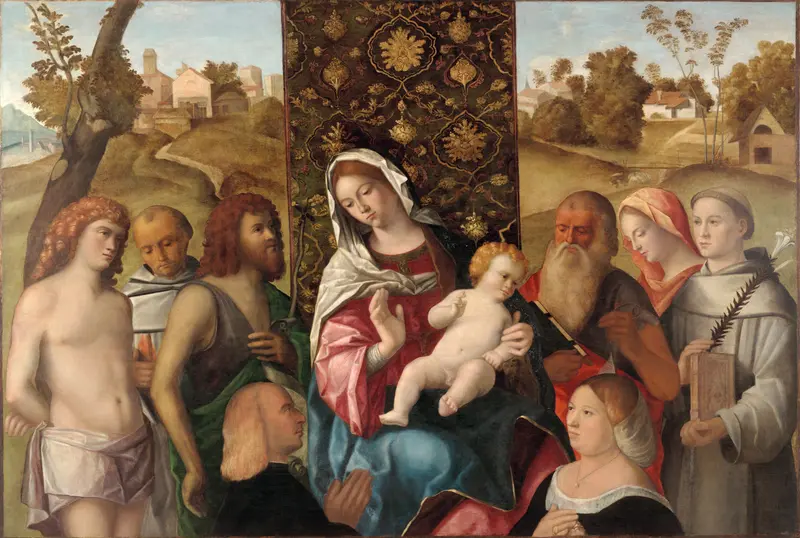
Virgin and Child with Saints Sebastian, Francis, John the Baptist, Jerome, an unidentified female saint, Saint Anthony of Padua and two donors
Giovanni Bellini
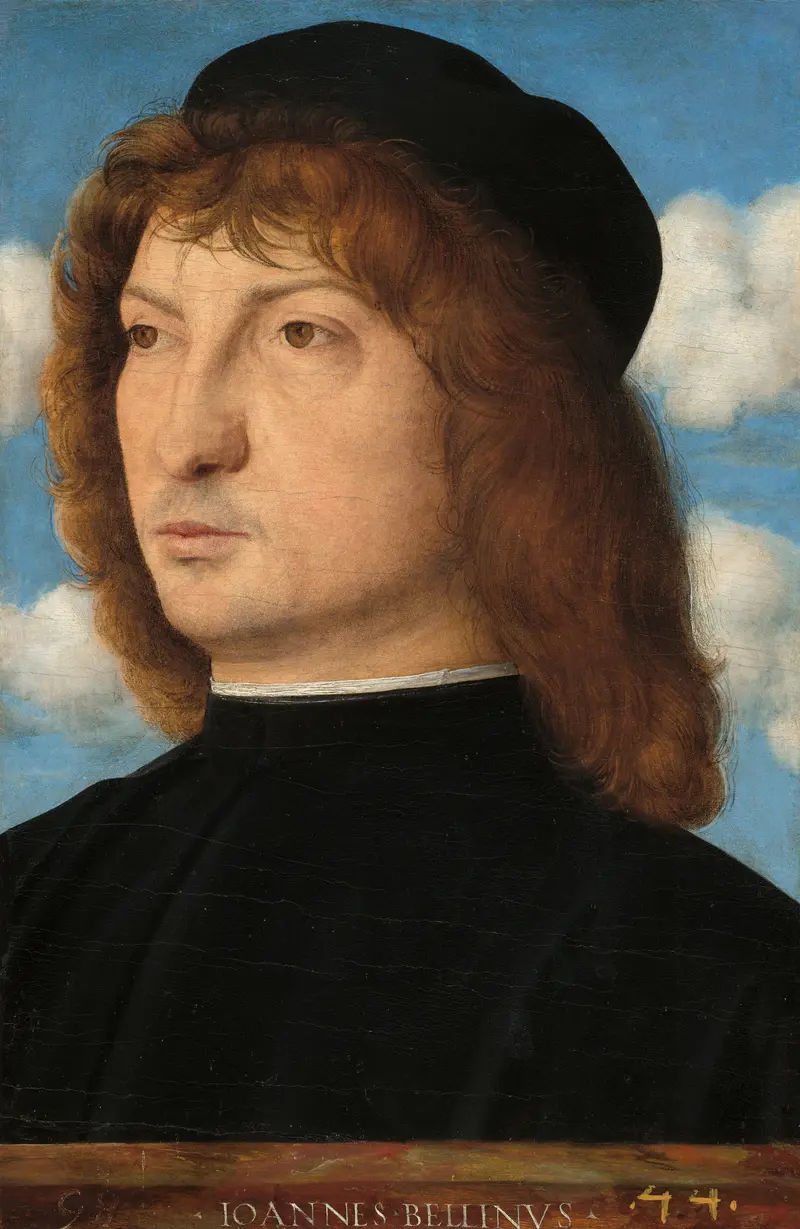
Portrait of a Venetian Gentleman
Giovanni Bellini
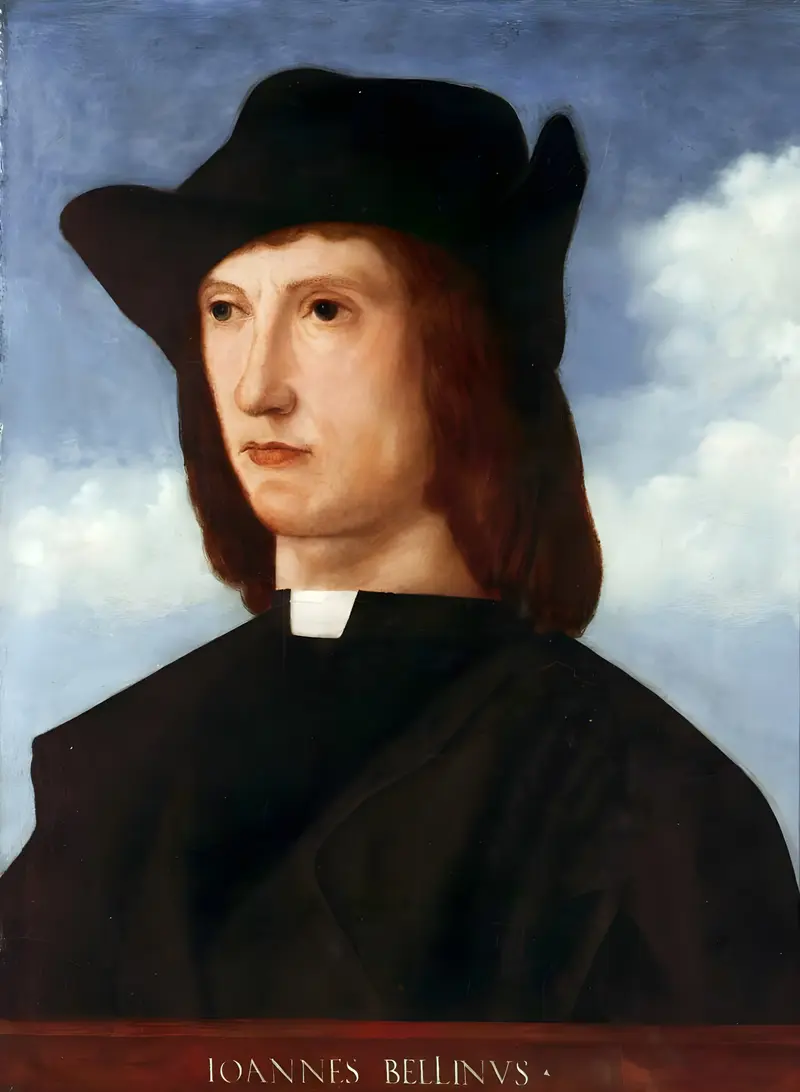
Portrait of a Young Man
Giovanni Bellini





