
Wedding dress — History & Facts
A hush of anticipation seems to hang in the air of Wedding dress by Aleksander Kotsis, as if the room itself is holding its breath. What first catches the eye is the ghostly shimmer of white fabric, a dress draped in the foreground, its folds rendered with a softness that suggests both the weight of silk and the lightness of a dream. The young woman, her form almost dissolving into the dim, golden-brown atmosphere, bends gently toward the garment, her hand poised in a gesture that could be longing, hesitation, or awe.
Behind her, a figure half-shrouded in shadow peers from the gloom, his presence ambiguous—witness, confidant, or perhaps a memory. The entire scene is swaddled in a veil of muted color, as if seen through a fogged window, lending the moment a sense of secrecy and introspection. Works like this, painted in the latter half of the nineteenth century, often dwelled on the rituals and private dramas of domestic life. In Poland, where Kotsis worked, artists of his generation were drawn to intimate interiors and the quiet symbolism of everyday objects—mirrors, dressing tables, and the garments that marked life’s passages.
Little is recorded about this particular painting beyond its home in the National Museum in Warsaw, but its mood and subject place it firmly within a tradition that valued the poetry of the ordinary. The viewer is left to wonder at the story behind the dress: is this a moment before a wedding, or a memory revisited? The painting invites us to linger, searching for answers in the soft play of light and shadow.
More Artworks by Aleksander Kotsis

Trip in the Tatra Mountains
Aleksander Kotsis

Fair in Nowy Targ
Aleksander Kotsis
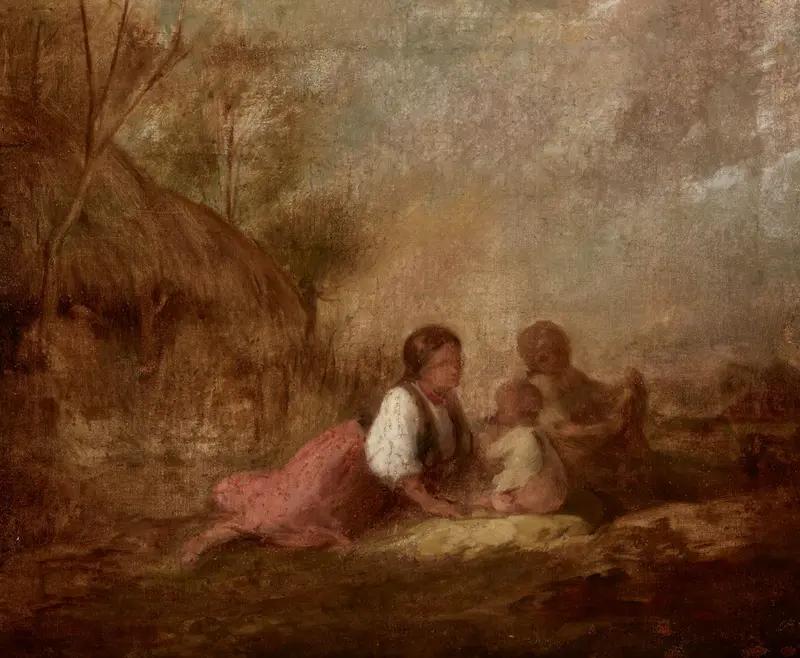
Pastoral Scene
Aleksander Kotsis
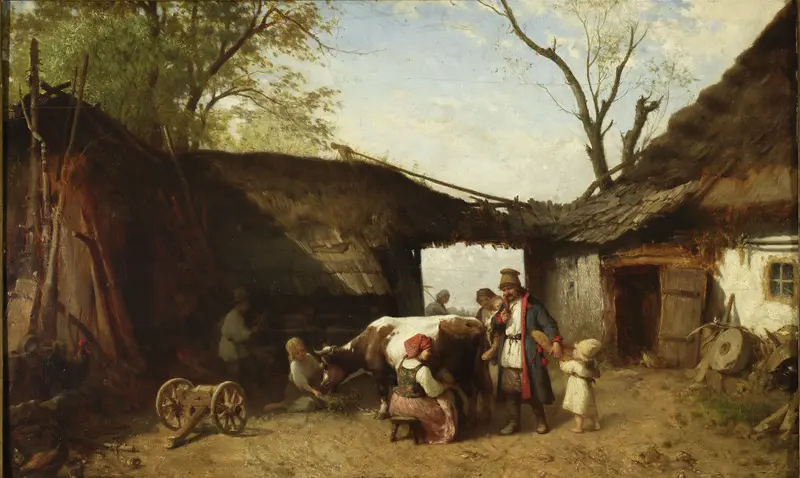
In the farmyard
Aleksander Kotsis
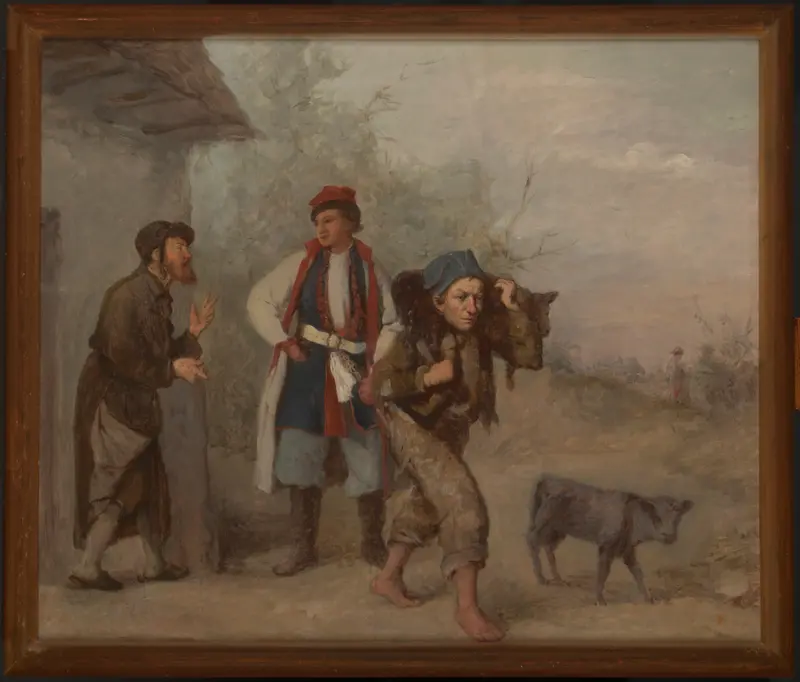
Haggling over a Calf
Aleksander Kotsis
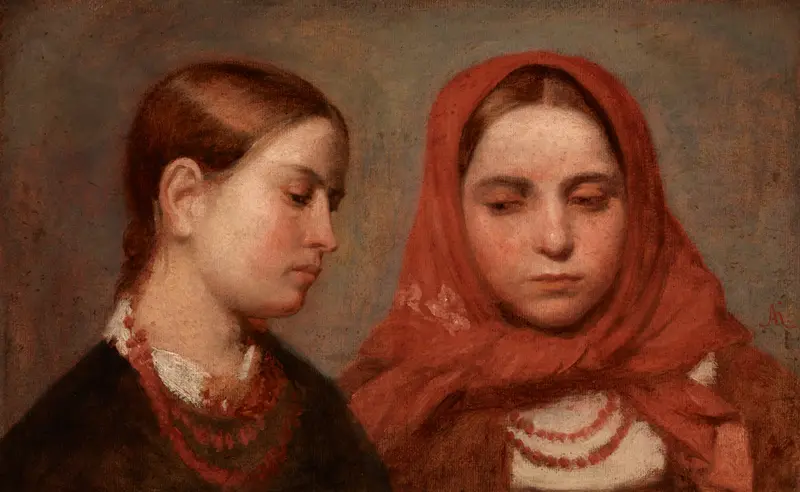
Heads of Two Young Girls
Aleksander Kotsis
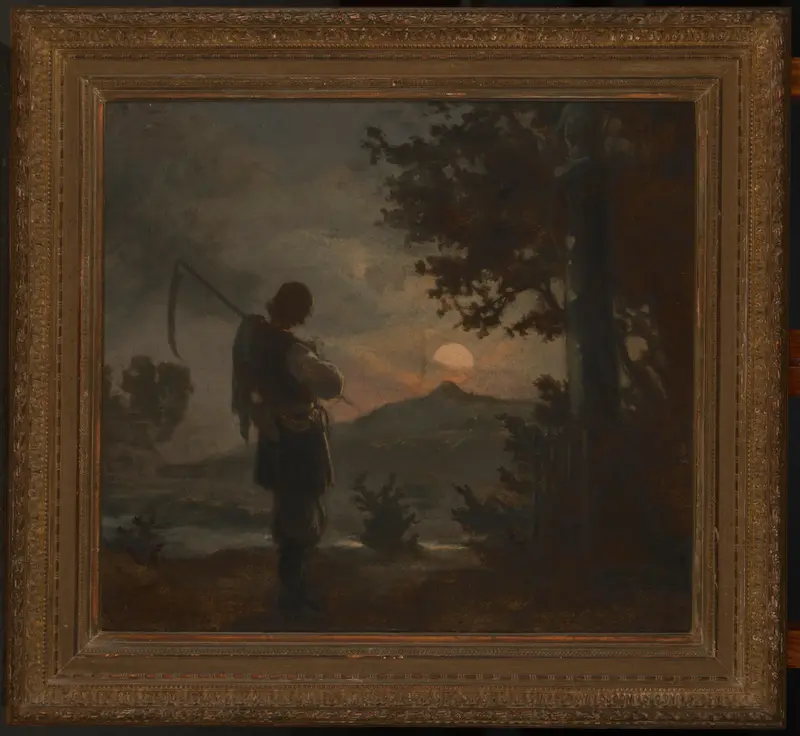
Haymaker
Aleksander Kotsis
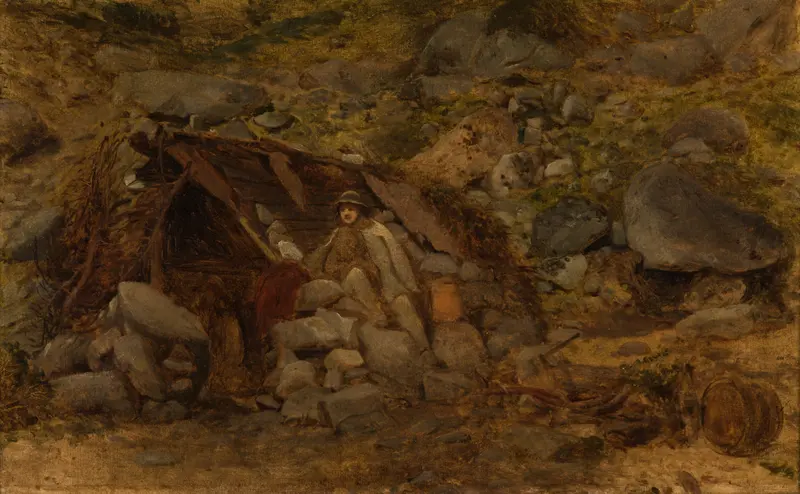
Highlander in Front of a Hut
Aleksander Kotsis
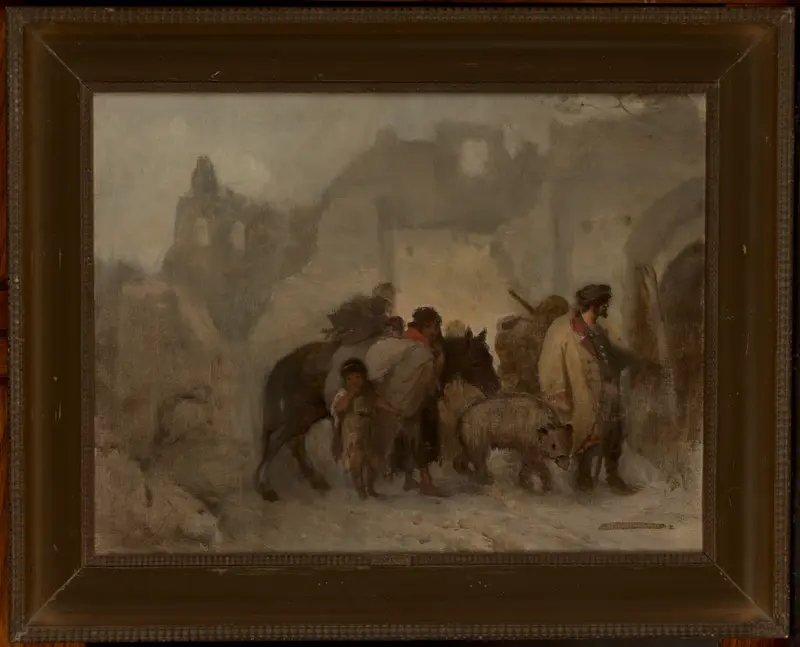
Gypsies
Aleksander Kotsis
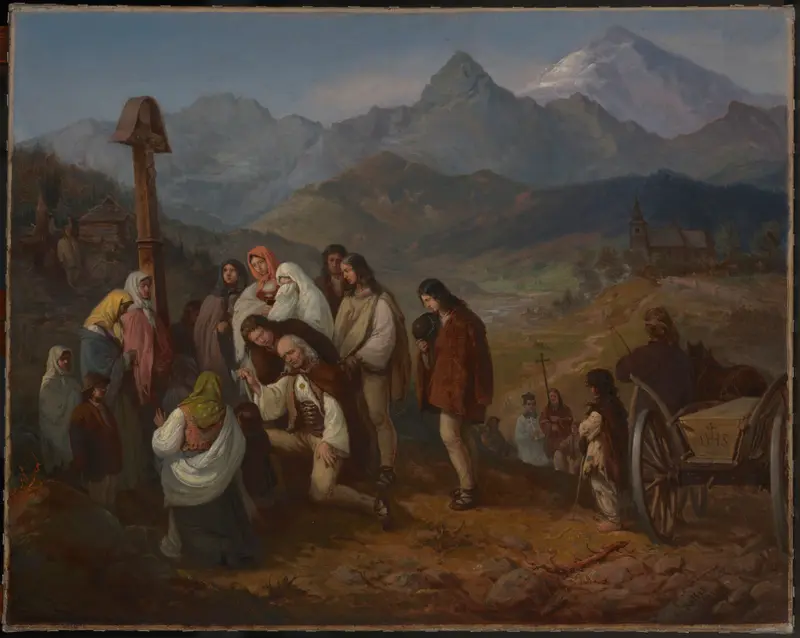
A Highlander's Funeral
Aleksander Kotsis
More Genre Scene Art

Banquet of the Officers of the St George Civic Guard
Frans Hals

Rembrandt and Saskia in the Scene of the Prodigal Son
Rembrandt van Rijn

Bal du moulin de la Galette
Pierre-Auguste Renoir

Quadrille at the Moulin Rouge
Henri de Toulouse-Lautrec

A Burial at Ornans
Gustave Courbet

When Will You Marry?
Paul Gauguin