
Willem VI, Jacoba van Beieren, Filips de Goede en Karel de Stoute — History & Facts
Could a single brushstroke hold eternity? In the realm of Willem VI, Jacoba van Beieren, Filips de Goede en Karel de Stoute, time stands still, crystallized by the deft hand of the artist. The interplay of light and shadow dances across the canvas, revealing not just figures, but the essence of their histories intertwined. Look to the central figures, each captured in meticulous detail, attired in opulent garments that catch the light in a symphony of color. The rich reds and deep blues evoke wealth and power, while the subtle gold accents reflect a shimmering nobility.
Notice how the artist skillfully layers paint, creating depth in their expressions—each face tells a story. The gentle play of light across their features breathes life into the scene, inviting the viewer to peer deeper into this world. Yet, it is the contrasts that speak volumes. The stark solidity of the rulers juxtaposed against the ethereal quality of the light suggests a tension between mortality and legacy.
Each figure's gaze, directed outward, hints at ambitions and desires that lie beyond the frame. The positioning of Jacoba, slightly apart yet poignantly connected to the men, evokes themes of isolation in power—a woman among giants. This assembly is not merely a portrait; it encapsulates the fragility of reign and the timelessness of aspiration. In 1518, van Oostsanen was deeply rooted in the artistic environment of Northern Europe, where the Renaissance was permeating through meticulous realism and humanistic themes.
At this time, he resided in the Netherlands, where his work mirrored the complexities of political power and personal identity amidst the shifting tides of an evolving society. This piece serves as a testament to his ability to capture not just the likenesses of the elite, but their enduring legacies.
More Artworks by Jacob Cornelisz van Oostsanen
Browse all →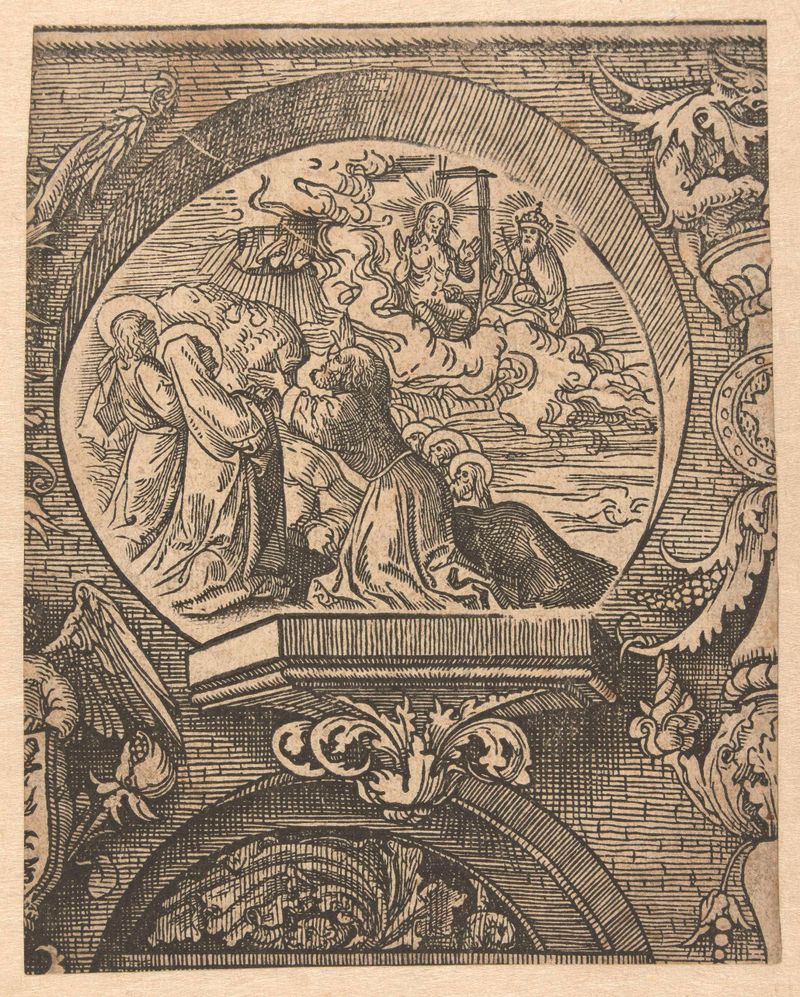
De hemelvaart en Christus voor God de Vader
Jacob Cornelisz van Oostsanen
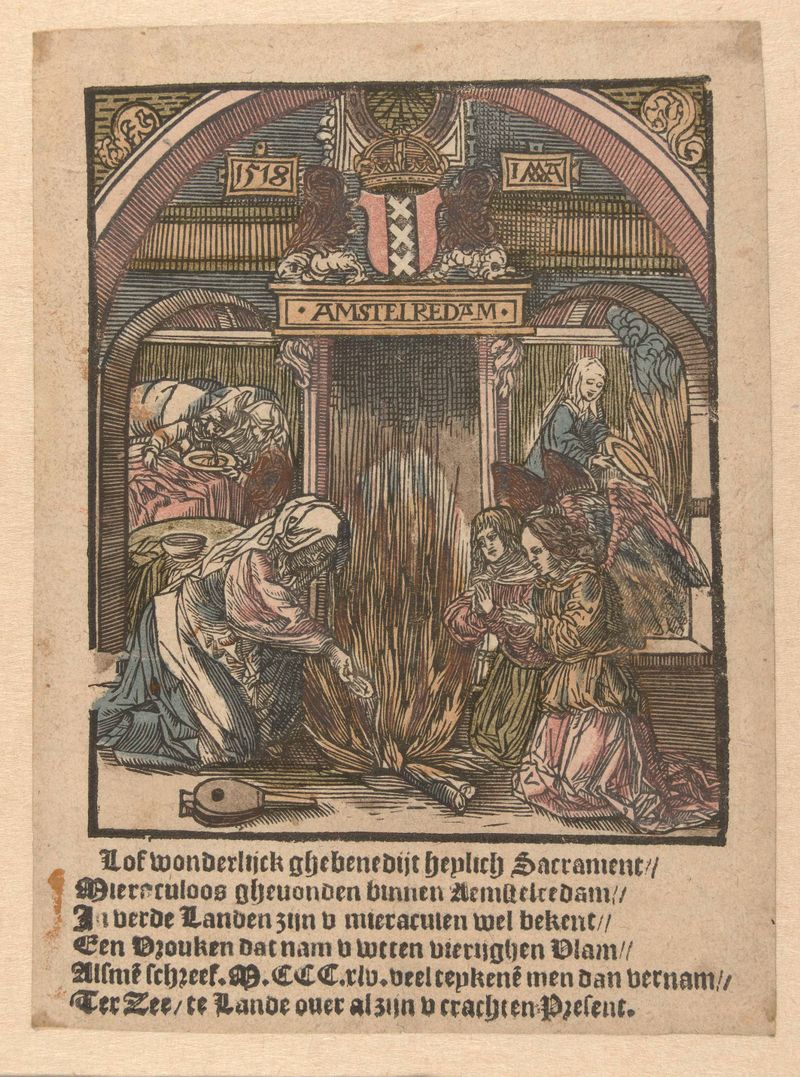
Het hostiewonder van Amsterdam
Jacob Cornelisz van Oostsanen
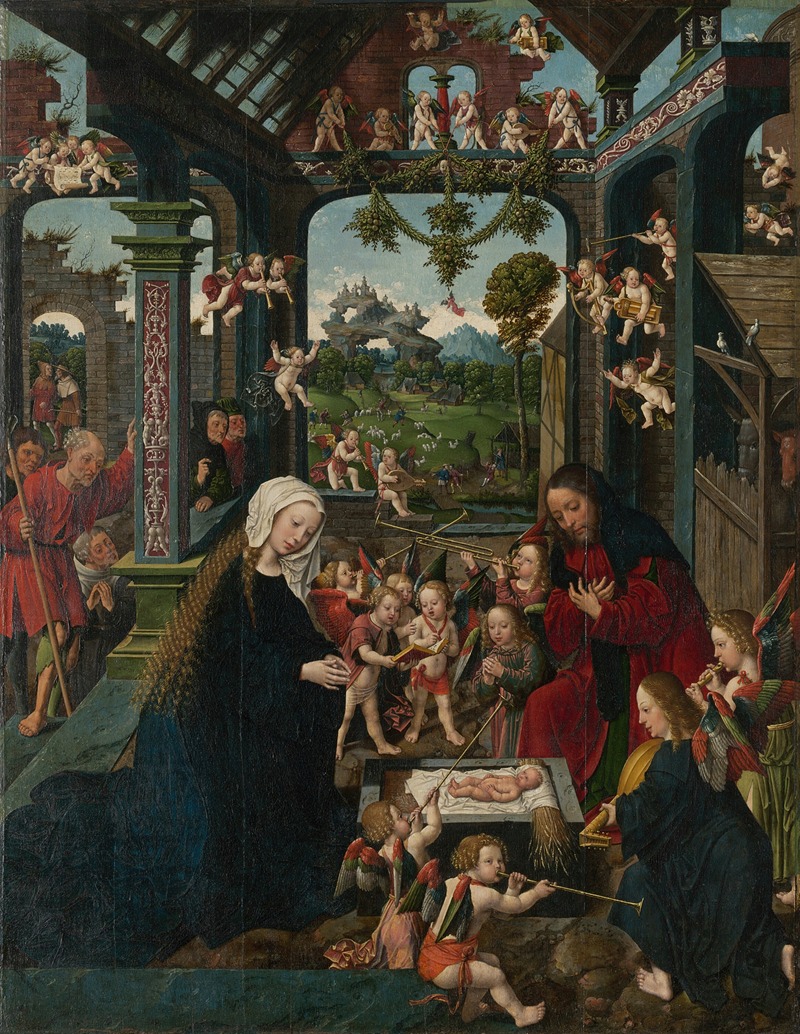
The Adoration of the Christ Child
Jacob Cornelisz van Oostsanen
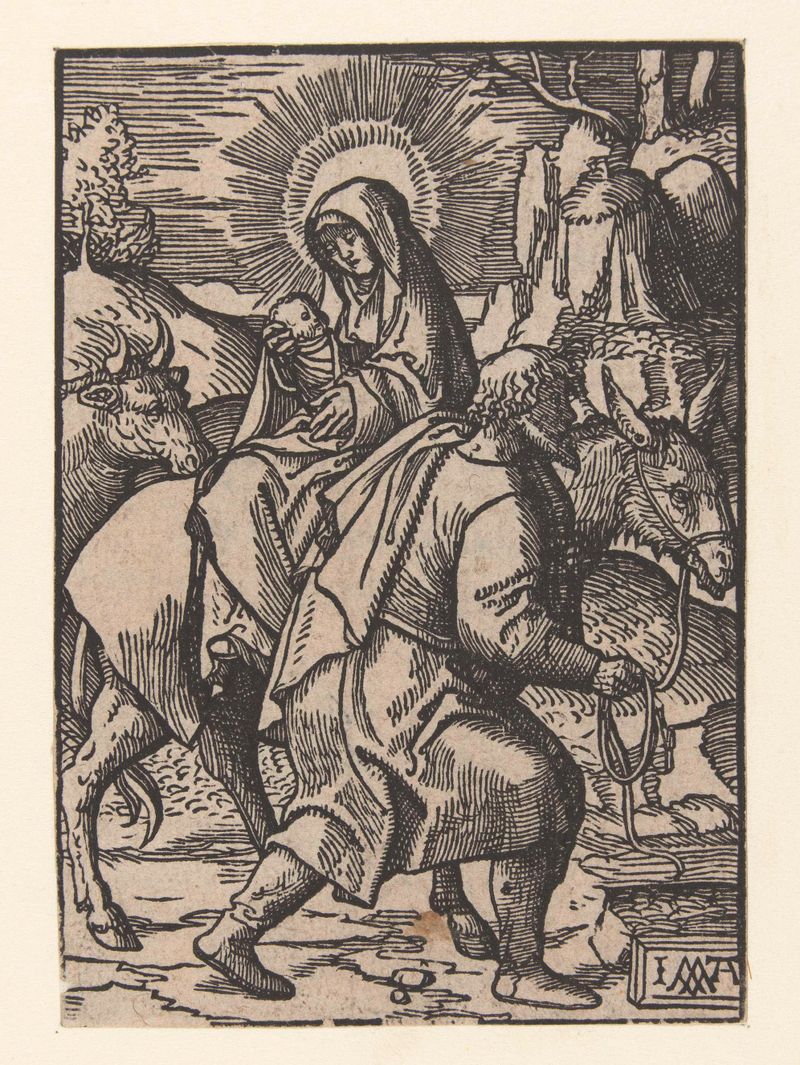
Vlucht naar Egypte
Jacob Cornelisz van Oostsanen
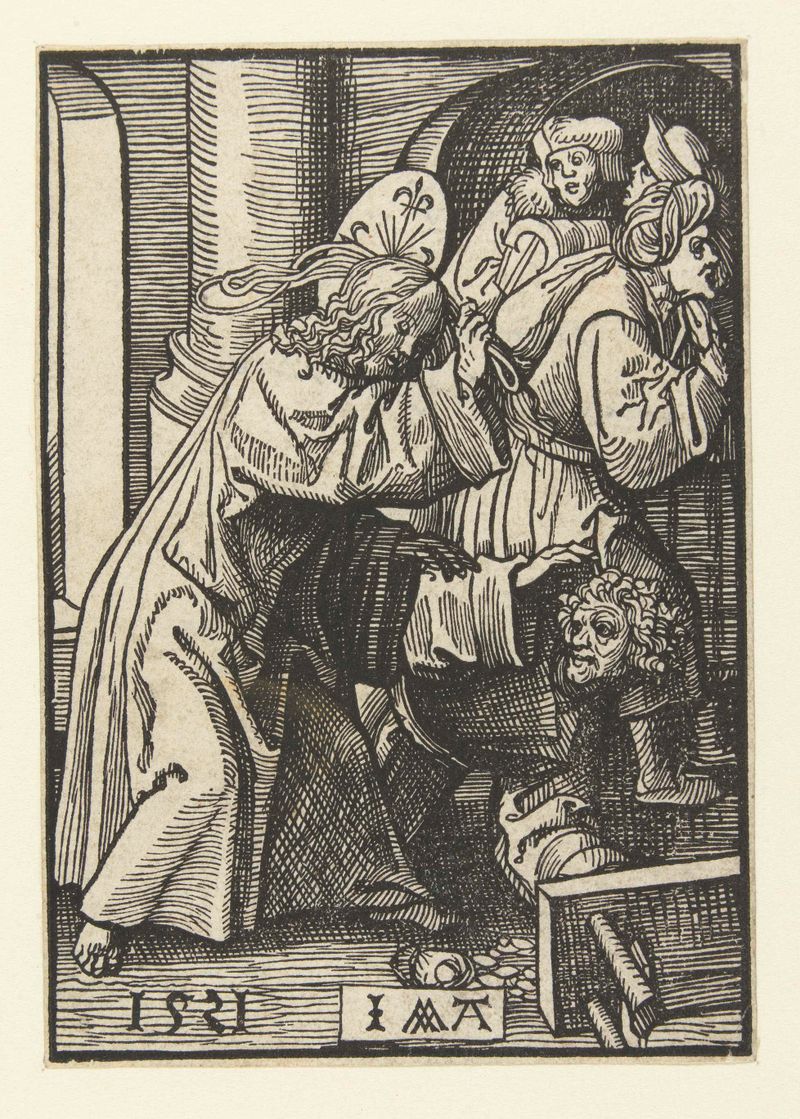
Verdrijving van de handelaren uit de tempel
Jacob Cornelisz van Oostsanen
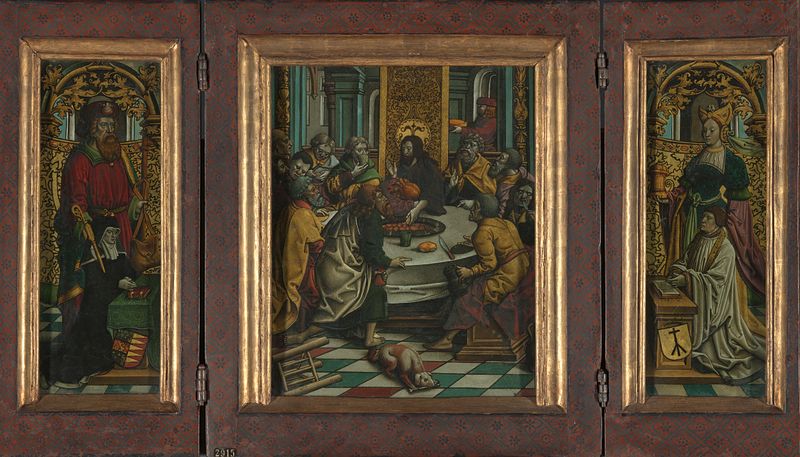
Triptych with the Last Supper and Donors
Jacob Cornelisz van Oostsanen
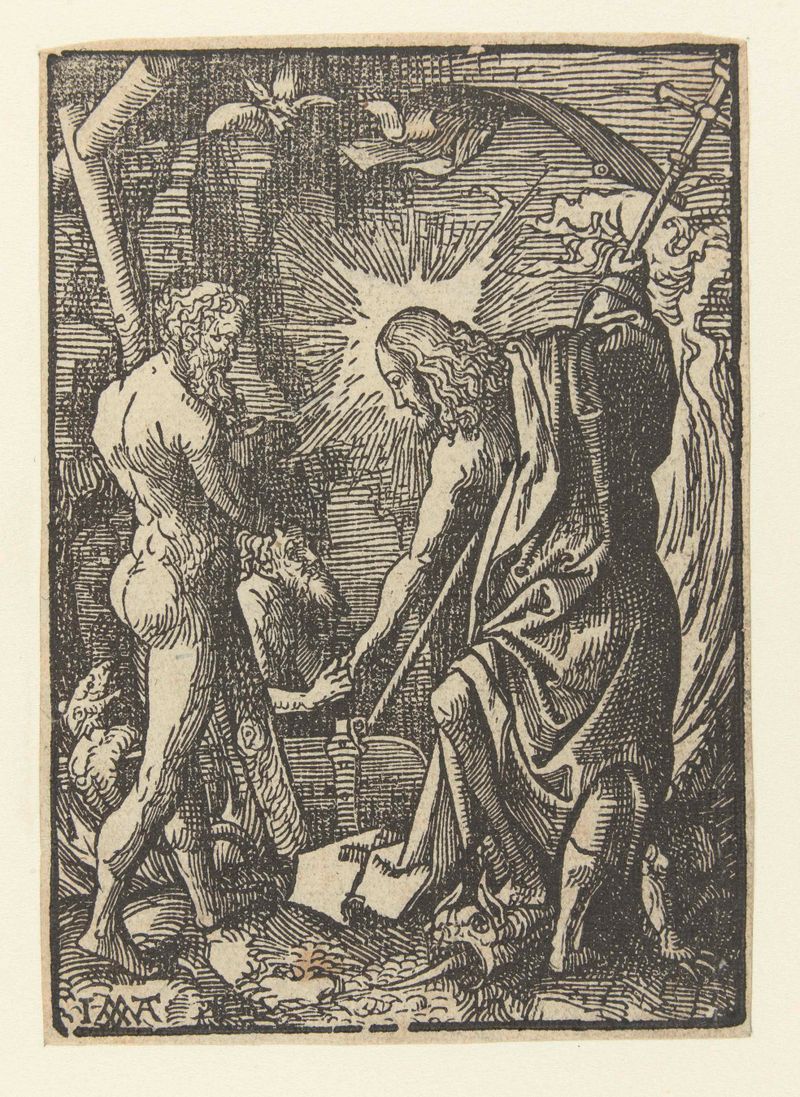
Christus in het voorgeborchte
Jacob Cornelisz van Oostsanen
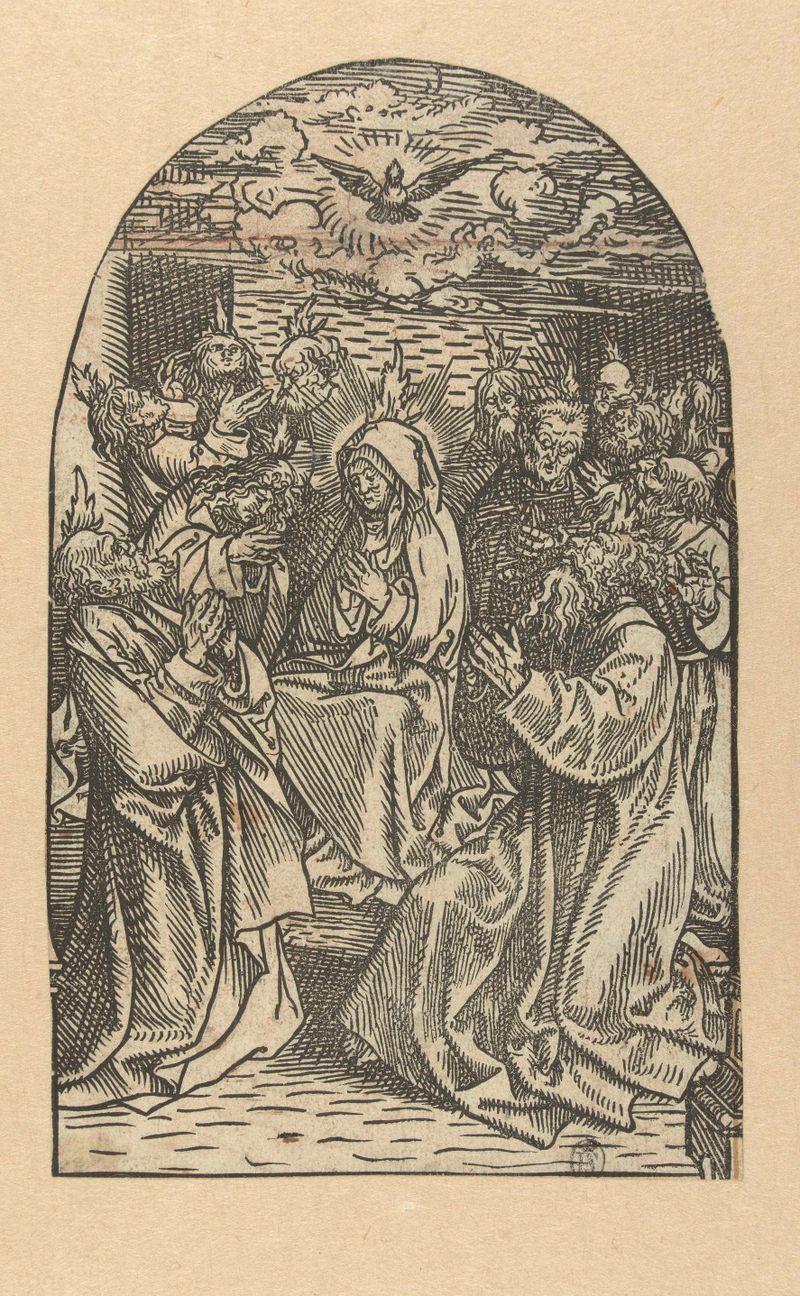
Uitstorting van de Heilige Geest
Jacob Cornelisz van Oostsanen
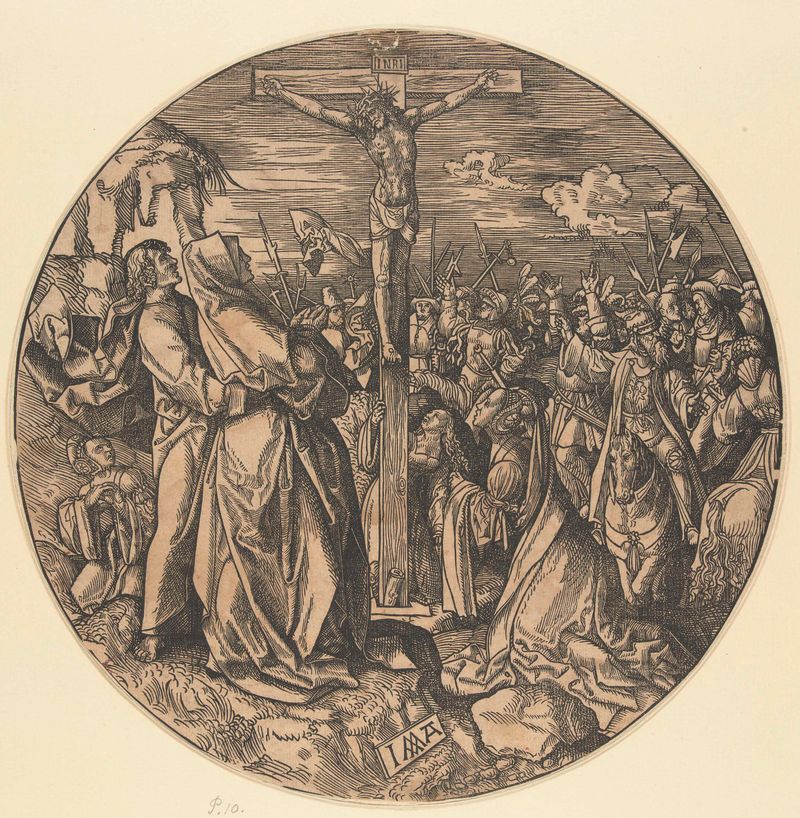
Christus aan het kruis
Jacob Cornelisz van Oostsanen

De kruisiging en de graflegging van Christus
Jacob Cornelisz van Oostsanen
More Historical Art
Browse all →
The Night Watch Militia Company of District II under the Command of Captain Frans Banninck Cocq
Rembrandt van Rijn

Lincoln Memorial
Henry Bacon

The Third of May 1808
Francisco de Goya

Isaac and Rebecca, Known as ‘The Jewish Bride’
Rembrandt van Rijn

The Charge of the Mamelukes (1814)
Francisco de Goya

De vier ruiters van de apocalyps
Albrecht Dürer