
William Cowper (1731–1800) — History & Facts
When William Blake painted William Cowper (1731–1800) in 1800, he was capturing not just a likeness but a figure at the heart of English literary and religious life. Cowper, a celebrated poet and hymn-writer, was revered in his time for his gentle spirituality and struggles with mental illness—traits that fascinated Blake, who himself saw visions and felt kinship with the afflicted. The portrait was created during Blake’s brief stay in Felpham, Sussex, where he had been invited by the radical patron William Hayley, who was also Cowper’s friend and biographer.
This connection between artist, sitter, and patron forms a triangle of creative and spiritual exchange, unique in Blake’s career. In the painting, Cowper is shown in a moment of introspection, his gaze turned away from the viewer, lost in thought. The soft modeling of his features and the subdued palette suggest both the poet’s fragility and his inner strength. Blake, unlike other portraitists of the era such as Thomas Lawrence, resists the urge to flatter or dramatize.
Instead, he focuses on Cowper’s humanity: the slight furrow of the brow, the gentle clasp of hands, perhaps alluding to prayer or contemplation. The light falls delicately across Cowper’s face, illuminating not just his features but the sense of melancholy that defined his life and poetry. The painting’s physical journey is less documented than its subject’s fame might suggest. Commissioned by Hayley, it was intended as an act of homage to Cowper, who had died that same year.
The medium remains uncertain—possibly tempera or watercolor, both favored by Blake for their luminous quality. Today, the work is held in the National Portrait Gallery, London, a testament to the enduring fascination with both artist and sitter. For William Blake, this portrait stands apart from his visionary and mythological works, offering a rare, intimate glimpse into the soul of another.
More Artworks by William Blake
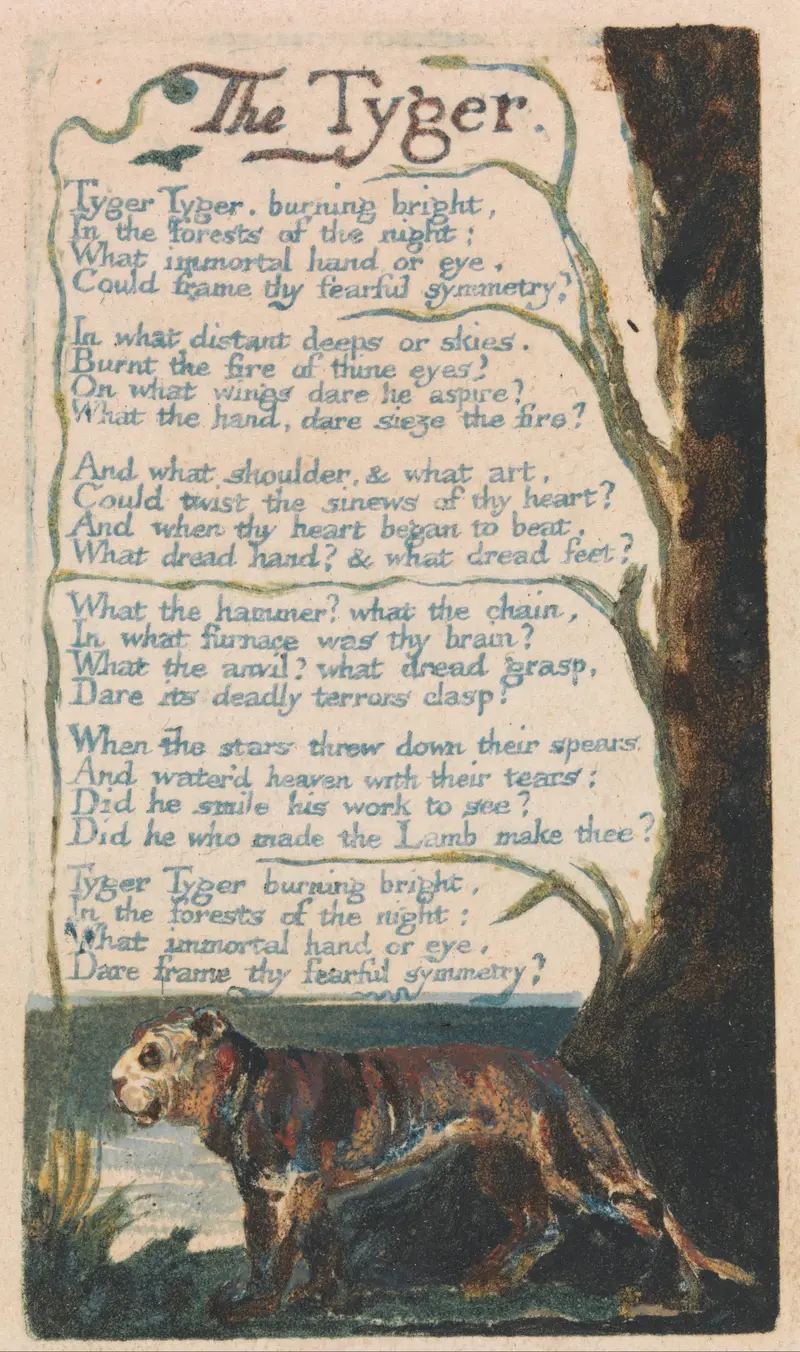
The Tyger
William Blake

Christ Blessing
William Blake
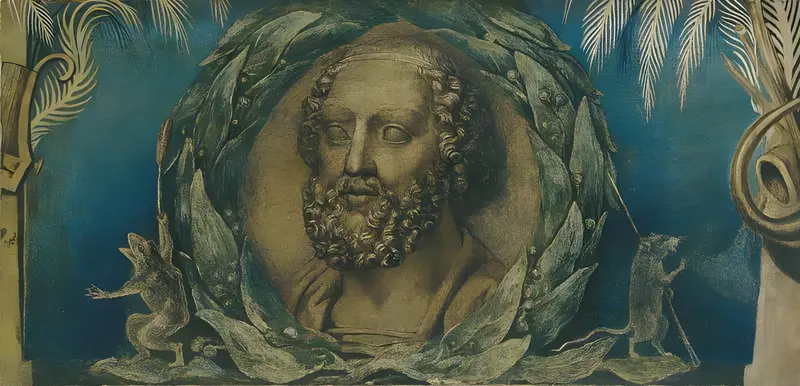
Homer
William Blake
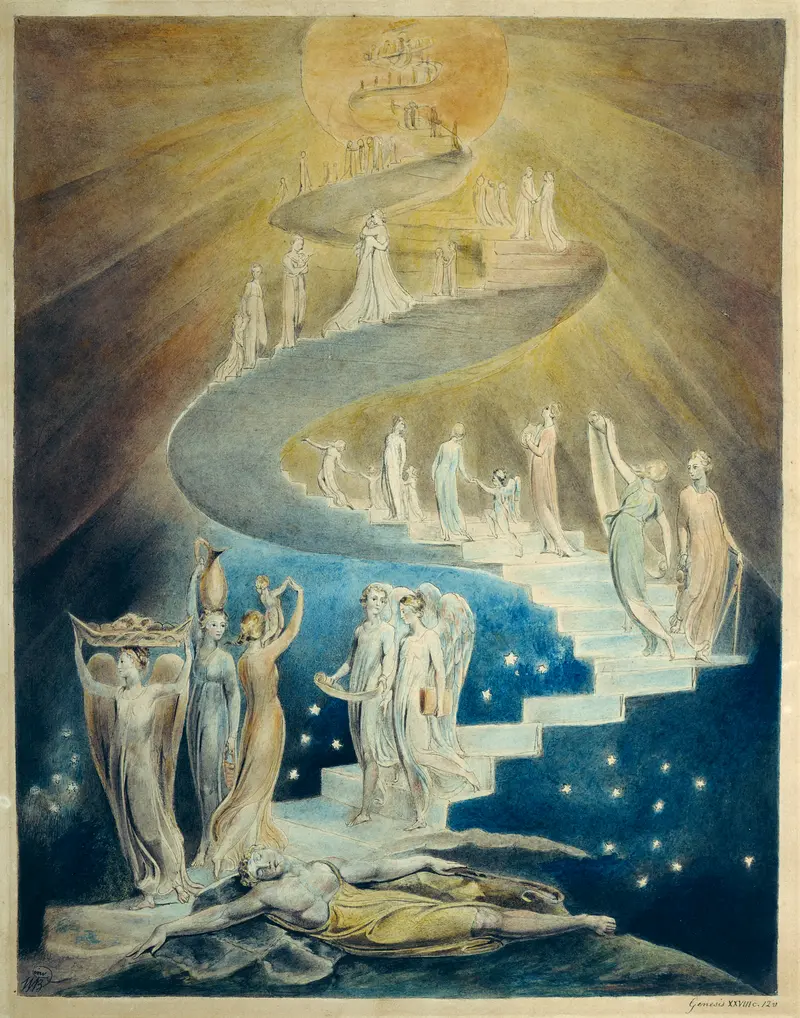
Jacob's Ladder
William Blake
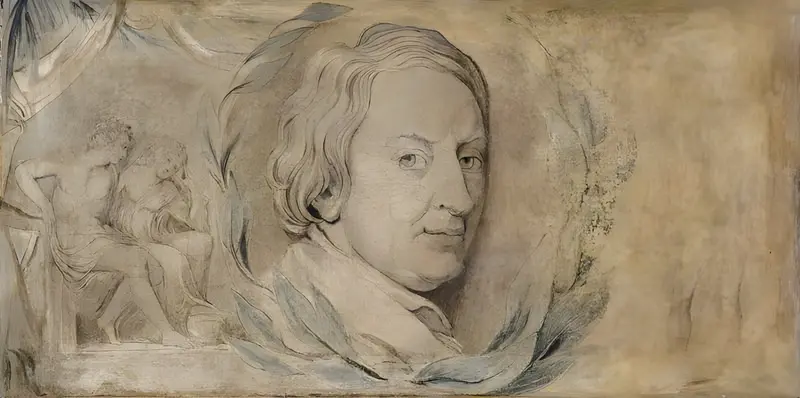
John Dryden (1631–1700)
William Blake
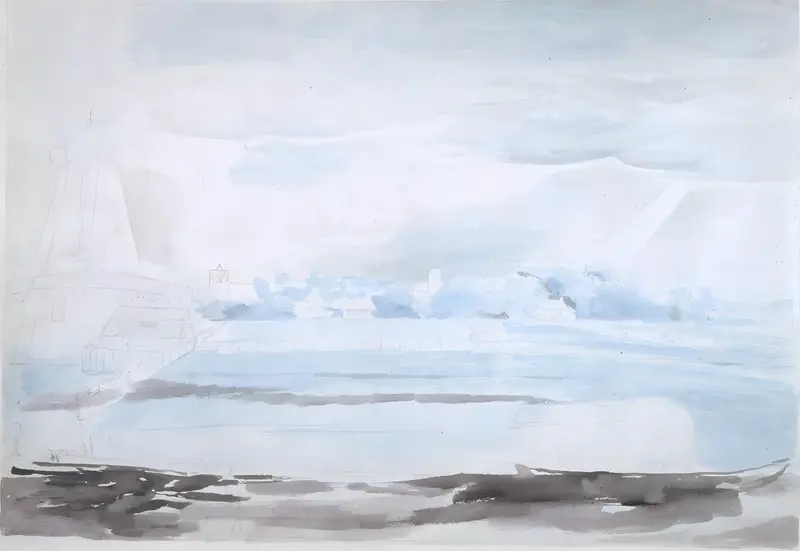
Landscape near Felpham
William Blake
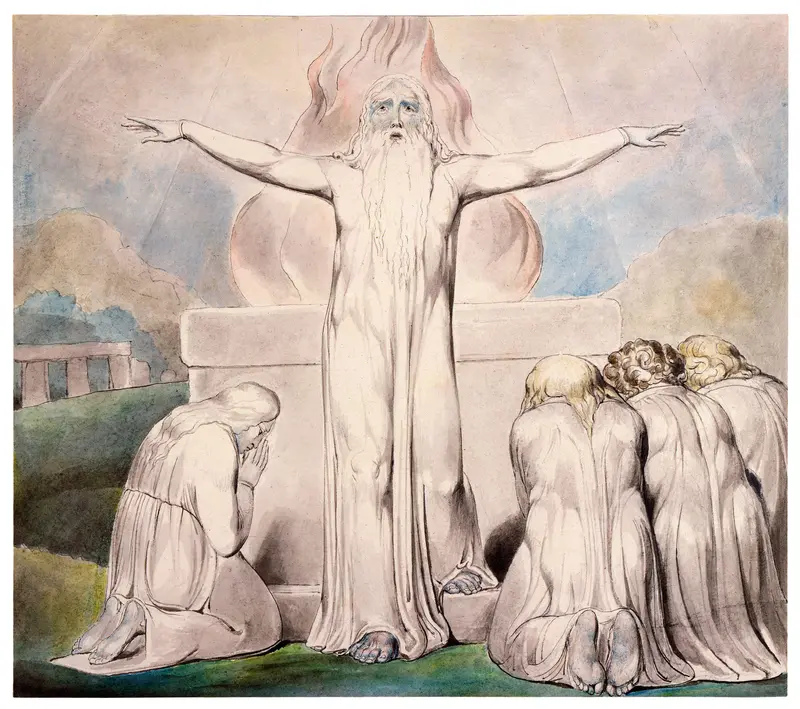
Sacrifice of Job
William Blake
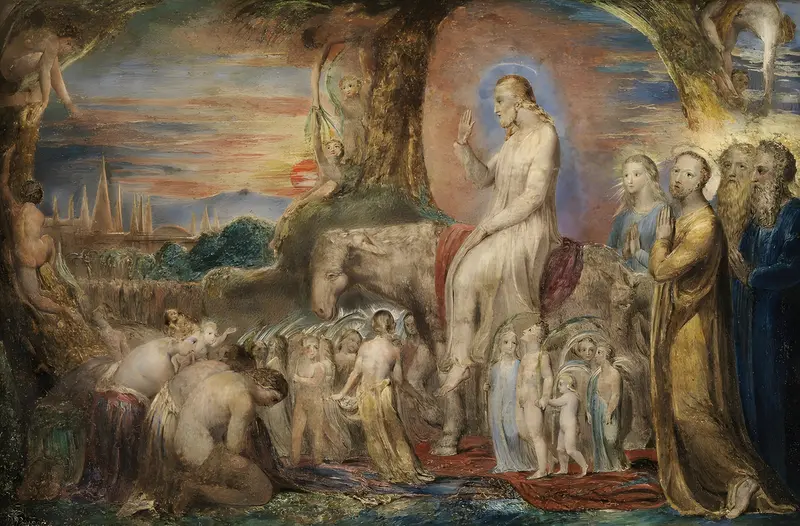
Christ's Entry into Jerusalem
William Blake
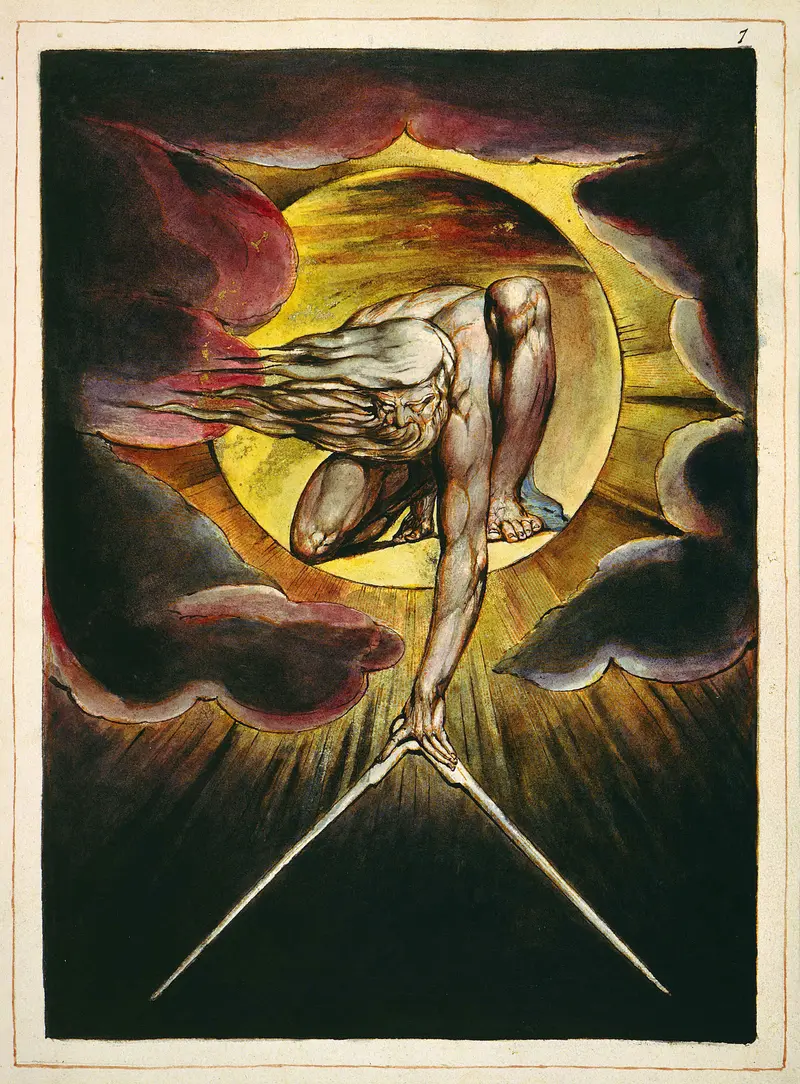
The Ancient of Days
William Blake
Adam Naming the Beasts
William Blake





