
William Scott-Elliot of Arkleton (1811–1901) — History & Facts
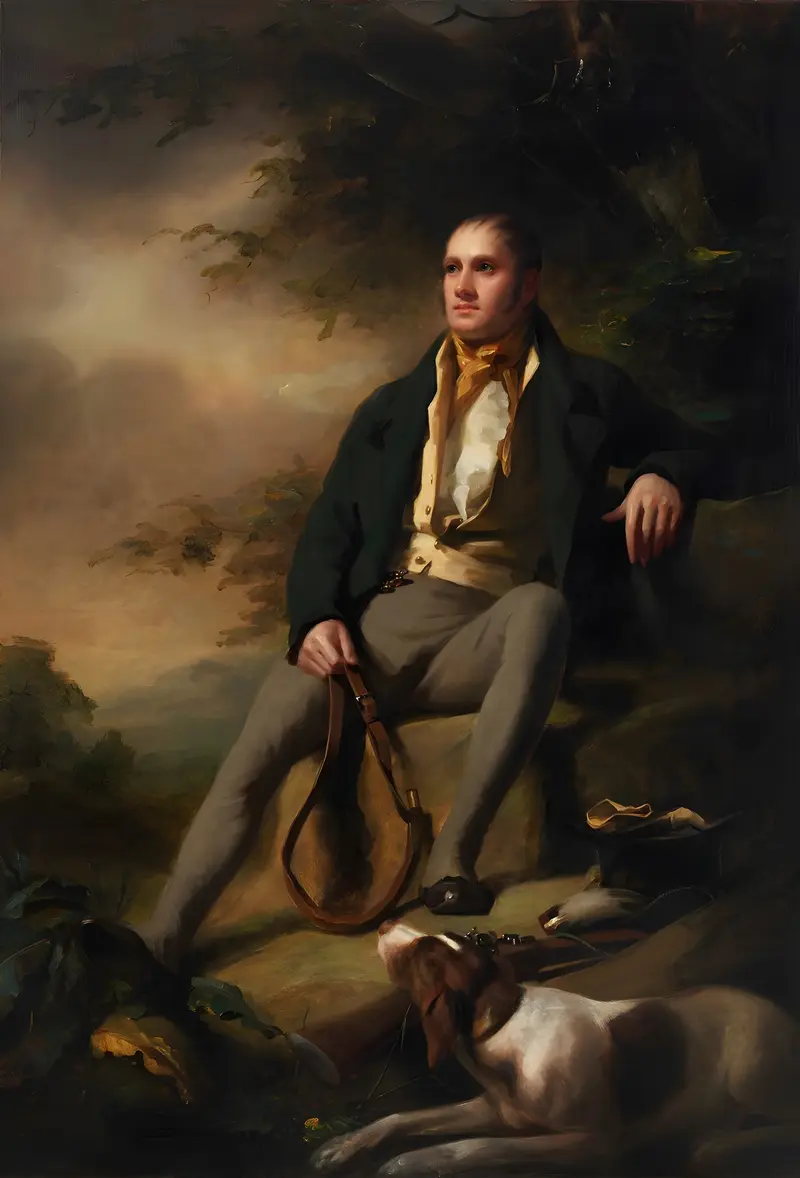
When Sir Henry Raeburn painted William Scott-Elliot of Arkleton (1811–1901), he captured not just a likeness but a lineage: the Scott-Elliots were prominent landowners in Dumfriesshire, Scotland, and the portrait immortalizes the young heir at the dawn of the 19th century. The sitter would later become known for his contributions to local agriculture and public life, but here, he is presented on the cusp of adulthood, long before his name appeared in county records. The painting’s origin is shrouded in some uncertainty—no commission documents survive, and the exact date remains unknown—but its existence attests to the Scott-Elliot family's desire to anchor their legacy through art.
Such portraits were not mere decoration; they were declarations of status and continuity, meant to endure as long as the family’s estate. Raeburn chooses a moment of poised stillness, the young William standing or seated with an air of quiet confidence. His gaze meets the viewer directly, a hallmark of Raeburn’s approach to portraiture, which favored psychological immediacy over stiff formality. The dark, understated background throws the sitter’s pale face and finely tailored attire into sharp relief, signaling both his youth and his social position.
The handling of light—soft, yet precise—recalls Raeburn’s celebrated The Reverend Robert Walker Skating on Duddingston Loch, where individuality is revealed through gesture and expression rather than grand gestures. The absence of overt symbols or props invites us to read character in the sitter’s posture and eyes, rather than in the trappings of office or achievement. As with many works by Raeburn, the painting’s early history is not fully documented; it likely remained in the Scott-Elliot family for generations, a private testament to their heritage. Over time, shifting fortunes and changing tastes may have brought it into the public eye, but the specifics of its journey—whether through inheritance, sale, or donation—are lost.
Today, the portrait is recognized as a fine example of Raeburn’s late-period style, marked by directness and psychological depth. It stands as both a record of an individual life and a window onto the world of Scottish landed gentry in the early 1800s, embodying the quiet dignity that characterizes much of Raeburn’s work.
More Artworks by Sir Henry Raeburn

Portrait of Hugh Hope
Sir Henry Raeburn
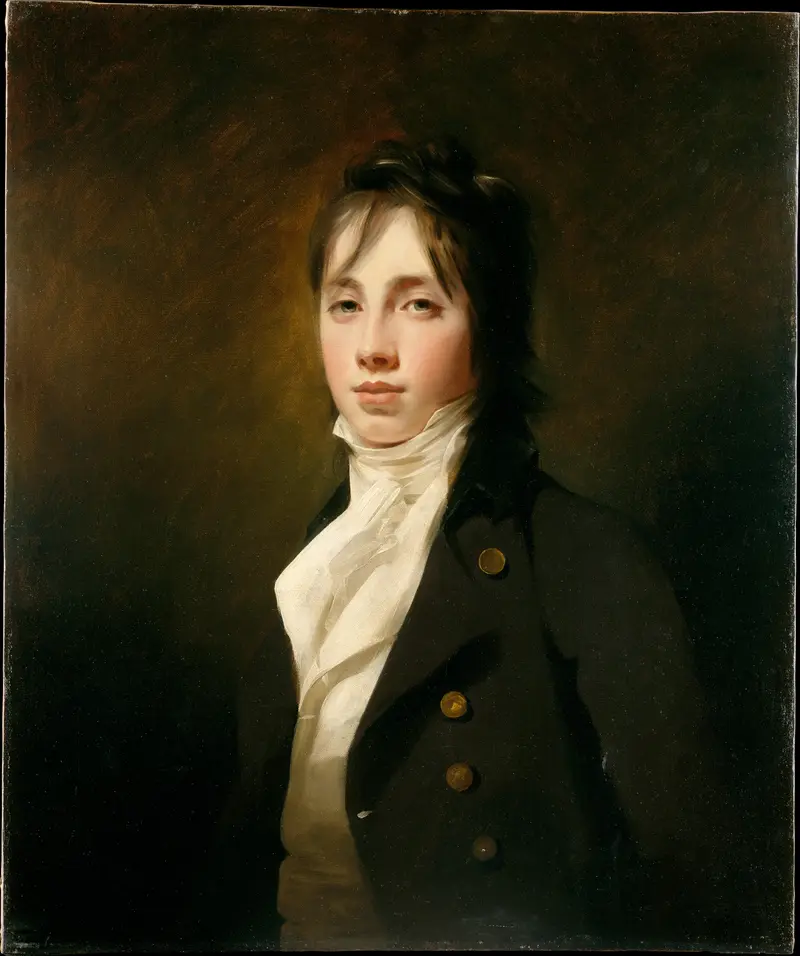
William Fraser of Reelig (1784–1835)
Sir Henry Raeburn
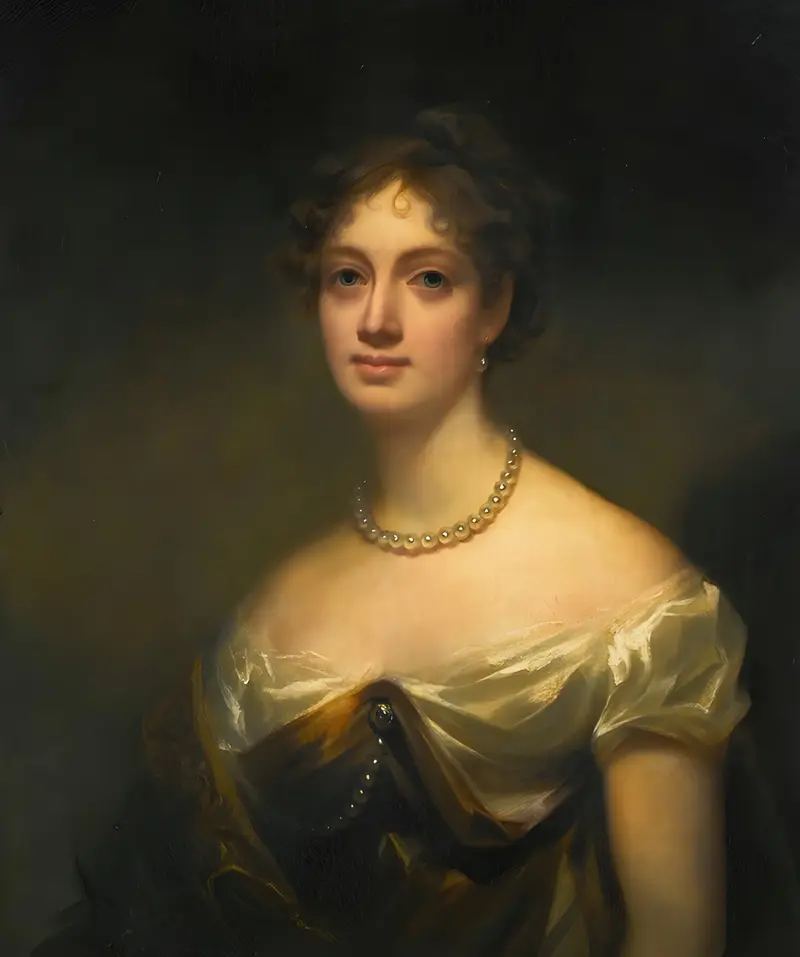
Portrait Of Anne Blair Maconochie Welwood Of Garvock, Lady Meadowbank (1784–1866)
Sir Henry Raeburn
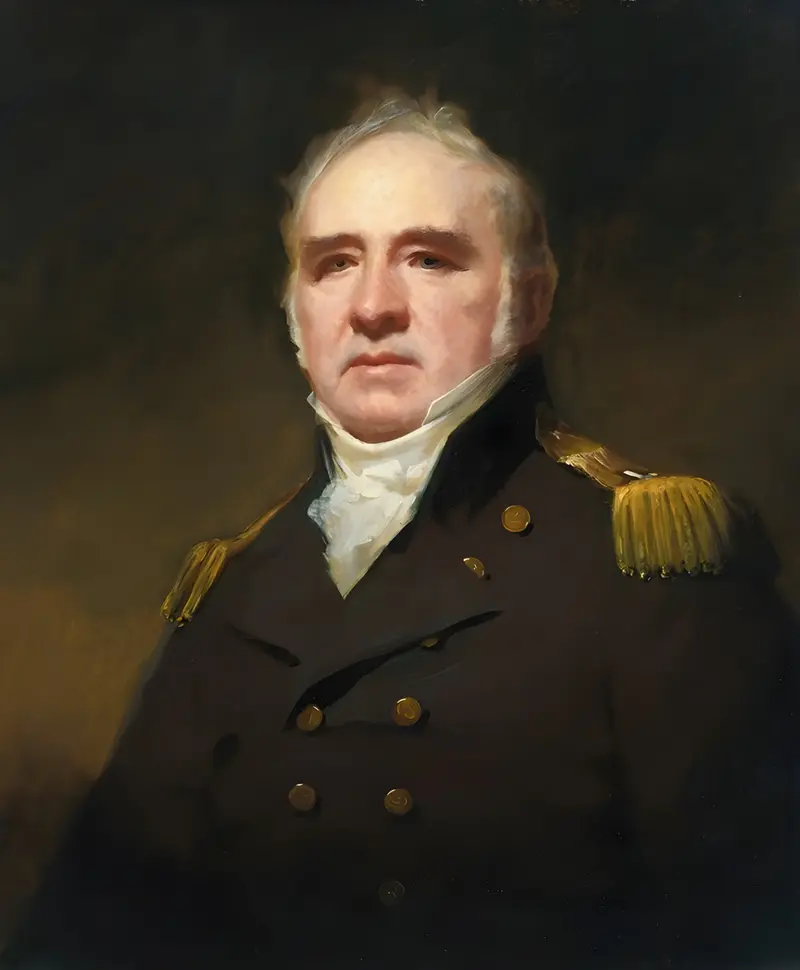
Portrait Of Captain James Forbes-Drummond, R.N., Of Hawthornden
Sir Henry Raeburn
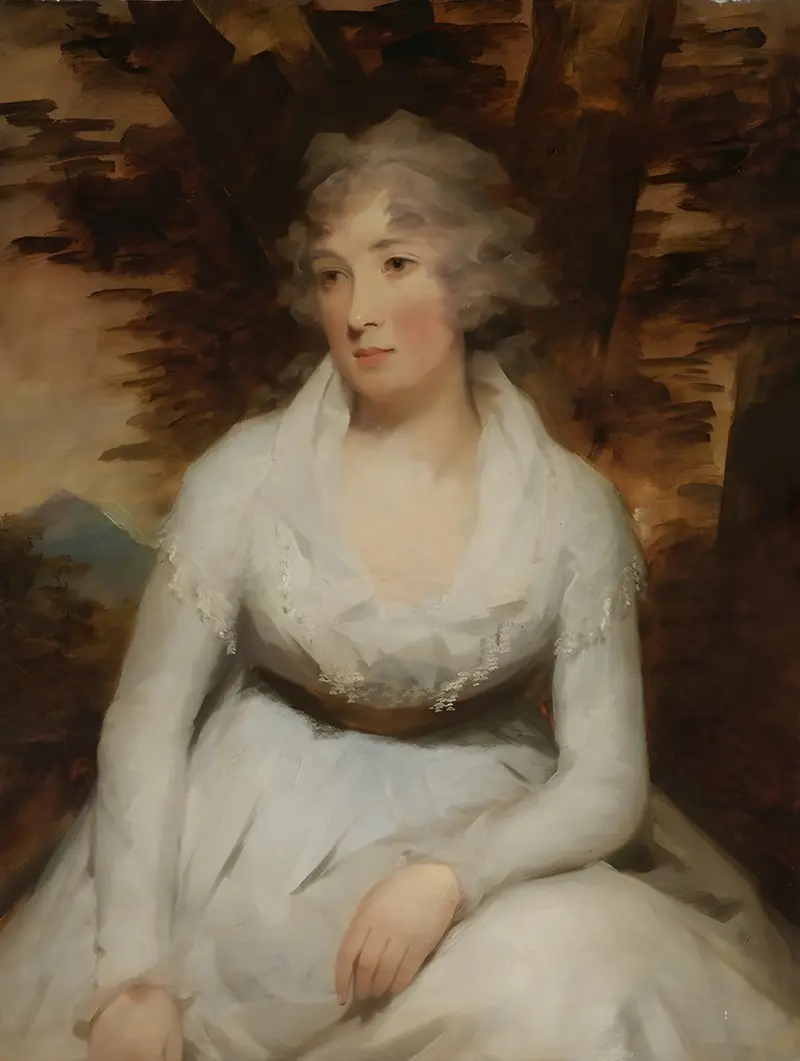
Miss Elizabeth Dalrymple (afterwards Mrs. George Leith)
Sir Henry Raeburn
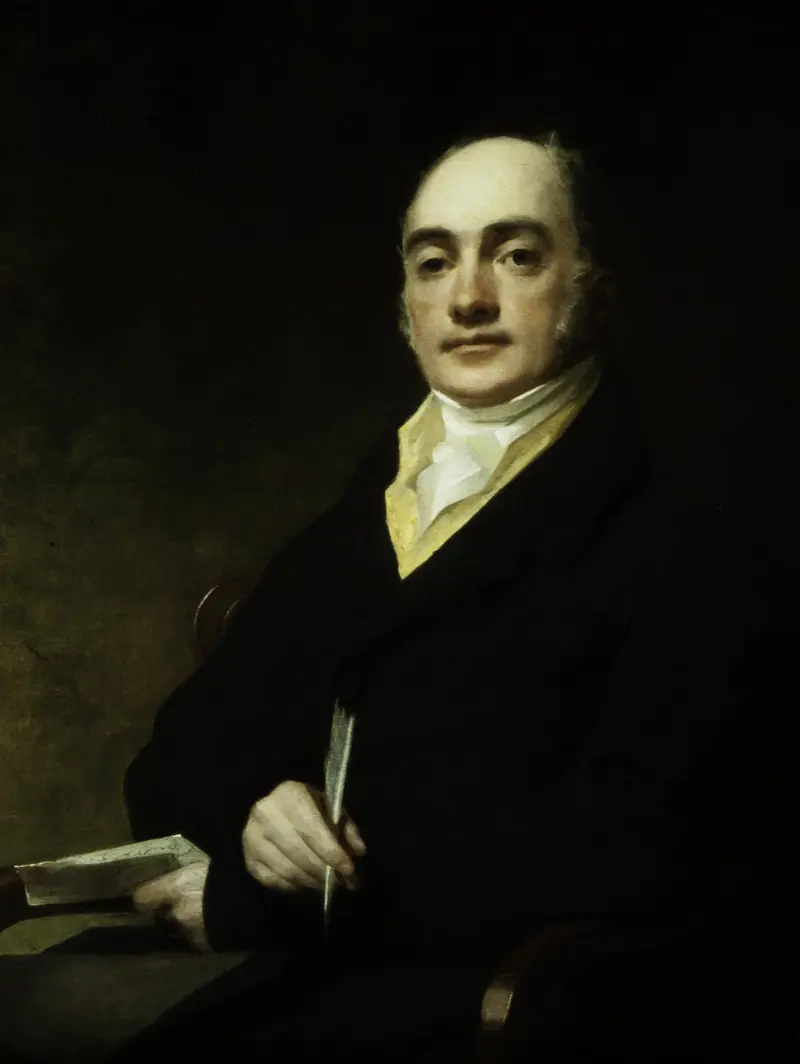
Portrait of John Baillie (1772-1833)
Sir Henry Raeburn
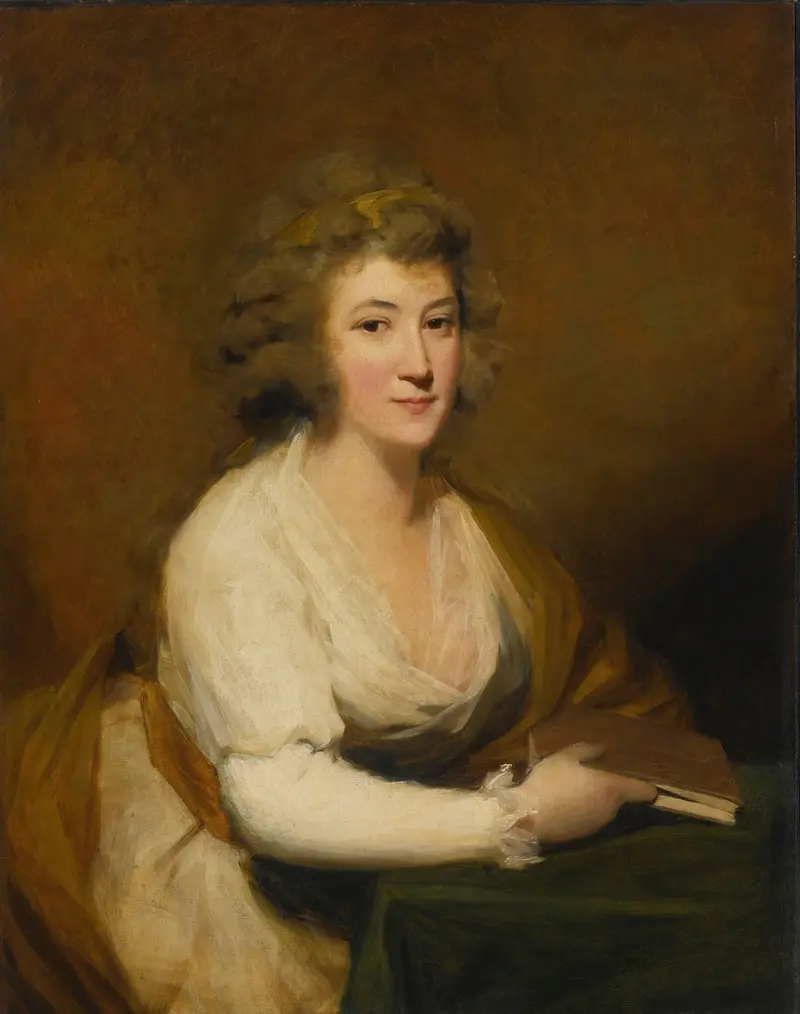
Portrait Of Lady Nasmyth, In A White Dress And Brown Shawl, Seated At A Table, Holding A Book
Sir Henry Raeburn
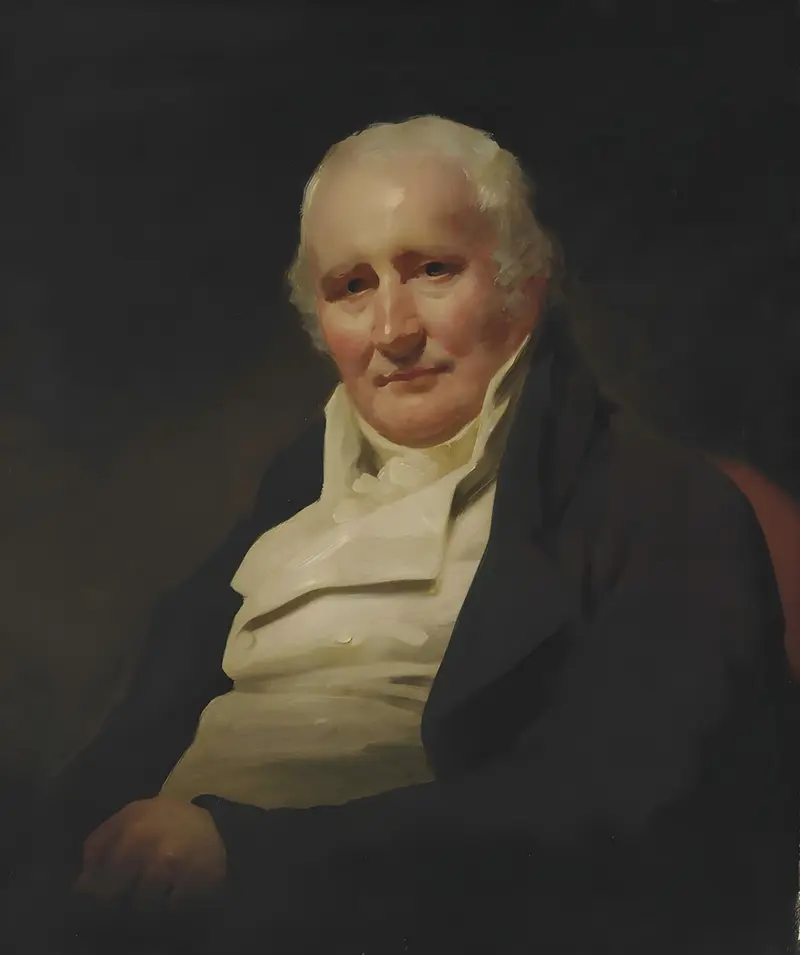
Portrait Of Mr. Spottiswood
Sir Henry Raeburn
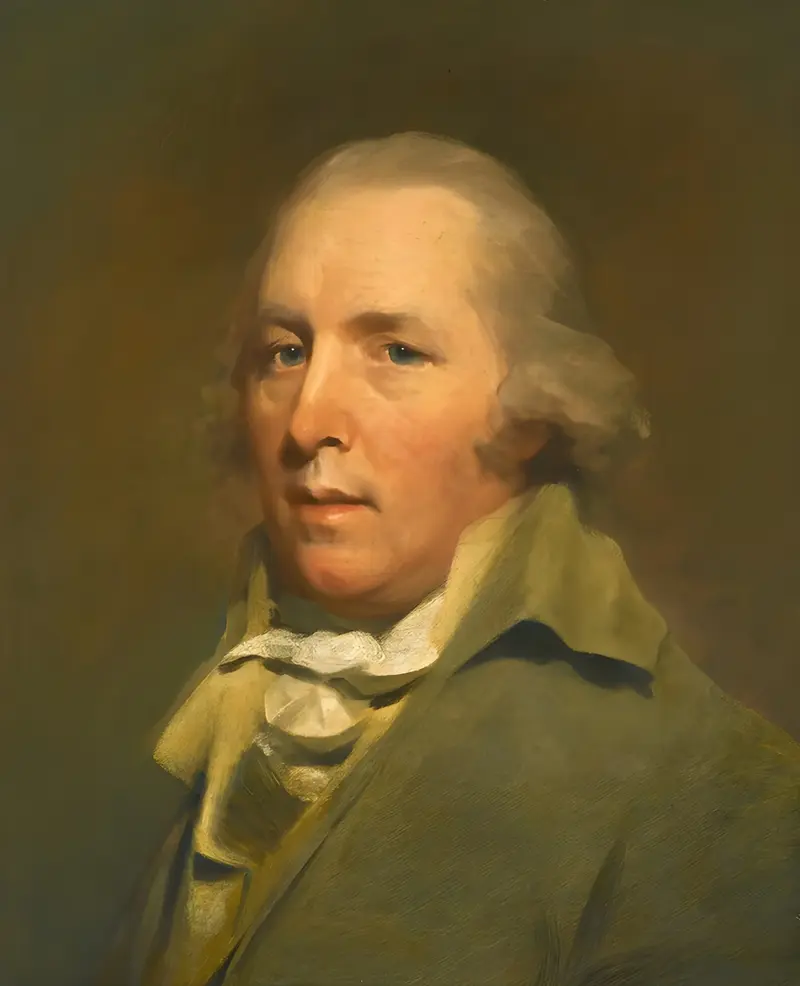
Portrait Of The Reverend John Home (1722-1808)
Sir Henry Raeburn
Portrait of William Hunt (c.1796-1854), Pittencrief House, Dunfermline
Sir Henry Raeburn





