
Woman and child on a balcony — History & Facts
A woman in deep black leans over a balcony, her gaze drifting far beyond the railings, while a small girl in crisp white and blue stands at her side, absorbed by the world below. The sweep of the city stretches out behind them, crowned by the golden dome of Les Invalides, but Morisot’s brush draws us first to the quiet drama of the figures: the woman’s posture speaks of reflection or longing, her hand loosely clutching a pink bonnet, while the child, half-turned, seems poised between the safety of her companion and the lure of the view. The light, soft yet insistent, pools on the child’s dress and the stone underfoot, while the palette’s gentle greys and greens set a mood of gentle melancholy.
Even the potted geraniums at the edge of the frame seem to lean into the scene, witnesses to this suspended moment. Painted in 1872, Woman and child on a balcony belongs to a world in flux, when Paris was still reshaping itself after the upheavals of the previous decade and artists like Berthe Morisot were quietly revolutionizing how domestic life could be seen. Scenes of women and children in modern settings were a hallmark of the Impressionist circle, but Morisot’s approach is distinct: her women are never mere decoration, but active presences, their inner lives suggested by a turn of the head or the play of light on a sleeve. Such works were rarely grand commissions; more often, they were painted for private circles, capturing the fleeting rhythms of contemporary life.
The year 1872 marks Morisot’s emergence as a force within the Impressionist movement, and the painting’s gentle intimacy invites us to linger, searching for the stories that unfold in a single, sunlit afternoon.
More Artworks by Berthe Morisot

The Harbor at Lorient
Berthe Morisot
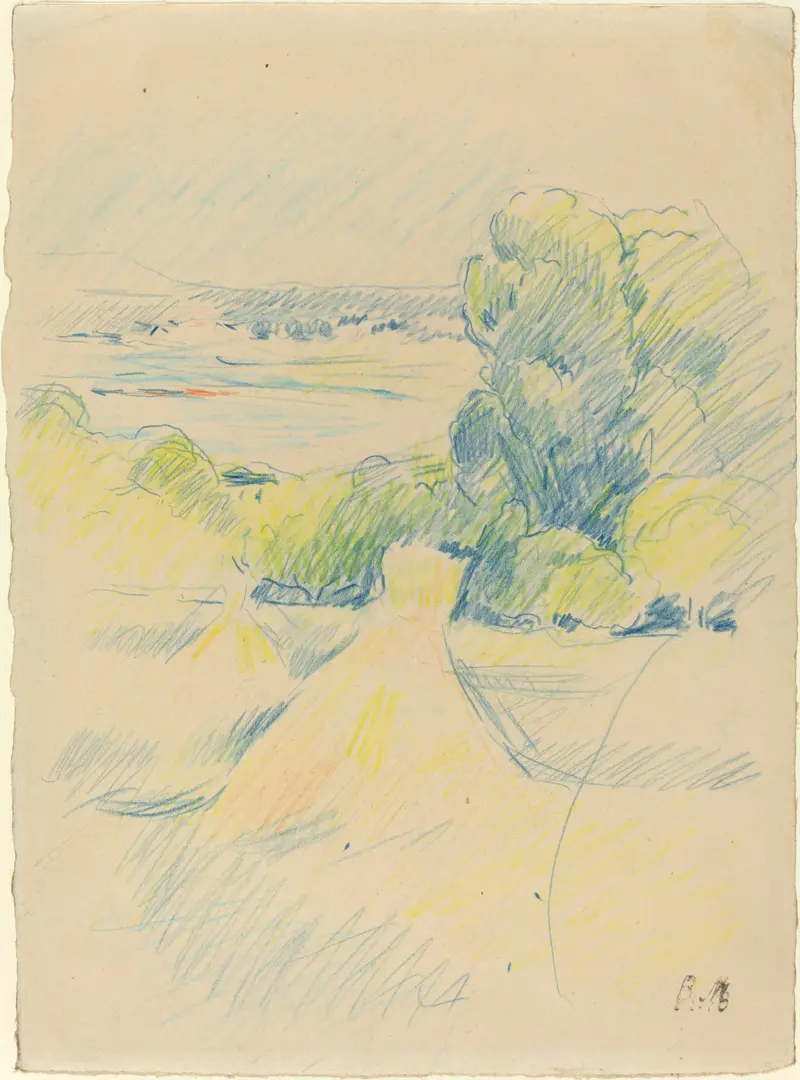
Landscape
Berthe Morisot

Hanging the Laundry out to Dry
Berthe Morisot

Woman in a Garden
Berthe Morisot

Young Girl with Hat
Berthe Morisot
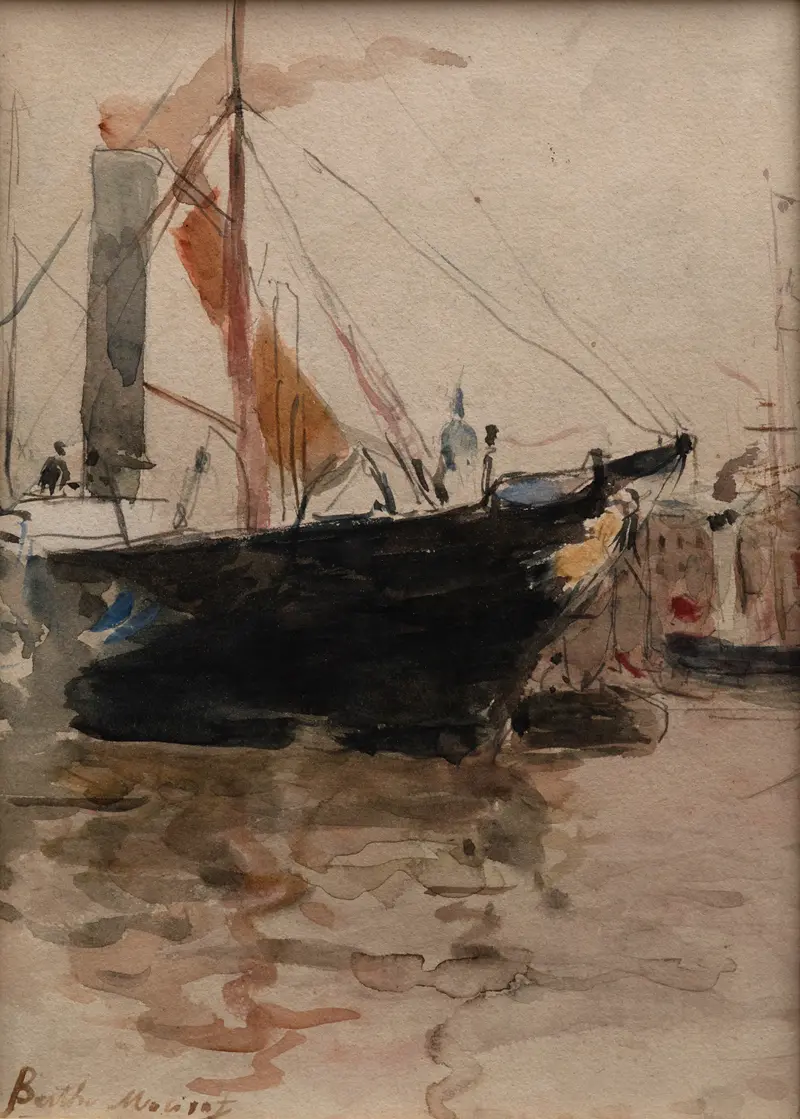
Harbor Scene, Isle of Wight
Berthe Morisot
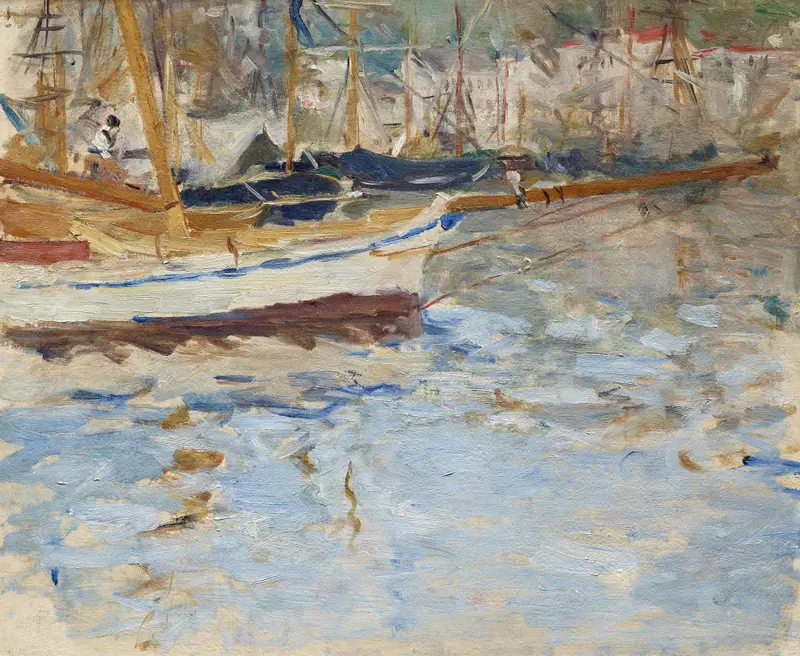
The Port of Nice
Berthe Morisot
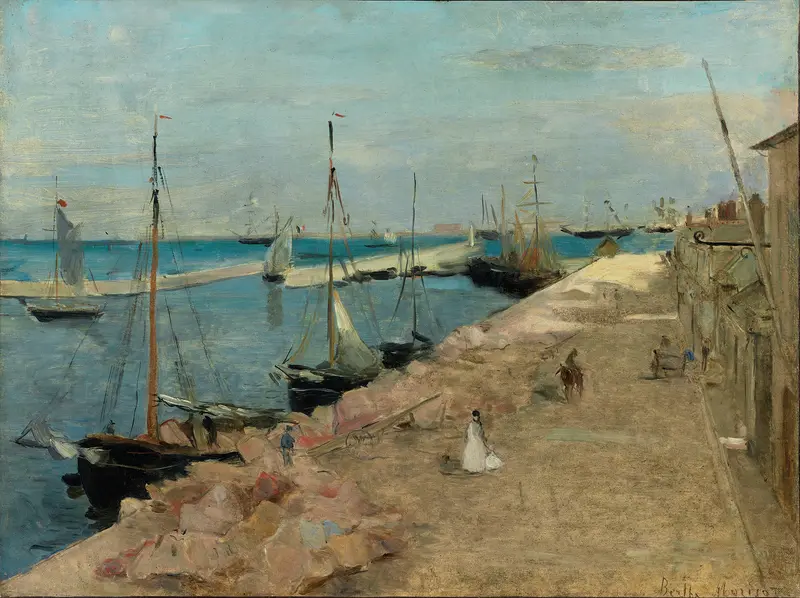
The Harbor at Cherbourg
Berthe Morisot

The Mother and Sister of the Artist
Berthe Morisot
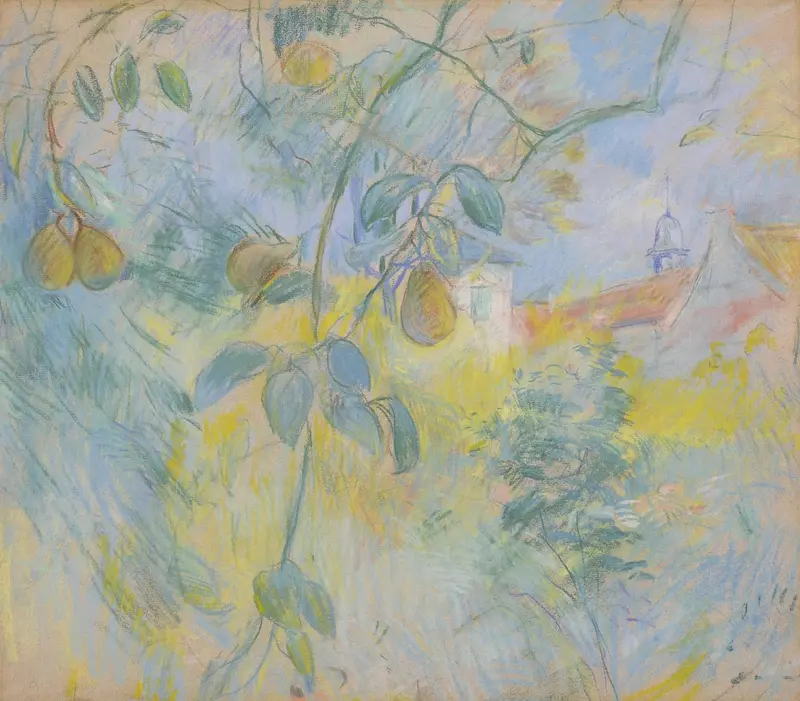
Les Poires
Berthe Morisot
More Genre Scene Art

Banquet of the Officers of the St George Civic Guard
Frans Hals

Rembrandt and Saskia in the Scene of the Prodigal Son
Rembrandt van Rijn

Bal du moulin de la Galette
Pierre-Auguste Renoir

Quadrille at the Moulin Rouge
Henri de Toulouse-Lautrec

A Burial at Ornans
Gustave Courbet

When Will You Marry?
Paul Gauguin