
Woman's Head — History & Facts
When Amedeo Modigliani first showed his portraits in Paris in 1915, critics were startled by the elongated faces and mask-like features, so different from the lively realism then in vogue. Woman's Head is one of the earliest examples of this new style, which drew as much from African sculpture as from the Italian Renaissance. The model’s identity remains a mystery, a recurring theme in Modigliani’s work, where the sitter’s individuality is often subsumed by the artist’s vision.
This painting marks a turning point: the year Modigliani abandoned sculpture due to ill health and poured his sculptor’s sense of form into painting alone. The woman’s almond eyes do not meet the viewer’s gaze; instead, they drift inward, lending her an air of introspection. Her neck is impossibly long, her face stretched and stylized, recalling the elegant heads of ancient Cycladic idols. The background is pared down to a muted, flat plane, forcing all attention onto the sitter’s enigmatic features.
Unlike Picasso’s analytical Cubist portraits of the same period, Modigliani’s approach softens and simplifies, seeking a lyrical harmony rather than fragmentation. The absence of detail in the clothing and setting strips the portrait to its essentials: line, color, and the quiet mystery of the human face. The precise early history of Woman’s Head is not fully documented, a common fate for Modigliani’s works, many of which changed hands in the lively Parisian art market of the 1910s and 1920s. What is clear is that this painting belongs to a crucial period when Modigliani was developing the distinctive style that would later make his portraits instantly recognizable.
Today, Woman’s Head stands as a testament to the artist’s search for beauty and simplicity amid the turbulence of early twentieth-century Paris. It remains in a private collection, rarely exhibited, but often reproduced as a key example of Modigliani’s mature vision.
More Artworks by Amedeo Modigliani
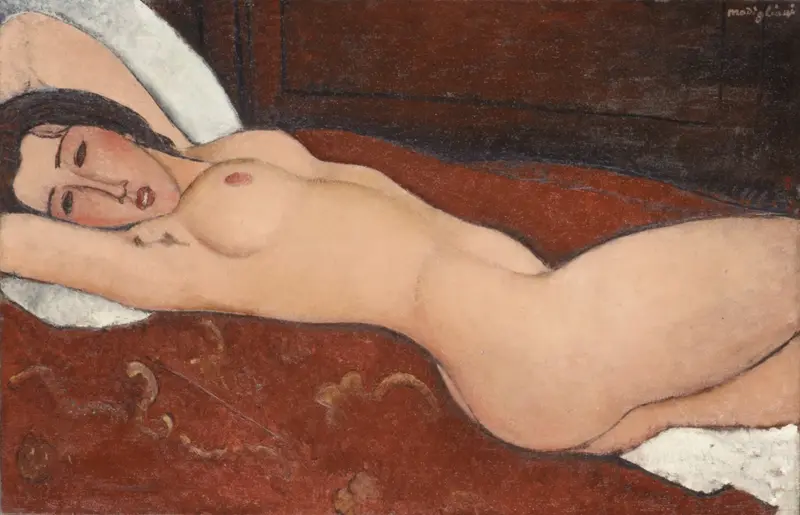
Reclining Nude
Amedeo Modigliani

Portrait Of Jeanne Hébuterne
Amedeo Modigliani

Jeanne Hébuterne
Amedeo Modigliani
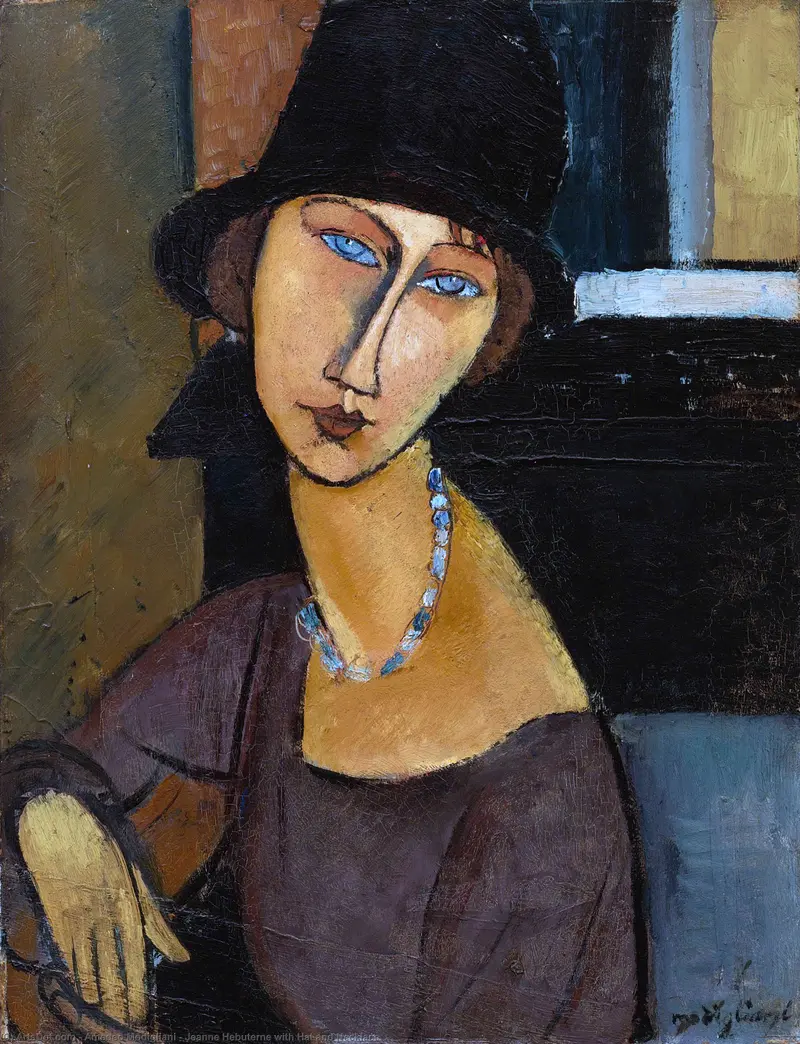
Jeanne Hébuterne with Hat and Necklace
Amedeo Modigliani
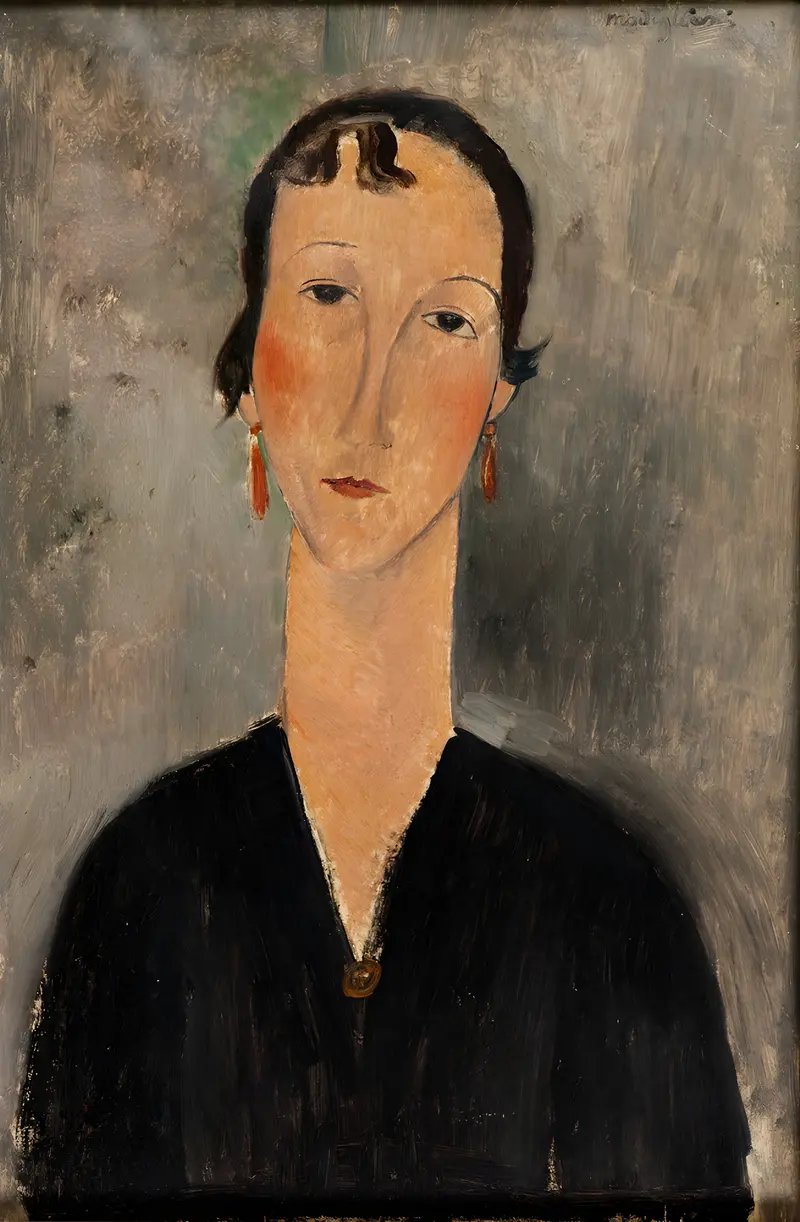
Femme aux boucles d'oreilles
Amedeo Modigliani
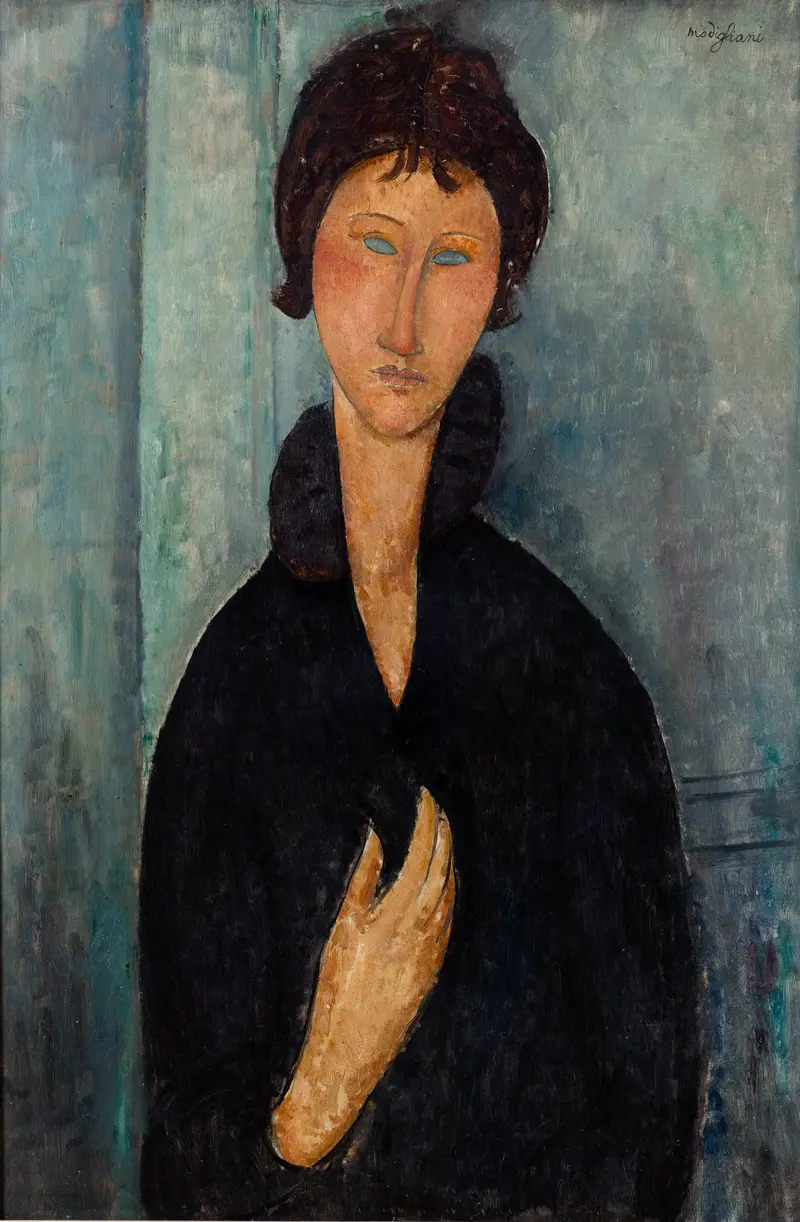
Femme aux yeux bleus
Amedeo Modigliani
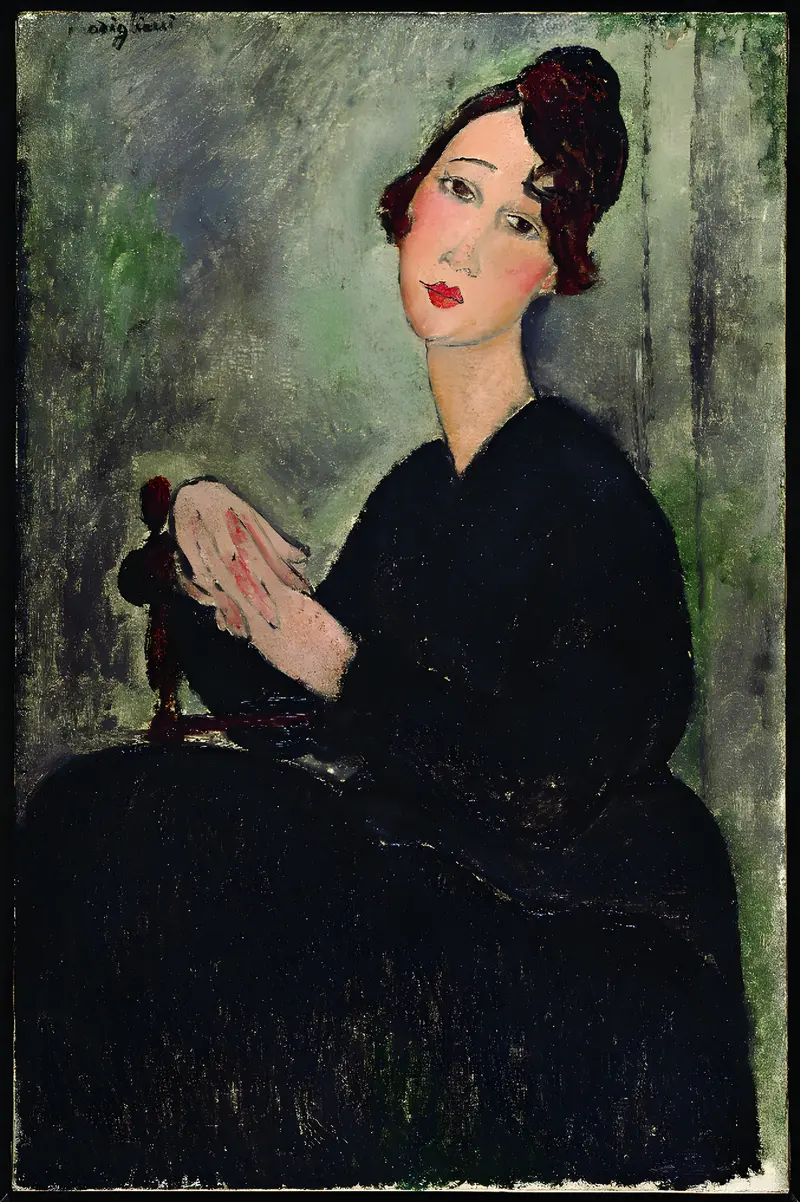
Portrait of Dedie
Amedeo Modigliani
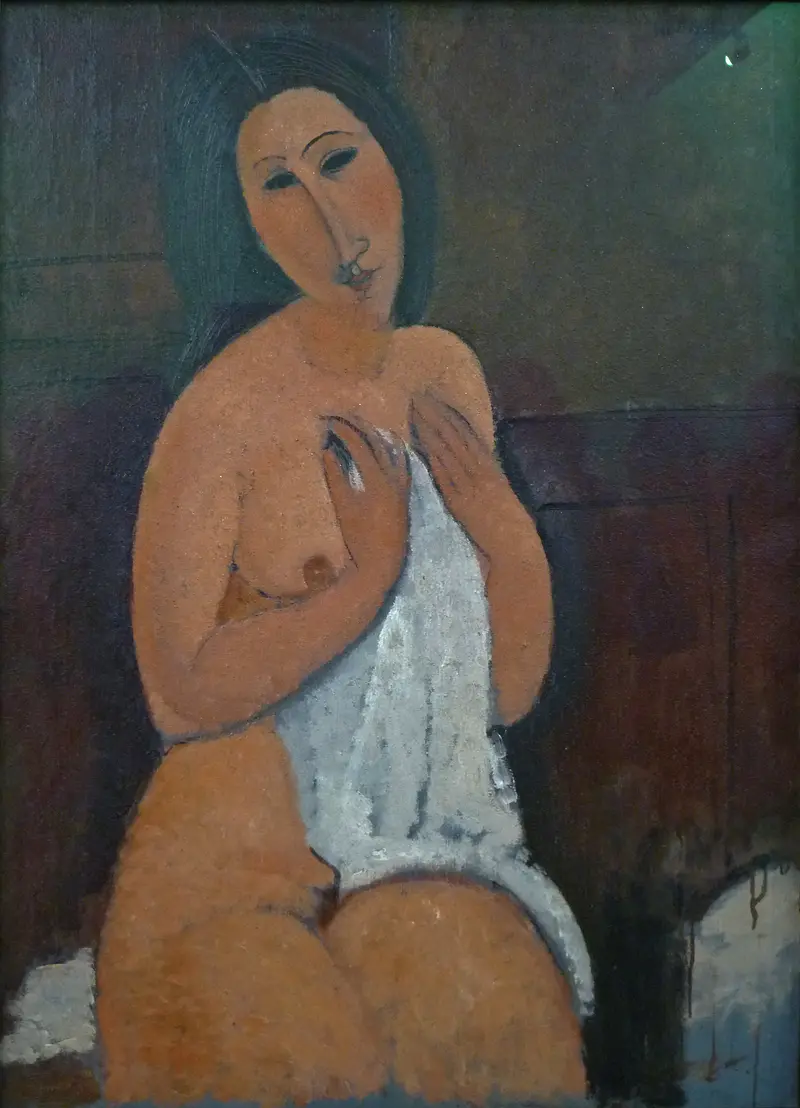
Seated nude with shirt
Amedeo Modigliani
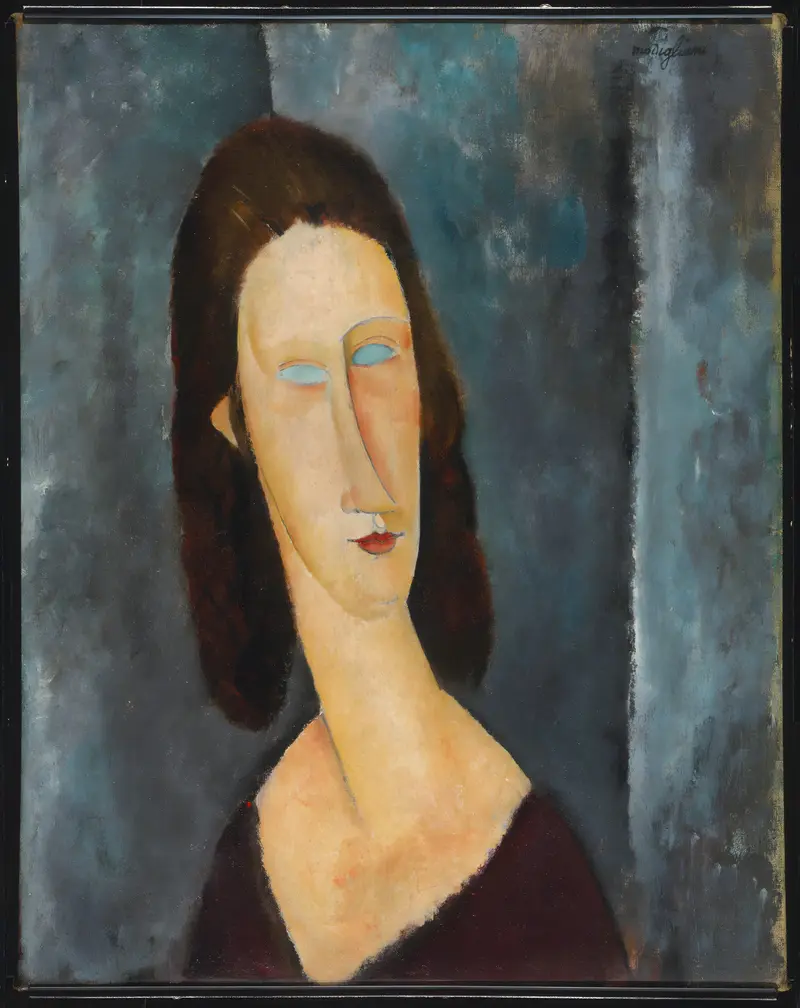
Blue Eyes (Portrait of Madame Jeanne Hébuterne)
Amedeo Modigliani
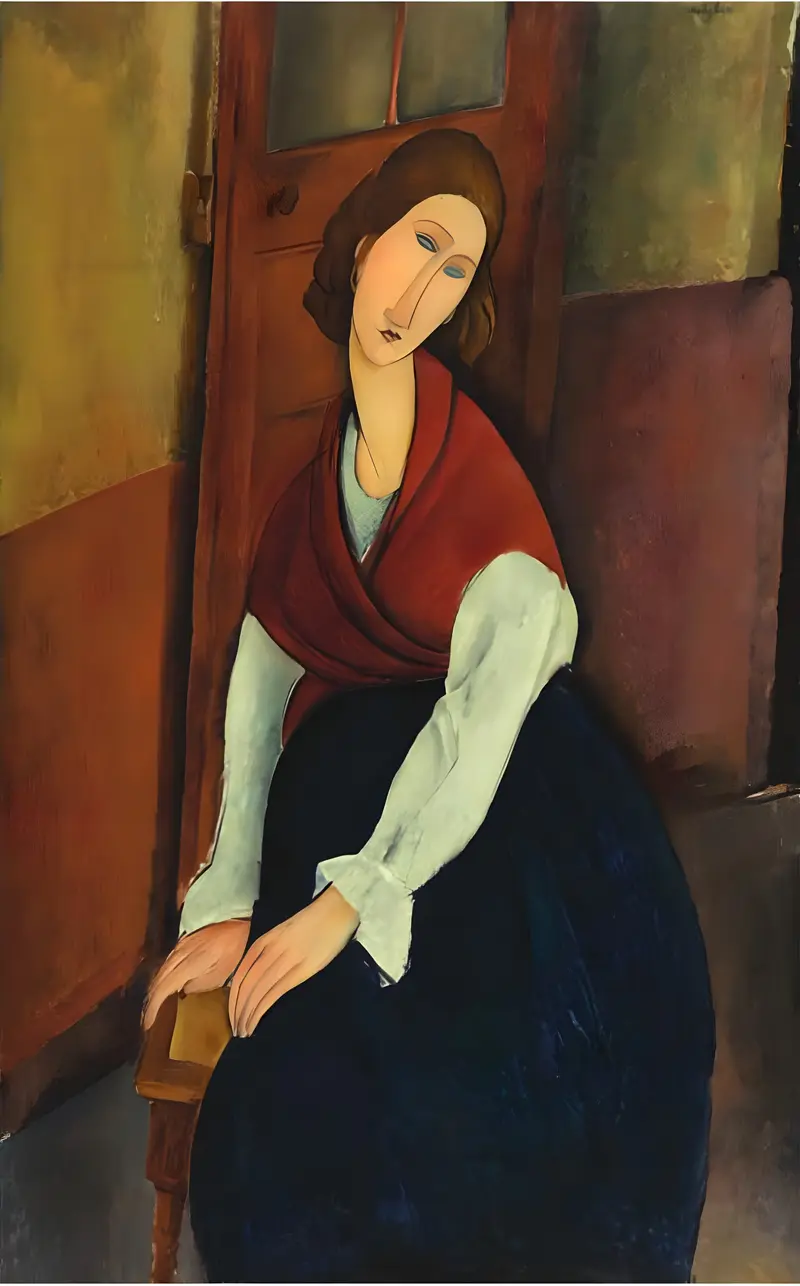
Jeanne Hebuterne in Red Shawl
Amedeo Modigliani





