Woodland Path — History & Analysis
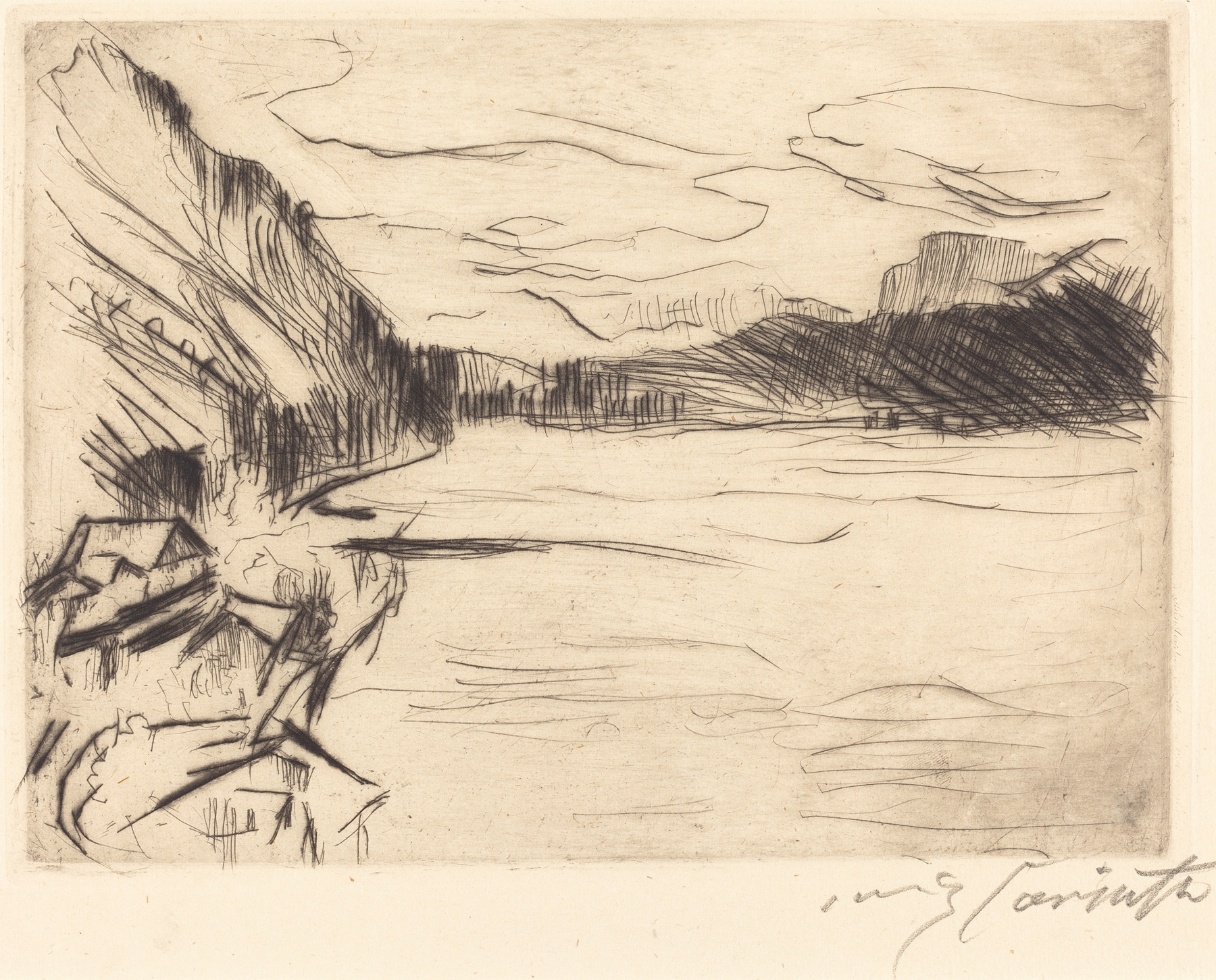
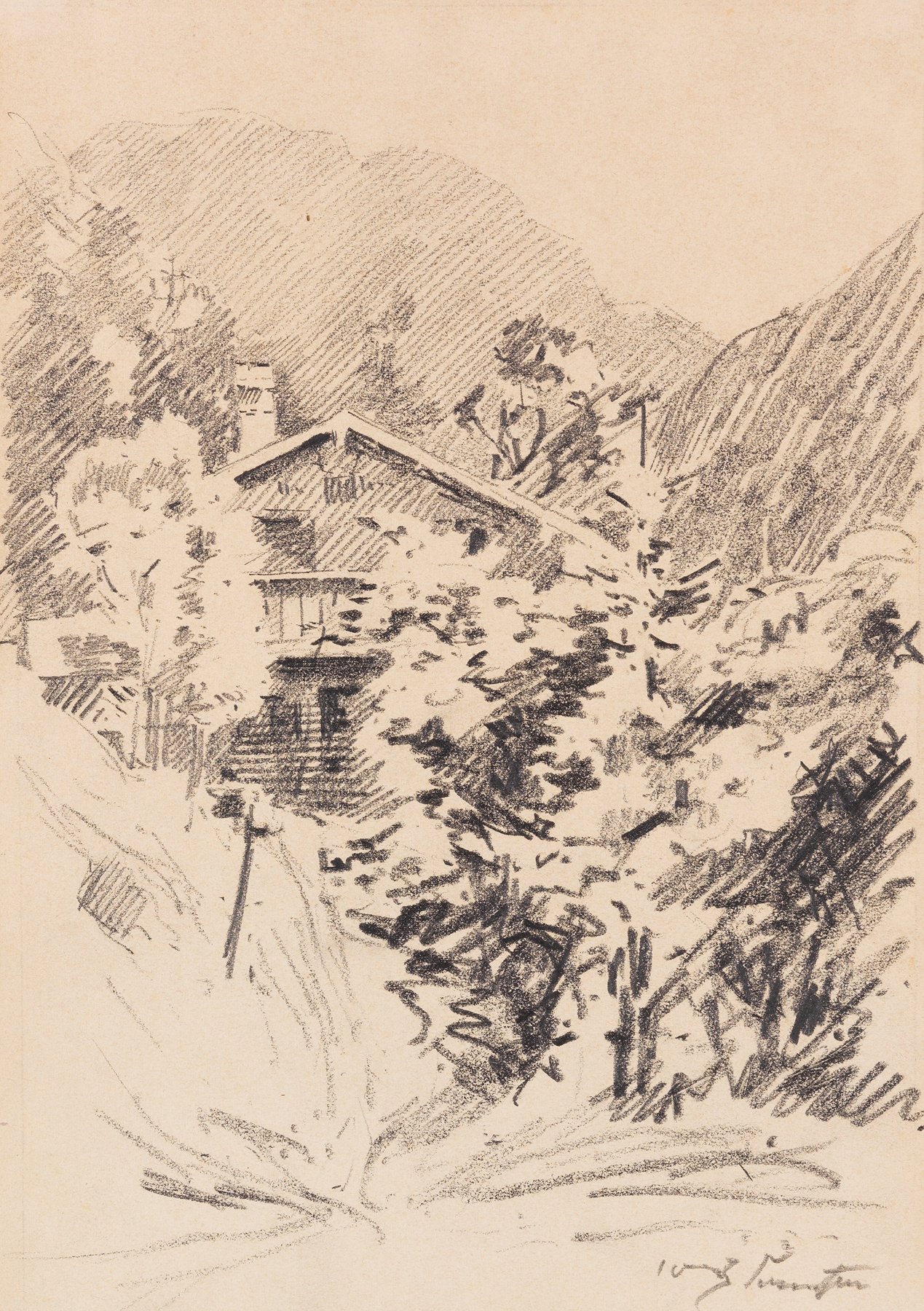
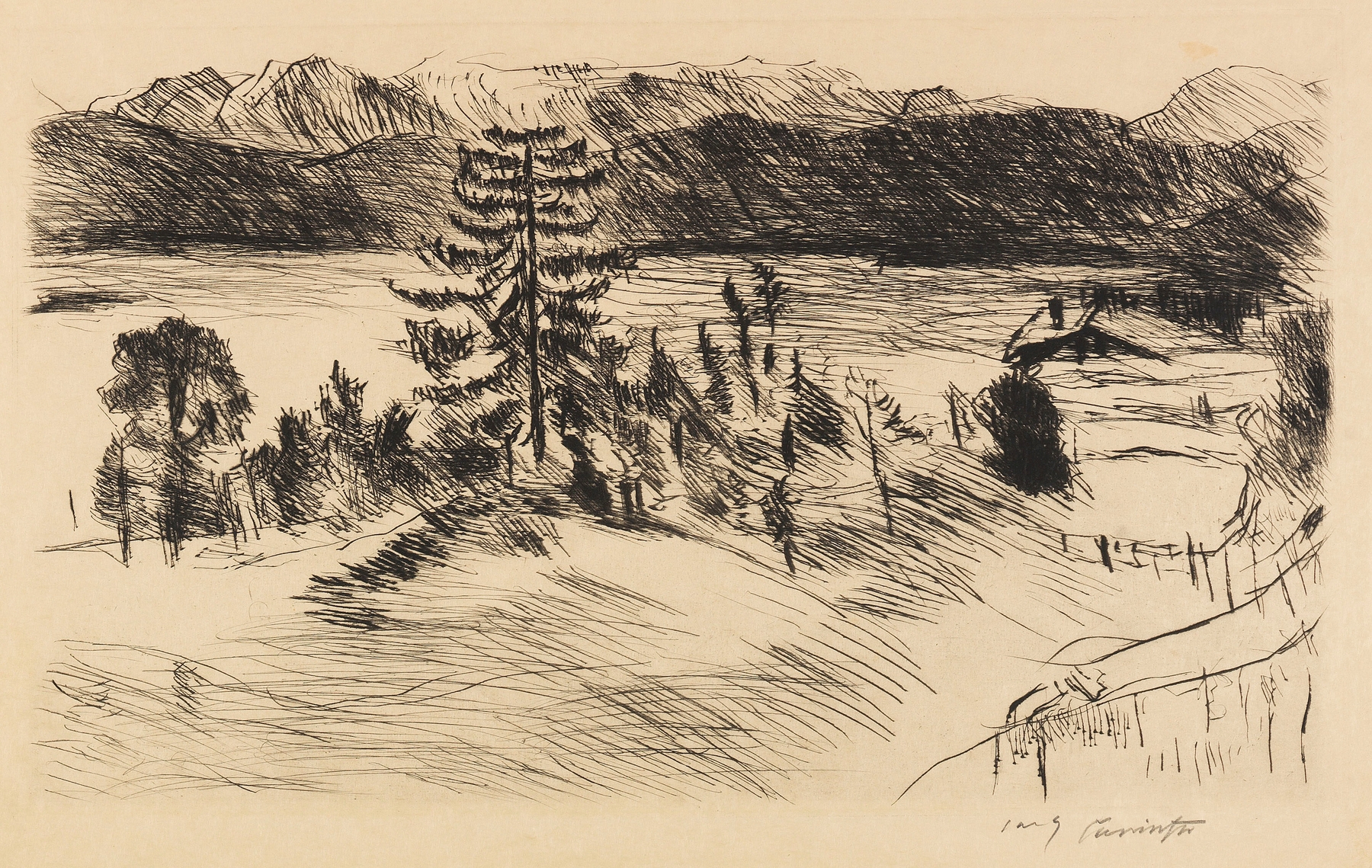
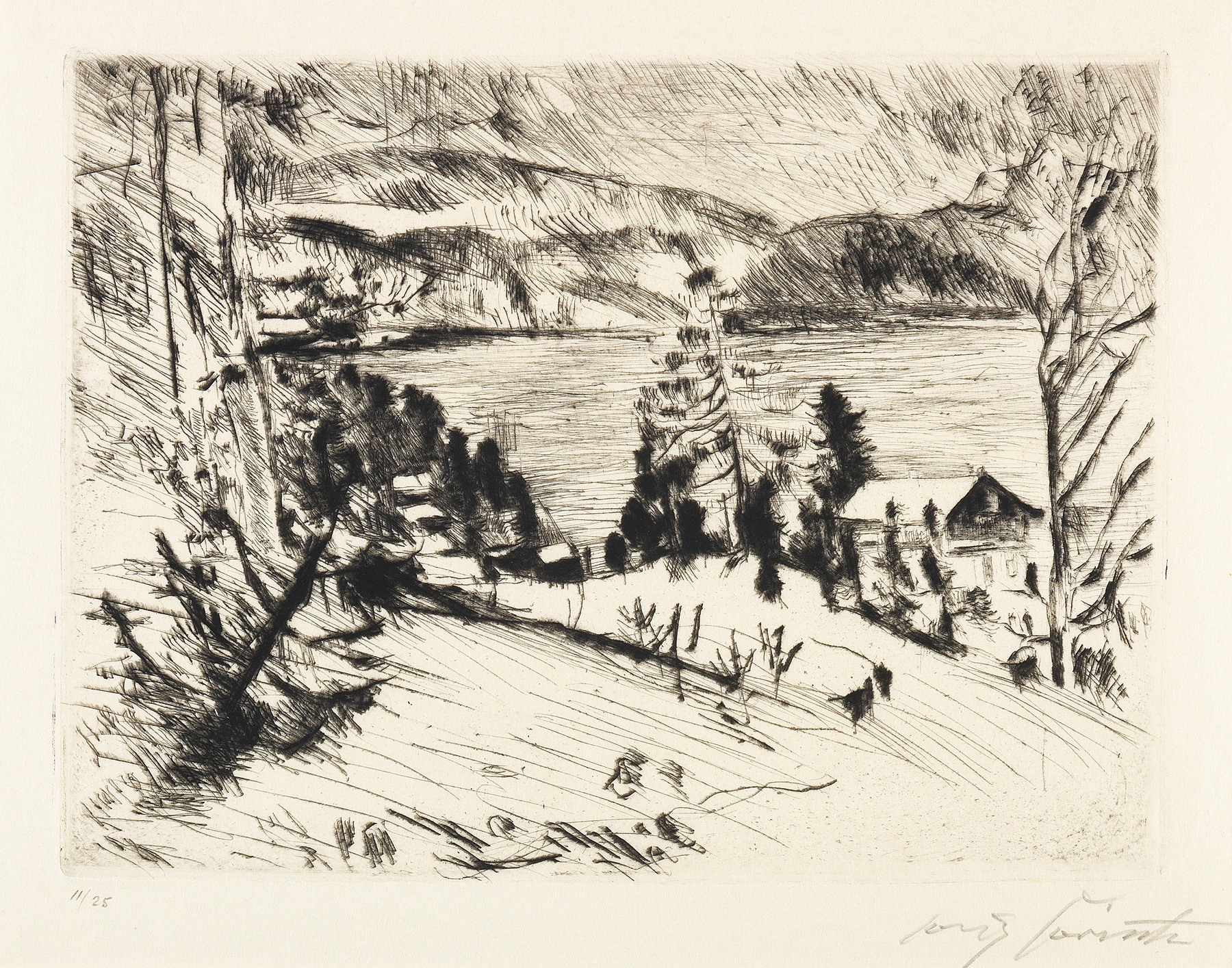
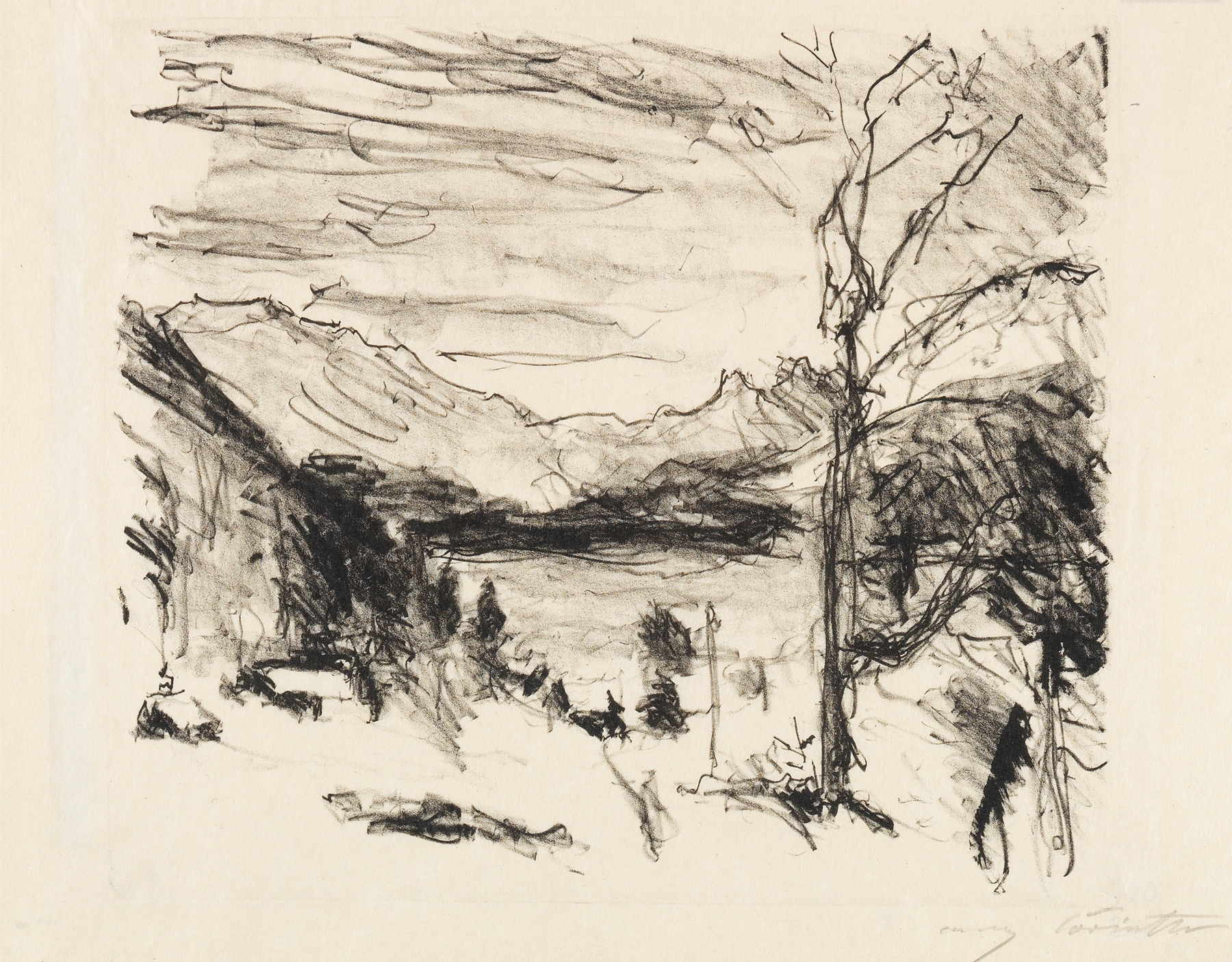
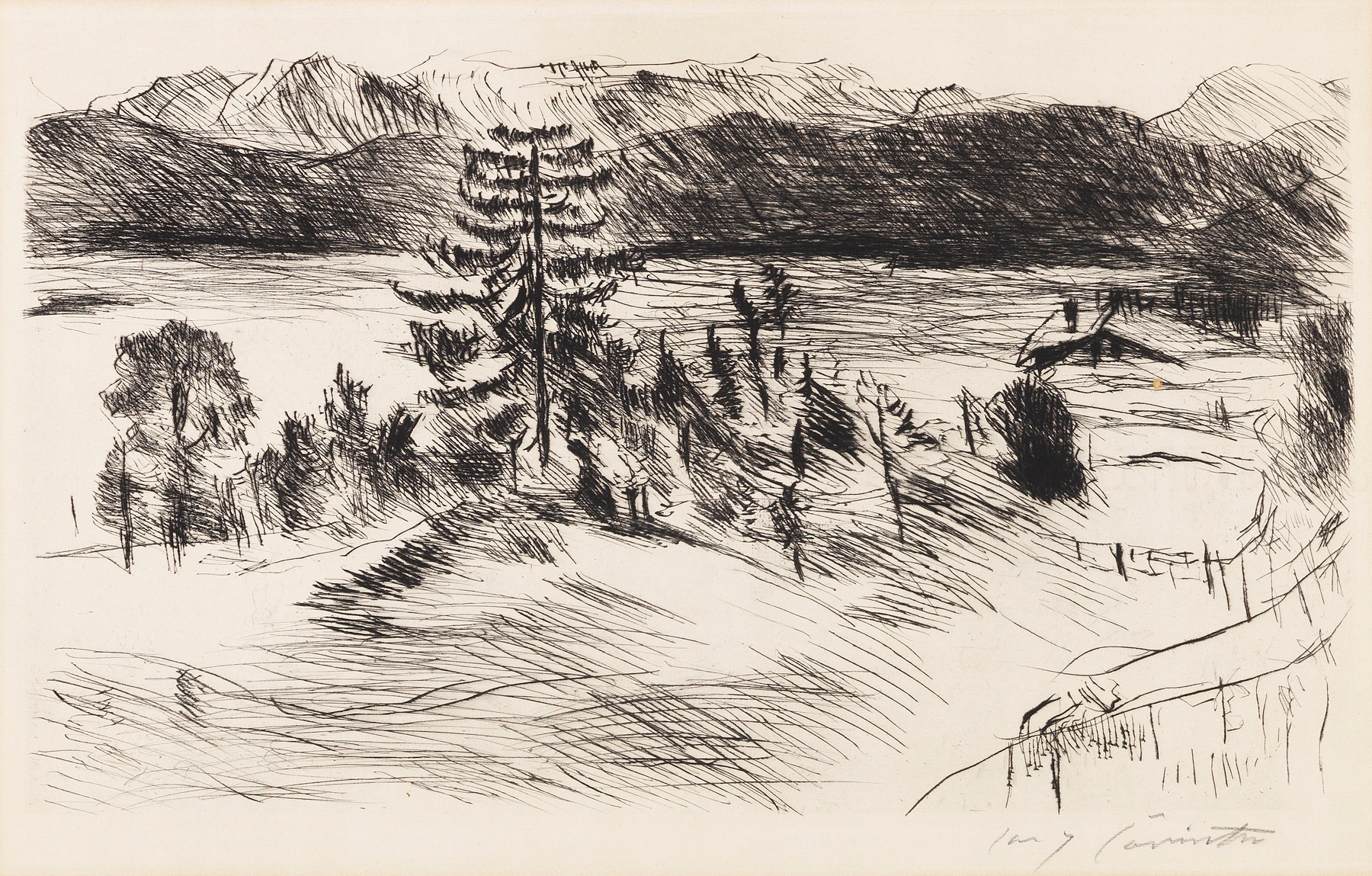
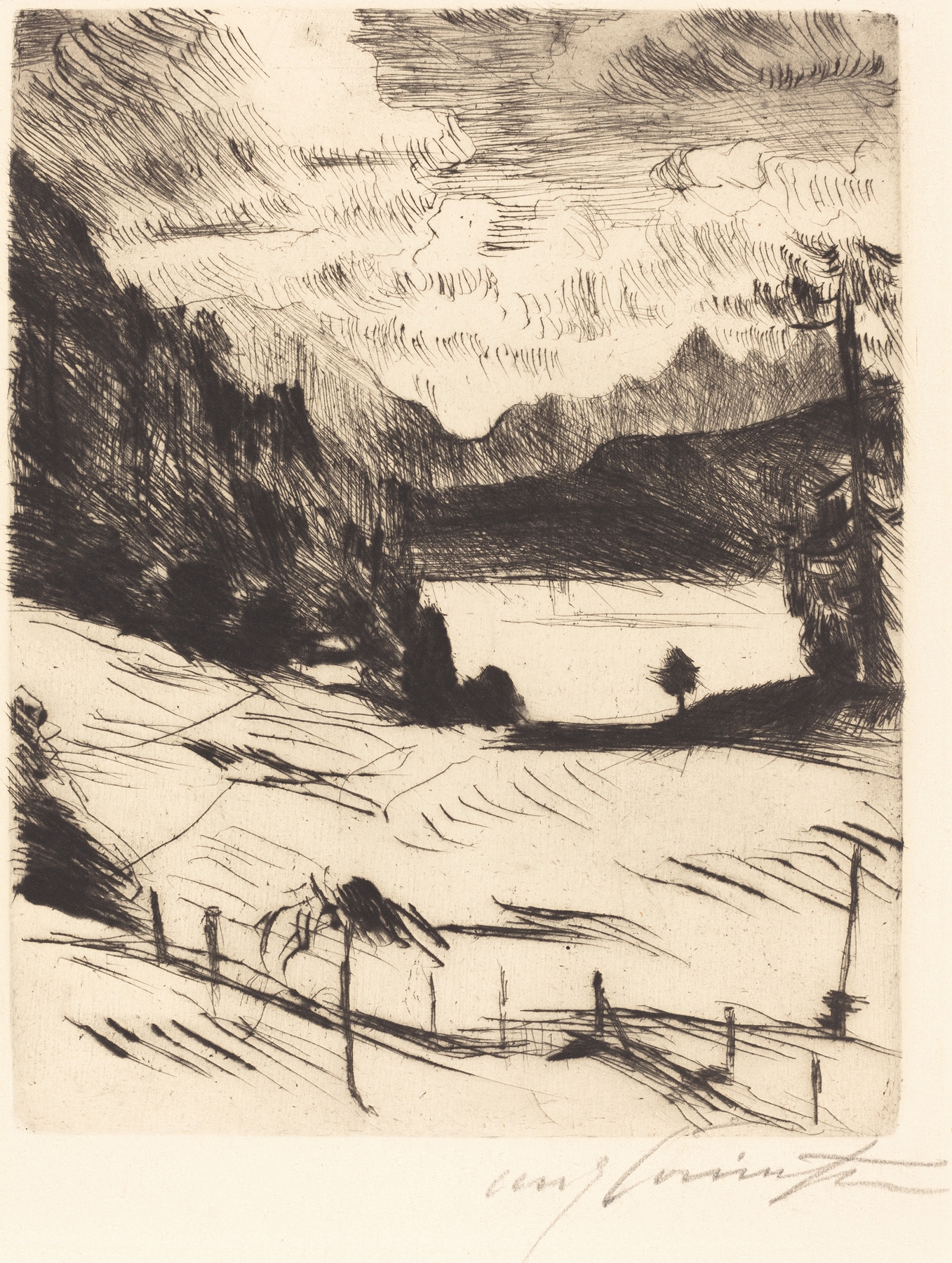
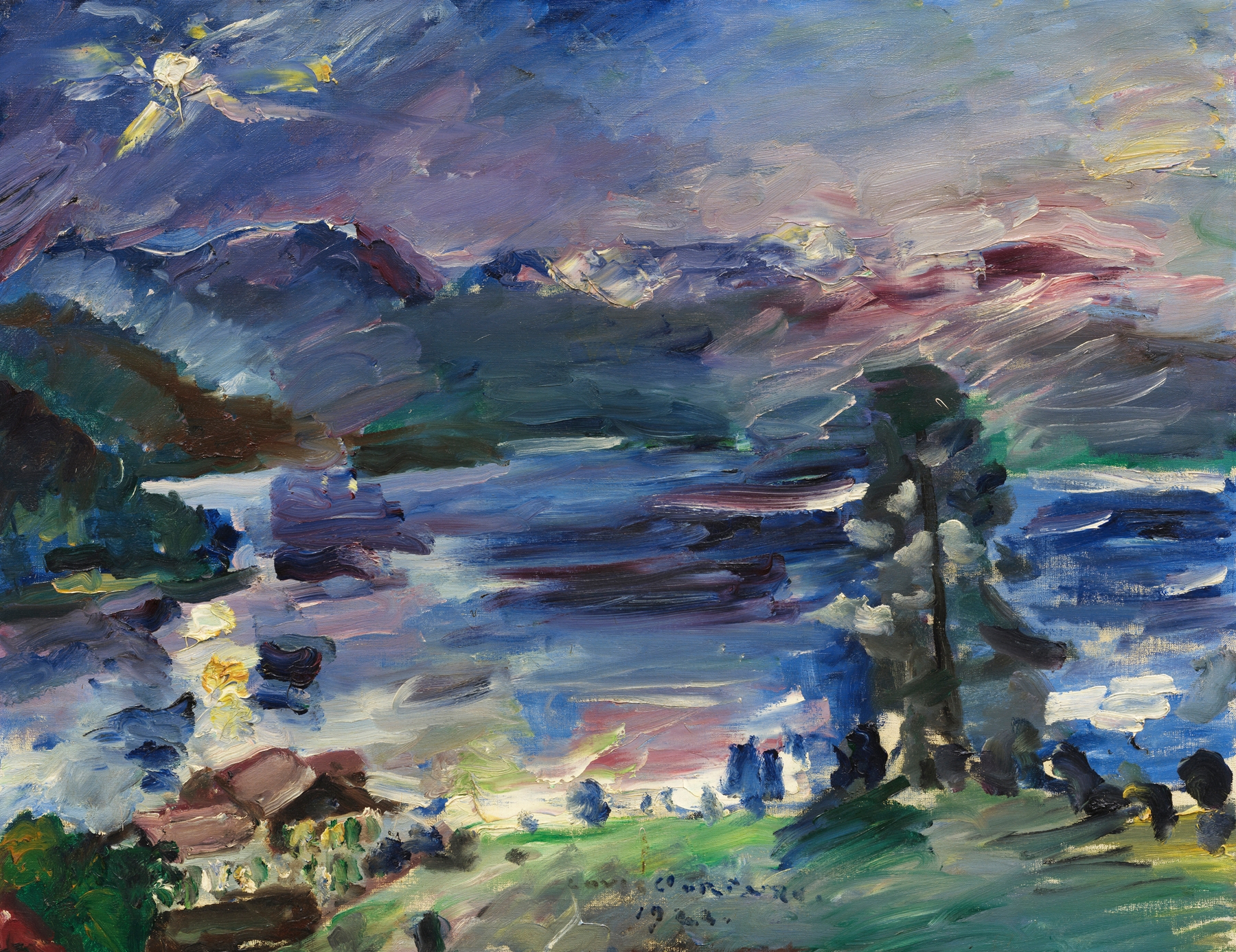
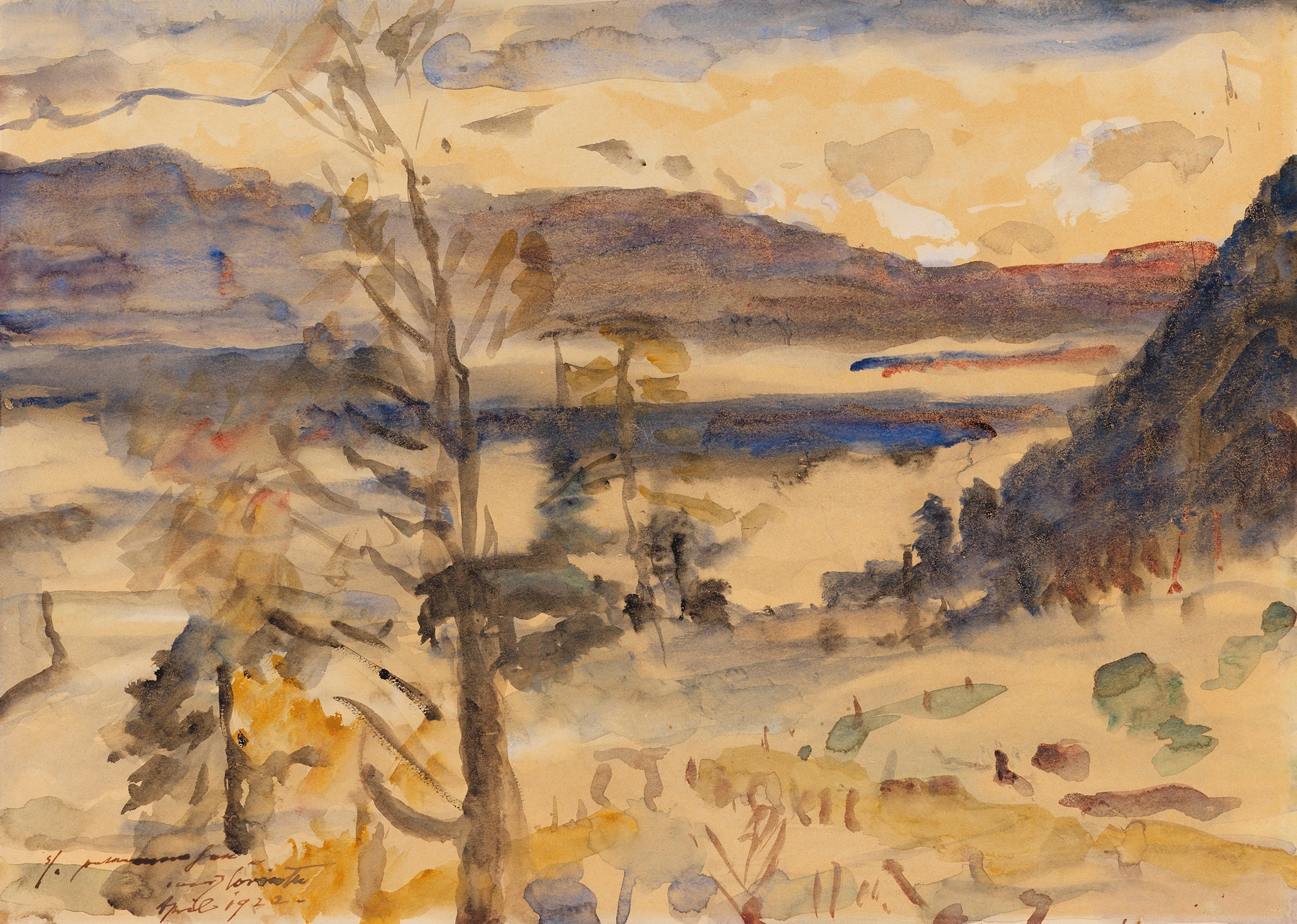
Could a single brushstroke hold eternity? In Woodland Path, the essence of nature unfolds, inviting viewers into a tranquil yet transformative realm where every stroke whispers the promise of change. Look to the right at the vibrant greens and earthy browns that blend seamlessly, creating a lush tapestry of foliage. Notice how the light filters through the trees, dappled and alive, illuminating the path ahead.
The artist's brushwork is both vigorous and delicate, capturing the tension between chaos and harmony within the forest. The composition draws the eye along the winding path, inviting one to step into the scene, to explore what lies beyond the canvas. Within this serene environment, a paradox emerges—nature's beauty juxtaposed with the underlying pulse of an era in transition. The vibrant hues evoke life, yet the shadows hint at the passage of time and the inevitability of change.
Each detail, from the twisting branches to the soft underbrush, reveals the artist’s struggle with the duality of creation and decay, reflecting the broader social shifts of the 1890s. During this period, Lovis Corinth was honing his style in Munich, navigating the currents of modernism that challenged traditional representation. The 1890s were marked by a revolution in artistic expression, as artists sought to break free from conventions and embrace new forms of representation. In Woodland Path, Corinth captures not only a scene of nature but also the spirit of an era poised on the brink of transformation.