
Work in a farmstead — History & Facts
What secret hides in the quiet of the canvas? Beneath the serene facade of rural life, a whisper of violence lingers in the air. Look to the center of the painting, where figures move with a deceptive calmness, their postures reflecting labor yet concealing tension. Notice how the soft, earthy palette harmonizes with the golden hues of grain, yet hints at unspoken stories. The brushwork, meticulous yet dynamic, captures the essence of toil; every stroke feels infused with an urgency that belies the tranquil atmosphere. As you explore the fringes, observe the small details that evoke unease—a shadow cast by a fading sun, the clenching of hands as they grip tools, the ominous stillness of the surrounding landscape.
Each element suggests an underlying struggle, the duality of beauty and hardship that defines farm life. A moment’s pause reveals the weight of expectation, making the viewer acutely aware of the fragility that pervades existence. In 1924, the artist created this piece during a transformative period in his life, marked by a migration from Poland to France. The aftermath of World War I loomed large, and the art world was shifting as modernism began to take root.
Makowski, influenced by his experiences, sought to encapsulate the complexities of rural existence, confronting the viewer with beauty that is never too far removed from the potential for violence.
More Artworks by Tadeusz Makowski
Browse all →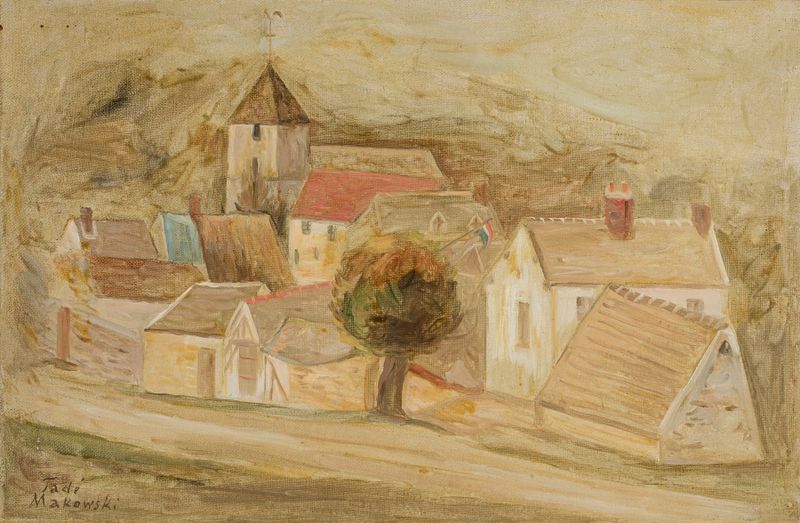
Miasteczko
Tadeusz Makowski

Pejzaż wiosenny
Tadeusz Makowski
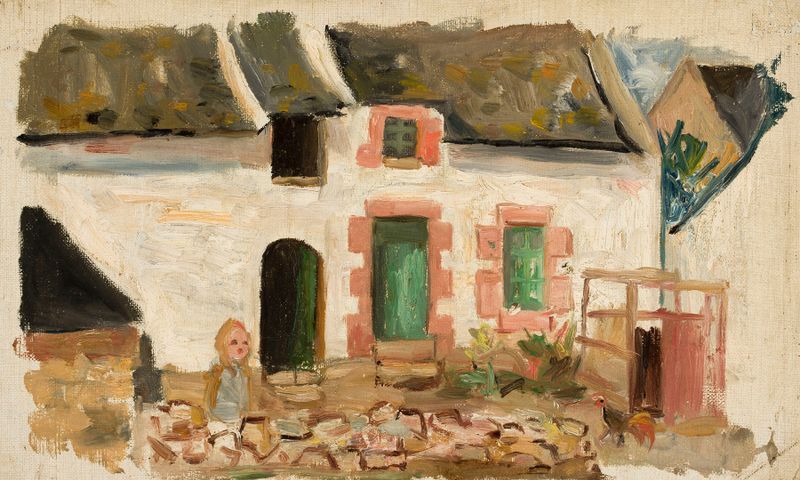
Dziecko przed domem
Tadeusz Makowski
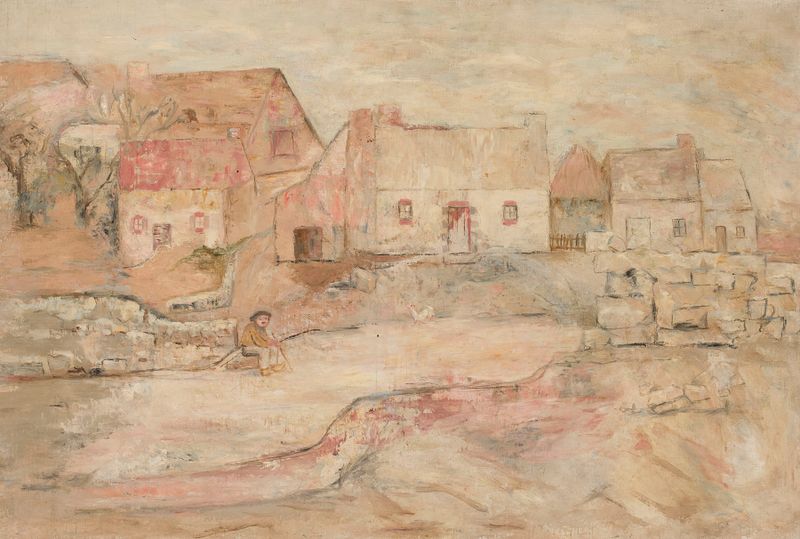
Pejzaż bretoński z siedzącym człowiekiem
Tadeusz Makowski
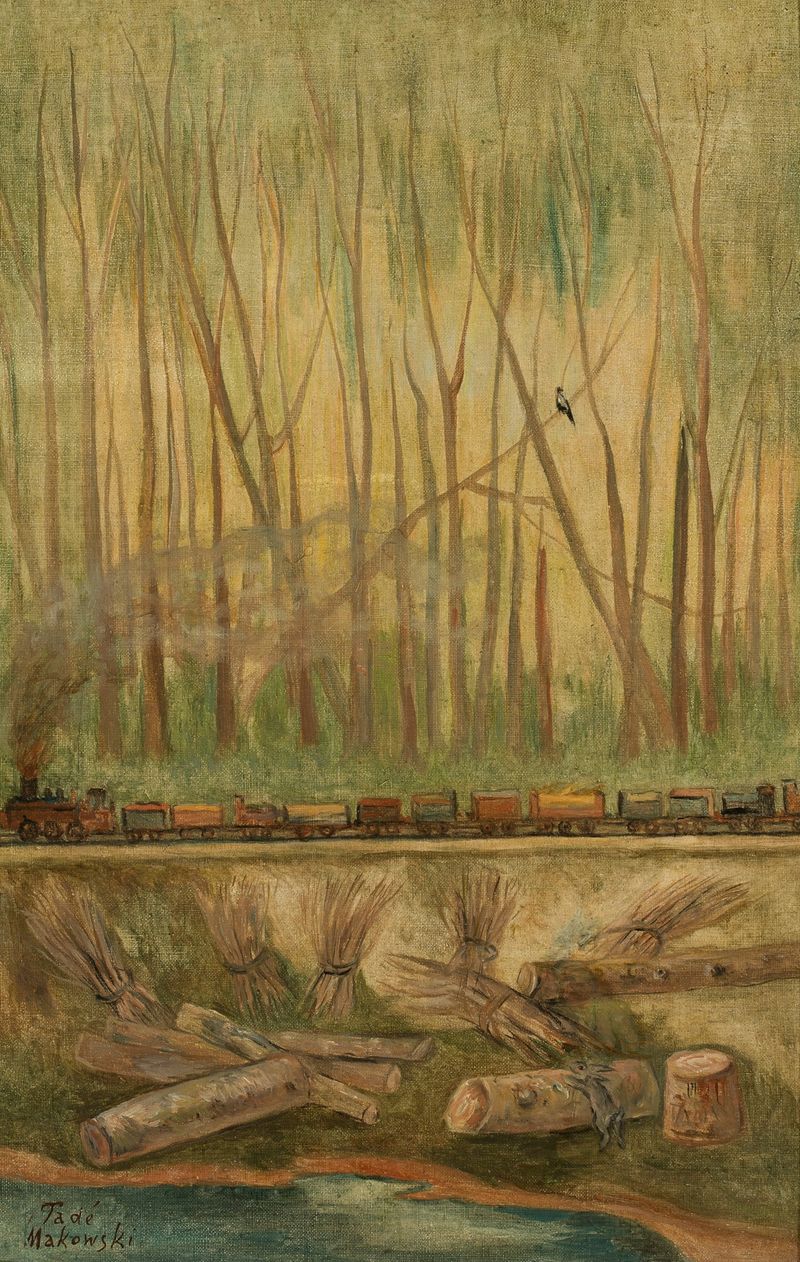
Pociąg
Tadeusz Makowski
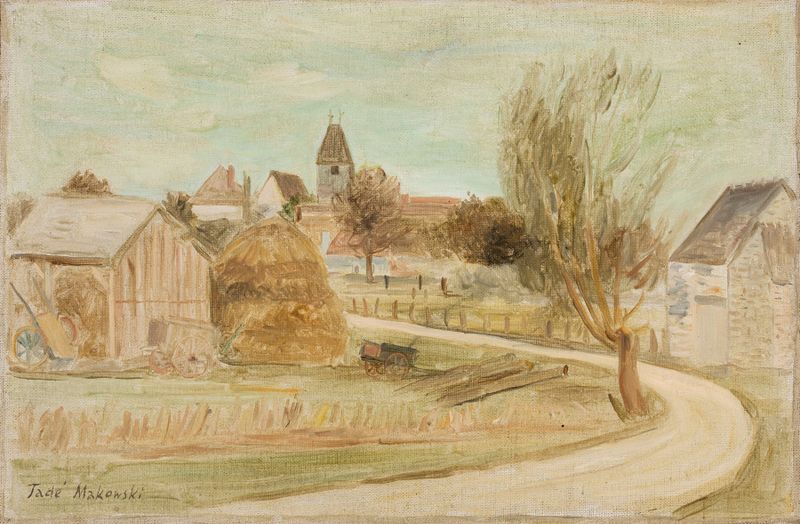
Na skraju wsi
Tadeusz Makowski

Pejzaż miejski (Esplanade des Invalides)
Tadeusz Makowski
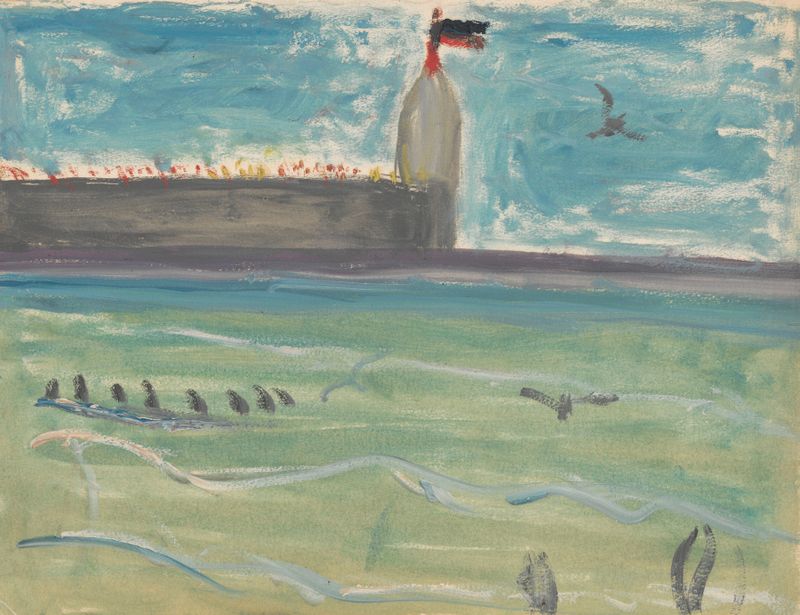
Latarnia morska w Tréport
Tadeusz Makowski
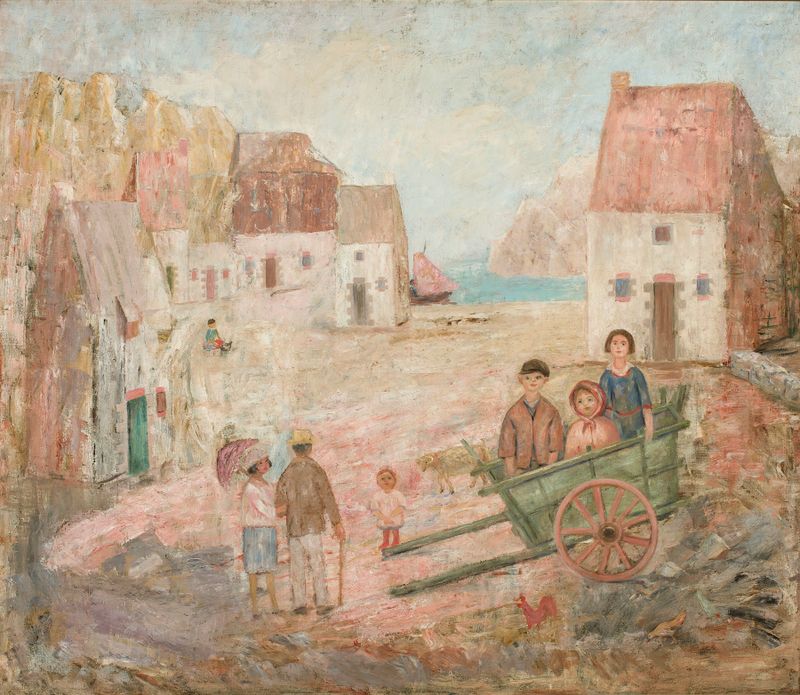
Landscape of a small town with children in a pram
Tadeusz Makowski
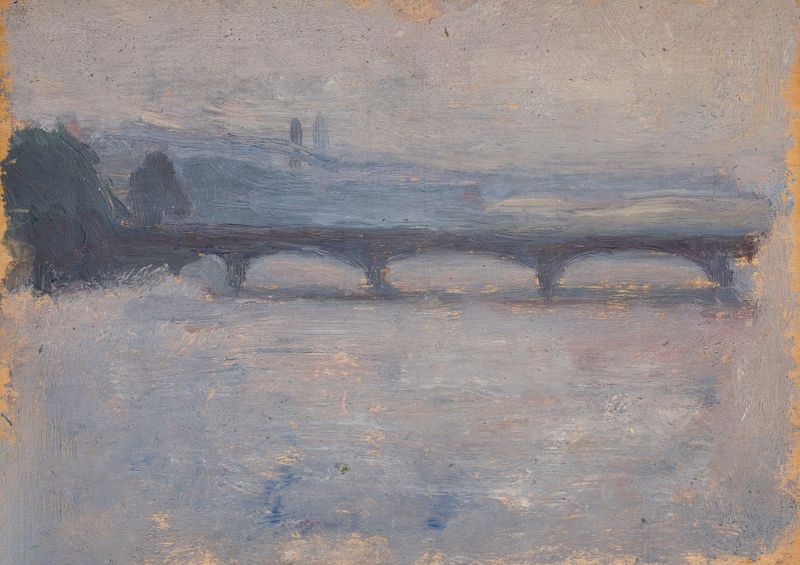
Bridge on the Seine
Tadeusz Makowski





