
Worshippers at a Shrine in a Mountainous Landscape — History & Facts
A shaft of sunlight breaks through the clouds and lands not on the distant hilltop village, but on the huddled figures below, drawing the viewer’s gaze to a congregation at the foot of a shrine. The eye is swept from the wild, wind-tossed trees that frame the scene down to the tangle of worshippers, their gestures urgent and animated. The shrine itself rises like a beacon at the center, its verticality echoed by the slender trunks around it, suggesting both aspiration and enclosure.
The palette is earthy and restless, the brushwork energetic, giving the landscape a sense of movement and unpredictability—nature and humanity caught in a moment of shared devotion. The distant architecture, half-ruined, hints at histories long past, while the crowd’s fervor feels immediate and alive. Painted by Alessandro Magnasco sometime between 1655 and 1749, this work is steeped in the spirit of late Baroque Italy, where religious observance spilled out of grand cathedrals and into the countryside. Such scenes, often commissioned for private contemplation or as reminders of faith’s place in daily life, reflect a world in which the boundaries between the sacred and the everyday were porous.
Magnasco’s distinctive style—marked by rapid, almost nervous brushwork and a taste for the dramatic—sets his landscapes apart from the more serene visions of his contemporaries. Today, Worshippers at a Shrine in a Mountainous Landscape resides in the collection of the Museum of Fine Arts, Houston, its mysteries intact, inviting us to step into the shadows and light of its imagined world.
More Artworks by Alessandro Magnasco

The Synagogue
Alessandro Magnasco
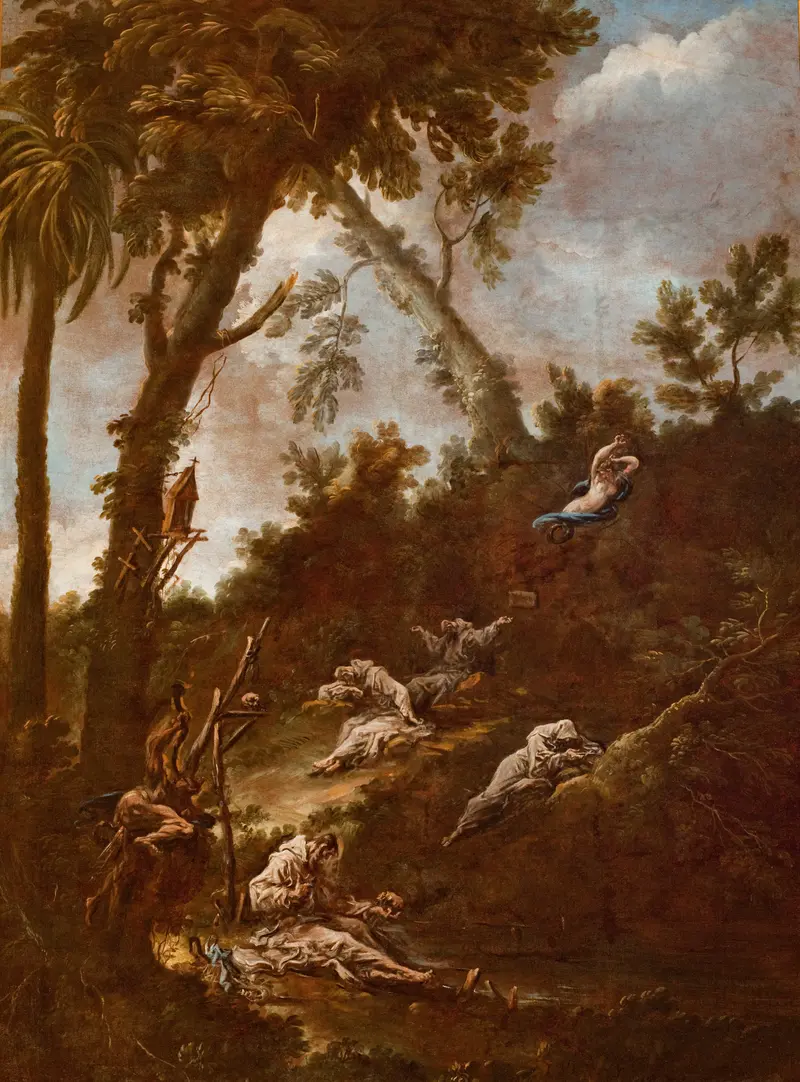
Hermits (Anachorets)
Alessandro Magnasco
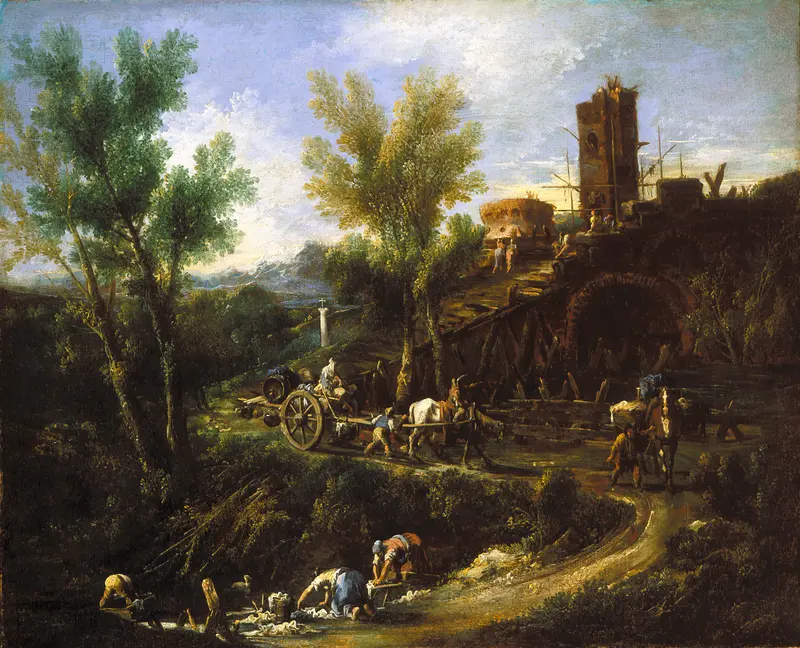
Landscape with Gypsies and Washerwomen
Alessandro Magnasco
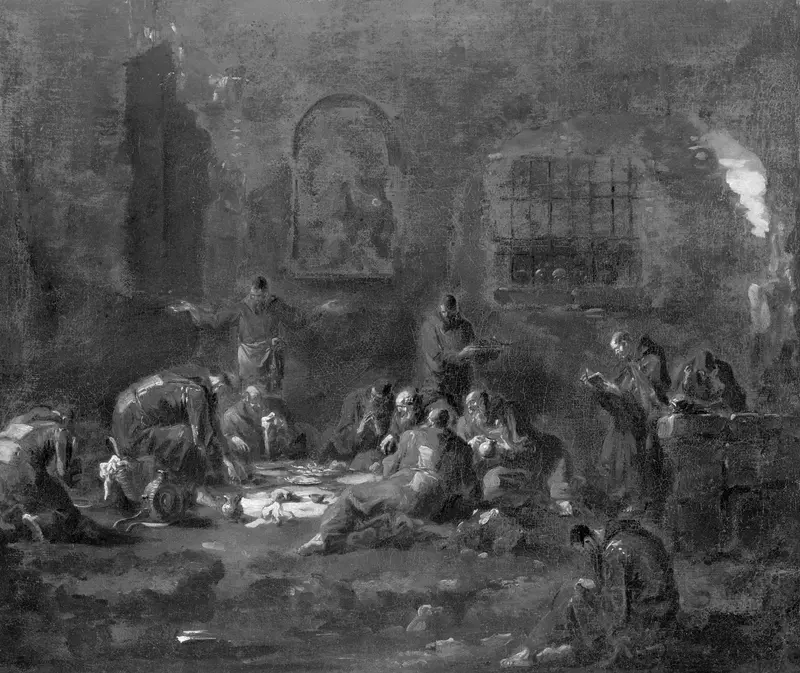
Monks at Supper
Alessandro Magnasco
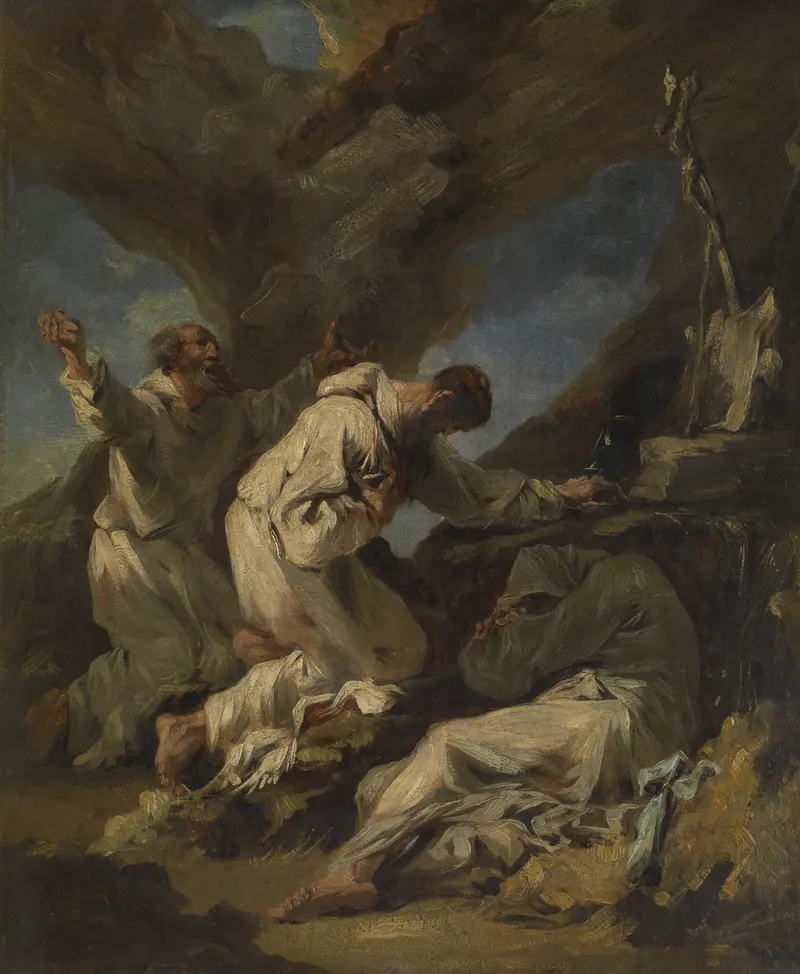
Praying Monks
Alessandro Magnasco
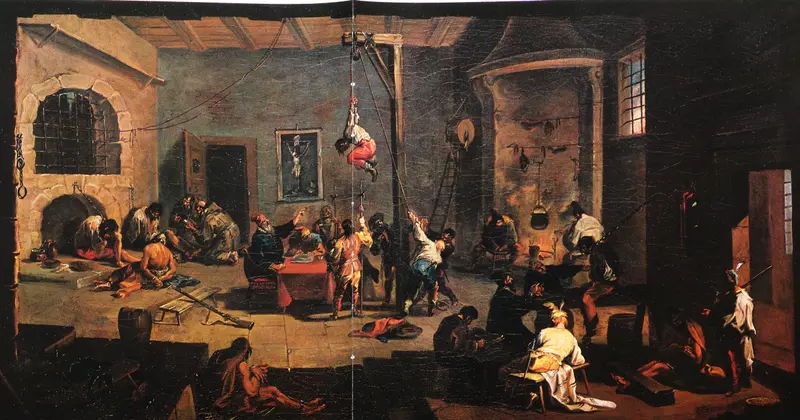
Torture Scene
Alessandro Magnasco
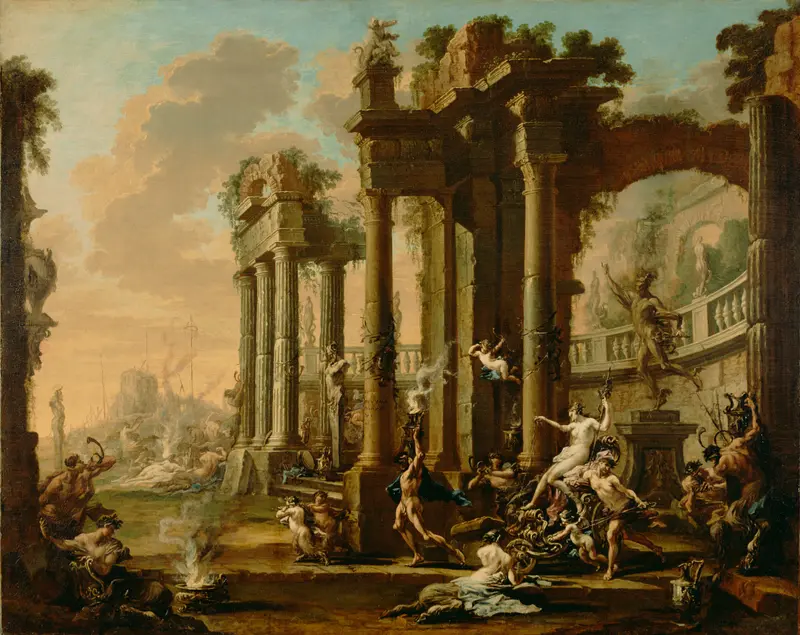
The Triumph of Venus
Alessandro Magnasco
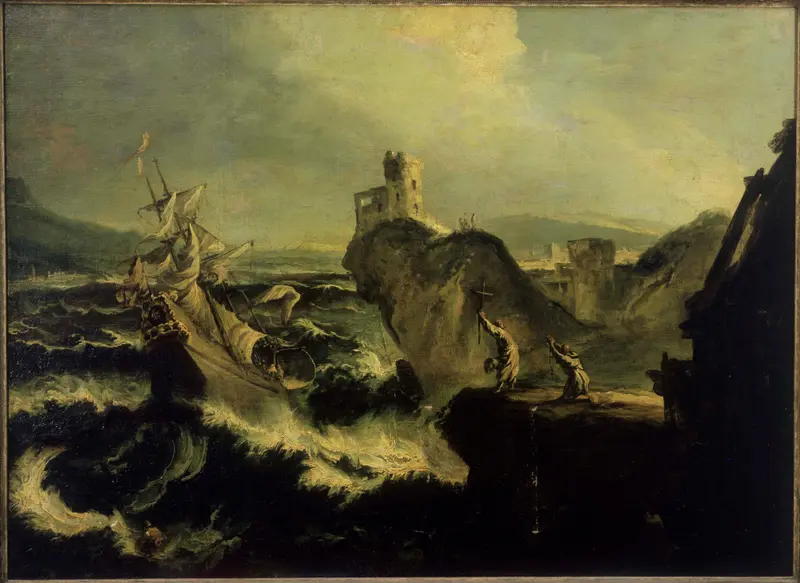
The Shipwreck
Alessandro Magnasco
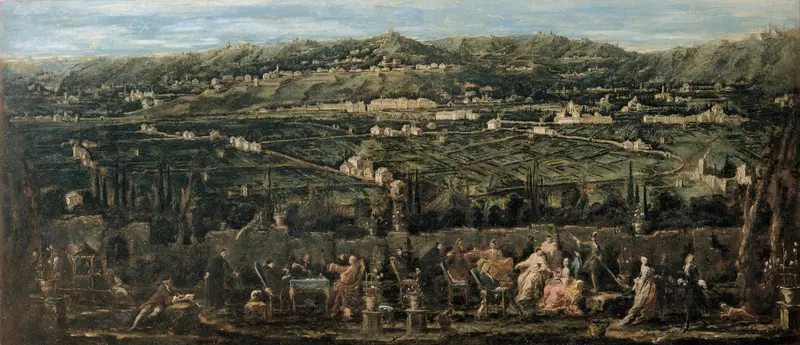
Garden Party in Albaro
Alessandro Magnasco
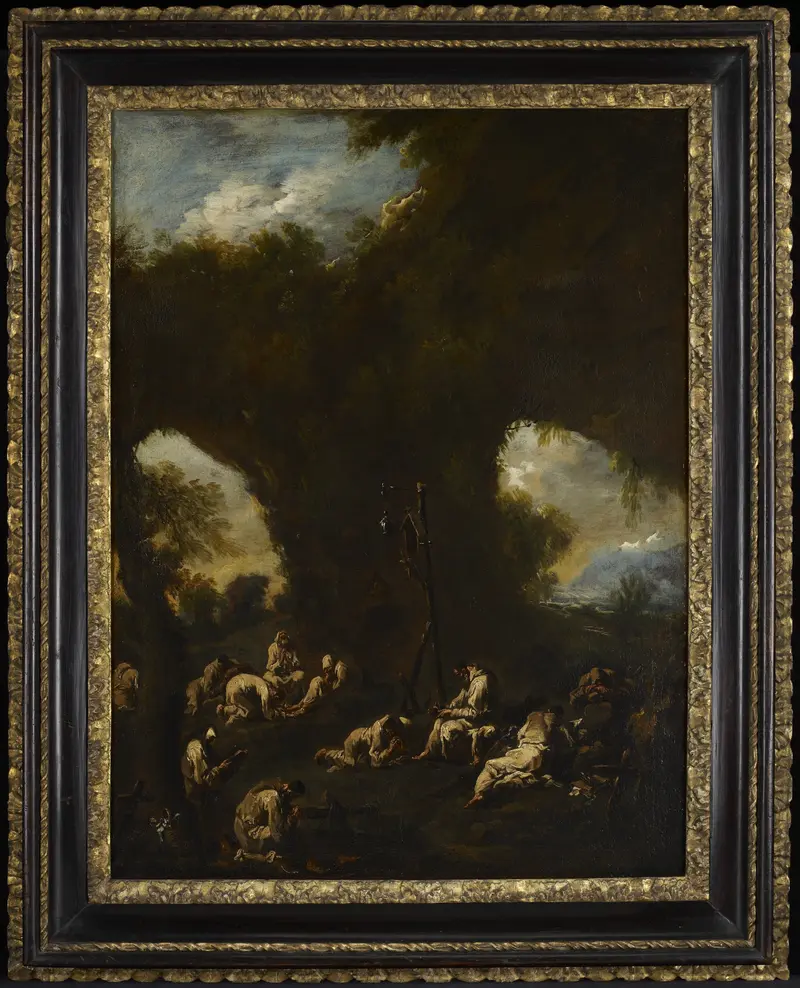
Monks Praying in a Grotto
Alessandro Magnasco
More Landscape Art

The Starry Night
Vincent van Gogh

View of Delft
Johannes Vermeer

Water Lilies
Claude Monet

The Grand Canal, Venice, looking north-west from the Ca' Corner to the Ca' Contarini degli Scrigni, with the campanile of Santa Maria della Carità
Canaletto

Windsor Castle
Canaletto

The Grand Canal looking North-East from the Palazzo Dolfin-Manin to the Rialto Bridge
Canaletto